
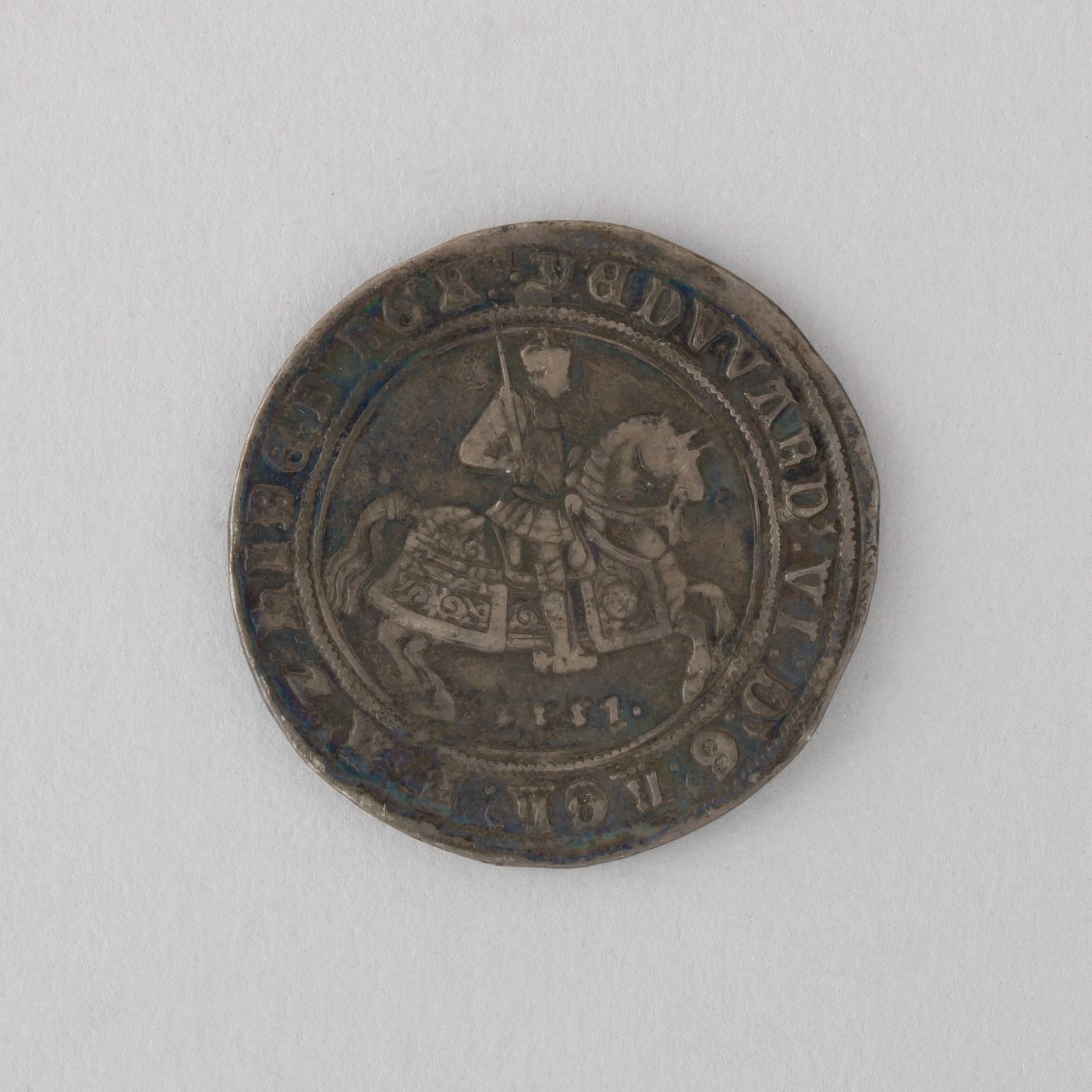
Edward VI Crown
Hammered English silver crown of Edward VI (1547-1553), the first English crown coin and among the earliest English coins to carry a date.
- Country
- England
- Denomination
- Crown
- Metal
- Silver
Got a coin like this?
Identify any coin from a photo, free.
Overview
The Edward VI Crown is a large hammered silver coin issued during the short reign of Edward VI, the boy king of England who ruled from 1547 to 1553. Valued at five shillings, it was the first English crown-denomination coin and one of the largest silver pieces produced in England up to that time.
Struck by hand from silver of high fineness during the coinage reforms of Edward's final years, the crown is prized by collectors as an early milestone of the English hammered series. Genuine examples are scarce, and the type is closely studied for its dates, mint marks, and die varieties.
History & Background
Edward VI came to the throne in 1547 as a nine-year-old, following the death of his father Henry VIII. The early years of his reign continued the debased "base silver" coinage inherited from Henry, but in 1551 a reformed issue of fine silver was introduced to restore confidence in the currency after years of devaluation.
The crown was created as part of this fine silver coinage and was struck in the closing years of the reign, generally dated 1551, 1552 and 1553. It holds a notable place in English numismatic history as the first English crown coin and as one of the first English coins to bear the date rendered in numerals. Production ceased with Edward's death in 1553, making the series brief and its surviving examples relatively few.
How to Identify
The obverse shows the young king in armor facing right, depicted on horseback in the manner of a mounted royal portrait, with the date placed beneath the horse and a Latin royal legend naming Edward as king of England, France and Ireland. On worn or partially struck pieces the armored figure facing right is the most immediately recognizable feature. The reverse, when present, carries a shield of the royal arms set over a cross with a Latin motto ("POSVI DEVM ADIVTOREM MEVM," I have made God my helper).
The coin is a large silver piece, roughly 40 mm or more in diameter and weighing on the order of 30 grams, struck by hand rather than by machine, so the flan is often slightly irregular and the strike uneven. Because it was hammered, no two examples are identical in centering or detail.
Mint marks (small symbols in the legend, such as a 'y' or a tun) help pinpoint the date and mint, and are important for attributing a given example within the short 1551-1553 window.
Value & Collectibility
Genuine Edward VI crowns are scarce and carry significant premiums well above their silver content. Heavily worn or damaged examples typically trade in the low-to-mid hundreds of pounds or dollars, while problem-free coins in collectable grade commonly reach the low thousands.
Exceptional pieces with strong strikes, clear dates and attractive surfaces can command substantially more, particularly for scarcer dates and mint mark combinations. As with all early hammered coins, condition, eye appeal, provenance and the absence of damage or repair have a large effect on value.
Because of the coin's fame and value, it has been widely copied and forged; buyers should treat unattributed "bargain" examples with caution and favor coins with reputable provenance or third-party authentication.
Frequently asked questions
What is the Edward VI Crown worth?
Worn genuine examples often sell in the low-to-mid hundreds, while problem-free collectable coins commonly reach the low thousands. Scarcer dates and high grades can bring considerably more.
Why is the Edward VI Crown historically important?
It was the first English crown-denomination coin and one of the earliest English coins to carry a date, introduced as part of the fine silver coinage reform of 1551.
What metal is the Edward VI Crown made of?
It is a large hammered silver coin, struck from high-fineness silver during the reformed coinage of Edward's final years.
How can I tell it apart from later English crowns?
Look for the armored king facing right in a mounted portrait, the date in the 1551-1553 range, the Latin legends naming Edward VI, and the hand-struck, slightly irregular flan typical of hammered coinage.
Edward VI Crown guides
In-depth guides for identifying, valuing, and collecting Edward VI Crown.
Other coins you may enjoy
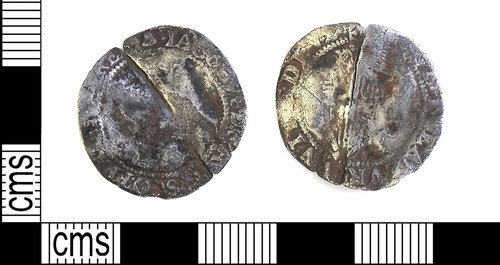
English Sixpence
Early 1600s (James I, 1603-1625)
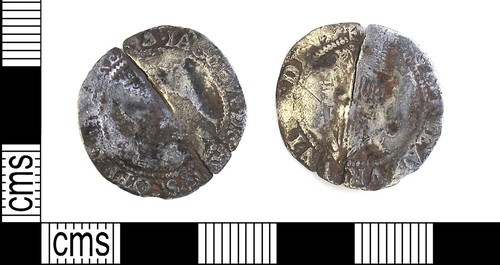
Sixpence of James I
1603-1625
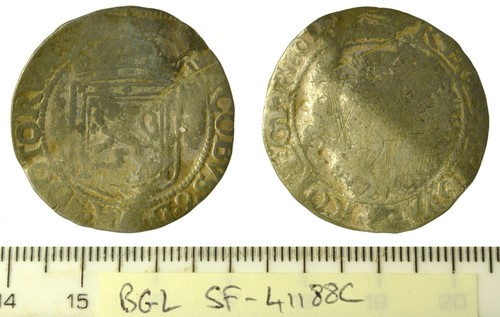
Thistle Merk
1567–1625
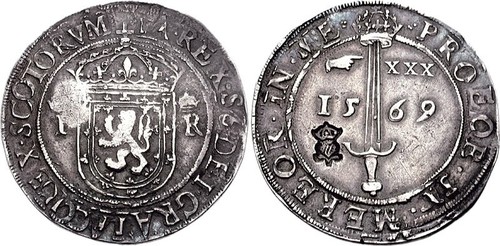
James VI Ryal
1567–1571
Quarter Merk
c. 1580–1691
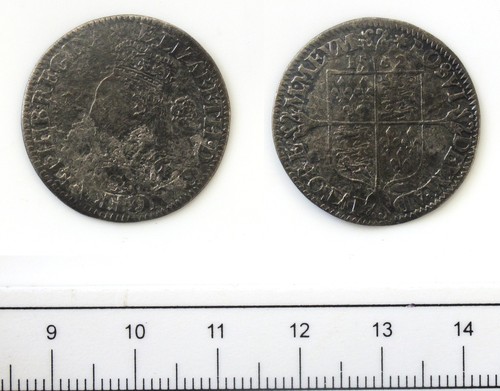
Sixpence of Elizabeth I
1560–1603
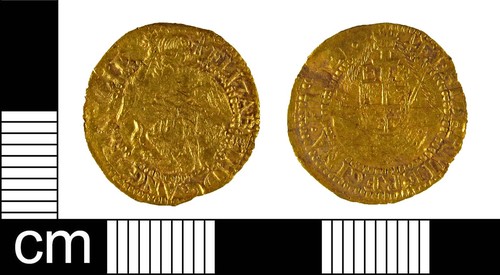
Quarter Angel of Elizabeth I
1581-1583
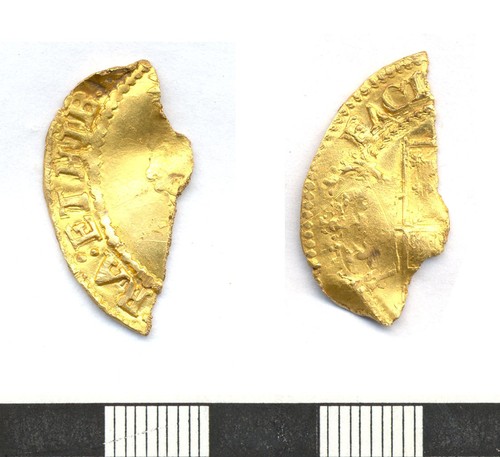
Laurel
1619-1625
Mary I Groat
1553-1558
Medieval Coin
c. 500–1500 (Medieval)
Half Thistle Merk
1567-1625
Irish Pistole
1640s (17th century)