
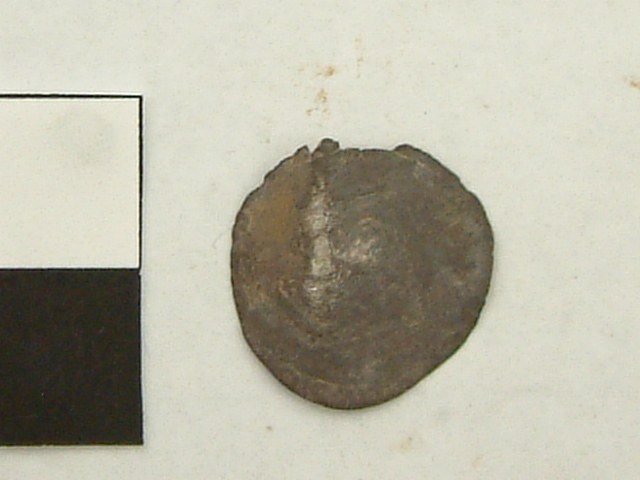
Quarter Merk
A small hammered silver coin of Scotland worth a quarter of a merk, showing a crowned heraldic shield with a cross and a Latin legend.
- Country
- Scotland
- Denomination
- Quarter Merk
- Metal
- Silver
Got a coin like this?
Identify any coin from a photo, free.
Overview
The Quarter Merk is a small hammered silver coin of the old Kingdom of Scotland, valued at one quarter of a merk. A merk was a Scots money-of-account worth thirteen shillings and fourpence Scots, so the quarter merk represented three shillings and fourpence Scots — a modest but useful everyday silver piece.
The photographed example shows the characteristic obverse of the type: a crowned heraldic shield bearing a cross, encircled by a Latin legend, now softened by wear. Like all Scottish coins of the pre-Union period it was struck by hand between two dies, giving each surviving piece a slightly irregular flan and its own worn, individual character.
Quarter merks are firmly medieval-to-early-modern in feel and were produced during Scotland's separate coinage before the Union of the Crowns and later the parliamentary union with England. They circulated as small-change silver alongside larger merk and half-merk pieces of the same design family.
History & Background
The merk system was a distinctive feature of Scottish coinage. Because the Scots pound had depreciated heavily against the English pound over the late medieval and early modern period, Scotland used the merk (marked at thirteen shillings fourpence Scots) as a convenient accounting unit, and struck silver coins in merk, half-merk, quarter-merk and smaller fractions to match it.
Quarter merks were issued during the reign of James VI, most famously in the thistle-and-shield coinages around the turn of the seventeenth century, and the denomination reappeared under later Stuart monarchs down to the closing years of independent Scottish minting. Throughout, the coins were hammered — struck by hand — rather than machine-made, so style and execution vary from issue to issue and from coin to coin.
Scotland retained its own mint and coinage even after James VI became James I of England in 1603, and separate Scottish issues continued until the Union of 1707 ended distinct Scottish coinage. Surviving quarter merks are therefore relics of that separate monetary tradition, and of the hammered method used before mechanized striking became standard.
How to Identify
The defining feature on the photographed coin is the obverse: a crowned heraldic shield of the Scottish royal arms bearing a cross-like division, surrounded by a Latin legend giving the monarch's titles. The shield-and-crown design set within a beaded or linear circle is the type's signature and helps separate it from English hammered silver of similar size.
The reverse of merk-series coins typically carries a crowned device — on the well-known thistle issues a crowned thistle, on others a crowned initial or cross — with a further Latin legend, often a pious or royal motto. Reverse detail is not shown on this example, so the crowned shield obverse is the primary diagnostic here.
The coin is small hammered silver, so expect a slightly out-of-round flan, hand-cut lettering, and soft or partly doubled relief rather than the crisp uniform edges of milled coinage. Weight and diameter fall in the small-silver range appropriate to a quarter-merk denomination; wear, as on this piece, commonly softens the legends and shield detail.
Value & Collectibility
As a genuine hammered silver coin of pre-Union Scotland, the Quarter Merk is a collectable survivor that trades above its modest silver content. Value is governed by grade, strength of strike, the specific reign and issue, and overall eye appeal rather than by any single fixed price.
Worn but authentic examples such as the one photographed generally sit in the affordable range for small Scottish hammered silver, while sharp, well-centered coins with clear legends, scarcer issues, and pieces with attractive old toning command higher prices at specialist auction. Because Scottish hammered coins are collected by comparatively few specialists, prices can vary widely between sales.
Wear, clipping, and the exact attribution all matter, so any single quoted figure should be treated as context rather than a guarantee. To value a specific coin, identify the reign and issue precisely and compare against recent auction records for matching examples.
Frequently asked questions
What was a quarter merk worth?
A merk equalled thirteen shillings and fourpence in Scots money, so a quarter merk was three shillings and fourpence Scots. Scots currency was worth much less than English sterling of the same name.
Is a merk the same as a mark?
"Merk" is the Scots form of "mark." In Scotland it functioned as a money-of-account, and coins were struck in merk and fractional-merk denominations including the quarter merk.
Why does the coin look uneven and worn?
It was struck by hand between two dies — the hammered method used before mechanized minting — and it has circulated for centuries, which softens the shield and lettering.
Which country issued the quarter merk?
The quarter merk is a coin of the Kingdom of Scotland, struck during its separate coinage before the parliamentary union with England in 1707.
Quarter Merk guides
In-depth guides for identifying, valuing, and collecting Quarter Merk.
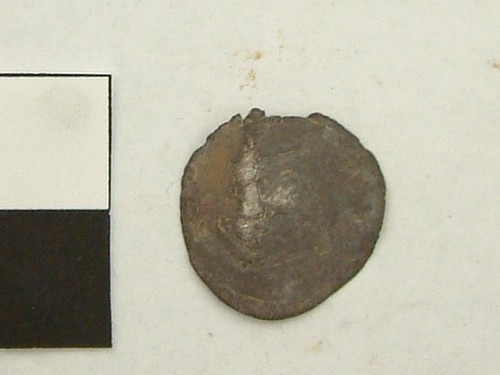
Other coins you may enjoy
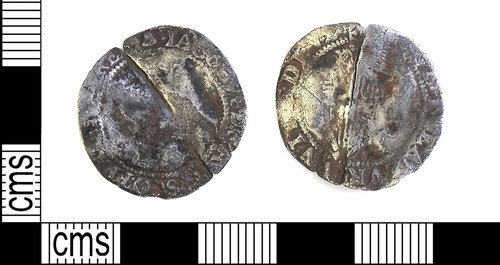
English Sixpence
Early 1600s (James I, 1603-1625)
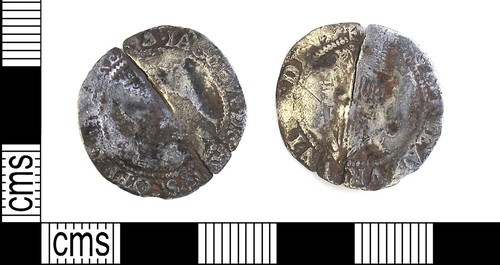
Sixpence of James I
1603-1625
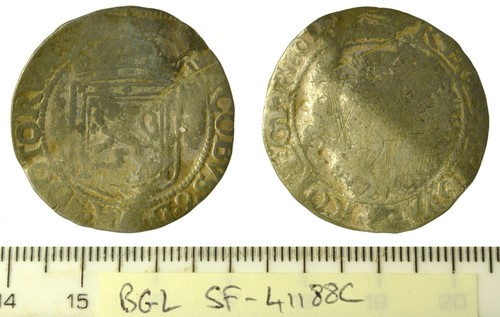
Thistle Merk
1567–1625
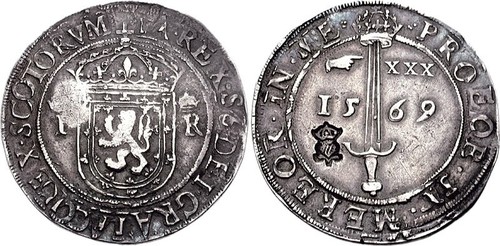
James VI Ryal
1567–1571
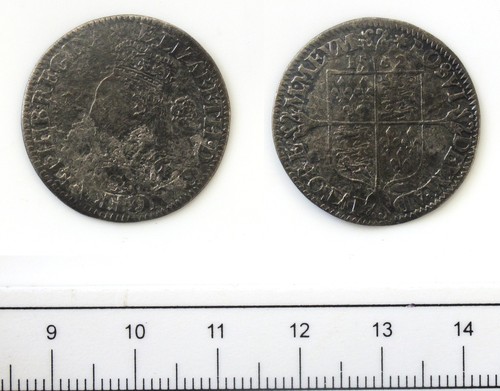
Sixpence of Elizabeth I
1560–1603
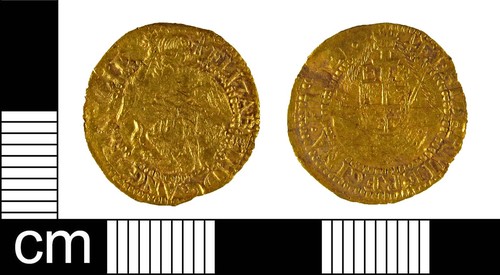
Quarter Angel of Elizabeth I
1581-1583
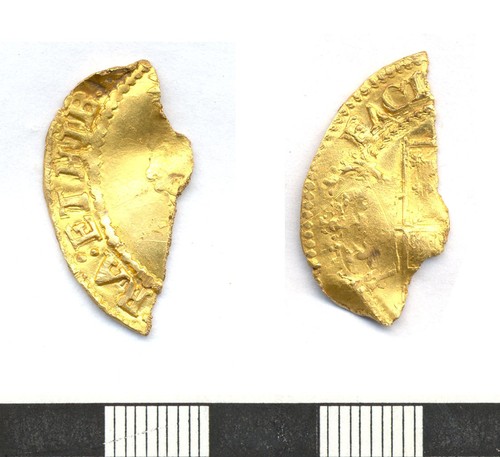
Laurel
1619-1625
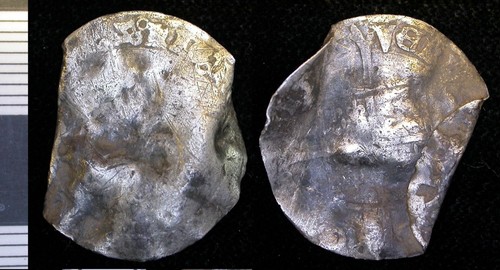
Mary I Groat
1553-1558
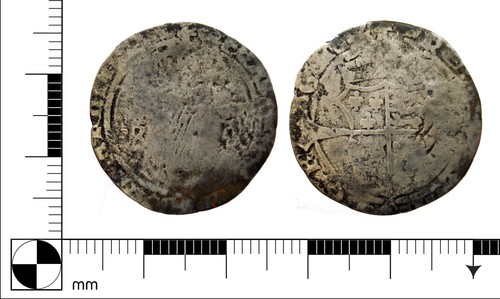
Medieval Coin
c. 500–1500 (Medieval)
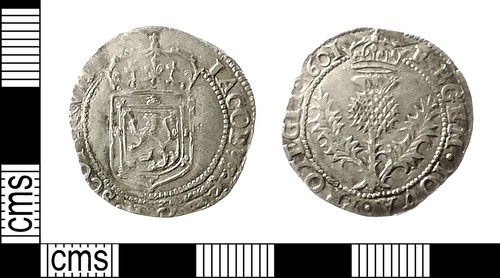
Half Thistle Merk
1567-1625
Irish Pistole
1640s (17th century)
Scottish Coin (Uncertain)
1625-1649