
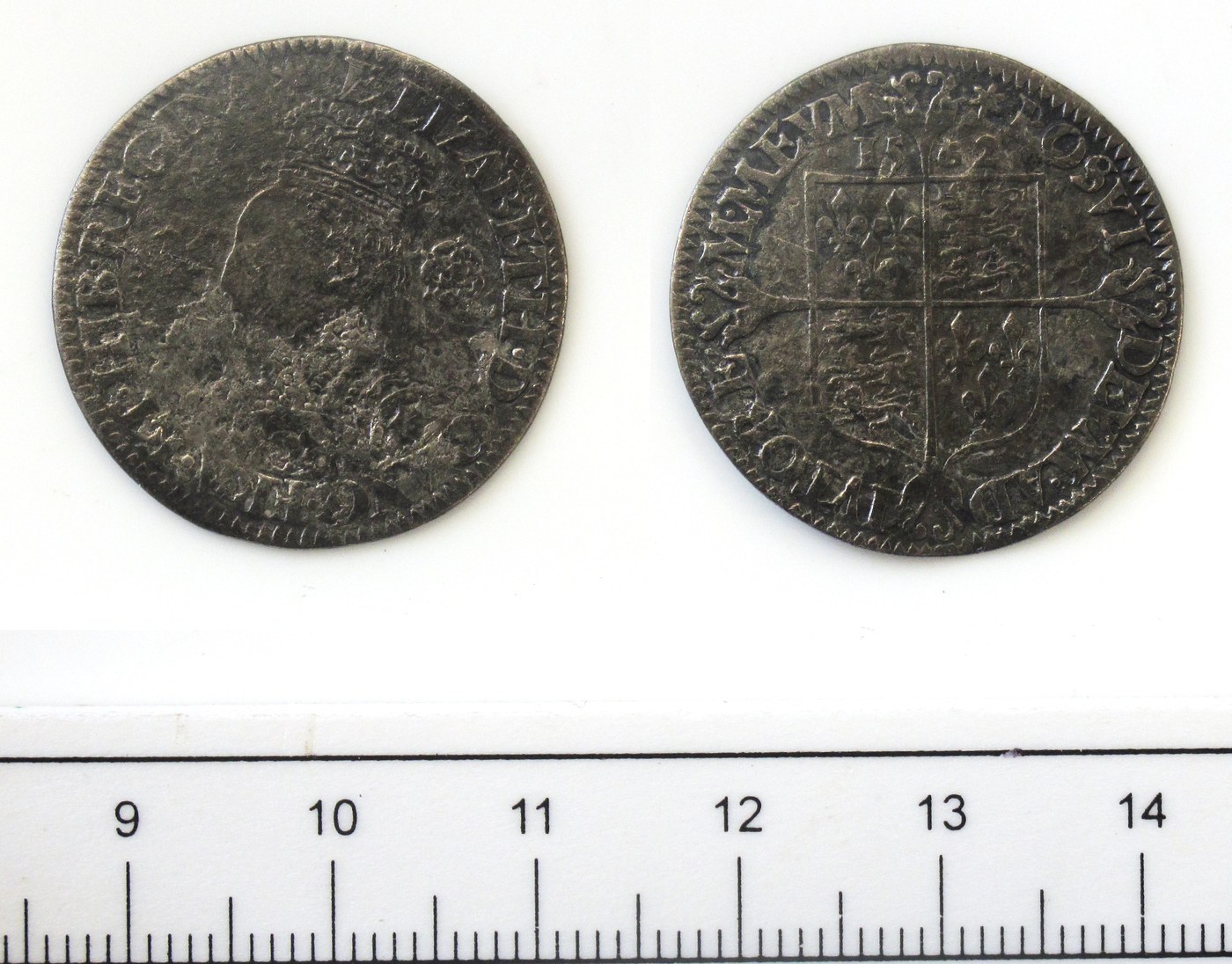
Sixpence of Elizabeth I
A hammered silver sixpence of Elizabeth I, showing the crowned, ruff-collared queen in profile and the royal shield, most bearing a date beside a mint mark.
- Country
- England
- Denomination
- Sixpence
- Metal
- Silver
Got a coin like this?
Identify any coin from a photo, free.
Overview
The Sixpence of Elizabeth I is a hammered silver coin of Tudor England, worth six pennies (half a shilling). It shows the crowned queen in right-facing profile wearing an elaborate ruff collar, with a heraldic shield of the royal arms on the reverse, its field divided by the arms of England, France and Ireland.
Struck by hand between two dies rather than by machine, each surviving sixpence has a slightly irregular flan and its own character. Elizabethan sixpences are notable for often carrying a date in the legend, one of the first regular English silver coins to do so, and for the rose device placed behind the queen's head that helps mark the denomination.
As a mid-value silver piece produced across a long reign, the sixpence survives in relatively large numbers and is one of the most accessible and popular hammered coins for collectors of the Tudor period.
History & Background
Elizabeth I reigned from 1558 to 1603, and her long tenure produced an extensive silver coinage after the debasements of earlier Tudor reigns had been reversed and the currency restored to a good standard of fineness. The sixpence became a workhorse denomination of this reformed coinage.
Sixpences were struck across much of the reign, with dates appearing in the legend from around 1560 onward, allowing many examples to be pinned to a specific year. They were produced at the Tower mint in London by hammering, and the design was refreshed over the decades through changing mint marks and portrait styles while keeping the crowned-bust-and-shield format.
The coin belongs to the era before mechanized minting was firmly established in England, so despite a brief experiment with milled coinage during the reign, the great majority of Elizabethan sixpences are hand-struck hammered pieces.
How to Identify
The obverse shows Elizabeth I crowned and facing right, wearing the distinctive ruff collar of the period, with a surrounding Latin legend naming her as queen. A rose is characteristically placed behind the queen's head, a device that distinguishes the sixpence and the smaller threepence from other denominations. The reverse carries a shield of the royal arms with the field divided by a cross into quarters bearing the lions of England and the fleurs-de-lis of France, over a long cross fourchée, and most examples show a date at the top of the reverse legend.
The photographed coin matches this: a right-facing crowned bust in a ruff on one side and a quartered heraldic shield on the other. On genuine pieces a small symbol, the mint mark or initial mark, appears at the start of the legend and is used together with the date to place the coin within the reign.
The sixpence is a small, thin, hand-hammered silver coin with a slightly uneven flan and hand-cut lettering. The soft, sometimes doubled detail typical of hammered striking, rather than crisp uniform edges, is normal and expected.
Value & Collectibility
Elizabethan sixpences are among the more affordable genuine Tudor silver coins because they were struck in quantity over a long reign and survive in reasonable numbers. Well-worn but authentic examples are widely available at modest prices, making the type a popular entry point into hammered coinage.
Value rises sharply with condition, sharpness of the portrait and shield, an unclipped full flan, a clear legible date, and scarcer mint marks or dates. Cleanly struck, well-centered coins with strong detail command a substantial premium over worn, clipped, or crimped pieces, and the finest examples reach into higher figures at specialist sale.
Because price depends heavily on grade, date and mint mark, treat any single quoted figure as context only and compare a specific coin against recent auction results for the matching year and mint mark.
Frequently asked questions
How much was a sixpence worth?
A sixpence was worth six pennies, or half a shilling, in the pre-decimal English system. It was a mid-value silver coin used for everyday larger purchases.
Why is there a rose behind the queen's head?
The rose is a denomination marker. On Elizabeth's coinage a rose behind the bust identifies the sixpence and threepence, helping tell them apart from similar-looking shillings and groats that lack it.
Do Elizabethan sixpences have a date?
Most do. From around 1560 the sixpence commonly carried a date in the reverse legend, making it one of the earliest regularly dated English silver coins and letting many examples be attributed to a specific year.
Are they rare?
Not especially. They were struck over a long reign and survive in fair numbers, so worn examples are quite affordable. Sharp, well-struck coins with clear dates and scarcer mint marks are the valuable ones.
Sixpence of Elizabeth I guides
In-depth guides for identifying, valuing, and collecting Sixpence of Elizabeth I.
Other coins you may enjoy
English Sixpence
Early 1600s (James I, 1603-1625)
Sixpence of James I
1603-1625
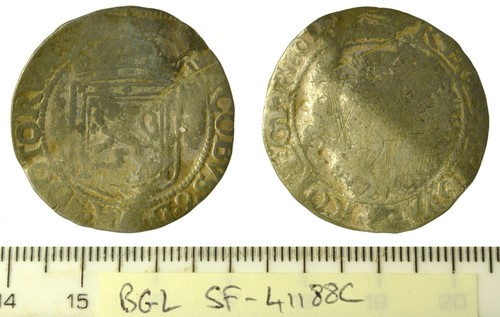
Thistle Merk
1567–1625
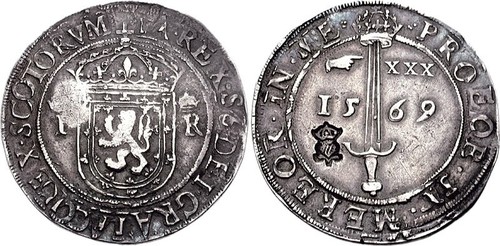
James VI Ryal
1567–1571
Quarter Merk
c. 1580–1691
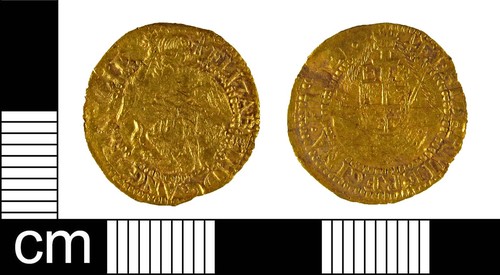
Quarter Angel of Elizabeth I
1581-1583
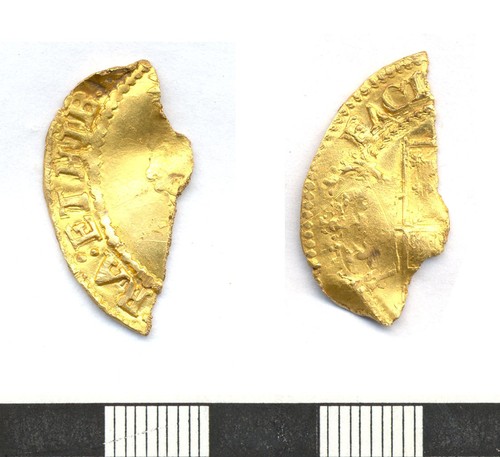
Laurel
1619-1625
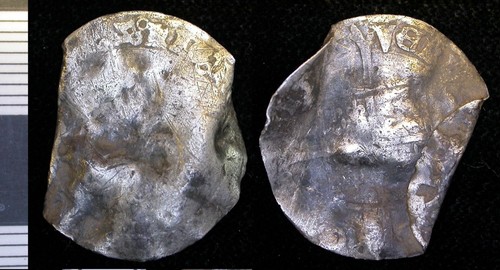
Mary I Groat
1553-1558
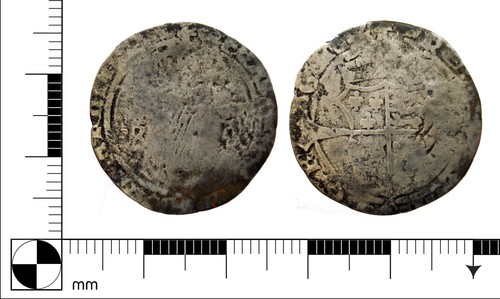
Medieval Coin
c. 500–1500 (Medieval)
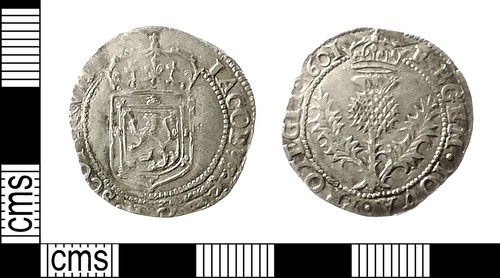
Half Thistle Merk
1567-1625
Irish Pistole
1640s (17th century)
Scottish Coin (Uncertain)
1625-1649