
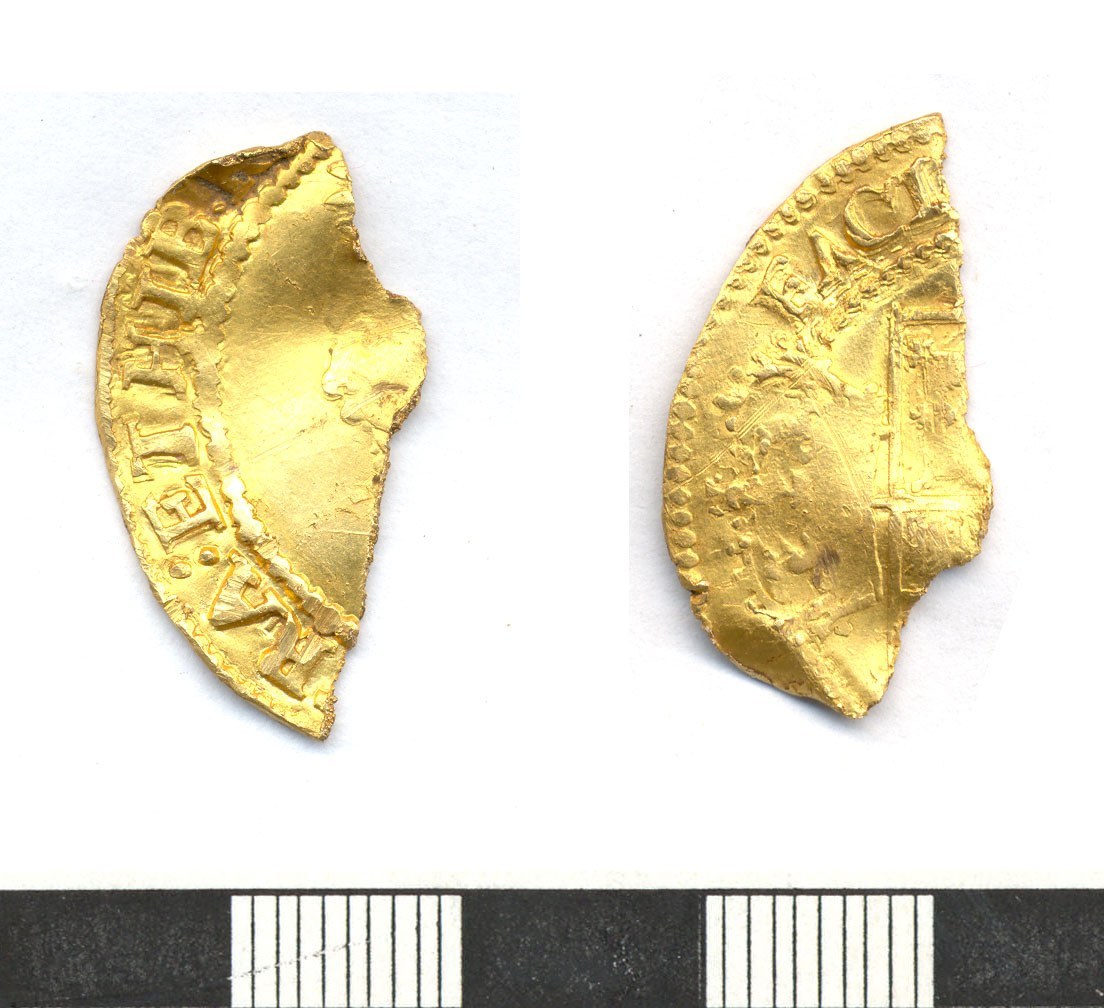
Laurel
A hammered English gold coin of James I worth twenty shillings, named for the king's laurel-wreathed profile, struck 1619-1625.
- Country
- England
- Denomination
- Laurel (20 shillings)
- Metal
- Gold
Got a coin like this?
Identify any coin from a photo, free.
Overview
The Laurel is a hammered gold coin of England worth twenty shillings, struck in the final years of the reign of King James I (James VI of Scotland). It takes its name from the distinctive laurel wreath that crowns the king's head on the obverse, replacing the tall royal crown seen on his earlier gold coins. The obverse shows James in profile facing right with a surrounding Latin legend, while the reverse displays a crowned shield of arms with heraldic quarterings set within an ornamental frame.
As a hammered coin, each Laurel was struck by hand between two dies, so surviving pieces show slightly irregular flans, uneven striking, and legends that can run weak or off the edge. It belongs to the third and last coinage of James I, introduced in 1619, and was the standard large gold piece of that issue, equivalent in value to the earlier Unite and to twenty silver shillings.
The Laurel is prized by collectors of hammered English and Stuart gold for its handsome classical portrait, its clear denomination as a pound coin of the day, and its place at the end of a reign that united the crowns of England and Scotland.
History & Background
James I came to the English throne in 1603, already king of Scotland, and his reign produced several successive gold coinages as the price of gold and the needs of the treasury changed. The large twenty-shilling gold piece began the reign as the Sovereign and was then reissued as the Unite, a name celebrating the union of the English and Scottish crowns. In 1619 a new, slightly lighter twenty-shilling coin was introduced as part of the third coinage, and this piece became known as the Laurel from the laurel wreath now shown on the king's head.
The change to a laureate, classically inspired portrait echoed the imagery of Roman emperors and gave the new coin a fresh appearance while keeping the same face value of one pound. The Laurel was struck at the Tower of London mint through the closing years of the reign, and its dies carry an initial mark, or mint mark, at the start of the legend that helps place a coin within these years.
James died in 1625 and was succeeded by his son Charles I, who continued to strike Laurels early in his own reign before the design evolved further. The James I Laurel therefore stands as the last major gold denomination of his coinage and a direct forerunner of the Stuart gold that followed.
How to Identify
Look first at the obverse. The Laurel shows a profile bust of James I facing right, his head encircled by a laurel wreath rather than a crown, with a Latin legend running around the border naming him as king. This laureate portrait is the single most diagnostic feature and is what separates the Laurel from the crowned-bust Sovereign and Unite of the same reign. Behind or below the bust the mark of value, such as the Roman numeral for twenty, may appear.
The reverse carries a crowned shield of arms with the heraldic quarterings of England, Scotland, France, and Ireland, set within an ornamental frame or garnished cartouche, again surrounded by a Latin legend. A mint mark, a small symbol at the start of the legend, indicates the period of striking and is important for close attribution.
The coin is struck in gold on a broad, thin, and slightly irregular hammered flan, and it should feel appropriately heavy and warm-toned for a gold pound piece of the period. Because portrait busts vary in size and style across the third coinage, and because legends are Latin and abbreviated, precise attribution usually depends on matching the bust variety and mint mark to a standard reference on hammered English coinage.
Value & Collectibility
As a genuine hammered gold coin roughly four centuries old, the Laurel is a valuable piece, and prices sit well above those of contemporary silver. Value depends on the bust variety, the mint mark, the strength and centering of the strike, and overall condition, with sharply struck, well-centered examples showing a full laureate portrait and clear legends commanding the strongest prices.
Eye appeal matters as much as technical grade on hammered gold: a coin with a bold portrait, readable legends, and an identifiable mint mark is worth considerably more than a weak, clipped, or creased piece of the same type. Coins that have been mounted, bent, or heavily tooled sell at a discount despite their gold content.
Because values span a wide range and gold coins are frequently faked, any purchase of consequence should be confirmed through a specialist dealer or a reputable auction record rather than a single online listing. For a current figure, compare recent sales of the same bust variety and grade rather than relying on melt value alone.
Frequently asked questions
Why is this coin called a Laurel?
It is named for the laurel wreath that crowns the king's head on the obverse, in place of the tall royal crown used on his earlier gold coins. The classical laureate portrait, echoing Roman emperors, gives the coin both its look and its name.
What was a Laurel worth?
The Laurel was a gold coin worth twenty shillings, that is one pound in the money of the day, and it was equivalent in value to the earlier Unite and Sovereign of the same reign.
How is a Laurel different from a Unite or Sovereign of James I?
All three were twenty-shilling gold coins, but the Sovereign and Unite show James wearing a crown, while the Laurel of the third coinage shows him wearing a laurel wreath. The laureate head is the quickest way to tell them apart.
Why is my Laurel uneven or off-center?
It is a hammered coin, struck by hand between two dies, so irregular flans, weak areas, and legends that run off the edge are normal for the type and are not by themselves signs of damage or forgery.
Are Laurels valuable?
Yes. As hammered Stuart gold they are worth well above face value, with prices driven by bust variety, mint mark, strike, and condition. Well-struck, problem-free examples command the most, while bent, mounted, or clipped coins sell for less.
Laurel guides
In-depth guides for identifying, valuing, and collecting Laurel.
Other coins you may enjoy
English Sixpence
Early 1600s (James I, 1603-1625)
Sixpence of James I
1603-1625
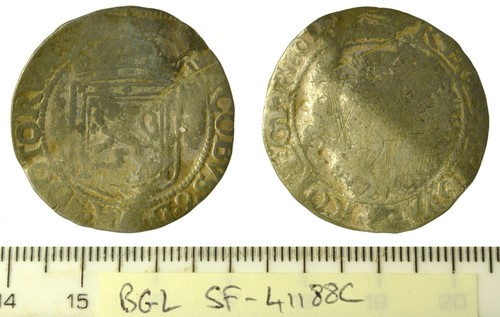
Thistle Merk
1567–1625
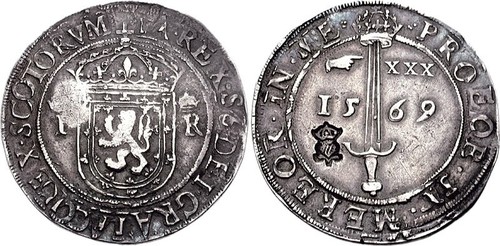
James VI Ryal
1567–1571
Quarter Merk
c. 1580–1691
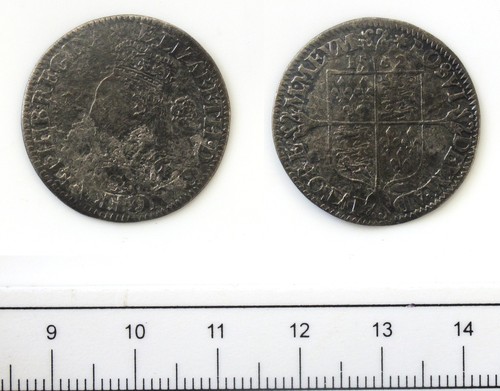
Sixpence of Elizabeth I
1560–1603
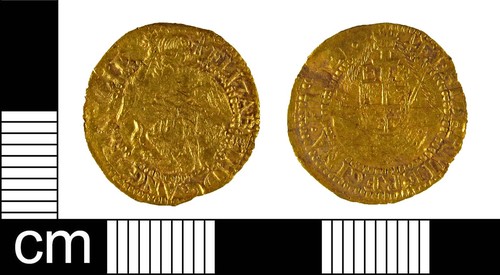
Quarter Angel of Elizabeth I
1581-1583
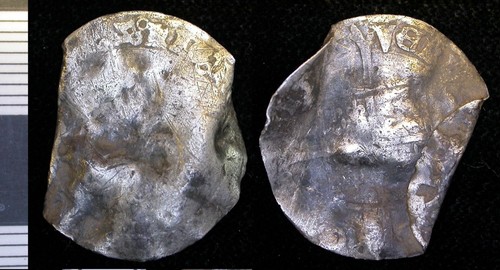
Mary I Groat
1553-1558
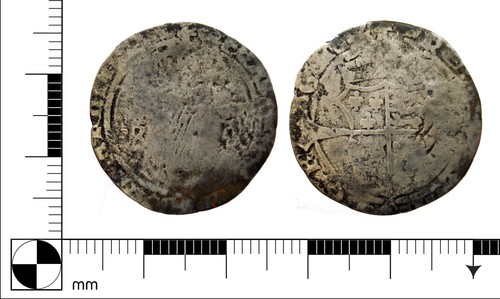
Medieval Coin
c. 500–1500 (Medieval)
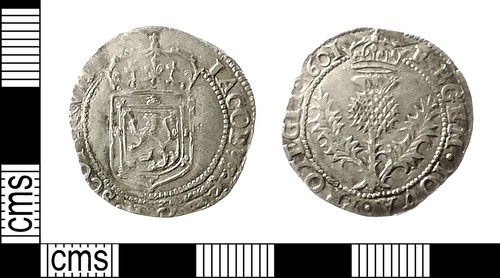
Half Thistle Merk
1567-1625
Irish Pistole
1640s (17th century)
Scottish Coin (Uncertain)
1625-1649