
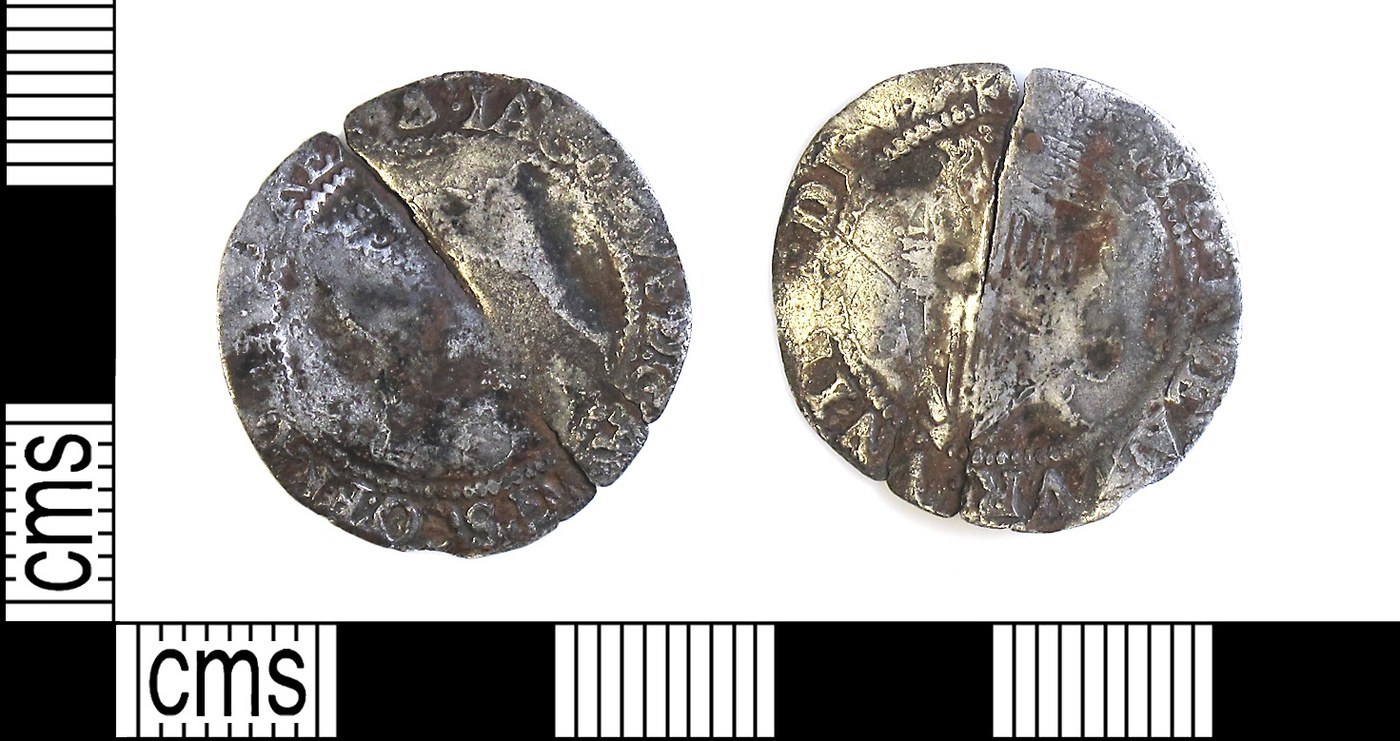
English Sixpence
A hammered silver sixpence of James I, showing his crowned profile bust and a quartered royal shield with a long cross on the reverse.
- Country
- England
- Denomination
- 6 Pence
- Metal
- Silver
Got a coin like this?
Identify any coin from a photo, free.
Overview
The English sixpence was a small silver coin worth six pence, half of a shilling. The example shown is a hammered issue of James I (reigned 1603-1625), struck in silver with the king's crowned bust on the obverse and a quartered heraldic shield on the reverse.
Unlike later machine-made coins, this piece was produced the old way: a blank silver disc struck between two hand-engraved dies with a hammer blow. That process gives hammered sixpences their characteristic slightly irregular shape and hand-crafted lettering, and marks them as products of the pre-milled English mint.
History & Background
The sixpence entered English coinage under the Tudors in the mid-16th century and continued as a staple silver denomination for centuries. When James VI of Scotland became James I of England in 1603, uniting the crowns, his coinage reflected the new joint monarchy in its titles and heraldry.
James I's silver was issued across successive coinages during his reign, each distinguished by its portrait style, legends, and the small symbols (mint marks or 'initial marks') that head the inscriptions. A sixpence dated to the early 1600s belongs to this Jacobean phase, near the very end of England's long hammered tradition.
Hammered striking was eventually replaced by milled (machine-struck) coinage later in the 17th century, which makes the hand-struck sixpences of James I part of the closing chapter of that older method.
How to Identify
Obverse: a crowned profile bust of James I facing right, wrapped in a Latin legend giving the king's name and titles. The denomination is marked by the value figures VI placed behind the bust, confirming the sixpence.
Reverse: a quartered shield of royal arms bearing lions and other heraldic charges, set over a long cross that reaches to the edge, with a date typically above the shield and a Latin motto around the legend.
Physical clues: the coin is hammered silver, roughly 25-27 mm across and only a couple of grams in weight, with a slightly uneven, non-circular flan and hand-cut lettering. The small symbol (mint mark) at the start of the legend helps place it within a particular coinage period.
Value & Collectibility
Value depends heavily on grade, strike quality, centering, and how clear the portrait, shield, and date are. Hammered coins are often weakly struck or clipped, so well-centered pieces with a full, sharp bust and legible legends command a strong premium over worn, ragged examples.
As a genuine four-hundred-year-old hammered silver coin, a James I sixpence generally sits comfortably in the collectible range rather than bullion-only territory, with condition and eye appeal driving most of the difference. For a specific figure, compare recent auction results for the same coinage and grade, and have higher-value pieces assessed by a specialist, since clipping and later tooling can affect value.
Frequently asked questions
Who is on this coin?
The obverse shows James I, who ruled England from 1603 to 1625 and was simultaneously James VI of Scotland, depicted as a crowned profile bust.
What does 'hammered' mean?
Hammered coins were struck by hand, placing a silver blank between two engraved dies and striking with a hammer. This gives them an irregular shape, unlike later machine-made milled coins.
How do I know it is a sixpence and not a shilling?
The value mark VI behind the bust indicates six pence. A shilling would show XII and be a noticeably larger coin.
Is it real silver?
Yes. English sixpences of this era were struck in silver, which is part of why these small hammered coins remain collectible today.
What is on the reverse?
A quartered shield of the royal arms, containing lions and other heraldic charges, set over a long cross, usually with a date above the shield and a Latin motto in the legend.
English Sixpence guides
In-depth guides for identifying, valuing, and collecting English Sixpence.
Other coins you may enjoy
Sixpence of James I
1603-1625
Thistle Merk
1567–1625
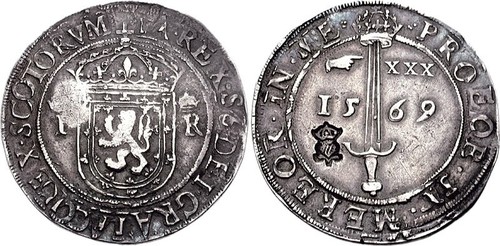
James VI Ryal
1567–1571
Quarter Merk
c. 1580–1691
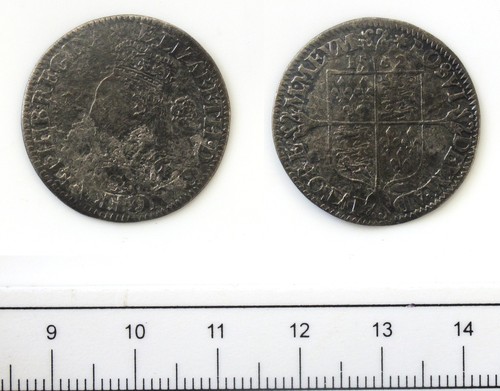
Sixpence of Elizabeth I
1560–1603
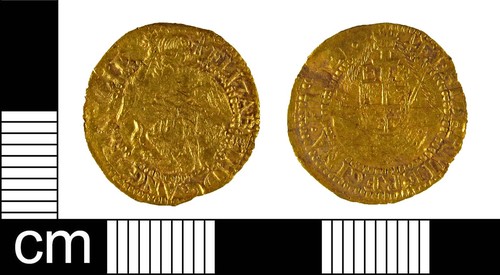
Quarter Angel of Elizabeth I
1581-1583
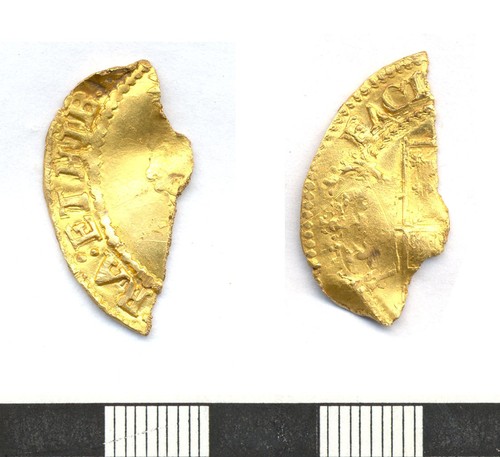
Laurel
1619-1625
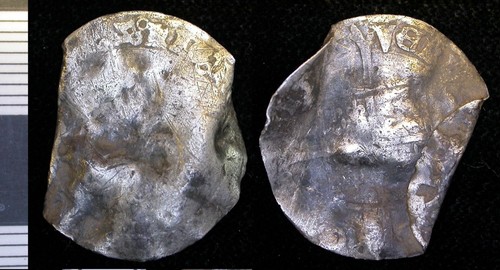
Mary I Groat
1553-1558
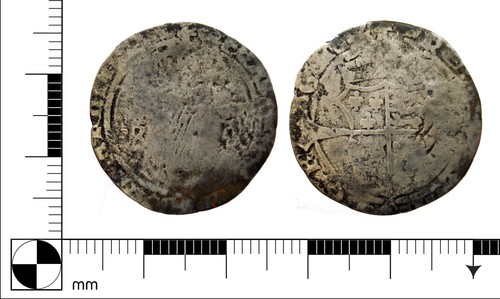
Medieval Coin
c. 500–1500 (Medieval)
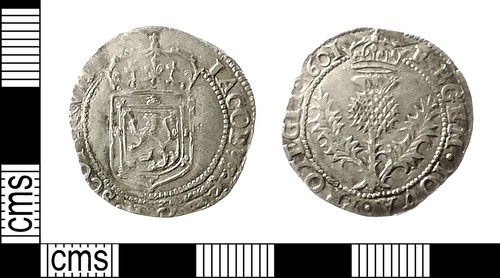
Half Thistle Merk
1567-1625
Irish Pistole
1640s (17th century)
Scottish Coin (Uncertain)
1625-1649