
How to Identify the English Sixpence
Recognize a James I hammered silver sixpence by its crowned bust, the VI value mark, a quartered shield over a long cross, and its irregular flan.
Read the full English Sixpence encyclopedia entry →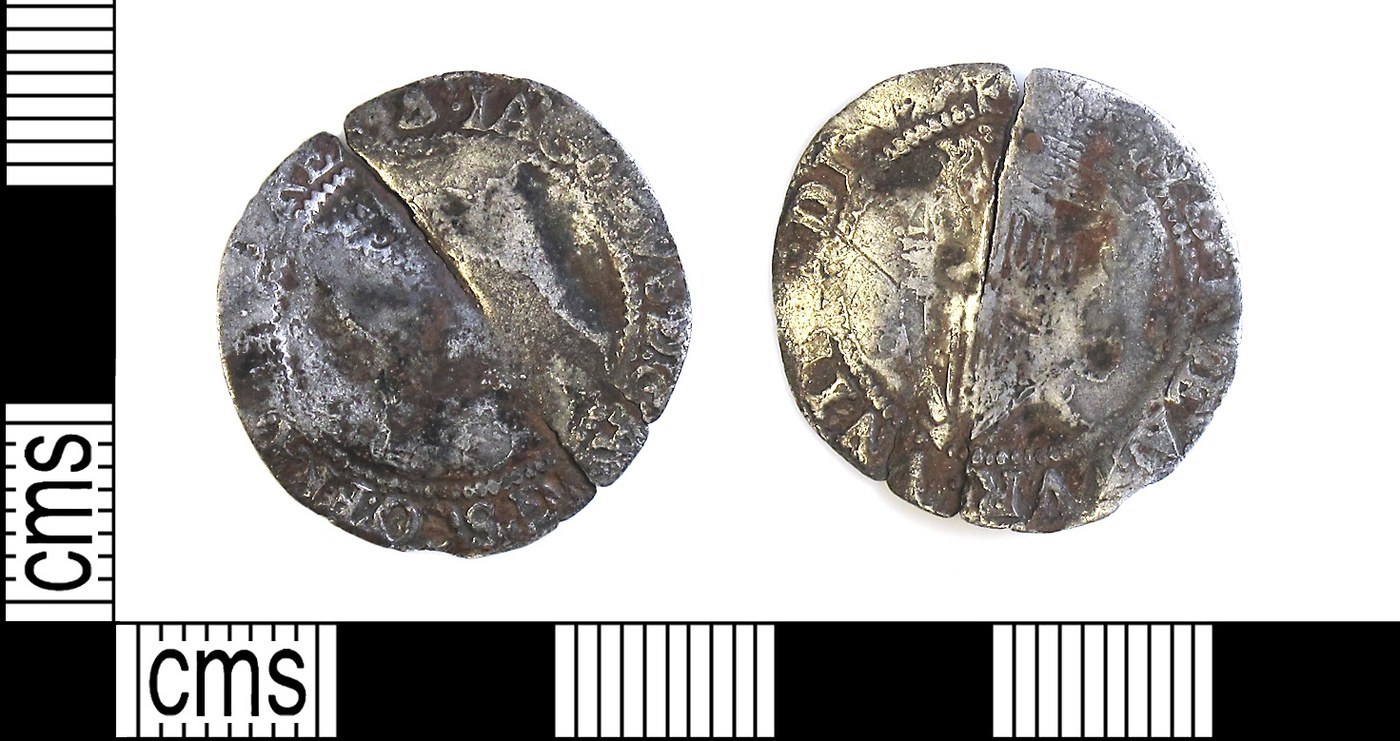
Start with the fabric and size. A hammered sixpence is a small, thin silver coin around 25-27 mm across and only a couple of grams in weight, with a slightly irregular, non-circular outline and hand-cut lettering. A perfectly round, uniform edge with milling would point to a later or reproduction piece, not a genuine hammered strike.
Confirm the denomination. Look for the value mark VI placed behind the bust on the obverse. This is the key diagnostic separating the sixpence from the shilling (XII) and the smaller groat and threepence; the value figures should read cleanly alongside the portrait.
Read the obverse portrait. The bust should be a crowned profile of James I facing right, ringed by a Latin legend naming the king and his titles. Note the small symbol at the start of the legend, the mint or initial mark, which collectors use to place the coin within a specific coinage of the reign.
Check the reverse. The diagnostic reverse is a quartered shield of royal arms with lions and other charges, set over a long cross running to the edge, usually with a date above the shield and a motto around the rim. Confirm the shield quartering and cross are present rather than a single simple emblem.
Rule out look-alikes and authenticate. Do not confuse the James I sixpence with Elizabeth I or later Charles I sixpences, which share the format but differ in portrait, titles, and mint marks; compare the legend and bust against dated references. Because hammered coins are frequently clipped, weakly struck, or later tooled, weigh and measure the coin, watch for edges cut down inside the beaded border, and get a specialist opinion or third-party grading before buying or selling anything valuable.
Frequently asked questions
How do I tell a sixpence from a shilling?
Check the value mark behind the bust: VI means sixpence, XII means shilling. The shilling is also a distinctly larger and heavier coin.
What is the small symbol at the start of the legend?
It is the mint mark (initial mark), a small device that headed the inscription. Different marks correspond to different coinage periods and help date the coin within the reign.
How can I tell it apart from an Elizabeth I sixpence?
Both share the crowned-bust and shield format, but the portrait, the royal titles in the legend, and the mint mark differ. Read the legend and compare the bust to dated reference images to confirm James I.
What are the quickest authenticity checks?
Confirm silver with a low weight and correct diameter, look for genuine hand-struck irregularity rather than crisp machine milling, and watch for clipping inside the border; send high-value pieces for professional grading.