
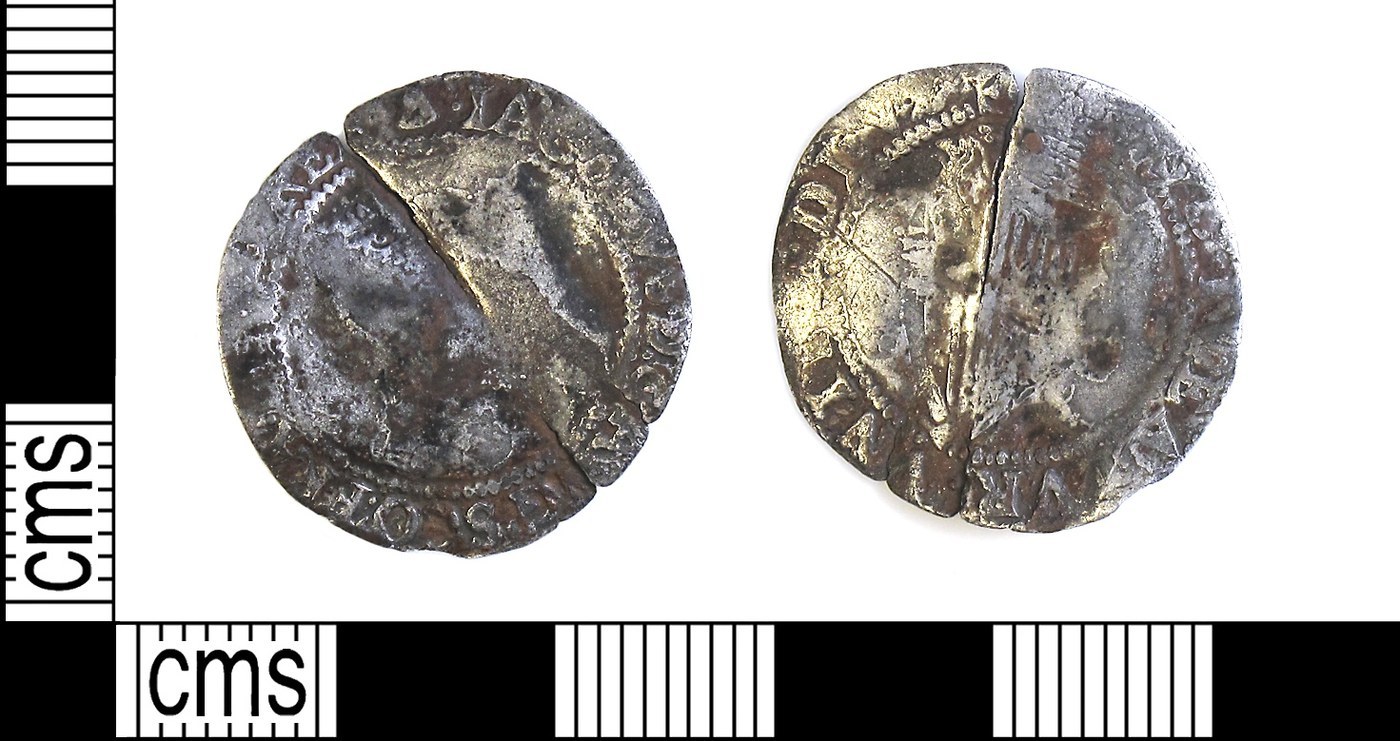
Sixpence of James I
A hammered silver sixpence of James I of England: crowned profile bust with VI value mark, and a dated garnished shield over a cross on the reverse.
- Country
- England
- Denomination
- Sixpence
- Metal
- Silver
Got a coin like this?
Identify any coin from a photo, free.
Overview
The sixpence of James I is a hammered silver coin worth six pence, struck in England during the reign of James I (1603–1625), who was also James VI of Scotland. The obverse shows a crowned bust of the king in profile, in armour and ruff, with the Roman numeral VI marking the value behind his head. The reverse carries a garnished royal shield of arms set over a long cross, with the date shown above the shield.
Because it was struck by hand from hand-cut dies rather than by machine, each surviving sixpence is slightly irregular in shape and strike. Diameters cluster around 25–27 mm and weights around 2.7–3.0 g, though wear, clipping and the variable hammering process mean no two pieces are identical. The dated reverse makes these coins especially collectible, as the year can usually be read directly on the coin.
History & Background
James I came to the English throne in 1603, uniting the crowns of England and Scotland. His English silver was issued in three main coinages over the reign, and the sixpence appears throughout, dated on the reverse—a useful feature for collectors and a continuation of the dated sixpence tradition begun under Elizabeth I.
The coinage reflects the new king's ambitions: legends style him king of "Great Britain" (MAG BRIT), and the reverse motto commonly reads QVAE DEVS CONIVNXIT NEMO SEPARET—"What God hath joined together, let no man put asunder"—a reference to the union of the two kingdoms. Over the reign the royal arms and titles were adjusted, and the fineness and weight of the silver were trimmed, so bust styles, shields and legends vary between the earlier and later issues.
All of these sixpences were produced at the Tower Mint in London by the hammered method that had served England for centuries. They circulated as everyday silver small change until milled (machine-struck) coinage gradually replaced hand-struck money later in the 17th century, making surviving Jacobean sixpences relics of the old hand-era mint.
How to Identify
Look first at the obverse: a crowned bust of James I facing (typically) right, shown in armour with a ruff, encircled by a Latin legend naming him king of Great Britain, France and Ireland. The key diagnostic is the Roman numeral VI behind the head, which marks the coin as a sixpence rather than a shilling or smaller denomination.
Turn to the reverse to confirm the date and denomination context. A garnished (decoratively bordered) shield of the royal arms sits over a long cross, with a four-figure date above the shield—usually somewhere between 1603 and 1625. A small symbol (the initial or privy mark) sits at the start of the legends; on hammered coins this mark, not a mint letter, indicates roughly when the coin was struck.
The coin is silver, hand-struck, and therefore slightly uneven in outline, with detail that may be off-centre or partly flat where the hammer blow was light. Confirm the identification by the combination of the crowned bust, the VI value mark, the garnished shield-over-cross reverse and a readable date, rather than by any single feature.
Value & Collectibility
As a genuine hammered silver coin roughly four centuries old, a James I sixpence carries collector value well above its six-pence face. Condition is the dominant factor: heavily worn, clipped or damaged examples are modest, while sharply struck coins with a full round flan, clear date and good portrait command a substantial premium.
Much also depends on the specific coinage, bust type, date and initial mark—scarcer combinations are worth more than common ones. Because prices move with the market and with grade, treat any single valuation with caution and compare a given coin against recent dealer listings and auction results for the same type and condition.
Problems that hurt value on hammered silver include clipping, edge chips, bending, piercing (for use as jewellery), and harsh cleaning that leaves the surfaces bright and unnatural. Original, evenly toned surfaces and an unmolested flan are prized.
Frequently asked questions
How can I tell a James I sixpence from a shilling?
Check the value mark behind the king's head: a sixpence shows the Roman numeral VI, while a shilling shows XII. The sixpence is also smaller and lighter than the shilling.
Is a James I sixpence made of real silver?
Yes. These sixpences were struck in sterling-standard silver at the Tower Mint, though the exact weight and fineness were trimmed slightly over the reign.
Why is my James I sixpence not perfectly round?
It was hammered by hand from hand-cut dies, not machine-struck, so an irregular outline and slightly uneven strike are normal and expected for genuine coins of this era.
Can I read the date on a James I sixpence?
Usually yes. The four-figure date appears above the shield on the reverse. On worn or weakly struck coins it can be faint, but the sixpence being dated is one of its most collectible features.
What does the reverse motto mean?
The common reverse legend QVAE DEVS CONIVNXIT NEMO SEPARET means "What God hath joined together, let no man put asunder," alluding to James's union of the English and Scottish crowns.
Sixpence of James I guides
In-depth guides for identifying, valuing, and collecting Sixpence of James I.
Other coins you may enjoy
English Sixpence
Early 1600s (James I, 1603-1625)
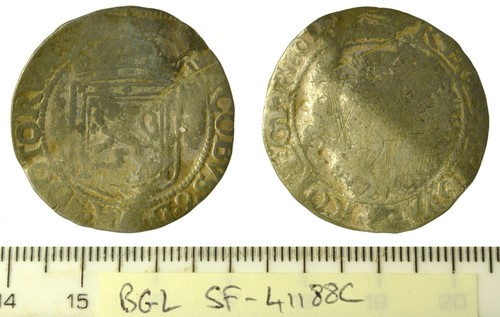
Thistle Merk
1567–1625
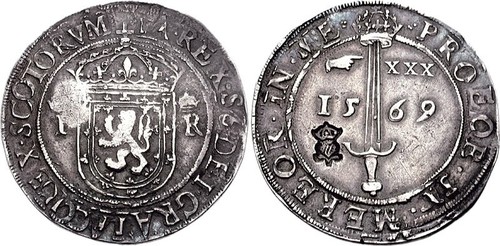
James VI Ryal
1567–1571
Quarter Merk
c. 1580–1691
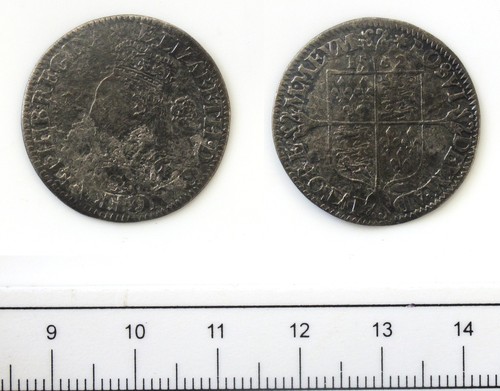
Sixpence of Elizabeth I
1560–1603
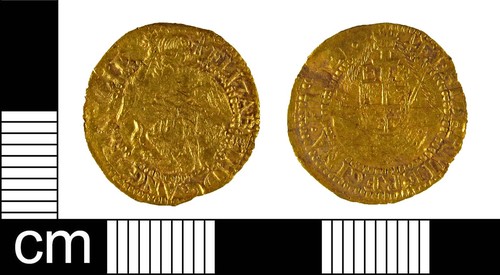
Quarter Angel of Elizabeth I
1581-1583
Laurel
1619-1625
Mary I Groat
1553-1558
Medieval Coin
c. 500–1500 (Medieval)
Half Thistle Merk
1567-1625
Irish Pistole
1640s (17th century)
Scottish Coin (Uncertain)
1625-1649