
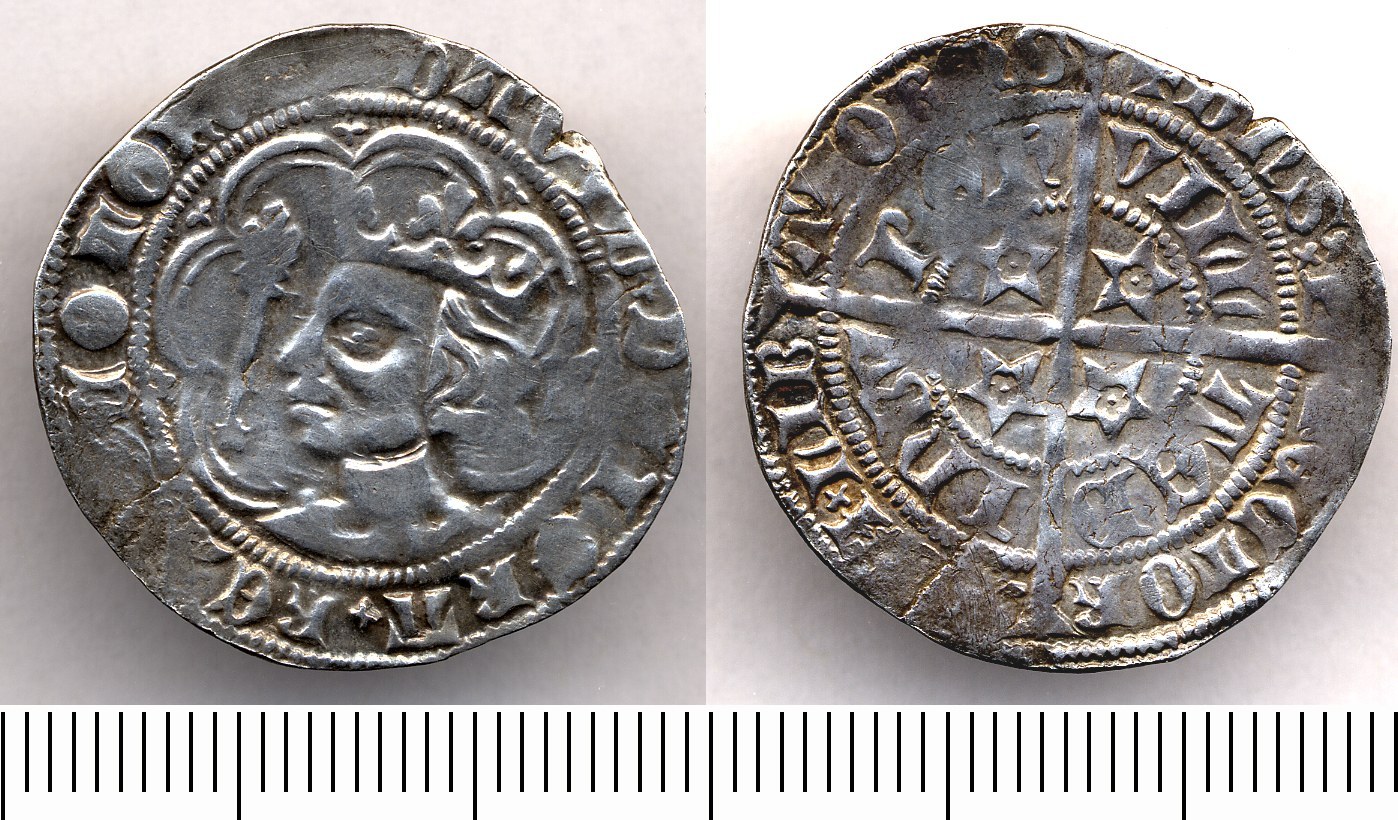
David II Groat
A hammered silver groat of David II of Scotland, showing his crowned portrait on the obverse and a Scottish shield with long-cross reverse.
- Country
- Scotland
- Denomination
- Groat
- Metal
- Silver
Got a coin like this?
Identify any coin from a photo, free.
Overview
The David II Groat is a hammered silver coin struck in Scotland during the reign of David II (1329–1371). Valued at four pence, the groat was one of the larger silver denominations of the day and represents the introduction of this denomination to the Scottish coinage under David II.
The coin shows a crowned portrait of the king on the obverse and a heraldic reverse combining a Scottish shield with a long-cross design, each side ringed by a Latin legend. As a hand-struck coin it was made between two dies, so every surviving example has a slightly irregular flan and its own individual character.
The photographed example belongs to the 14th century, displaying David II's crowned bust facing left on the obverse and the Scottish arms with a cross motif on the reverse. It is a tangible relic of medieval Scotland and of a reign shaped by war and captivity.
History & Background
David II, son of Robert the Bruce, came to the Scottish throne as a child in 1329 and reigned, with interruptions, until 1371. His reign was dominated by conflict with England: he was defeated and captured at the Battle of Neville's Cross in 1346 and spent eleven years as a prisoner in England before his release in 1357.
It was in the years following his return that the groat was introduced to the Scottish coinage, giving the kingdom a larger silver denomination modeled on the English groat then circulating south of the border. These coins were struck by hand at Scottish mints, principally Edinburgh and Aberdeen, and carried the king's crowned portrait together with heraldic and religious devices in the Latin legends.
Because David II died in 1371 without an heir, ending the direct Bruce line, his groats mark the close of a distinct chapter in Scottish history. They were produced entirely by the hammered method, long before mechanized minting reached Scotland, and survive today as some of the earliest Scottish coins of this denomination.
How to Identify
The obverse shows a crowned bust of David II, on the photographed coin facing left, surrounded by a Latin legend naming the king. The crowned head and the hand-cut lettering are key signals that this is a medieval Scottish hammered coin rather than a later or English piece.
The reverse carries a Scottish shield of arms combined with a long-cross design, encircled by legends that typically name the issuing mint and carry a religious inscription. On the photographed coin the cross motif and heraldic shield are visible within the surrounding inscription. Reading the mint name in the reverse legend is important for attribution.
The coin is hammered silver, so expect a slightly uneven, out-of-round flan, hand-cut letters, and the soft or occasionally doubled relief of hand-struck work rather than crisp machine-made edges. The groat is one of the larger Scottish silver denominations of the reign; weight and diameter should be checked against published specifications to distinguish it from smaller pieces such as the half groat and penny.
Value & Collectibility
As a genuine hammered silver coin roughly 650 years old, the David II Groat is a collectable medieval survivor that trades well above its silver content. Value is driven by grade, strength of strike, mint, legend variety, and overall eye appeal rather than by any single fixed figure.
Worn but authentic examples typically change hands for moderate sums in the range expected for medieval Scottish hammered silver, while sharp, well-centered coins with clear portraits and legends, or scarcer mint and legend combinations, can command considerably more at specialist auction. Attractive, problem-free coins of this age are not common.
Because the type is old, hand-struck, and occasionally faked or clipped, condition and verified attribution heavily influence what a given coin realizes. Anyone valuing a specific piece should consult recent auction records for the matching mint and variety and treat any single quoted price as context rather than a guarantee.
Frequently asked questions
What was a groat worth?
The groat was valued at four pence, making it one of the larger silver denominations in circulation. It was introduced to the Scottish coinage during the reign of David II.
Who was David II?
David II was the son of Robert the Bruce and King of Scots from 1329 to 1371. His reign included capture by the English at Neville's Cross in 1346 and eleven years of captivity before his release in 1357.
Why does the coin look uneven and hand-made?
It was struck by hand between two dies, the hammered method used before mechanized minting reached Scotland. This gives each coin a slightly irregular flan and hand-cut lettering.
Where were David II groats struck?
They were produced at Scottish mints, principally Edinburgh and Aberdeen. The mint name usually appears in the reverse legend and is important for attributing a specific coin.
David II Groat guides
In-depth guides for identifying, valuing, and collecting David II Groat.
Other coins you may enjoy
English Sixpence
Early 1600s (James I, 1603-1625)
Sixpence of James I
1603-1625
Thistle Merk
1567–1625
James VI Ryal
1567–1571
Quarter Merk
c. 1580–1691
Sixpence of Elizabeth I
1560–1603
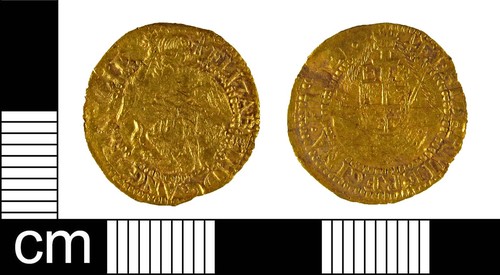
Quarter Angel of Elizabeth I
1581-1583
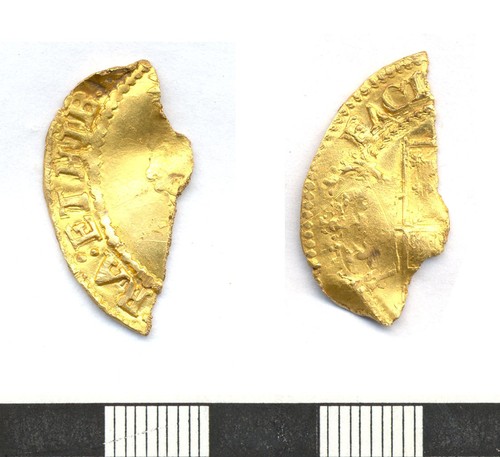
Laurel
1619-1625
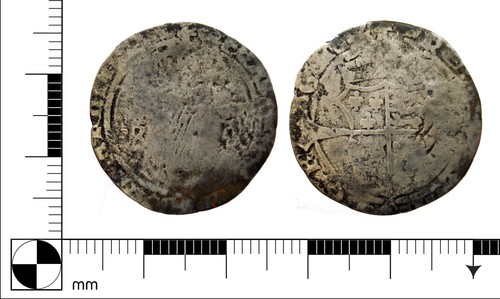
Mary I Groat
1553-1558
Medieval Coin
c. 500–1500 (Medieval)
Half Thistle Merk
1567-1625
Irish Pistole
1640s (17th century)