
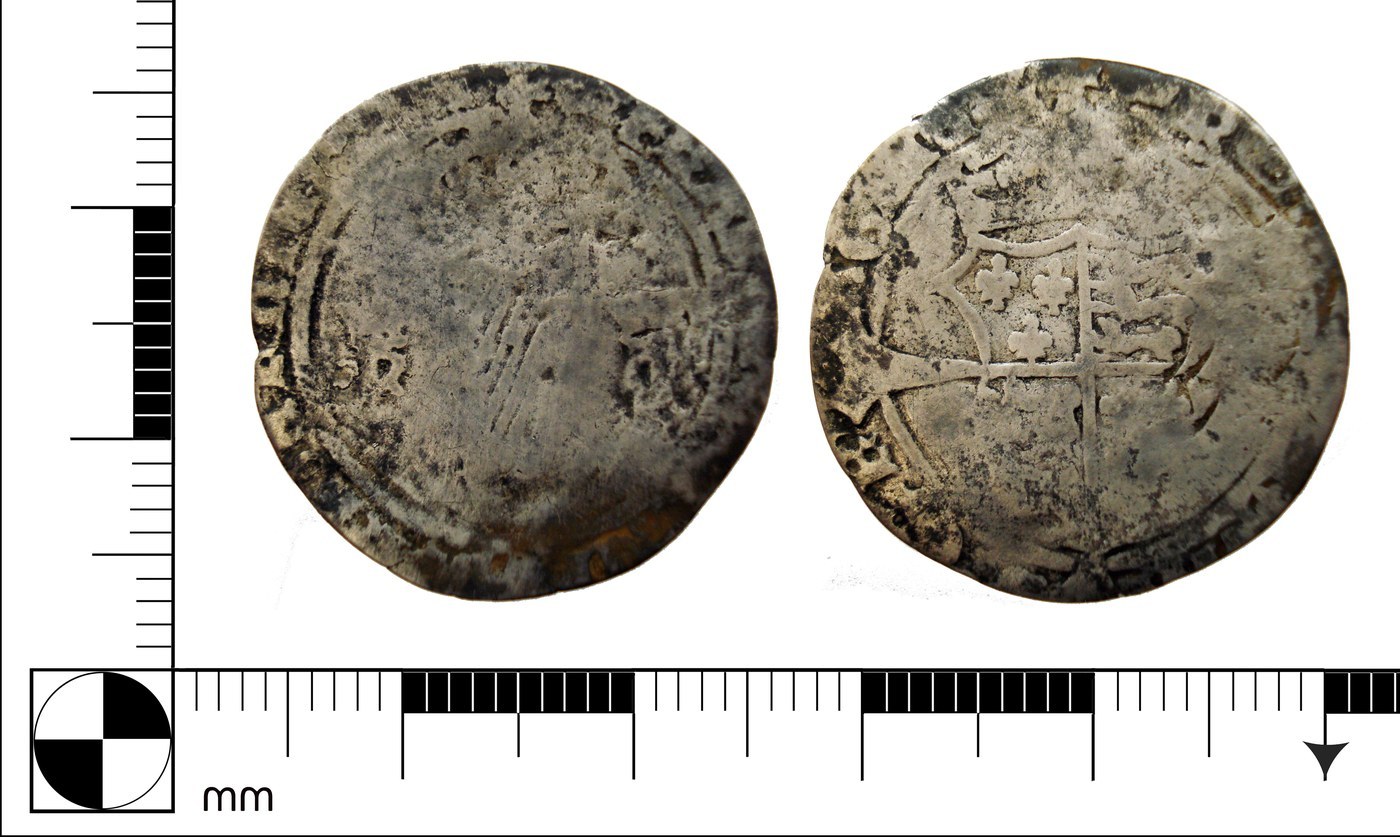
Medieval Coin
A worn hammered silver coin of the medieval era, with faded profile, legends, and a heraldic or emblematic reverse.
- Country
- Unknown
- Denomination
- Unknown
- Metal
- Silver
Got a coin like this?
Identify any coin from a photo, free.
Overview
The Medieval Coin shown here is a hammered silver piece from the broad medieval period, struck by hand rather than machine. The example is heavily circulated: the obverse shows a worn profile and partial legends, while the reverse carries a faded heraldic or emblematic design. Because the specific ruler, mint, and denomination are no longer legible, it is best cataloged as an unattributed medieval hammered coin.
Coins like this circulated across Europe and neighboring regions for roughly a thousand years. Despite the loss of fine detail, the piece remains a genuine artifact of pre-modern minting, valued for its age, its silver content, and the hand-struck character that machine coinage later replaced.
History & Background
Medieval coinage was produced by striking a heated silver blank between two hand-engraved dies with a hammer blow. This method, used from late antiquity through the end of the Middle Ages, gave each coin a slightly irregular shape and an individual, off-center strike. Silver was the dominant coinage metal, with pennies, deniers, pfennigs, and similar small denominations forming the everyday money of the era.
Profiles of rulers and religious or heraldic emblems were common design choices, surrounded by an inscribed legend naming the issuer or mint. Over centuries of handling these details soften, which is why so many surviving medieval coins are worn and difficult to attribute precisely.
Without a clear legend, mint mark, or datable design element, this coin cannot be tied to a single kingdom or year. It stands instead as a representative example of the long medieval tradition of hand-hammered silver money.
How to Identify
Look for the hallmarks of hand striking: an irregular, non-round flan, an off-center or unevenly pressed design, and slightly raised, uneven relief. The obverse here shows a worn profile with fragments of a surrounding legend; the reverse shows a heraldic or emblematic motif such as a cross, shield, or symbolic figure.
The metal is silver, often toned gray or with a dark patina from age. Diameter and weight vary by denomination but medieval silver pieces are typically small and thin. Any surviving letters, symbols, or mint marks are the key to narrowing down origin, so examine the legends under magnification even when they appear nearly gone.
Value & Collectibility
As an unattributed, heavily worn hammered silver coin, value is modest and driven mainly by age, silver content, and eye appeal rather than rarity. Common worn medieval silver pieces often trade in the low tens of dollars, while better-preserved or attributable examples can command more.
Condition, legibility, and secure attribution to a specific ruler or mint are the biggest value multipliers. A coin whose legend and design can be identified is worth substantially more than one that remains generic. Prices vary widely by region and market, so treat any single figure as context, not a fixed quote.
Frequently asked questions
How can I tell this is a medieval coin and not a modern replica?
Genuine medieval coins are hand-hammered, so they have irregular flans, off-center strikes, and uneven relief. Modern replicas are usually perfectly round and evenly struck. Weight, toning, and wear consistent with centuries of handling are also good indicators, though authentication by a specialist is recommended.
Why can't the exact country or ruler be identified?
The legends and design have worn away through long circulation. Attribution relies on readable inscriptions, mint marks, and datable design elements. When those are lost, the coin can only be cataloged generically as a medieval hammered silver piece.
Is the coin made of pure silver?
Most medieval silver coins were struck in silver of varying fineness, sometimes debased with other metals depending on the issuer and period. This piece is silver, but its exact purity cannot be confirmed from appearance alone.
Should I clean a worn medieval coin to see the design better?
No. Cleaning almost always damages the surface and reduces both historical and monetary value. Collectors strongly prefer original, uncleaned patina. Leave conservation to a professional if it is needed at all.
Medieval Coin guides
In-depth guides for identifying, valuing, and collecting Medieval Coin.
Other coins you may enjoy
English Sixpence
Early 1600s (James I, 1603-1625)
Sixpence of James I
1603-1625
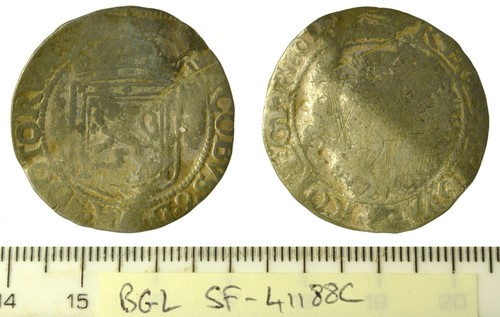
Thistle Merk
1567–1625
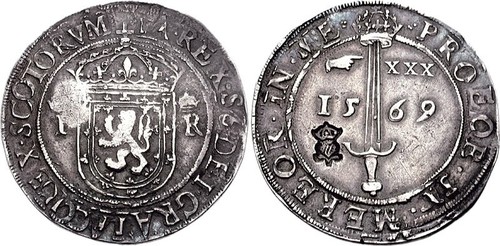
James VI Ryal
1567–1571
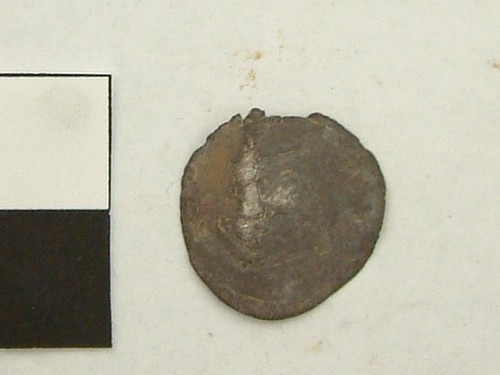
Quarter Merk
c. 1580–1691
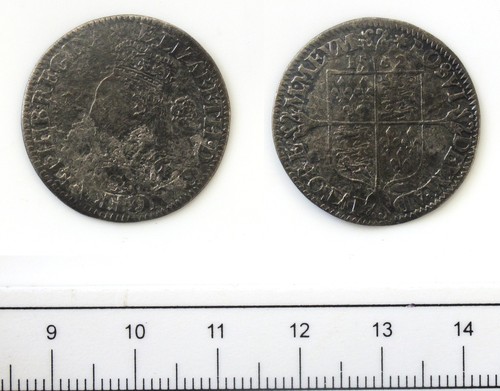
Sixpence of Elizabeth I
1560–1603
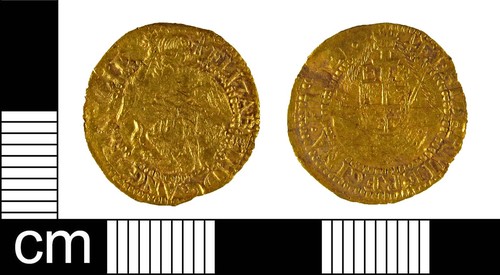
Quarter Angel of Elizabeth I
1581-1583
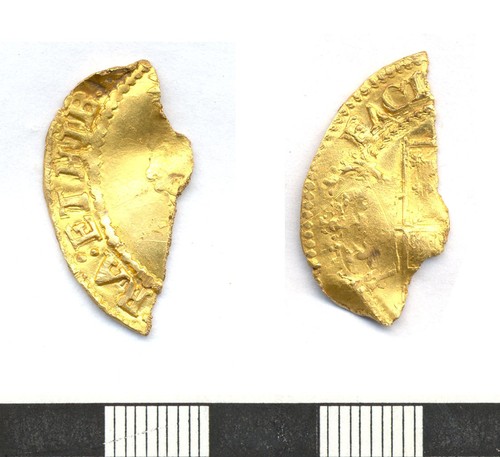
Laurel
1619-1625
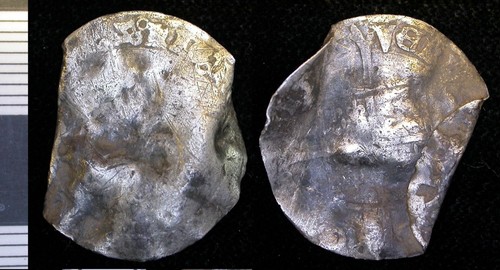
Mary I Groat
1553-1558
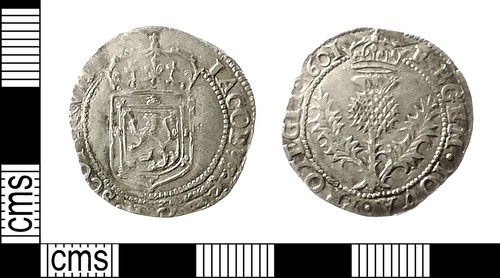
Half Thistle Merk
1567-1625
Irish Pistole
1640s (17th century)
Scottish Coin (Uncertain)
1625-1649