
How to Identify the Medieval Coin
A collector's walkthrough for spotting hand-struck medieval silver: flan shape, strike, legends, emblems, and authentication cautions.
Read the full Medieval Coin encyclopedia entry →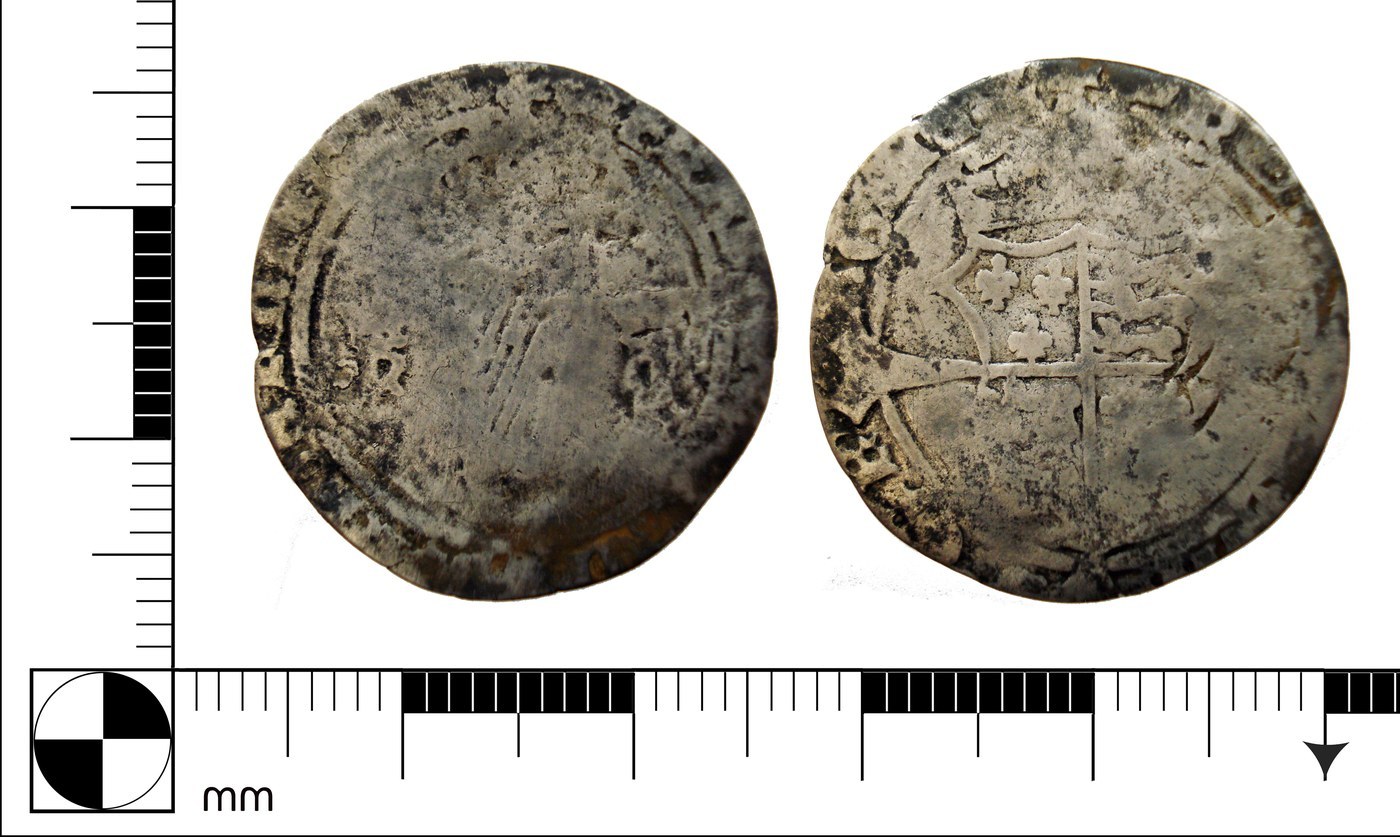
Start with the manufacturing method, because it separates medieval coinage from later machine-made money. Hammered coins are struck by hand, so expect an irregular, non-circular flan, a design that is often off-center, and relief that varies in height across the surface. If the coin is perfectly round and uniformly struck, it is likely modern.
Examine the obverse for a profile portrait and any surviving legend around the rim. Even a few letters can help point toward a ruler, region, or language. On the reverse, look for a heraldic or emblematic device — a cross, shield, monogram, or symbolic figure — which was a standard medieval design choice. Photograph both sides under raking light to bring out faint detail.
Measure the diameter and weight, and confirm the metal reads as silver (gray tone, often with dark or iridescent patina). Medieval silver denominations are usually small and thin; recording exact millimeters and grams helps when comparing against reference catalogs. Search for mint marks or small control symbols, which were sometimes placed in the field or within the legend.
Be cautious with attribution and authenticity. Worn coins are easy to misidentify, and the market includes cast copies and tourist replicas. Cast fakes show seams, bubbles, or a soft, mushy surface rather than the crisp cut lines of a struck die. When value or attribution matters, consult a specialist dealer or grading service, and never clean the coin, since cleaning destroys the original surface that experts rely on.
Frequently asked questions
What is the single most useful clue for attributing a worn medieval coin?
Any surviving legend text. Even partial letters can reveal the language, ruler, or mint, which narrows the field far more than the portrait or emblem alone.
How do I distinguish a struck coin from a cast copy?
Struck coins show sharp, cut-in detail and metal flow from the die, sometimes with tiny cracks at the edge. Cast copies often have a seam around the rim, trapped air bubbles, and soft, rounded detail.
Does an off-center or ragged edge mean the coin is damaged?
Not necessarily. Off-center strikes and irregular edges are normal for hand-hammered coinage and are expected rather than defects. Judge condition by surviving detail, not by shape.
Can I identify the coin myself or should I get help?
You can gather diagnostics — measurements, metal, visible legends and emblems — yourself, but final attribution of a worn medieval piece often needs a specialist or reference catalog to confirm.