
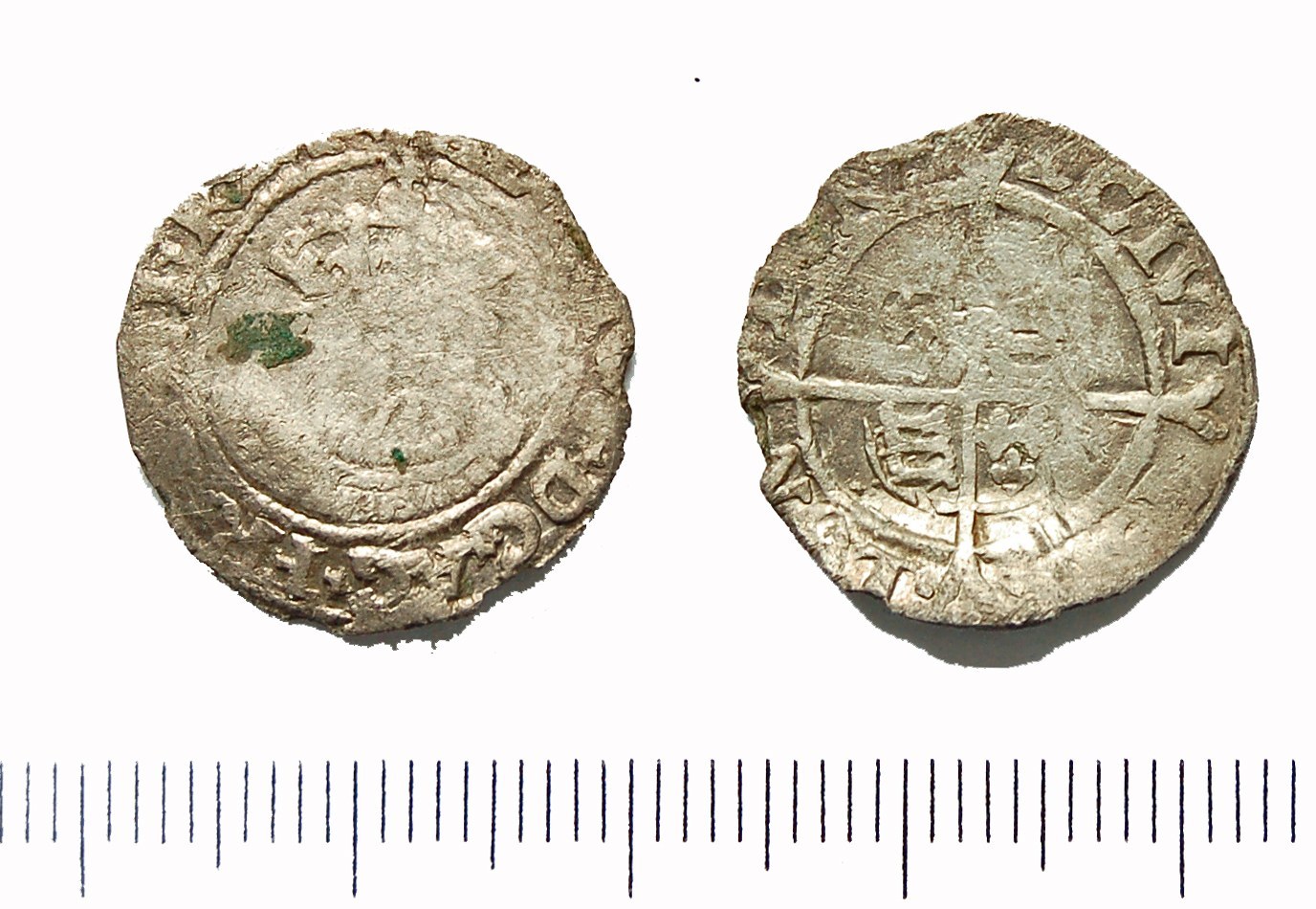
Edward VI Half Groat
Small hammered silver twopence of Edward VI (1547-1553), with a left-facing royal profile and a cross-and-shield reverse.
- Country
- England
- Denomination
- Half Groat
- Metal
- Silver
Got a coin like this?
Identify any coin from a photo, free.
Overview
The Edward VI Half Groat is a small hammered silver coin of Tudor England, worth two pence and struck during the reign of Edward VI (1547-1553), the young son of Henry VIII. The observed piece shows a royal profile facing left within an ornamental beaded border on the obverse, and a heraldic shield combined with a cross design on the reverse.
As one of the smaller everyday silver denominations, the half groat circulated widely as workhorse coinage. It was produced by hand striking (hammering) rather than by machine, so each surviving example differs slightly in centering, flan shape, and legend spacing.
History & Background
Edward VI came to the throne in 1547 at the age of nine, inheriting a coinage system still recovering from the debasement of his father's later years. His reign saw further silver debasement early on, followed by an attempt to restore finer silver in the final coinages of 1551-1553. Half groats were struck across these phases, so surviving examples can vary noticeably in silver quality and appearance.
Coins of this period were produced at several mints, including the Tower of London and provincial or ecclesiastical mints such as Canterbury and York. Because coinage was struck by hand from engraved dies, the design, lettering, and mint marks were cut individually, giving the series its characteristic variety.
How to Identify
Look first for the small module and the hand-struck, slightly irregular flan typical of hammered silver. The obverse shows a crowned royal profile facing left, surrounded by a Latin legend and a decorative beaded or ornamental border. The reverse carries a shield of the royal arms set against or over a cross design, again ringed by a legend.
The denomination is confirmed by size and weight: the half groat is smaller and lighter than the groat (fourpence) but larger than the penny. Silver color, a thin flan, and the profile-left bust together point to Edward VI rather than the facing-bust styles seen on some Tudor issues. Mint marks, small symbols placed at the start of the legend, help attribute the striking mint and phase.
Value & Collectibility
Value depends heavily on condition, mint, silver quality, and the completeness of the legend and portrait. Well-worn or clipped examples with weak strikes sit at the affordable end of the hammered-silver market, while sharp, well-centered coins with clear mint marks command a substantial premium.
As with all hammered coins, striking quality matters as much as wear: a coin can be little circulated yet weakly struck. Because Edward VI's short reign produced fewer issues than longer Tudor reigns, collector demand is steady. For a specific figure, compare recent auction results for the same mint and grade rather than relying on a single catalog price.
Frequently asked questions
What is an Edward VI Half Groat worth?
It varies widely with grade, mint, and silver quality. Worn or weakly struck examples are modest, while sharp, well-centered coins with clear legends and mint marks bring a strong premium. Check recent auction results for the same mint and condition.
How much is a half groat in old English money?
A half groat was worth two pence (2d), that is, half of a groat, which itself equaled four pence. It was one of the smaller silver denominations of the Tudor period.
Is the Edward VI Half Groat made of real silver?
Yes, it is a silver coin, though the silver fineness varied. Edward VI's reign saw both debased issues and later attempts to restore finer silver, so the metal quality can differ between examples.
Why do these coins look uneven or off-center?
They were struck by hand (hammered) from individually engraved dies onto irregular flans. Off-center strikes, uneven borders, and partial legends are normal and expected for coins of this period.
Edward VI Half Groat guides
In-depth guides for identifying, valuing, and collecting Edward VI Half Groat.
Other coins you may enjoy
English Sixpence
Early 1600s (James I, 1603-1625)
Sixpence of James I
1603-1625
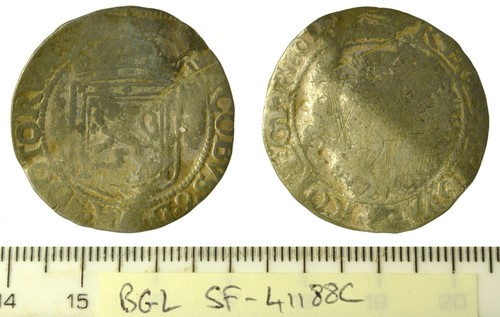
Thistle Merk
1567–1625
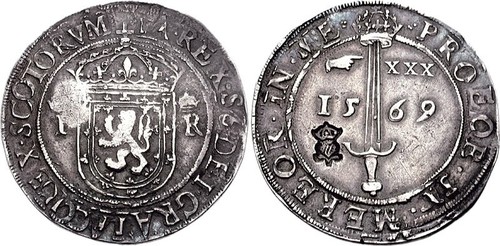
James VI Ryal
1567–1571
Quarter Merk
c. 1580–1691
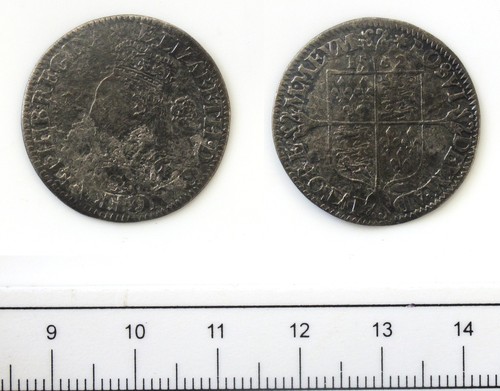
Sixpence of Elizabeth I
1560–1603
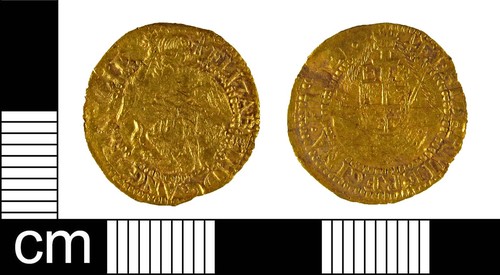
Quarter Angel of Elizabeth I
1581-1583
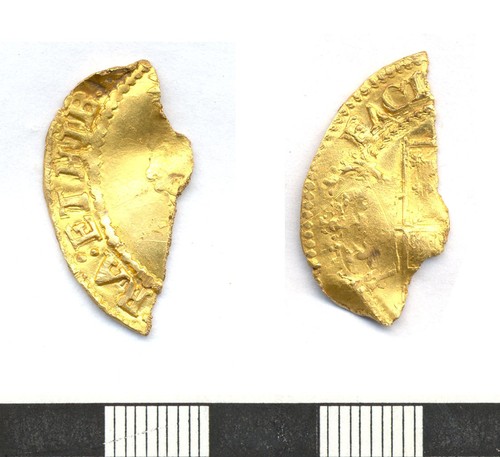
Laurel
1619-1625
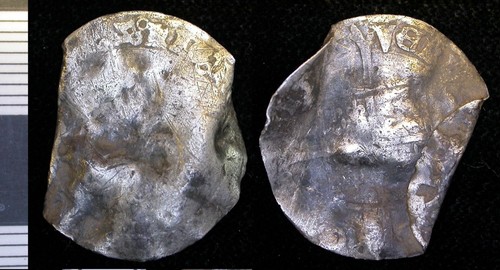
Mary I Groat
1553-1558
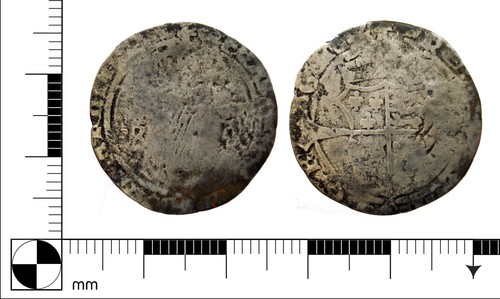
Medieval Coin
c. 500–1500 (Medieval)
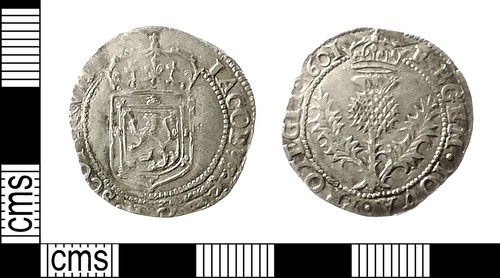
Half Thistle Merk
1567-1625
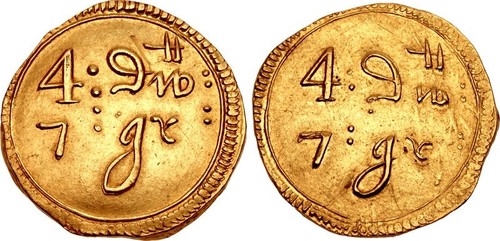
Irish Pistole
1640s (17th century)