
How to Identify the Edward VI Half Groat
A collector's checklist for attributing the small Tudor silver twopence of Edward VI by portrait, reverse, size, and mint marks.
Read the full Edward VI Half Groat encyclopedia entry →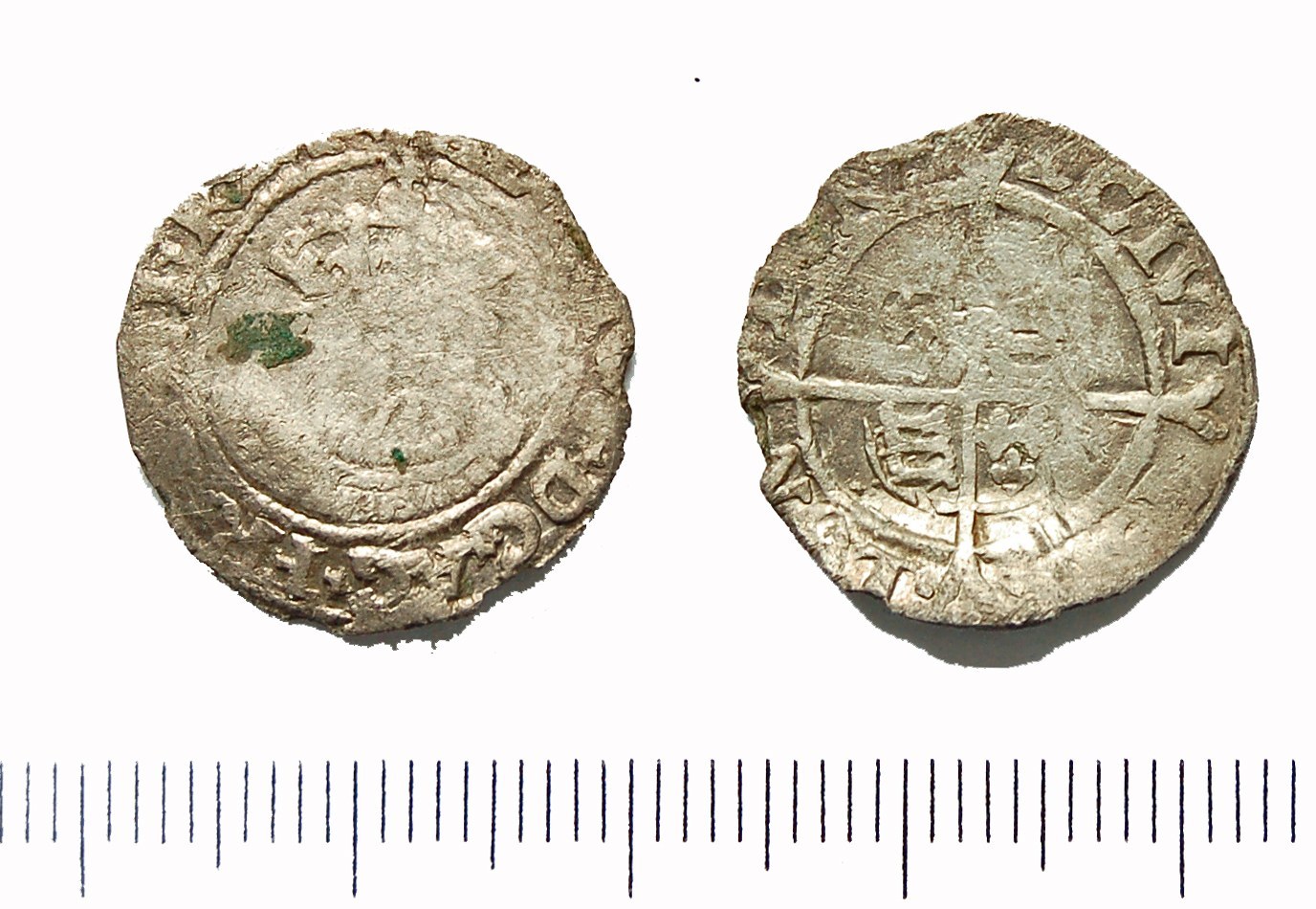
Start with size and fabric. The half groat is a small, thin hammered silver coin, larger than a penny but smaller than a groat. Expect an irregular flan, hand-cut lettering, and the slightly uneven relief that comes from striking between two hand-held dies. A perfectly round, uniform coin should raise suspicion.
Read the obverse: a crowned royal profile facing left, enclosed by a Latin legend and an ornamental beaded border. The profile-left bust distinguishes this from facing-bust portraits used on some Tudor denominations. Then check the reverse for the shield of royal arms combined with a cross. The legend around the reverse on this period's silver often carries a religious motto; matching its wording against a reference helps confirm the type and reign.
Locate the mint mark, a small symbol placed at the start of the legend. It is the key to attributing which mint struck the coin and roughly when within the reign, since Edward VI's coinage moved through debased and finer-silver phases. Note the color and feel of the metal too: debased issues can look grayer or show a coppery tone where worn, while finer issues appear whiter.
Watch for look-alikes and traps. Half groats of Henry VIII, Mary, and Elizabeth I can be confused at a glance, so verify the portrait style, legend, and mint mark rather than relying on size alone. Cast copies and tooled coins exist: genuine hammered pieces show crisp die detail and file-free edges, not the soft, grainy surfaces of a cast. When value is significant, seek attribution from a specialist in hammered English silver before buying.
Frequently asked questions
How do I tell a half groat from a groat?
Compare size and weight. The groat (fourpence) is noticeably larger and heavier; the half groat (twopence) is smaller and thinner. Both are silver, so use module and weight rather than color to separate them.
What does the mint mark tell me?
The small symbol at the start of the legend identifies the mint and helps place the coin within the reign's coinage phases. Matching it to a reference is essential for accurate attribution.
How can I spot a fake or cast copy?
Genuine hammered coins show sharp, individually cut die detail and natural edges. Cast copies tend to have soft, grainy surfaces, seam lines, or mushy lettering. For valuable examples, get a specialist opinion.