
How to Identify the Sixpence of James I
A collector's guide to recognizing a hammered silver James I sixpence by its VI value mark, dated shield reverse and initial marks.
Read the full Sixpence of James I encyclopedia entry →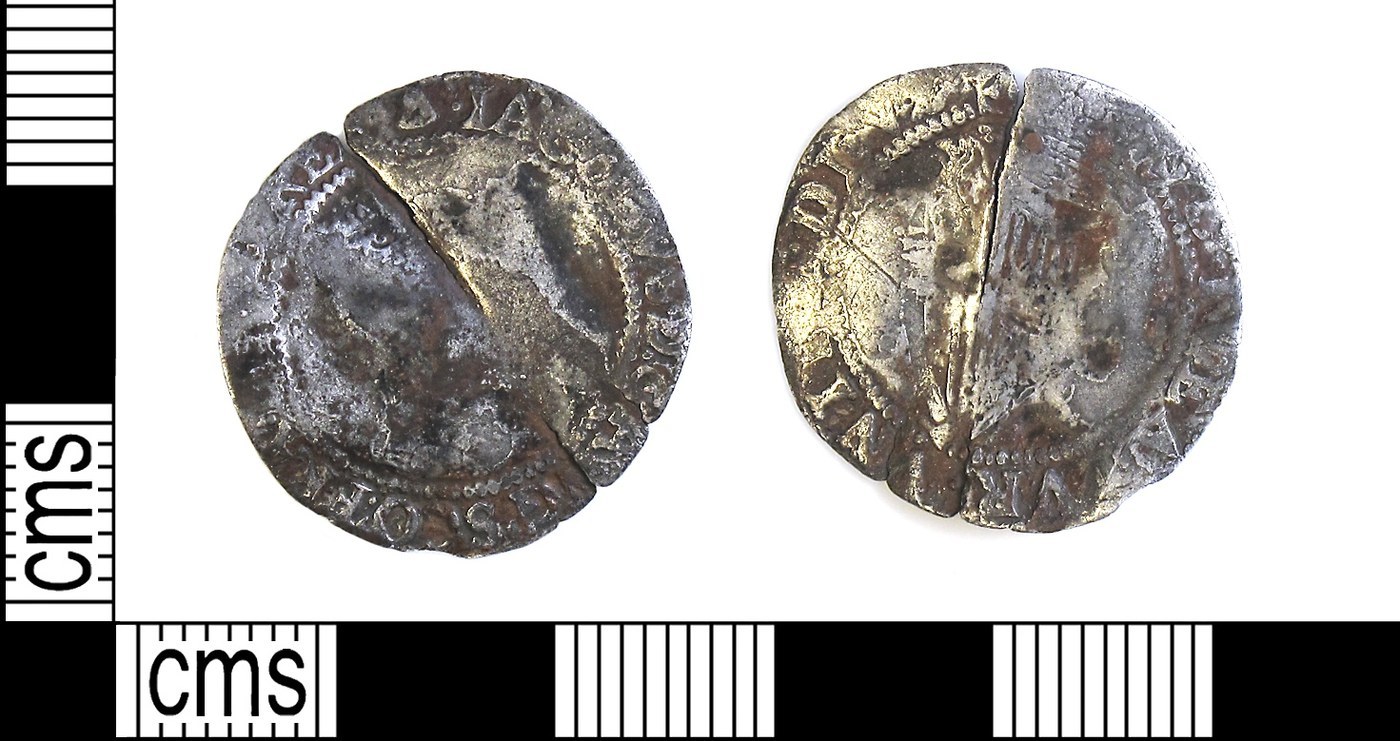
Begin with the value mark. The single most reliable diagnostic on a James I sixpence is the Roman numeral VI placed behind the king's head on the obverse. This confirms the denomination as sixpence and separates it from the shilling (marked XII) and from the unmarked smaller silver. A crowned bust in armour and ruff, facing to the side and ringed by a Latin royal legend, is the expected obverse.
Read the reverse for the date and arms. Expect a garnished shield of the royal arms over a long cross, with a four-figure date above the shield—generally in the 1603–1625 range. The date is a defining feature: Jacobean sixpences were dated, so a readable year both confirms the type and helps place the coin within the reign. A common reverse motto refers to the union of the crowns.
Use the initial (privy) mark to place the coin. At the start of the obverse and reverse legends sits a small symbol—such as a lis, rose, key, bell, or similar device. On hammered coinage this initial mark, rather than a mint letter, signals the period of striking, and cross-checking the mark against the date helps confirm a coin is a consistent, genuine pairing rather than a mismatched fake.
Cross-check size, metal and fabric. The sixpence is silver, hand-struck, roughly 25–27 mm across and around 2.7–3.0 g, with a naturally irregular outline and possible flat spots from an uneven hammer blow. Beware of coins that ring wrong for silver, show casting bubbles or seams, have suspiciously uniform "machine" roundness, or carry mushy, soft detail—these point to cast copies or later fakes. Contemporary look-alikes include the larger James I shilling (XII) and Elizabeth I sixpences (different portrait, titles and dates), so read the legend and value mark rather than relying on shape alone.
Authenticate before paying a premium. Clipping, piercing for wear as jewellery, bending, tooling and harsh cleaning are all common on hammered silver and all affect authenticity and value. Compare a candidate coin to trusted reference images of James I sixpences of the same date and initial mark, and for higher-value examples seek expert opinion or third-party certification rather than judging by the portrait alone.
Frequently asked questions
What is the quickest way to confirm a coin is a James I sixpence?
Find the Roman numeral VI behind the king's head for the denomination, confirm a crowned Jacobean bust and Latin legend on the obverse, then check the reverse for a garnished shield over a cross with a date above it.
What does the small symbol at the start of the legend mean?
It is the initial or privy mark. On hammered coins this mark indicates the period of striking; matching it consistently to the date on the reverse helps confirm a genuine, correctly paired coin.
How do I avoid confusing it with a shilling or an Elizabeth I sixpence?
The value mark settles the denomination: VI is a sixpence, XII a shilling. To separate it from an Elizabeth I sixpence, read the obverse legend and portrait and check the date, which will fall in James I's 1603–1625 reign.
Could my hammered sixpence be a fake?
It is possible. Watch for cast seams or bubbles, wrong weight or diameter, non-silver color or ring, and unnaturally soft or uniform detail. Compare to reference images and use professional authentication for valuable pieces.