
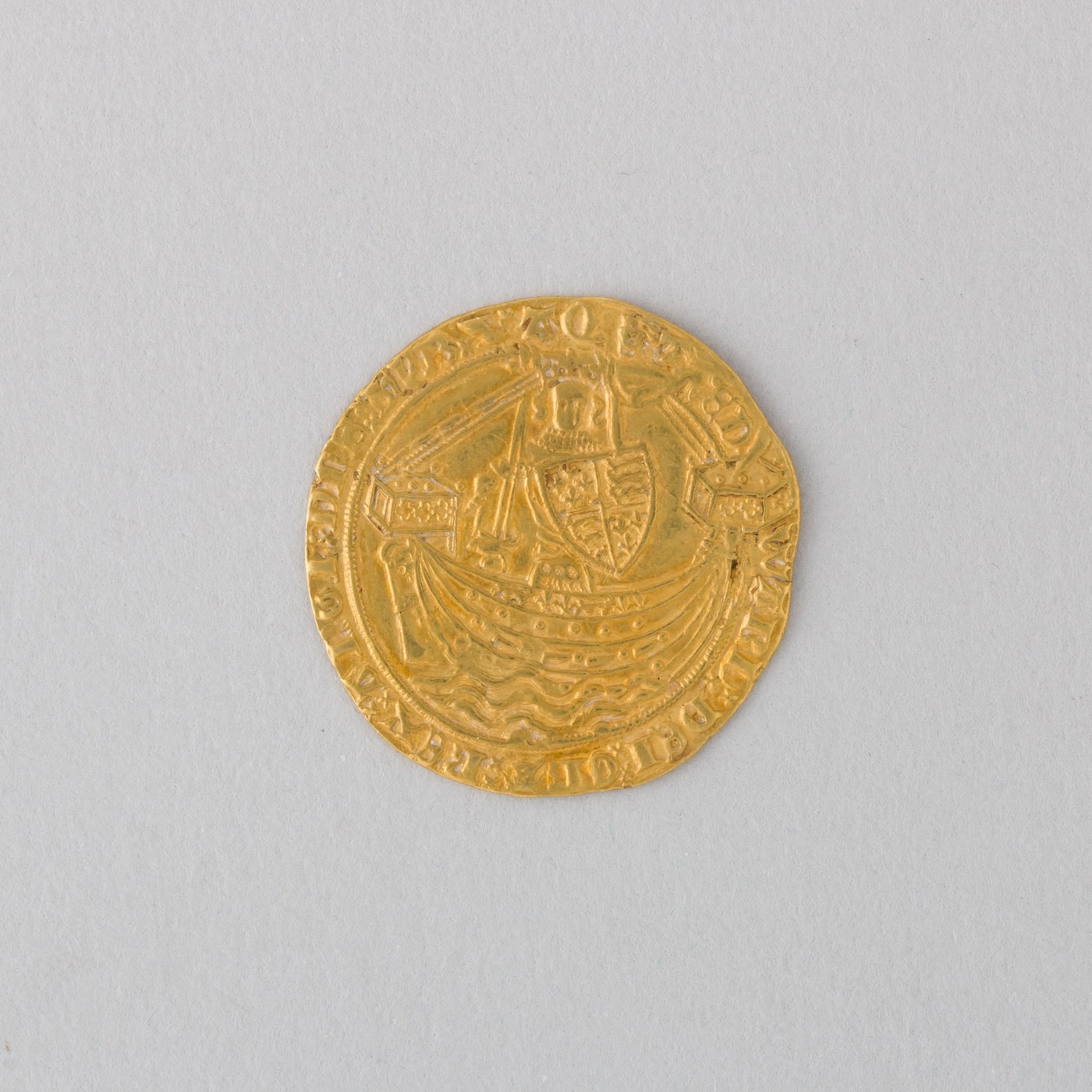
Edward III Noble
Large medieval English gold coin of King Edward III, showing the crowned king standing in a ship and an ornate floral cross on the reverse.
- Country
- England
- Denomination
- Noble
- Metal
- Gold
Got a coin like this?
Identify any coin from a photo, free.
Overview
The Edward III Noble is a large gold coin struck in medieval England during the reign of King Edward III (1327-1377). The obverse carries an elaborate heraldic design: the crowned king standing armored in a ship, holding a sword and a shield quartered with the arms of England and France, all framed by decorative bands and a Latin legend. The reverse shows an ornate cross with floral (fleur-de-lis) terminals radiating from a central rosette, set within a decorative tressure and ringed with crowns and lions.
The noble was one of the most important gold denominations of the later Middle Ages and became a foundation of English gold coinage. Its striking ship-and-cross imagery, broad flan, and high gold content make it one of the most recognizable and prized medieval English coins among collectors today.
History & Background
Edward III introduced a successful English gold coinage in the mid-14th century after earlier attempts had struggled to circulate. The noble, together with its fractions the half-noble and quarter-noble, established gold as a stable part of the English monetary system for the first time in centuries. Its design evolved across several phases of the reign, reflecting the shifting course of the Hundred Years' War with France.
The king's assumption of the French royal title is echoed in the coin's heraldry, with the shield quartering the lilies of France alongside the leopards of England. The ship on the obverse is often linked in tradition to English naval power during the war, though its precise symbolism is debated. Nobles were struck at the London mint and, at times, at Calais, and they circulated widely in England and across trading networks in northwestern Europe.
How to Identify
Look for a large, thin gold coin with a scene of a crowned king standing facing forward in a ship, holding an upright sword in one hand and a heraldic shield in the other, surrounded by a Latin legend and decorative borders. This ship-and-king obverse is the defining feature of the noble and its fractions.
The reverse shows an ornate cross with fleur-de-lis (floral) ends spreading from a central ornament, enclosed in a tressure of arcs and accented with small crowns and lions in the angles. Genuine nobles are struck in high-purity gold, are broad but light for their size, and carry legends in medieval Latin. Mint marks, letter forms, and the exact arrangement of the shield and legends help place a coin within Edward III's issues; the closely related half-noble and quarter-noble repeat the same imagery at smaller size and lower weight.
Value & Collectibility
The Edward III Noble is a sought-after medieval gold coin, and genuine examples command substantial sums well above their bullion value because of their historical importance, hand-struck artistry, and collector demand. Value depends heavily on the specific issue phase, mint, strike quality, centering, and overall condition, so prices span a wide range from more affordable worn pieces to very high sums for sharp, well-preserved examples.
Because nobles are valuable and old, they have been widely faked and reproduced, and even genuine coins vary in eye appeal, so authentication and grade have a major effect on price. The smaller half-noble and quarter-noble typically sell for less than the full noble. Treat any single figure as approximate and verify against recent auction records and expert opinion before buying or selling.
Frequently asked questions
What is shown on the Edward III Noble?
The obverse shows the crowned king standing in a ship holding a sword and a shield with the arms of England and France. The reverse shows an ornate floral cross with crowns and lions in a decorative frame.
Is the noble made of real gold?
Yes. The noble is a high-purity medieval gold coin. It is broad and thin, and its gold content was one reason it was trusted in trade across England and northwestern Europe.
Why is there a ship on the coin?
The ship is the noble's signature image and is traditionally associated with English naval power during the Hundred Years' War, though its exact intended meaning is debated by historians.
What are the smaller versions of the noble?
The half-noble and quarter-noble use the same ship-and-cross designs at smaller size and lower weight. They are worth half and a quarter of the full noble respectively.
Are Edward III nobles valuable?
Genuine nobles are valuable gold coins worth well above their metal content, with prices driven by issue, mint, strike, and condition. Because fakes exist, authentication is important.
Edward III Noble guides
In-depth guides for identifying, valuing, and collecting Edward III Noble.
Other coins you may enjoy
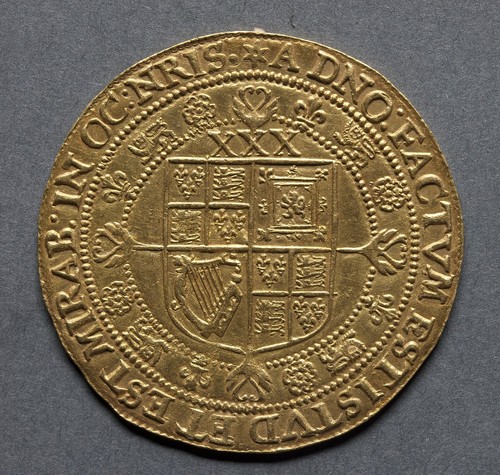
Edward IV Ryal
c. 1465-1470
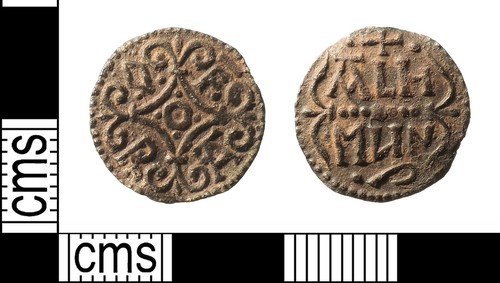
Penny of Offa
c. 757-796 (8th century)
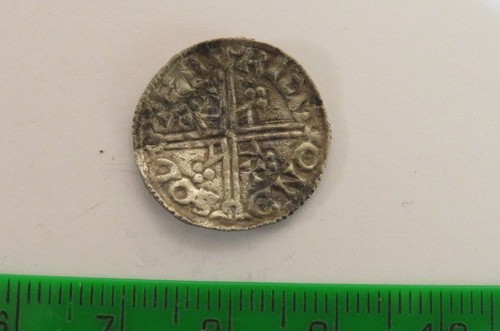
Medieval Penny
c. 8th-15th century
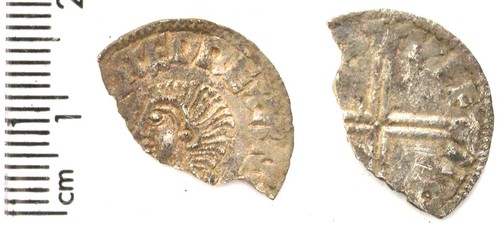
Penny of Aethelred II
978-1013
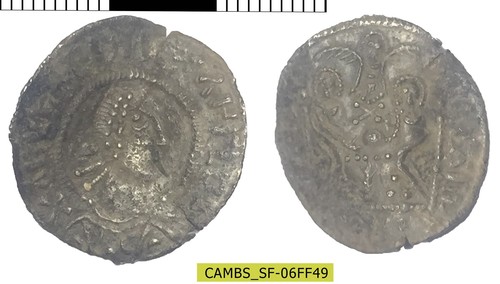
Penny of Alfred the Great
c. 871-899 (late 9th century)
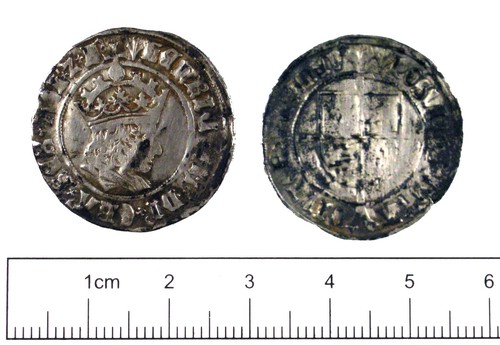
Henry VII Groat
1485-1509
Edward V Angel
1483
Edward IV Half Groat
1461-1483
Penny of Cnut
1024-1030
Henry VII Sovereign
1485-1509
Long Cross Penny
1247-1279 (13th century)
Anglo-Saxon Styca
8th-9th century