
Edward IV Groat
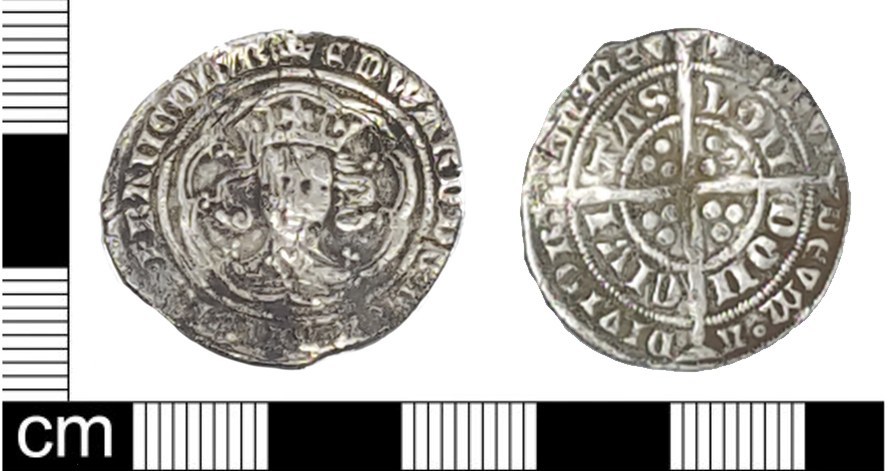
A hammered silver fourpence of King Edward IV of England, struck 1461-1483, with a crowned facing bust on one side and a long cross with rosettes on the other.
- Country
- England
- Denomination
- Groat
- Metal
- Silver
Got a coin like this?
Identify any coin from a photo, free.
Overview
The Edward IV Groat is a hammered silver coin worth four pence, struck in England during the reign of King Edward IV in the second half of the 15th century. The example shown carries a crowned facing bust of the king within a beaded circle on the obverse, surrounded by a Latin legend, and a long cross reaching to the edge on the reverse, with pellets and rosettes filling the angles and a double ring of inscription around the rim.
As the largest everyday silver denomination of the period, the groat was a substantial and widely used coin. It is thin and broad compared with the small pennies and halfpennies of the same era, and its large flan gave room for the detailed crowned portrait that makes the type recognizable. Surviving pieces are struck by hand, so each is slightly individual in centering, strength of strike, and the completeness of its legends.
History & Background
Edward IV came to the throne in 1461 during the Wars of the Roses, the dynastic conflict between the houses of York and Lancaster, and he ruled in two phases separated by a brief restoration of Henry VI. His coinage reforms were significant: early in the reign the weight of the silver groat was reduced, which helped stabilize the currency and align English coins more closely with the value of bullion. This makes the groats of his reign an important marker in the history of English money.
Groats of Edward IV were struck at several mints. The Tower of London was the principal one, but issues also came from provincial and ecclesiastical mints at places such as York, Canterbury, and Bristol, and briefly Coventry and Norwich. The coins are conventionally divided into a first reign and a second reign, distinguished by changes in the king's name and title in the legend and by the mint marks used, and specialists use these features together with the mint to place each coin within the reign.
How to Identify
Look for a broad, thin hammered silver coin, larger than a penny, bearing a crowned bust of the king facing forward inside a circle of beads. The surrounding Latin legend gives the king's name and titles, opening with a small symbol known as a mint mark or initial mark that helps date the issue. The bust is stylized rather than a true portrait, with the crown and shoulders filling the central field.
Turn the coin over and you should see a long cross whose arms extend to the edge of the coin, dividing the field into quarters. Each quarter is filled with a cluster of pellets, and on the type shown small rosettes appear among the design. Two concentric legends run around the reverse: an inner one and an outer one, which together typically name the mint and repeat a pious or protective inscription. Because the coins were struck by hand, expect some legends to be weak, off-center, or only partly legible, and the flan is often slightly irregular in shape.
Value & Collectibility
Edward IV groats are collectable and reasonably available, since the groat was a heavily produced denomination, but they carry more value than the smaller silver pennies and are firmly a mid-range medieval coin. Ordinary examples with honest wear, a clear crowned bust, and readable portions of legend sit in the accessible part of the market, while sharply struck coins with full legends, good centering, and attractive old toning command higher prices.
Mint, mint mark, and the reign phase strongly affect value, as certain mints and marks are scarcer than others and are sought by specialists building a series. Condition matters greatly for a hammered coin: strength of strike, completeness of the crown and cross, and freedom from clipping, bending, or corrosion all move the price. As with any medieval silver, provenance and confidence in authenticity add to what collectors will pay.
Frequently asked questions
What is a groat worth in old money?
A groat was worth four pence, making it the largest ordinary silver denomination in circulation during Edward IV's reign and a significant coin for everyday transactions.
Why does the king face forward instead of in profile?
English groats of this period used a stylized crowned facing bust as a standard design. It is a conventional royal image rather than a lifelike portrait, and it appears on groats of several 15th-century kings.
What are the rosettes and pellets on the reverse?
The reverse shows a long cross dividing the field into quarters, each filled with a cluster of pellets. The rosettes and other small marks are part of the decorative and identifying design that helps distinguish issues.
How can I tell which mint struck my groat?
The inner reverse legend usually names the mint, such as London, York, Canterbury, or Bristol, and the initial mark in the legends helps narrow the date. Reading these together is how the coin is attributed.
Are Edward IV groats rare?
They are collectable rather than rare, as the denomination was produced in quantity, but well-struck examples with full legends and scarcer mints or marks are much harder to find and more valuable.
Edward IV Groat guides
In-depth guides for identifying, valuing, and collecting Edward IV Groat.
Other coins you may enjoy
Edward IV Ryal
c. 1465-1470
Penny of Offa
c. 757-796 (8th century)
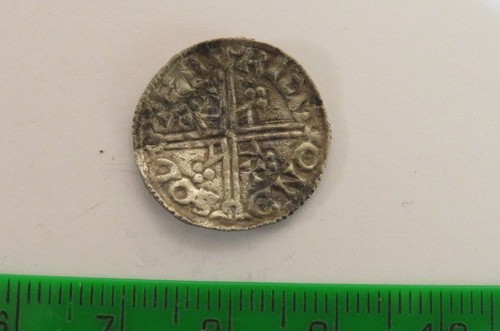
Medieval Penny
c. 8th-15th century
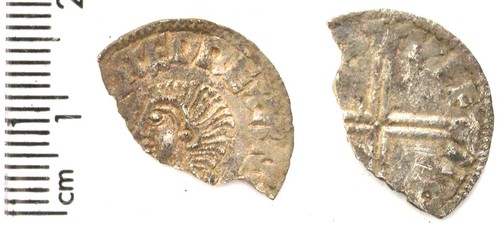
Penny of Aethelred II
978-1013
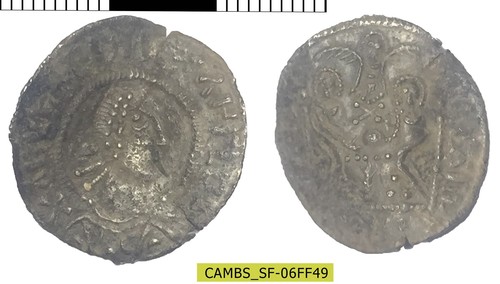
Penny of Alfred the Great
c. 871-899 (late 9th century)
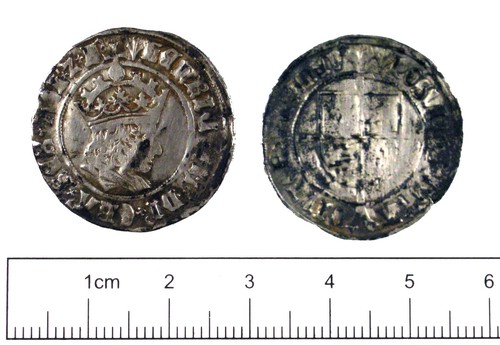
Henry VII Groat
1485-1509
Edward V Angel
1483
Edward IV Half Groat
1461-1483
Penny of Cnut
1024-1030
Henry VII Sovereign
1485-1509
Long Cross Penny
1247-1279 (13th century)
Anglo-Saxon Styca
8th-9th century