
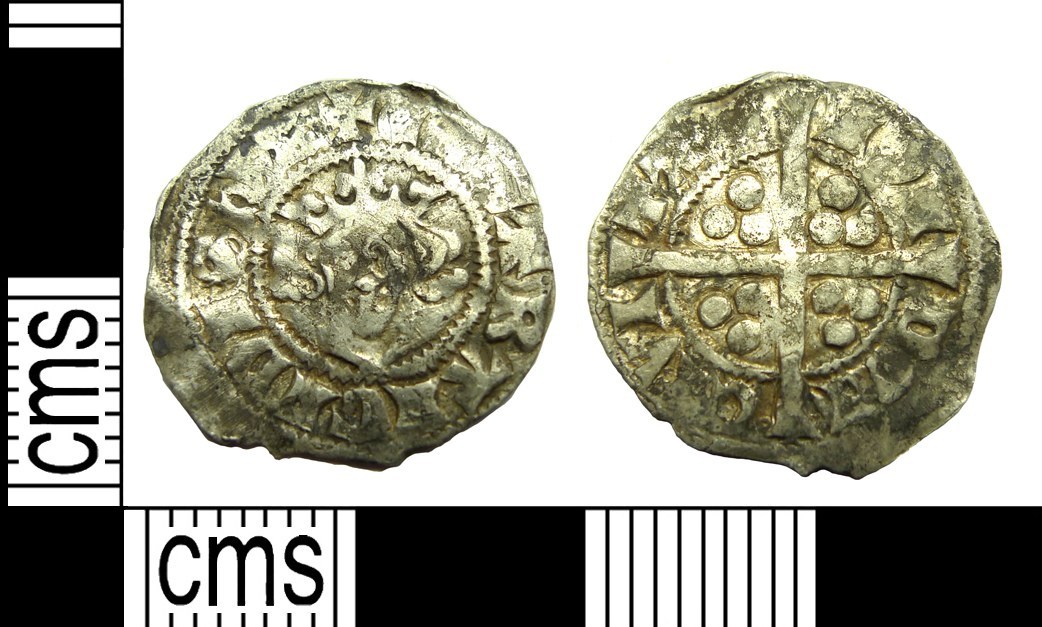
Edward I Penny
Hammered silver penny of Edward I, showing a crowned facing bust on the obverse and a long voided cross with pellets in the quadrants on the reverse.
- Country
- England
- Denomination
- Penny
- Metal
- Silver
Got a coin like this?
Identify any coin from a photo, free.
Overview
The Edward I penny is a hammered silver coin struck in England during the reign of King Edward I (1272-1307). The example shown here follows the standard pattern of the type: a crowned head facing forward with an elaborate medieval crown on the obverse, paired with a long cross that reaches to the edge of the coin with three pellets set in each of the four quadrants on the reverse.
This penny was the backbone of English currency and the coin most people actually handled in daily life. Its long-cross reverse was a deliberate anti-fraud device, letting people cut and check coins along the arms of the cross, and its consistent design and silver standard made the English sterling penny widely trusted at home and across much of Europe.
History & Background
Edward I came to the throne in 1272, and in 1279 he carried out a major recoinage that reformed England's silver money. This "new coinage" replaced the older long-cross pennies of his father, Henry III, with a tightened, more standardized design and stricter controls on production, aiming to restore confidence in a currency that had suffered from clipping and worn, uneven earlier issues.
The penny was the principal denomination of the period, struck in large numbers at the Tower of London mint and at a network of other mints and ecclesiastical mint towns across England, with additional related issues produced in the wider British Isles. The reformed penny also introduced the round halfpenny and farthing as separate coins rather than relying only on cut fractions. Edward's design proved so durable and respected that it was continued with little change under his son Edward II and grandson Edward III, and English pennies of this era circulated widely on the Continent as "sterlings."
How to Identify
Look for a small, thin, hand-struck silver coin, roughly 18-20 mm across and light in weight, with a crowned facing portrait on the obverse. The king is shown as a stylized front-facing head wearing an elaborate crown, surrounded by a Latin legend that names Edward as king; the lettering runs around the rim and often includes abbreviated titles rather than a full name.
The reverse is the strongest single clue: a long voided cross whose arms extend all the way to the edge of the coin, dividing the field into four quarters, each filled with a group of three pellets. A legend around the reverse names the mint town and moneyer or place of striking. Because these coins were struck by hand, expect slightly irregular round flans, off-center strikes, and variation in how boldly the crown, face, and lettering appear.
Value & Collectibility
Edward I pennies are among the more accessible medieval English silver coins because they were produced in very large quantities and many survive today. Well-worn but identifiable examples are commonly available at modest prices, while sharply struck, well-centered coins with a clear crown, full legends, and good metal command higher premiums.
Value depends heavily on condition, the completeness and legibility of the mint and legend, the specific mint and class, and overall eye appeal. Coins from scarcer mints, unusual varieties, or in exceptional state can be worth substantially more than ordinary London examples. Because prices vary widely, treat any figure as approximate and compare against recent sales of similar coins, ideally with confirmation from a specialist dealer or reference.
Frequently asked questions
What is an Edward I penny?
It is a hammered silver penny struck in England during the reign of Edward I (1272-1307). It shows a crowned facing bust on one side and a long cross with pellets in the quarters on the other, and it was the main everyday coin of the period.
Why is there a long cross on the reverse?
The long cross reaches to the edge of the coin so people could verify a coin was full and unclipped, and originally to guide the cutting of pennies into halves and quarters for small change. It was both a design and an anti-fraud feature.
Is the coin made of real silver?
Yes. Edward I pennies were struck in good silver as part of the trusted English sterling standard. This reliable silver content is one reason English pennies of the era circulated widely in Europe.
How can I tell which mint struck my penny?
The reverse legend names the mint town or place of striking. Reading that inscription, which often includes a recognizable town name, is the usual way to attribute the coin to a specific mint.
Are Edward I pennies rare or valuable?
Most are relatively common because huge numbers were made and many survive. Ordinary worn examples are quite affordable, while high-grade coins, scarcer mints, and unusual varieties can be worth considerably more.
Edward I Penny guides
In-depth guides for identifying, valuing, and collecting Edward I Penny.
Other coins you may enjoy
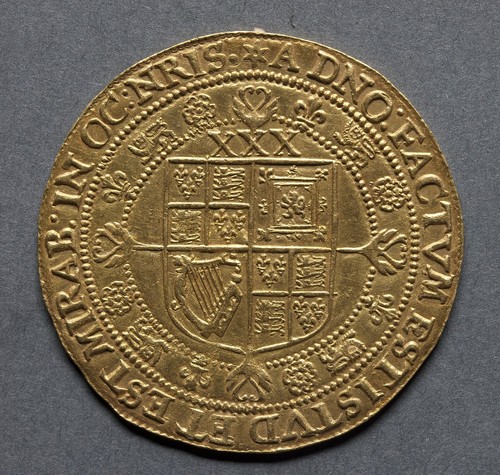
Edward IV Ryal
c. 1465-1470
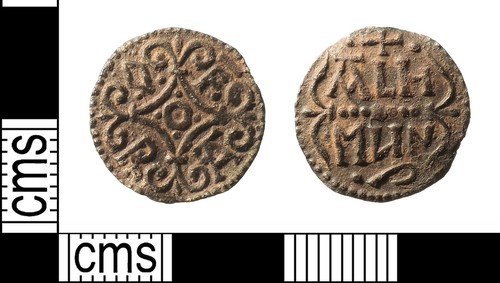
Penny of Offa
c. 757-796 (8th century)
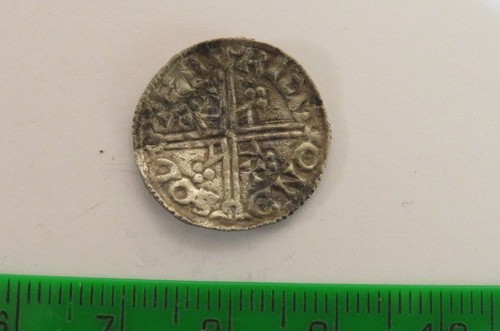
Medieval Penny
c. 8th-15th century
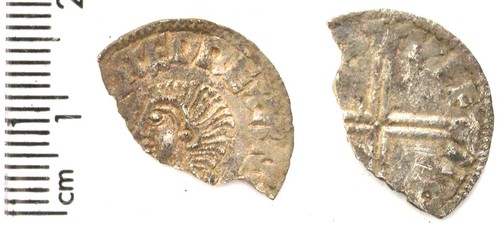
Penny of Aethelred II
978-1013
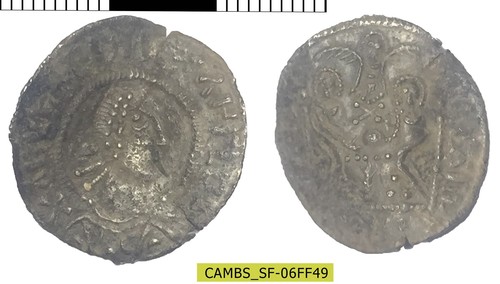
Penny of Alfred the Great
c. 871-899 (late 9th century)
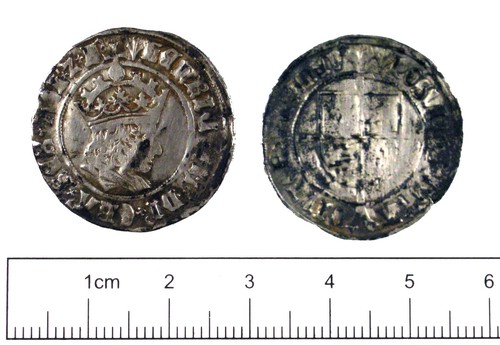
Henry VII Groat
1485-1509
Edward V Angel
1483
Edward IV Half Groat
1461-1483
Penny of Cnut
1024-1030
Henry VII Sovereign
1485-1509
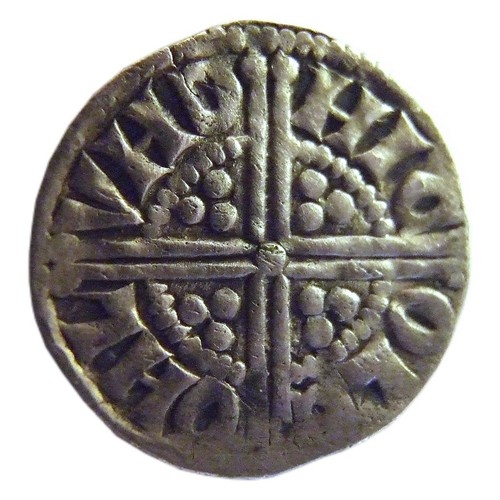
Long Cross Penny
1247-1279 (13th century)
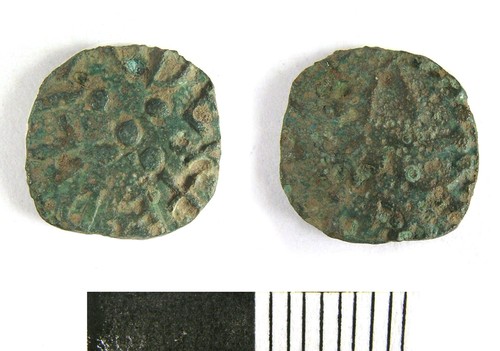
Anglo-Saxon Styca
8th-9th century