
Coin Encyclopedia
Search and identify coins from around the world — with country, denomination, metal, mint, history, and how to tell them apart.
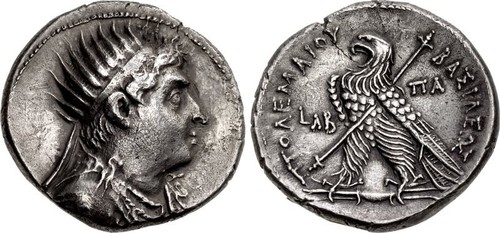
Tetradrachm of Ptolemy VIII
Silver tetradrachm of Ptolemy VIII of Egypt, c. 170-116 BC, with a diademed royal head on the obverse and an eagle on a thunderbolt reverse.
Ancient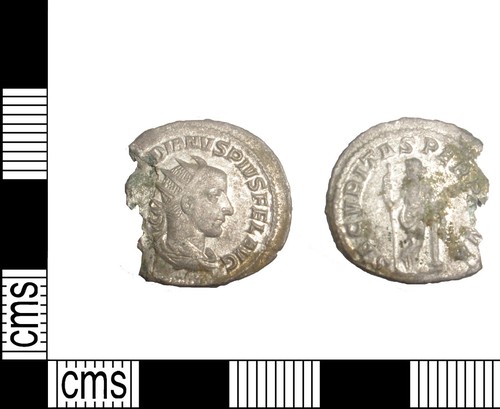
Antoninianus of Gordian III
Silver double-denarius of the young emperor Gordian III (238-244 AD), marked by his radiate crown and a standing deity on the reverse.
Ancient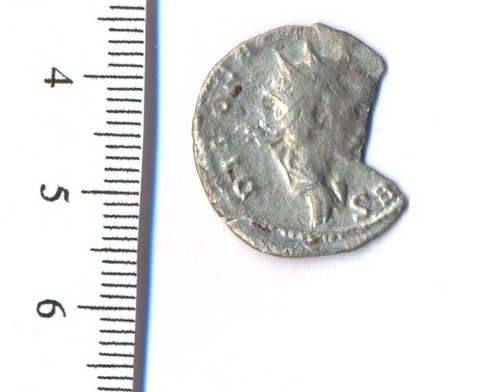
Antoninianus of Valerian II
Roman radiate coin of Valerian II, the young Caesar (c. 253-260 AD), showing his spiked crown and a standing figure on the reverse.
Ancient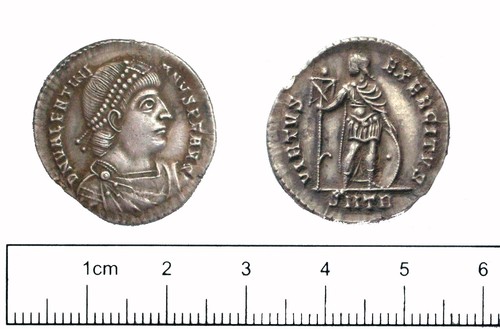
Miliarense of Valentinian I
A late Roman silver miliarensis of Valentinian I (AD 364-375), with a pearl-diademed imperial portrait and an armed standing figure holding spear and shield.
Ancient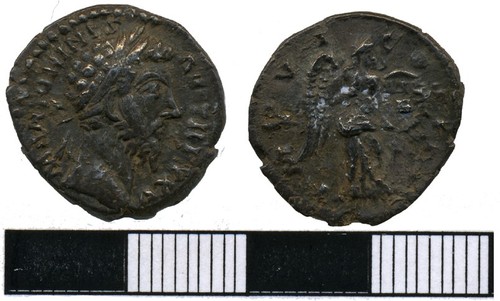
Denarius of Marcus Aurelius
Roman silver denarius of Marcus Aurelius (c. 170-171 AD): laureate bearded emperor on the obverse, a standing personification on the reverse.
Ancient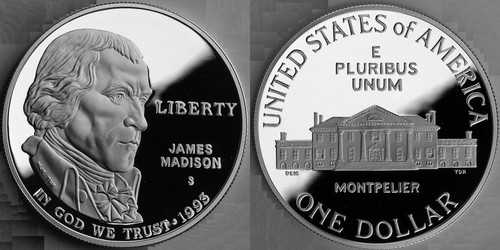
Bill of Rights Silver Dollar
A 1993 U.S. silver dollar honoring the bicentennial of the Bill of Rights, showing a Liberty figure with torch and flags and an eagle above Montpelier.
Modern Commemorative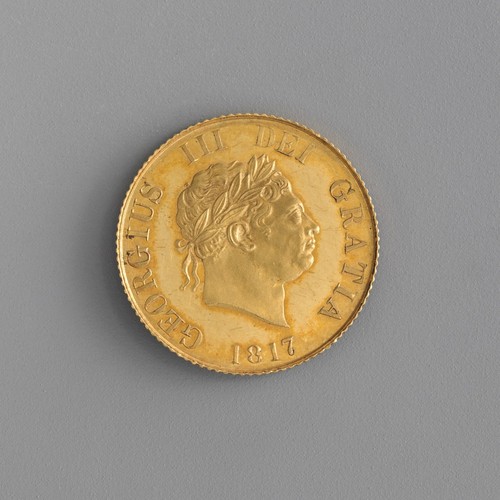
Half Sovereign of George III
British 22-carat gold half sovereign of George III, introduced in 1817 with a laureate bust and a crowned shield of arms; face value ten shillings.
Milled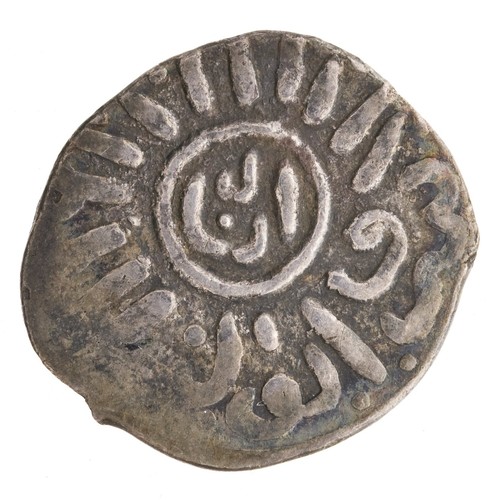
Silver Dirham of Sayf ad-Din Inal
A thin Mamluk silver dirham of Sultan al-Ashraf Sayf ad-Din Inal (r. 1453–1461), covered on both faces with Arabic inscriptions naming the sultan and his titles.
Islamic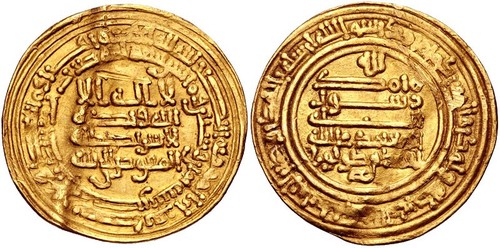
Gold Dinar of Ahmad ibn Tulun
A late-9th-century Islamic gold dinar of the Tulunid ruler Ahmad ibn Tulun, its faces filled with concentric Arabic inscriptions and dated AH 268 (881–882 CE).
Islamic (Medieval)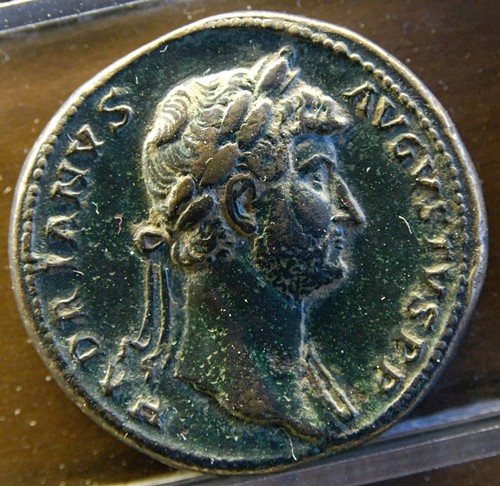
Sestertius of Hadrian
Large Roman bronze sestertius of Emperor Hadrian, showing his bearded curly-haired profile and a standing draped figure with a Latin legend on the reverse.
Ancient Coins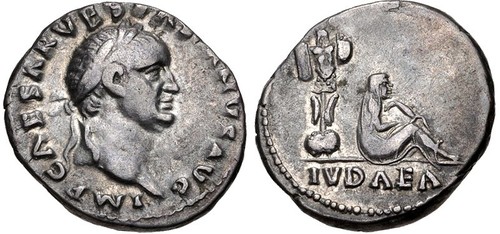
Denarius of Vespasian
Silver denarius struck under the emperor Vespasian (AD 69-79), founder of the Flavian dynasty, with his laureate portrait on the obverse.
Ancient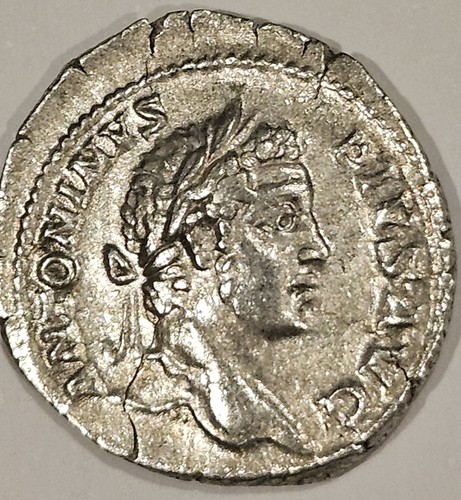
Denarius of Caracalla
A silver denarius of the Roman emperor Caracalla, struck 198–217 CE, showing his laureate right-facing bust and a Latin legend encircling the design.
Ancient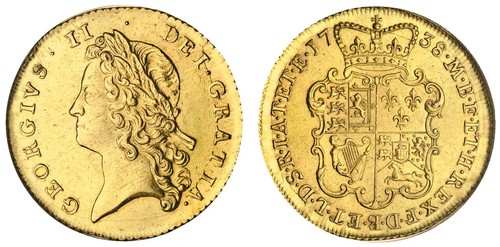
Two Guineas of George II
A large milled gold two-guinea piece of George II, with his left-facing laureate head and a crowned garnished shield of the royal arms; the pictured coin is dated 1738.
Milled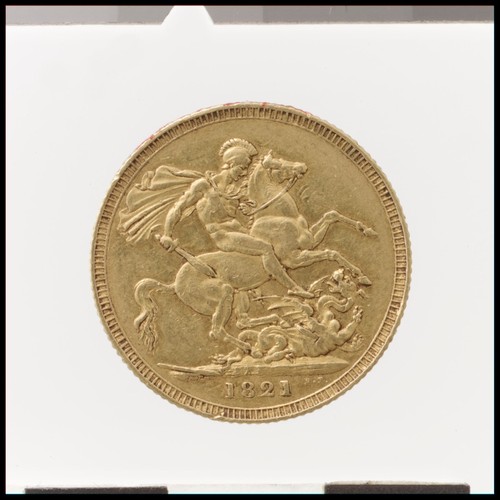
Sovereign of George IV
A milled gold sovereign of Great Britain struck under George IV, with the king's laureate head and Pistrucci's St George slaying the dragon reverse, dated 1821.
Milled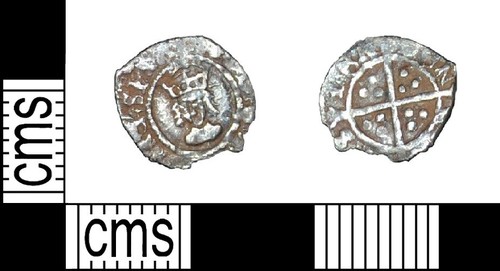
Halfpenny of Henry VIII
A tiny hand-struck Tudor silver halfpenny of Henry VIII, showing a crowned facing bust on the obverse and a long cross over a shield of arms on the reverse.
Hammered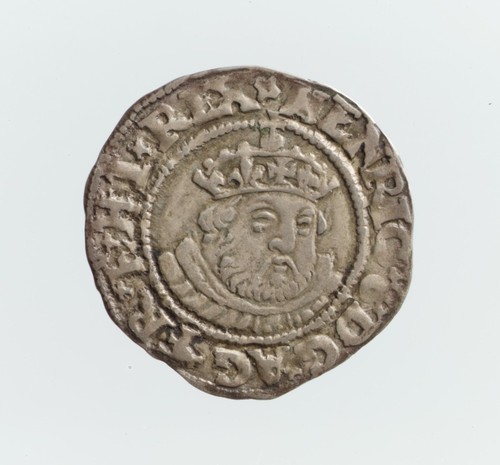
Half Groat of Henry VIII
A small hammered English silver coin worth twopence, struck across the reign of Henry VIII and bearing his crowned facing bust.
Hammered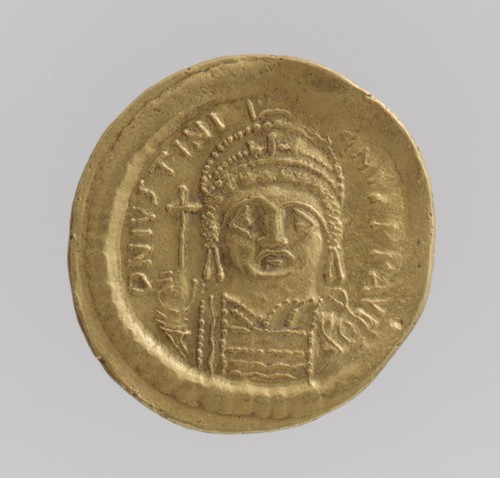
Solidus of Justinian I
Byzantine gold solidus of Emperor Justinian I (527-565 AD), showing his crowned imperial bust with a seated figure on the reverse.
Ancient Coins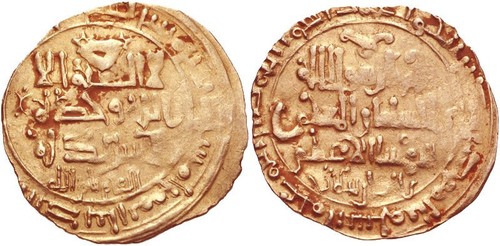
Gold Dinar of Alp Arslan
A hand-struck Islamic gold coin of the Great Seljuk sultan Alp Arslan, covered in concentric Arabic inscriptions naming the ruler and caliph, AH 455–465.
Islamic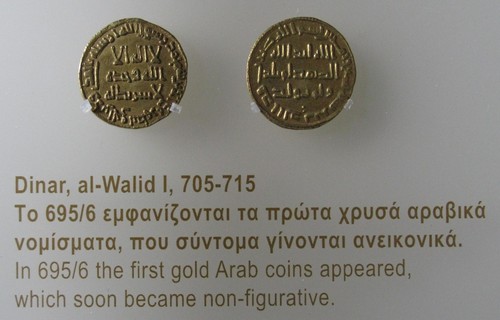
Gold Dinar of Al-Walid I
An early Islamic gold dinar struck under the Umayyad caliph al-Walid I (705-715 CE), bearing only Arabic Kufic inscriptions and no images on either face.
Islamic (Medieval)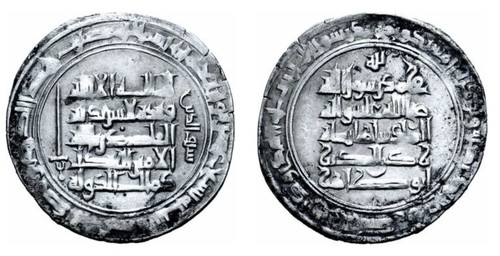
Dirham of Kamal al-Dawla Gharib
Silver dirham from 10th-century Iraq/Mesopotamia naming the ruler Gharib with the honorific Kamal al-Dawla, struck with Kufic Arabic legends.
Medieval Islamic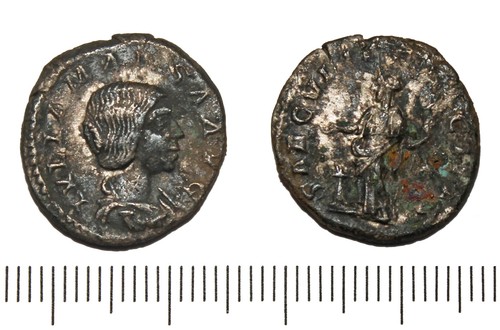
Denarius of Julia Maesa
Roman silver denarius struck for Julia Maesa (c. 218–222 CE), showing her draped bust with wavy hair and a standing deity on the reverse.
Ancient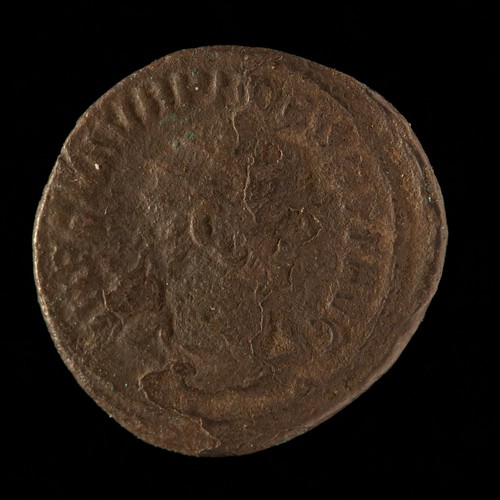
Antoninianus of Probus
Late Roman billon antoninianus of Emperor Probus (276-282 AD), identified by his radiate crown portrait on the obverse.
Ancient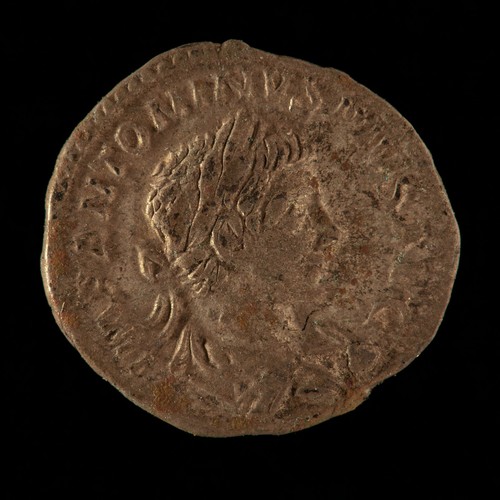
Denarius of Elagabalus
Silver denarius of the young Severan emperor Elagabalus (218–222 AD), with his laureate bust and a standing personified deity on the reverse.
Ancient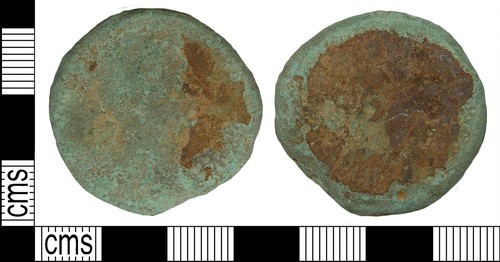
Sestertius of Commodus
A large Roman bronze sestertius of Emperor Commodus (180–192 AD), his laureate bearded head on one side and a standing figure on the other.
Ancient