
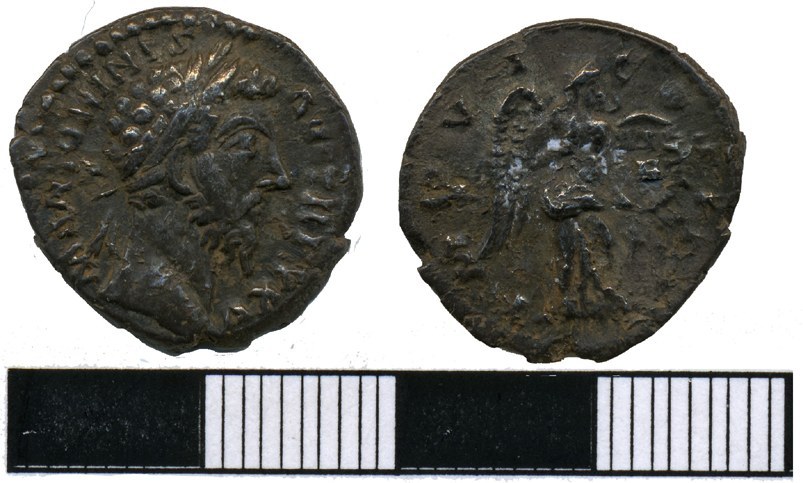
Denarius of Marcus Aurelius
Roman silver denarius of Marcus Aurelius (c. 170-171 AD): laureate bearded emperor on the obverse, a standing personification on the reverse.
- Country
- Roman Empire
- Denomination
- Denarius
- Metal
- Silver
Got a coin like this?
Identify any coin from a photo, free.
Overview
The Denarius of Marcus Aurelius shown here is a small Roman silver coin struck during the reign of the philosopher-emperor Marcus Aurelius (AD 161-180). The obverse carries his laureate, bearded bust facing right, the standard imperial portrait of the period, while the reverse shows a draped standing female figure — a personification such as Felicitas (Good Fortune) or Aequitas (Fair Dealing) — holding her usual attributes.
This was the workhorse silver denomination of the Roman economy. A denarius represented a meaningful sum — roughly a day's pay for a laborer or legionary in this era — and coins like this one circulated widely across the empire. The example here dates to about 170-171 AD, placing it in the middle of Marcus Aurelius's reign during the northern frontier wars.
History & Background
Marcus Aurelius ruled from AD 161 to 180, the last of the so-called "Five Good Emperors" and the author of the Meditations. Much of his reign was consumed by warfare — against Parthia in the east early on, and against Germanic and Sarmatian peoples along the Danube frontier in the Marcomannic Wars that dominated the 170s. A coin dated to 170-171 AD belongs to this hard-pressed middle stretch of the reign.
Imperial mints, principally at Rome, produced denarii in enormous quantity to pay soldiers and fund the state. Reverse types were changed frequently and often carried personifications of imperial virtues and blessings — Felicitas, Aequitas, Fortuna, Salus, Providentia and others — as a form of official messaging. The standing female figure on this coin's reverse fits squarely within that tradition of advertising the stability and good fortune the regime claimed to provide.
The denarius had been Rome's principal silver coin since the Republic, but by Marcus Aurelius's day its silver content had been gradually reduced from earlier standards. It remained the everyday silver unit until the debasements and reforms of the 3rd century eventually pushed it aside.
How to Identify
Begin with the portrait: a mature man with a full curled beard and short curled hair, wearing a laurel wreath, facing right. The beard is the hallmark of the Antonine emperors, and Marcus Aurelius is regularly shown this way. The surrounding Latin legend names him — look for forms such as M ANTONINVS AVG (his official name was Marcus Aurelius Antoninus) often with titles like TR P and COS III, which help pin the date.
The reverse shows a standing draped woman, typically holding attributes: Felicitas usually carries a caduceus (herald's staff) and cornucopia, while Aequitas holds a scales and cornucopia. The reverse legend and these attributes together identify the personification and are the best way to distinguish which type you have.
Physically, expect a small silver coin about 17-19 mm across and roughly 2.8-3.4 grams, hand-struck so the flan is often slightly irregular and the design sometimes off-center. Genuine ancient silver shows honest wear, old toning, and a slightly grainy or crystalline character rather than the smooth, machine-perfect look of a modern strike.
Value & Collectibility
Denarii of Marcus Aurelius are relatively common — he reigned nearly twenty years and his coinage was struck in huge numbers — so most circulated examples are accessible to ordinary collectors. Typical worn-to-decent pieces trade in the modest tens of dollars, while sharp, well-centered coins with clear portraits and full legends bring more. Rare reverse types, superb style, or high grade can push prices substantially higher.
Condition and eye appeal drive value: a bold portrait, complete legends, good centering, and attractive toning all add premium, while heavy wear, corrosion, cleaning scratches, or edge damage reduce it. The identity of the reverse type also matters, since some personifications and legend combinations are scarcer than others.
Because ancient coins are widely faked, value is closely tied to authenticity. Pieces sold by reputable dealers or accompanied by third-party authentication command more confidence and stronger prices. Always confirm current value against recent sales of the same type and grade rather than a single guide figure.
Frequently asked questions
How do I know this is Marcus Aurelius and not another Roman emperor?
Look for a bearded, laureate man facing right with a legend containing forms of his name such as M ANTONINVS AVG (Marcus Aurelius Antoninus). The full beard marks the Antonine period, and the legend confirms the specific ruler.
Who is the woman on the reverse?
She is a personification of an imperial virtue or blessing. Based on the attributes she holds, she is likely Felicitas (caduceus and cornucopia) or Aequitas (scales and cornucopia). The reverse legend names her precisely.
Is this coin made of real silver?
Yes. The denarius was Rome's standard silver coin, though by Marcus Aurelius's reign its silver content had been somewhat reduced from earlier standards. Expect a small coin of about 2.8-3.4 grams.
Are denarii of Marcus Aurelius rare?
No, they are relatively common. He reigned for nearly two decades and his silver was struck in large quantities, so many examples survive. Value depends mainly on condition, reverse type, and authenticity.
What was a denarius worth in ancient Rome?
In this period a denarius was roughly a day's pay for a common laborer or legionary. It was the everyday silver unit that underpinned wages, prices, and state payments across the empire.
Denarius of Marcus Aurelius guides
In-depth guides for identifying, valuing, and collecting Denarius of Marcus Aurelius.
Other coins you may enjoy
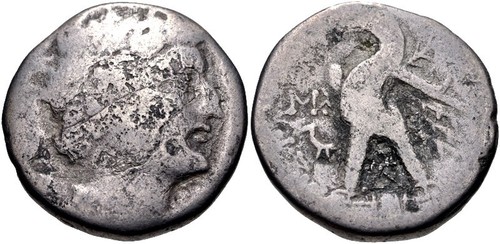
Tetradrachm of Ptolemy XII
80-51 BC
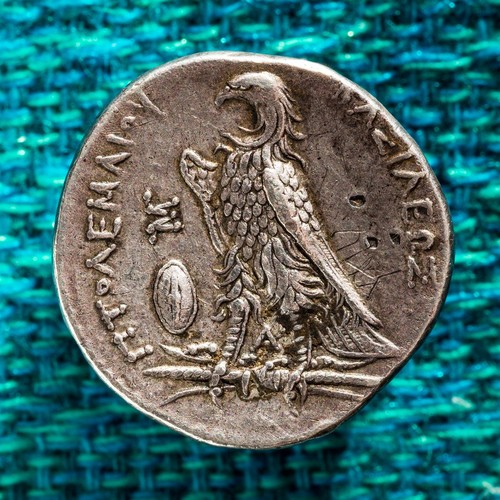
Tetradrachm of Ptolemy I
305-283 BC
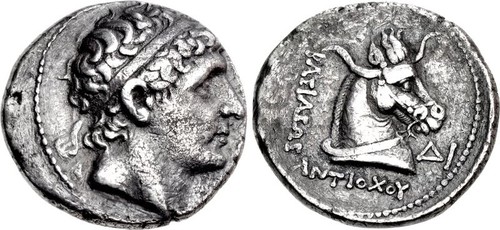
Tetradrachm of Antiochos I Soter
281-261 BC
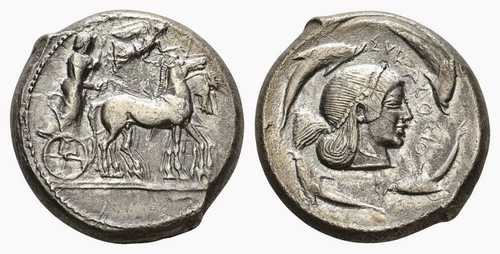
Syracuse Tetradrachm
c. 5th-4th century BC (Classical period)
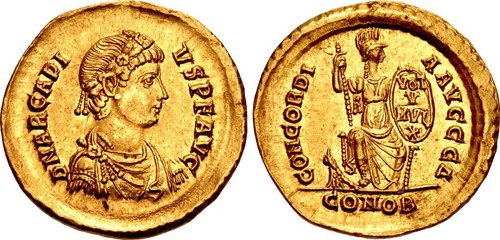
Solidus of Arcadius
AD 395-402
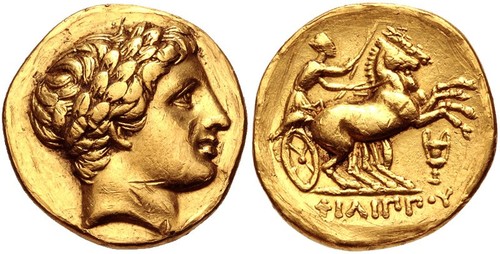
Philip III Gold Stater
323-317 BC
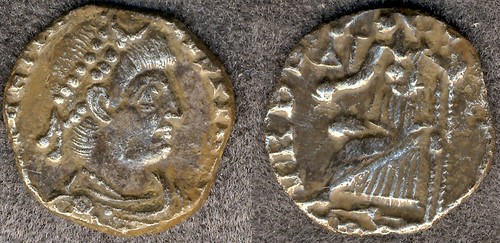
Siliqua of Gratian
AD 367-383
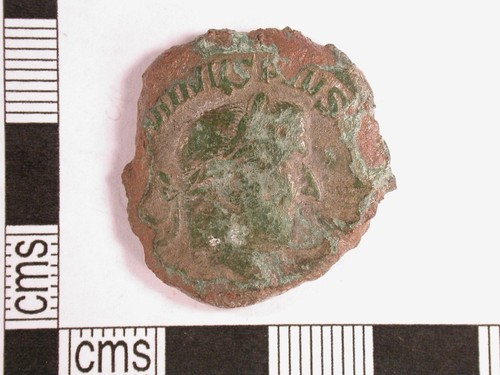
Sestertius of Maximinus Thrax
235-238 AD
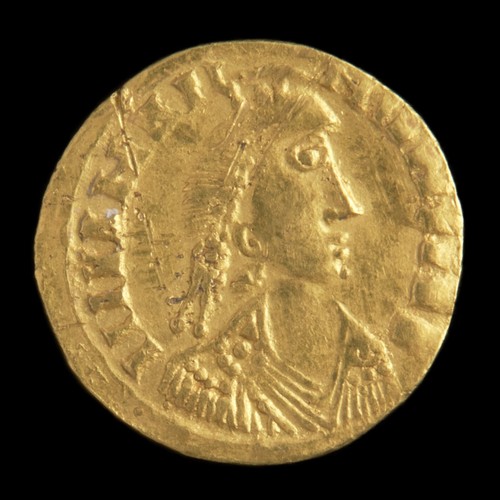
Solidus of Valentinian III
AD 425-455
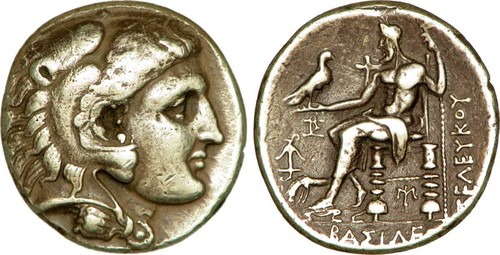
Seleucus I Nicator Tetradrachm
Late 4th-3rd century BC
Nummus of Magnentius
AD 350-353
Follis of Galerius
AD 308-310