
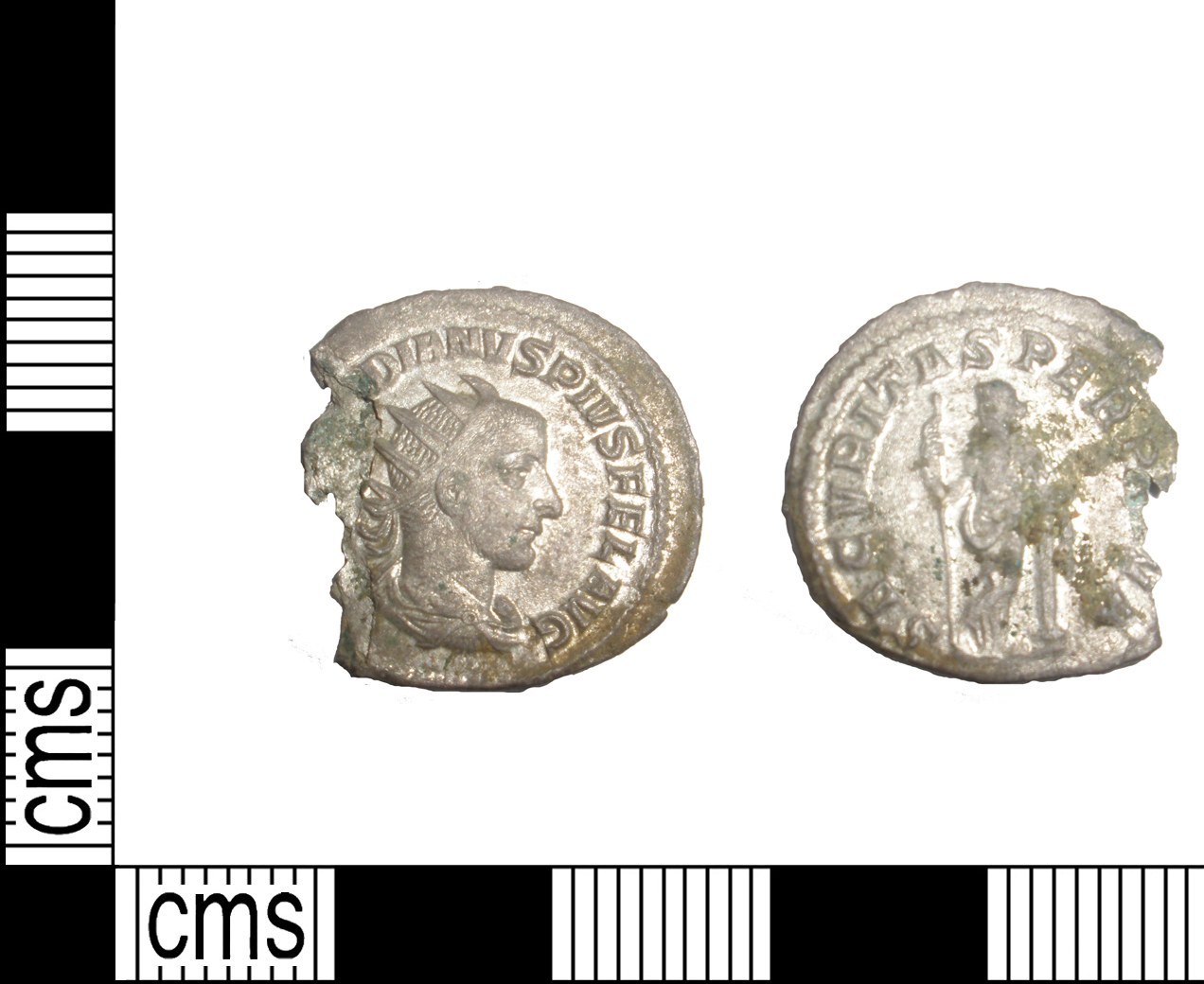
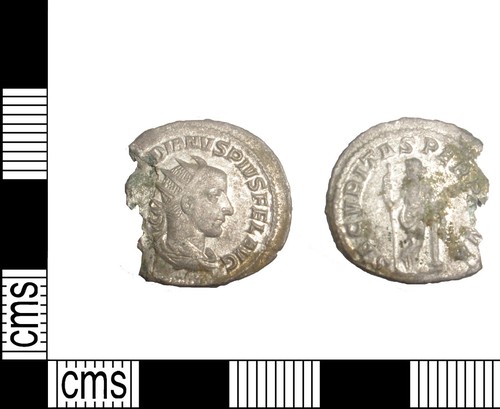
Antoninianus of Gordian III
Silver double-denarius of the young emperor Gordian III (238-244 AD), marked by his radiate crown and a standing deity on the reverse.
- Country
- Roman Empire
- Denomination
- Antoninianus
- Metal
- Silver
Got a coin like this?
Identify any coin from a photo, free.
Overview
The antoninianus of Gordian III is a Roman silver coin struck during the reign of the boy-emperor Marcus Antonius Gordianus (Gordian III), who ruled from 238 to 244 AD. The denomination, introduced by Caracalla in 215 AD, was valued at two denarii and is identified by the emperor's radiate (spiked) crown rather than the laurel wreath used on the denarius.
The piece shown here carries the standard design of the reign: a youthful radiate bust facing right on the obverse, paired with a standing deity or personification on the reverse. Coins of this type were produced in enormous numbers and are among the most frequently encountered silver coins of the mid-third century.
History & Background
Gordian III came to the throne at roughly thirteen years of age in 238 AD, following a turbulent year in which several emperors rose and fell. Because of his youth, real power lay with his advisors and the Praetorian Guard, and the antoninianus became the workhorse silver coin used to pay soldiers and fund the administration.
By this period the antoninianus had largely displaced the older denarius in circulation. The coinage of Gordian III reflects the gradual debasement of Roman silver in the third century: the metal is silver but increasingly alloyed, so many surviving examples show a pale or slightly grey surface. His reign ended in 244 AD during a campaign against the Sasanian Persians, after which coinage continued under his successor Philip I.
How to Identify
Look first for the radiate crown on the obverse portrait, which distinguishes the antoninianus from the laurel-wreathed denarius. The bust is that of a young man facing right, usually draped and cuirassed, with an encircling Latin legend that commonly reads a form of IMP GORDIANVS PIVS FEL AVG.
The reverse typically shows a single standing deity or personification such as Sol, Jupiter, Providentia, Fortuna, Laetitia, or Aequitas, identified by attributes (a globe, spear, cornucopia, or patera) and named in the surrounding legend. Typical coins measure roughly 21-24 mm in diameter and weigh about 3.5-5 grams.
Value & Collectibility
The antoninianus of Gordian III is one of the most common and affordable ancient Roman silver coins. Well-worn but identifiable examples typically trade at modest prices, while sharply struck coins with clear portraits, full legends, and good silver surfaces command a premium.
Value depends heavily on condition, the clarity of the reverse type, and eye appeal rather than rarity, since most reverse types survive in quantity. Scarcer reverse legends, unusually high grade, or attractive old-cabinet toning can raise the price well above that of ordinary circulated specimens.
Frequently asked questions
How do I know it is an antoninianus and not a denarius?
The antoninianus shows the emperor wearing a radiate (spiked) crown, while the denarius shows a laurel wreath. The antoninianus is also usually a little larger and heavier.
Is the coin made of real silver?
Yes, though the silver of this period is alloyed. Coins of Gordian III contain a reduced but real silver content, which is why surfaces often look pale or slightly grey.
Who is the figure standing on the reverse?
It is usually a Roman deity or personification such as Sol, Jupiter, Fortuna, or Providentia, identified by the objects it holds and by the Latin legend around it.
Are these coins rare?
No. Gordian III struck antoniniani in very large numbers, so they are among the most commonly available ancient Roman silver coins today.
Antoninianus of Gordian III guides
In-depth guides for identifying, valuing, and collecting Antoninianus of Gordian III.
Other coins you may enjoy
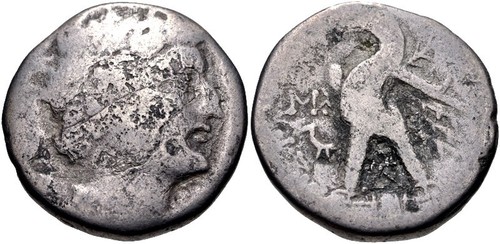
Tetradrachm of Ptolemy XII
80-51 BC
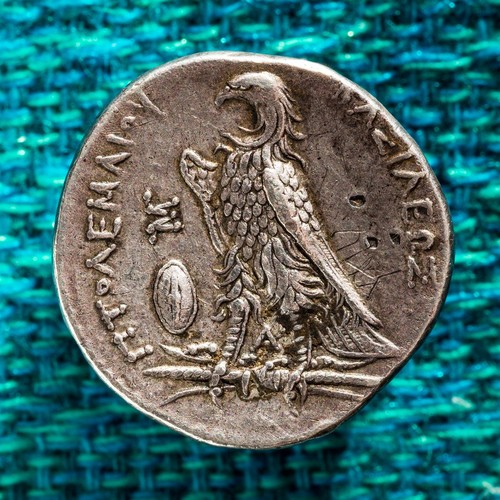
Tetradrachm of Ptolemy I
305-283 BC
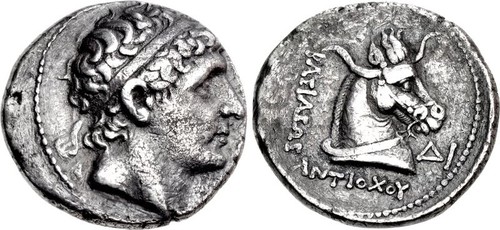
Tetradrachm of Antiochos I Soter
281-261 BC
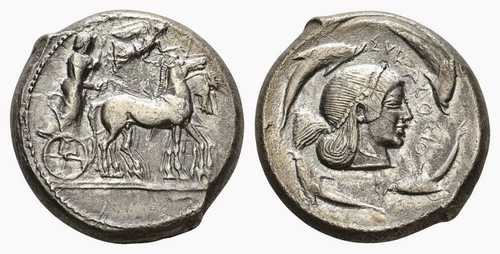
Syracuse Tetradrachm
c. 5th-4th century BC (Classical period)
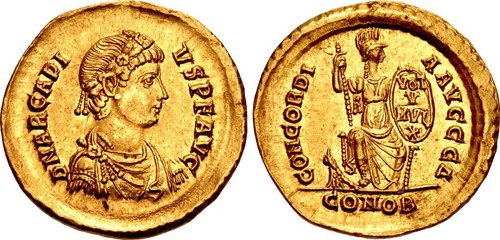
Solidus of Arcadius
AD 395-402
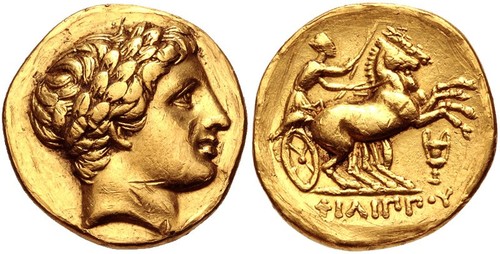
Philip III Gold Stater
323-317 BC
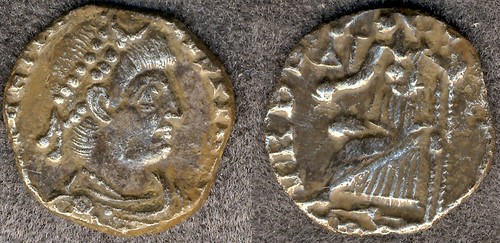
Siliqua of Gratian
AD 367-383
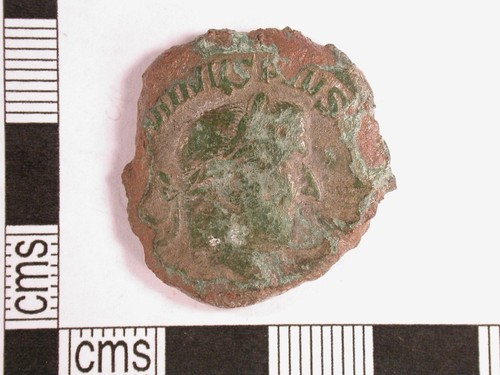
Sestertius of Maximinus Thrax
235-238 AD
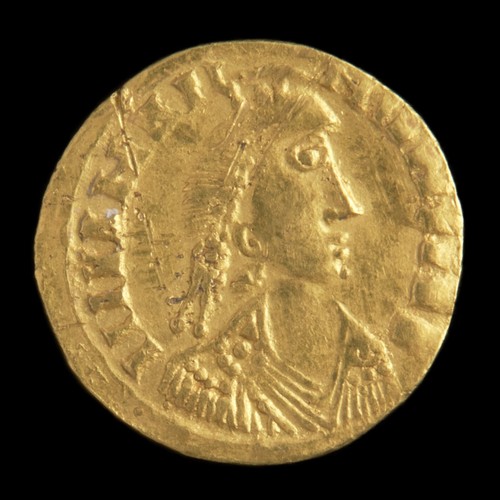
Solidus of Valentinian III
AD 425-455
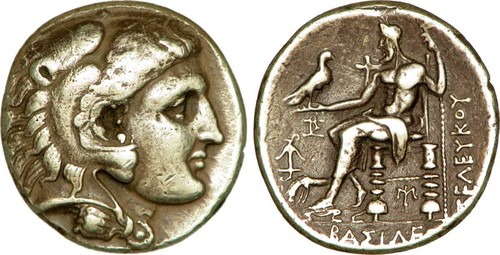
Seleucus I Nicator Tetradrachm
Late 4th-3rd century BC
Nummus of Magnentius
AD 350-353
Follis of Galerius
AD 308-310