
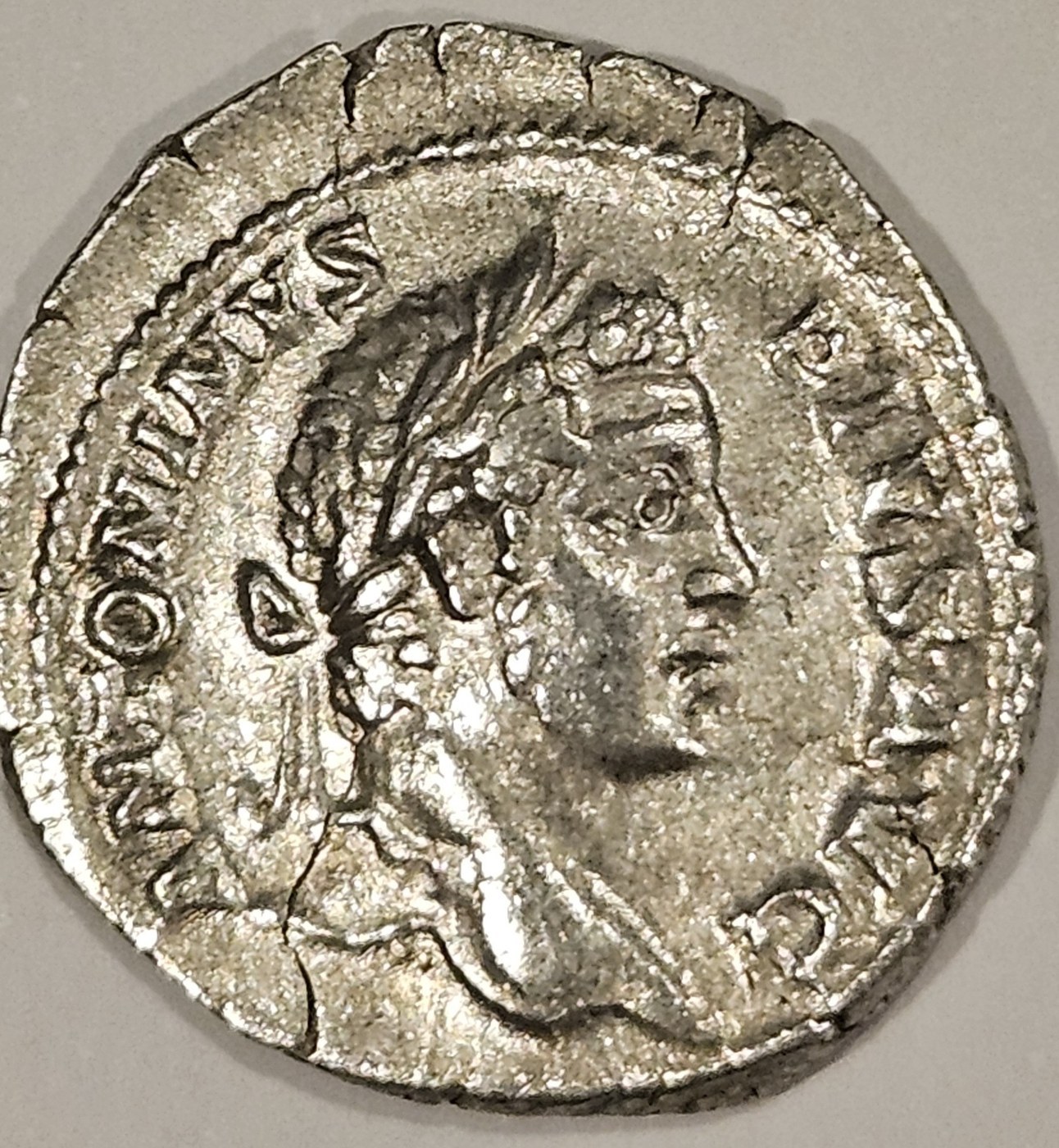
Denarius of Caracalla
A silver denarius of the Roman emperor Caracalla, struck 198–217 CE, showing his laureate right-facing bust and a Latin legend encircling the design.
- Country
- Roman Empire
- Denomination
- Denarius
- Metal
- Silver
Got a coin like this?
Identify any coin from a photo, free.
Overview
The denarius of Caracalla is a small silver coin of the Roman Empire, the standard everyday high-value denomination of its day. The example shown here carries the emperor's portrait facing right and crowned with a laurel wreath on the obverse, encircled by a Latin legend, while the reverse presents a design surrounded by its own inscription running around the border.
Caracalla, formally Marcus Aurelius Antoninus, ruled first as co-emperor with his father Septimius Severus and then in his own right until 217 CE, and his coinage spans roughly 198–217. Struck from silver on a small flan a bit under two centimeters across, the denarius circulated widely as the workhorse coin of soldiers' pay and commerce. Because so many were minted over his reign, denarii of Caracalla are among the more frequently encountered portrait coins of the Severan period.
History & Background
Caracalla was the elder son of the emperor Septimius Severus and was elevated to the rank of Augustus while still young, sharing rule with his father and briefly with his brother Geta. After Severus died in 211, Caracalla soon eliminated Geta and reigned as sole emperor until his assassination in 217. His denarii were produced throughout this period, chiefly at the mint of Rome and at times at eastern mints during military campaigns.
The silver denarius had been the backbone of Roman coinage for centuries, but Caracalla's reign is a notable moment in its decline. The silver content of the denarius was progressively reduced under the Severans, and in 215 Caracalla introduced a new larger silver coin, the so-called antoninianus (or double denarius), which gradually displaced the denarius over the following decades. His coins therefore sit at a turning point in Roman monetary history.
Because each obverse legend records the emperor's evolving titles and each reverse celebrates deities, virtues, military themes, or imperial achievements, individual denarii can often be dated within his reign by their inscriptions and types rather than by a stamped year, which Roman coins did not carry in the modern sense.
How to Identify
Look first for the portrait. A denarius of Caracalla shows a male bust facing right, wearing a laurel wreath, with the surrounding Latin legend naming him as Antoninus and giving his imperial titles in abbreviated form. Early issues portray him as a youth; later ones show an older, sterner, bearded face. The coin is small silver, roughly 17–19 mm across and light in weight, hand-struck so the flan is not perfectly round and the design may be slightly off-center.
The reverse carries its own design ringed by an inscription, as seen on this example. Typical reverse types include standing figures of gods and personifications such as Sol, Jupiter, Mars, Victory, or virtues like Providentia and Securitas, usually identified by the surrounding legend. Both sides were struck by hand, so expect some weakness, uneven relief, or letters running to the edge.
Because Roman denarii were not dated numerically, attribution to Caracalla and to a point within his reign relies on reading the obverse legend and matching the reverse type to standard references. The name ANTONINVS in the legend, combined with the laureate right-facing portrait and small silver fabric, is the core diagnostic.
Value & Collectibility
Denarii of Caracalla are genuine ancient Roman silver coins nearly two thousand years old, yet they are relatively common, which keeps most examples affordable. Values are best given as ranges: ordinary circulated pieces with a clear portrait and readable legends often fall in the low tens to around one hundred dollars, while sharply struck, well-centered coins with attractive toning, or scarcer reverse types, can bring more.
Condition and eye appeal drive price. A full portrait, complete legends, good silver surfaces, and a well-centered strike raise value, whereas heavy wear, corrosion, cleaning marks, edge cracks, or off-center strikes lower it. Certain rare reverse types or special issues command premiums well above the common range.
Because the market for Roman silver is broad and prices swing with grade and type, treat any single quoted figure with caution. Compare against recent auction results for the same reverse type and grade, and be aware that authenticated, professionally attributed coins sell more confidently than unattributed ones.
Frequently asked questions
What is a denarius of Caracalla?
It is a small silver coin of the Roman Empire struck during the reign of the emperor Caracalla, about 198–217 CE. It shows his laureate right-facing portrait on the obverse and a design with a Latin legend around the border on the reverse.
Why does the legend say ANTONINVS instead of Caracalla?
Caracalla is a nickname. His official name as emperor was Marcus Aurelius Antoninus, so his coins name him ANTONINVS. The familiar name Caracalla comes from a hooded cloak he favored and was not used on his coinage.
How big is the coin and what is it made of?
It is a small silver coin, roughly 17–19 mm across and light in the hand. It was struck by hand, so the flan is not perfectly round and the strike may be a little off-center.
Can the coin be dated to an exact year?
Not by a stamped date, since Roman coins did not carry years as modern coins do. The obverse titles and the reverse type let specialists place a coin within Caracalla's reign of roughly 198–217 CE.
Is a denarius of Caracalla valuable?
It has real collector value as ancient Roman silver, but denarii of Caracalla are fairly common, so most examples are modestly priced. Condition, centering, and the rarity of the reverse type matter most, so judge value against recent comparable sales.
Denarius of Caracalla guides
In-depth guides for identifying, valuing, and collecting Denarius of Caracalla.
Other coins you may enjoy
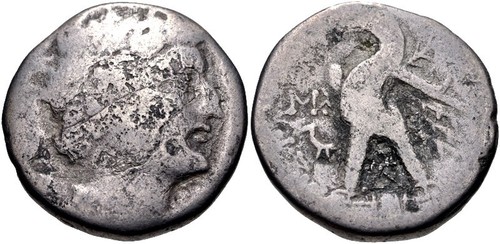
Tetradrachm of Ptolemy XII
80-51 BC
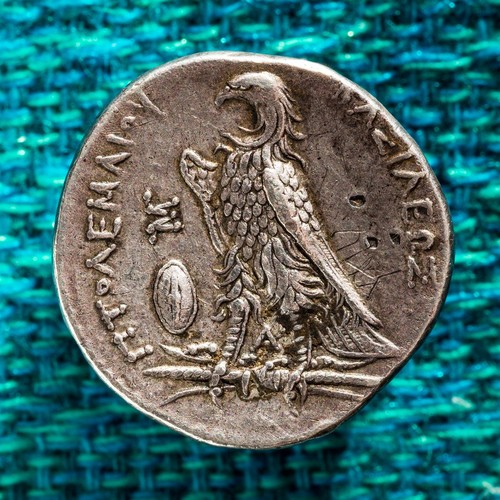
Tetradrachm of Ptolemy I
305-283 BC
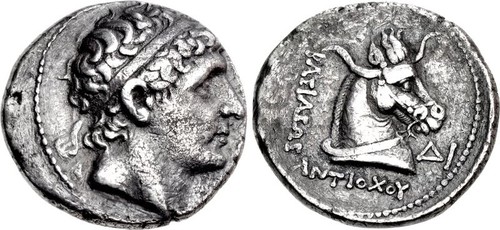
Tetradrachm of Antiochos I Soter
281-261 BC
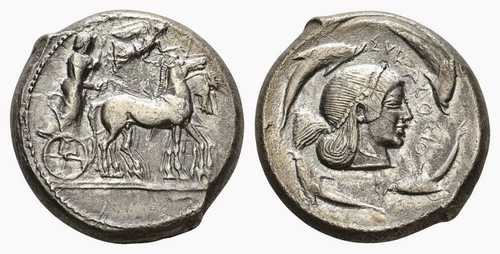
Syracuse Tetradrachm
c. 5th-4th century BC (Classical period)
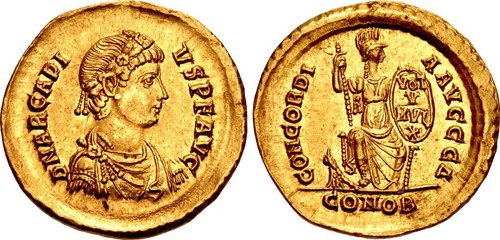
Solidus of Arcadius
AD 395-402
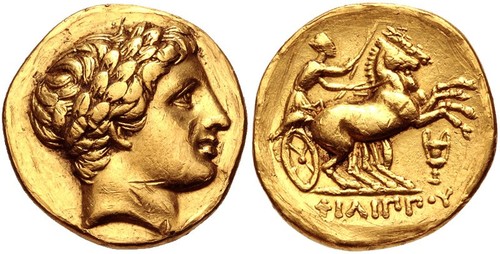
Philip III Gold Stater
323-317 BC
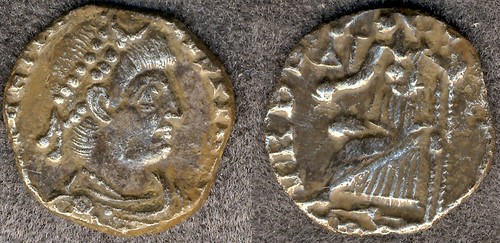
Siliqua of Gratian
AD 367-383
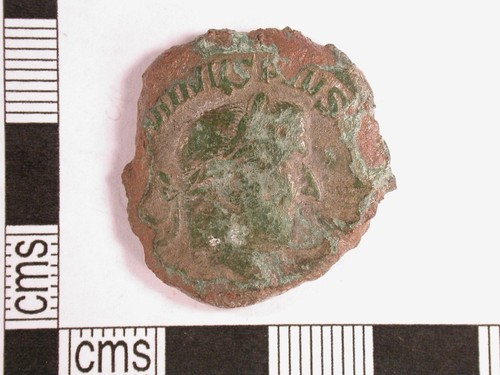
Sestertius of Maximinus Thrax
235-238 AD
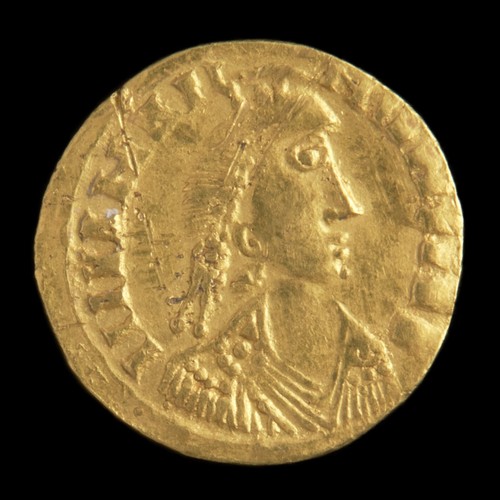
Solidus of Valentinian III
AD 425-455
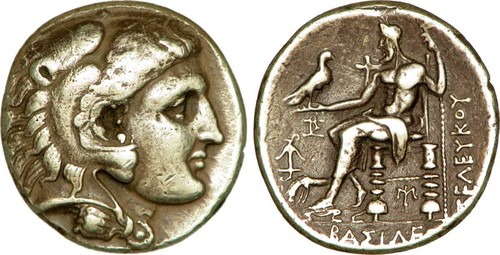
Seleucus I Nicator Tetradrachm
Late 4th-3rd century BC
Nummus of Magnentius
AD 350-353
Follis of Galerius
AD 308-310