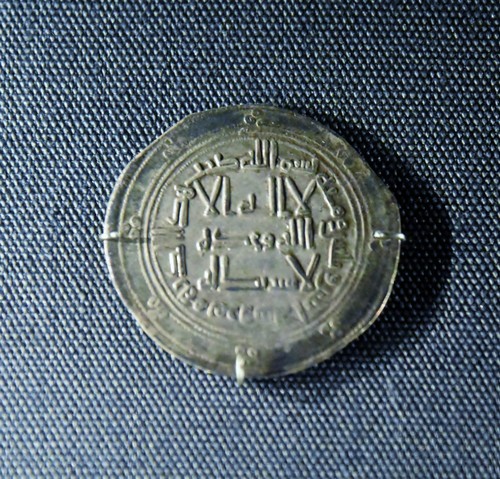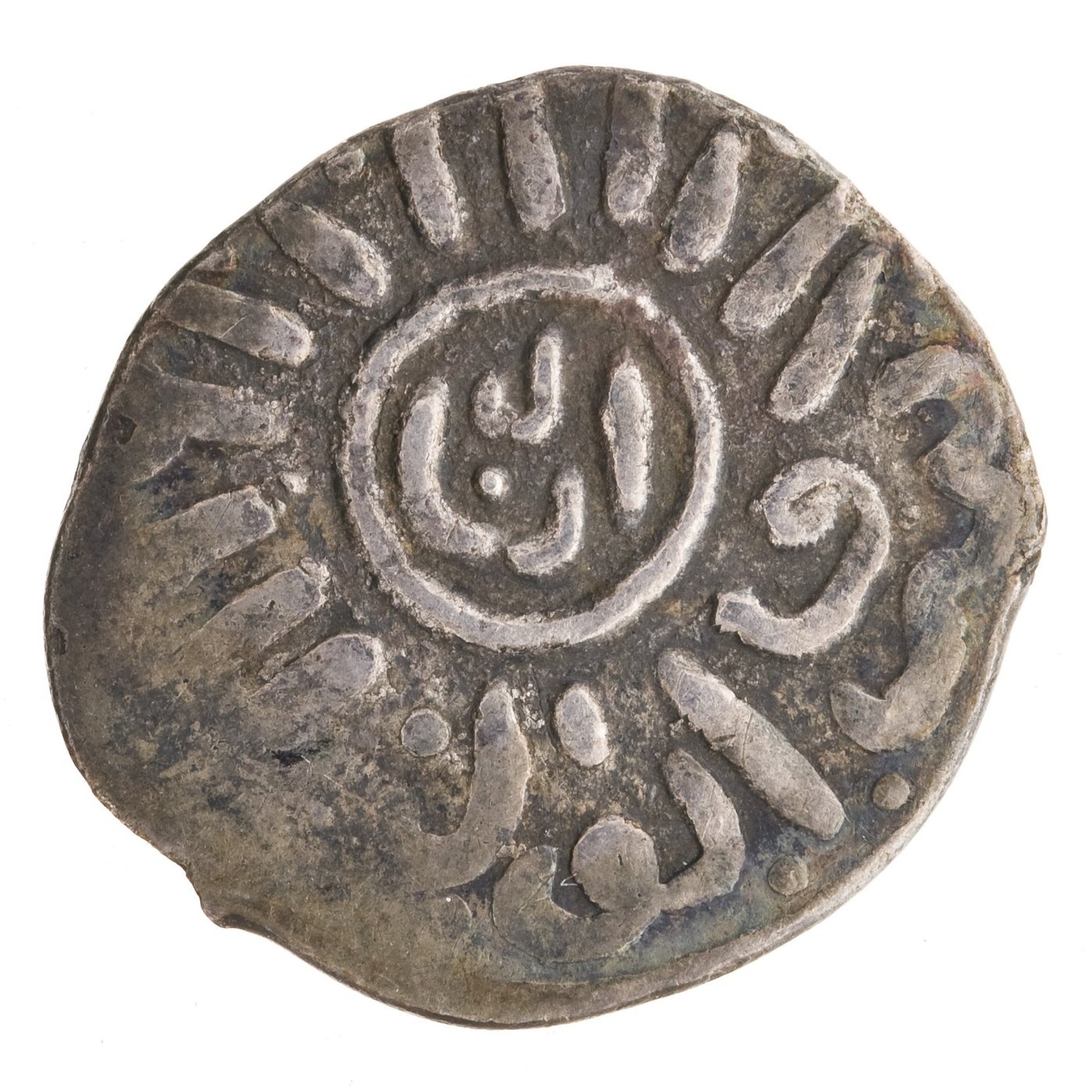
Silver Dirham of Sayf ad-Din Inal
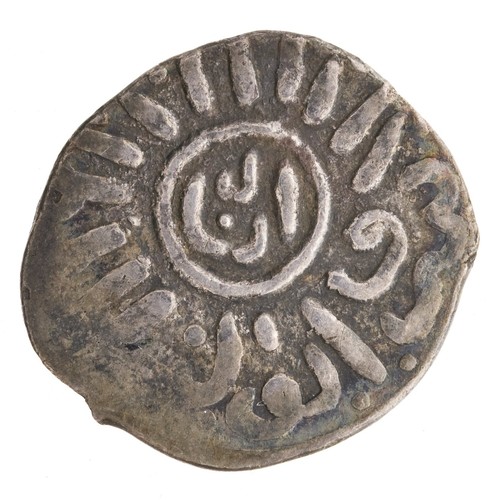
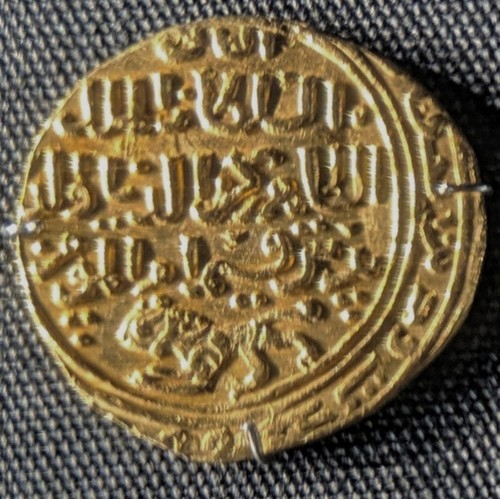
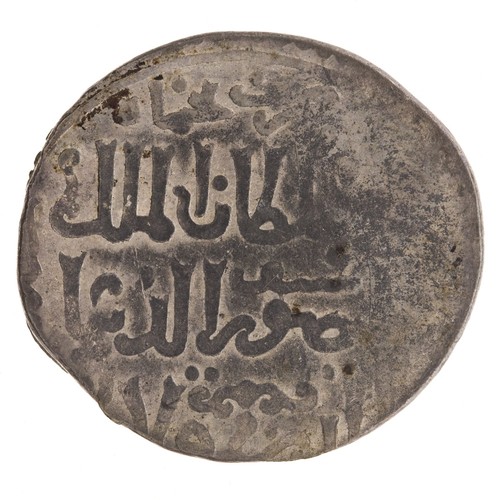
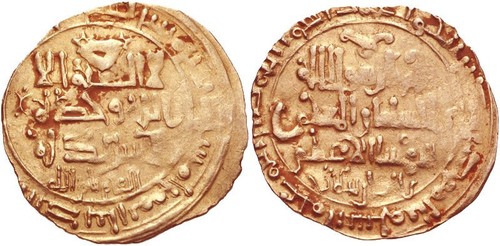
A thin Mamluk silver dirham of Sultan al-Ashraf Sayf ad-Din Inal (r. 1453–1461), covered on both faces with Arabic inscriptions naming the sultan and his titles.
- Country
- Egypt (Mamluk)
- Denomination
- Dirham
- Metal
- Silver
Got a coin like this?
Identify any coin from a photo, free.
Overview
This is a silver dirham of the Mamluk Sultanate of Egypt, struck during the reign of Sultan al-Ashraf Sayf ad-Din Inal, who ruled from AD 1453 to 1461. Like other late Mamluk coins it is aniconic: both faces carry only Arabic calligraphy, with no portrait or figural image.
The inscriptions name the sultan and his royal titles and include the customary religious formulas of Islamic coinage. The lettering is a rounded, cursive Arabic script rather than the angular Kufic of much earlier dirhams, which is typical of the fifteenth-century Mamluk period.
Inal was one of the Circassian (Burji) Mamluk sultans who governed Egypt and Syria from Cairo in the century before the Ottoman conquest. His silver dirhams are relatively small, thin coins that circulated alongside Mamluk gold dinars and copper fulus.
History & Background
The Mamluk Sultanate ruled Egypt and Syria from AD 1250 to 1517, first under the Bahri and then the Burji (Circassian) line of Mamluk soldier-rulers. Sayf ad-Din Inal belonged to the later Burji period; he took the throne in AH 857 (AD 1453) with the regnal title al-Malik al-Ashraf and reigned until his death in AH 865 (AD 1461).
By Inal's time the Mamluk silver coinage had a long and troubled monetary history. Fifteenth-century Mamluk dirhams were often struck on small, thin flans and the silver was frequently debased, reflecting the fiscal strains of the late sultanate. Coins were valued by weight in trade as much as by count, and the gold ashrafi dinar had become the more stable unit of account.
Inal's reign fell only a few decades before the Ottoman conquest of Egypt in 1517, which ended the Mamluk Sultanate. His coins therefore belong to the last century of independent Mamluk rule, struck at the traditional mints of Cairo, Damascus and Aleppo that had served the sultanate for generations.
How to Identify
A dirham of Inal is a small, thin, hand-struck silver coin with Arabic inscriptions filling both faces and no image of any kind. The flan is often a little irregular and the strike uneven, so parts of the legend can run off the edge — a normal feature of Mamluk hand striking.
The key to attribution is the inscription. The legends name the sultan and his titles, typically in the form al-Malik al-Ashraf Sayf ad-Din Inal, together with pious formulas and, where present, the mint and date. Because the script is cursive rather than angular Kufic, and the sultan's own name appears, the coin can be tied to Inal specifically rather than to the wider dirham tradition.
Size and metal are supporting clues: a genuine piece is silver (often greyish or somewhat debased in tone) and modest in diameter and weight, not a broad heavy coin. Reading the ruler's name and any mint signature in the field is what distinguishes this issue from the visually similar dirhams of other Mamluk sultans.
Value & Collectibility
Late Mamluk silver dirhams are collected as historical Islamic coins rather than as bullion, and pieces naming a specific sultan such as Inal carry added interest for that reason. Ordinary examples in average condition, with parts of the legend legible, generally trade at modest collector prices.
Value is driven mainly by how much of the inscription is clear, whether the sultan's name and a mint or date can be read, the quality of the silver, and overall preservation. Well-centered coins with a full, sharp legend and an identifiable mint are worth more than weakly struck or heavily worn pieces where the name is lost.
Because these are hand-struck medieval coins with variable strike and metal, any figures are general context rather than fixed prices. A confident reading of the ruler's name and the mint signature is the single most important factor in placing the coin and its value.
Frequently asked questions
Who was Sayf ad-Din Inal?
He was a Circassian (Burji) Mamluk sultan of Egypt and Syria who reigned from AD 1453 to 1461 with the royal title al-Malik al-Ashraf. His coins were struck at the traditional Mamluk mints during the last century of the sultanate.
Why are there only inscriptions and no picture on the coin?
Mamluk coinage, like most Islamic coinage, was aniconic. Instead of a portrait it carries Arabic calligraphy naming the sultan and his titles along with religious formulas, arranged across both faces of the coin.
Is this dirham made of real silver?
Yes, it is a silver coin, though fifteenth-century Mamluk dirhams were often struck on thin flans and the silver was sometimes debased. Genuine pieces are silver in appearance, typically greyish with age, rather than base metal.
How is the coin dated to 1453–1461?
That range is the reign of Sultan Inal, AH 857–865. The coin is attributed to his reign because the legends name him; where a mint-and-date formula survives, it can pin the piece more precisely within those years.
Are dirhams of Inal rare?
They are scarcer than early Islamic dirhams but are collectible medieval Mamluk coins rather than great rarities. Value depends mainly on how much of the inscription is legible and on the coin's condition.
Silver Dirham of Sayf ad-Din Inal guides
In-depth guides for identifying, valuing, and collecting Silver Dirham of Sayf ad-Din Inal.