
How to Identify the Silver Dirham of Sayf ad-Din Inal
A collector's guide to recognizing a Mamluk dirham of Sultan Inal: its thin silver flan, cursive Arabic legend, ruler's name, mint marks and look-alikes.
Read the full Silver Dirham of Sayf ad-Din Inal encyclopedia entry →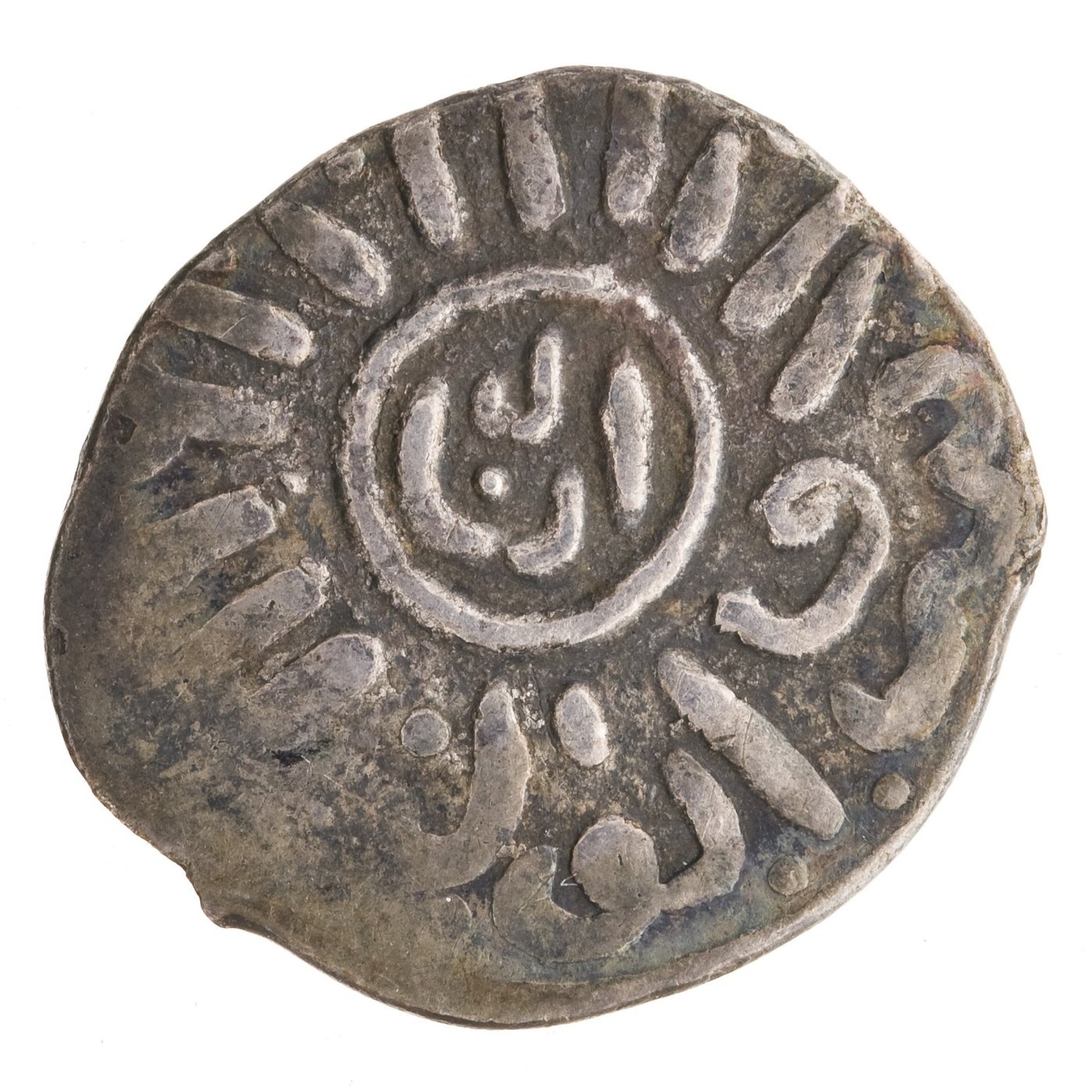
Begin with the physical coin. A dirham of Inal is a small, thin, hand-struck silver piece with a slightly irregular flan and, often, an uneven strike. It should look and feel like silver — greyish with age, not obviously base metal or magnetic. A broad, thick, heavy coin, or one that is clearly copper or brass, is not this issue; late Mamluk dirhams are modest in both diameter and weight.
Read the faces as text, not pictures. Both sides carry Arabic calligraphy only, with no portrait, animal or object of any kind. The script is a rounded, cursive style typical of the fifteenth century rather than the angular Kufic of much older dirhams. If you see figural imagery, or crisp machine-made lettering, you are not looking at a genuine hand-struck Mamluk dirham.
Use the legend to attribute the coin to Inal. The inscriptions name the ruler and his titles, in the form al-Malik al-Ashraf Sayf ad-Din Inal, alongside pious formulas. It is the sultan's name in the field — not the general appearance — that separates this coin from the near-identical dirhams of other Mamluk sultans. Where a mint signature (Cairo, Damascus or Aleppo) or a date survives, note it, because that is what pins the piece down precisely.
Watch for look-alikes. The dirhams of many Mamluk sultans share the same aniconic, cursive-Arabic template and can look very similar at a glance, and worn coins where the name has been lost are hard to attribute at all. Do not assume an old Arabic-script silver coin is an Inal issue without reading the ruler's name; when the legend is unclear, the attribution should stay open.
Be cautious about authenticity and condition. Genuine dirhams are struck from dies, not cast, so casting seams, surface bubbles, a soft grainy texture, a raised mould line at the edge, or an off-standard weight are warning signs. Because these coins were often weakly struck, judge them on how much of the legend is legible rather than expecting a full, sharp design, and check the reading against standard Mamluk references or a specialist when in doubt.
Frequently asked questions
How do I tell an Inal dirham from another Mamluk sultan's?
They share the same aniconic, cursive-Arabic layout, so appearance alone is not enough. Read the ruler's name in the legend — al-Malik al-Ashraf Sayf ad-Din Inal — and any mint or date, cross-checked against references, to confirm the attribution.
Where do I look for the mint and date?
In the field inscriptions alongside the sultan's titles, where a mint name such as Cairo, Damascus or Aleppo and a Hijri year may appear. On worn or off-center strikes these details are frequently partial or missing.
What should a genuine dirham look like physically?
A small, thin, hand-struck silver coin with a somewhat irregular flan and cursive Arabic legends on both faces. It should read as silver, greyish with age; a heavy, thick, brassy or magnetic coin should be treated with suspicion.
How can I spot a cast fake?
Genuine dirhams were struck from dies, not poured into moulds. Look for casting seams, surface bubbles, a mushy or grainy texture, a raised mould line at the edge, or an incorrect weight, and verify the legend against reference material when unsure.