
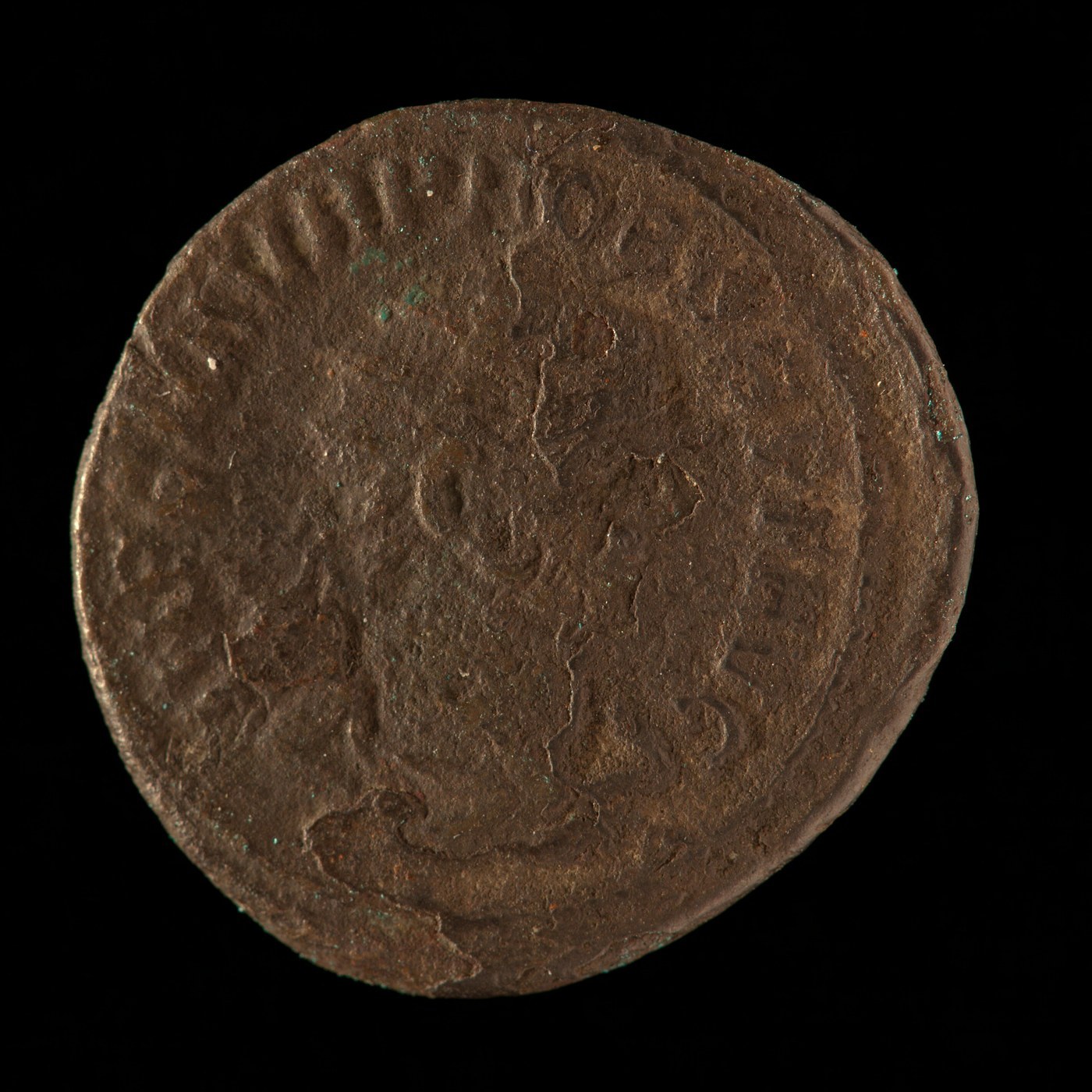
Antoninianus of Probus
Late Roman billon antoninianus of Emperor Probus (276-282 AD), identified by his radiate crown portrait on the obverse.
- Country
- Roman Empire
- Denomination
- Antoninianus
- Metal
- Billon/Bronze
Got a coin like this?
Identify any coin from a photo, free.
Overview
The Antoninianus of Probus is a small late Roman coin struck during the reign of Emperor Probus between 276 and 282 AD. The example shown here displays the defining feature of the denomination: a radiate (spiked-crown) portrait of the emperor on the obverse, the mark that distinguished the antoninianus from the laureate-crowned denarius.
By Probus's day the antoninianus was no longer good silver but a billon or bronze coin with only a thin silver content, often finished with a light silver wash. These pieces were produced in enormous numbers across many imperial mints, which makes Probus one of the most commonly encountered emperors in ancient-coin collecting today.
History & Background
Probus rose to power in 276 AD during the turbulent late-third-century period often called the Crisis of the Third Century, a stretch of rapid imperial turnover, military pressure on the frontiers, and a badly debased coinage. A capable soldier-emperor, he spent much of his reign campaigning against Germanic and other groups along the Rhine and Danube before being killed by his own troops in 282 AD.
The antoninianus had been introduced early in the third century as a double-denarius but was steadily debased over the following decades until, by Probus's time, it circulated as a bronze or billon coin with only a trace of silver. Probus continued the coinage reforms begun under his predecessor Aurelian, and his radiates were struck at a wide network of mints across the empire.
Because the reverse of this particular coin is not shown, its specific type and legend cannot be read from the image alone. Probus antoniniani are known for an unusually rich variety of reverse designs, including standing deities, personifications such as the emperor on horseback, military and imperial-virtue themes, and elaborate bust styles on the obverse.
How to Identify
Identify this coin first by the radiate crown — a spiked, sun-ray diadem — on the emperor's portrait. That crown is what makes the piece an antoninianus rather than a laureate denarius, and it is clearly visible on the obverse shown here. The surrounding legend on Probus coins typically renders his name and titles in abbreviated Latin, commonly beginning IMP (for Imperator) and including PROBVS AVG.
The coin is small and thin, generally around 20-24 mm in diameter and only a few grams in weight, struck in billon or bronze. Genuine examples are often brown, olive, or grey from age, and some retain patches of the original thin silvering. The metal is not magnetic and should not look like bright modern silver.
The reverse is not visible in this image, so the exact reverse type and its mint mark cannot be confirmed here. On a complete coin, the reverse legend and the small mint mark in the exergue (the flat area below the design) are the keys to pinning down the issuing mint and the specific type.
Value & Collectibility
Antoniniani of Probus are among the most affordable and widely available ancient Roman coins because they were struck in vast quantities and survive in large numbers. Common, worn examples typically trade for modest sums, often in the range of a few dollars to a couple of tens of dollars, making them a popular entry point into ancient coinage.
Value rises with condition, surviving silvering, sharp detail, and desirable reverse types or unusual busts. Well-centered coins with clear legends, attractive patina, or scarce mint marks can command meaningfully higher prices, and exceptional pieces sell for more still. Because the reverse is not shown here, the specific type — a major factor in value — cannot be assessed from this image alone.
As with all ancient coins, price depends heavily on eye appeal and authenticity rather than a fixed catalog figure. Recent sales of comparable Probus radiates in similar grade are the best guide, and examples from a reputable dealer or with a credible provenance carry the most confidence.
Frequently asked questions
What is an antoninianus?
It is a Roman denomination introduced in the early third century as a double-denarius, distinguished by the emperor's radiate (spiked) crown. By Probus's reign it had been debased into a billon or bronze coin with only a thin silver content.
How do I know the portrait is Probus?
The obverse legend names the emperor in abbreviated Latin, typically including PROBVS AVG. Combined with the radiate crown and the 276-282 AD period, that identifies the coin as an antoninianus of Probus.
Is this coin made of silver?
Only barely. Late antoniniani like this are billon or bronze with a very low silver content, sometimes finished with a thin silver wash. Most surviving examples now look brown, grey, or olive rather than bright silver.
Are Probus coins rare or valuable?
They are common. Probus struck antoniniani in huge numbers at many mints, so most are inexpensive. Value depends on condition, surviving silvering, and the specific reverse type rather than rarity of the emperor.
Why can't the reverse be identified here?
The reverse is not shown in this image. On a complete coin the reverse design, legend, and the mint mark in the exergue would be needed to confirm the exact type and issuing mint.
Antoninianus of Probus guides
In-depth guides for identifying, valuing, and collecting Antoninianus of Probus.
Other coins you may enjoy
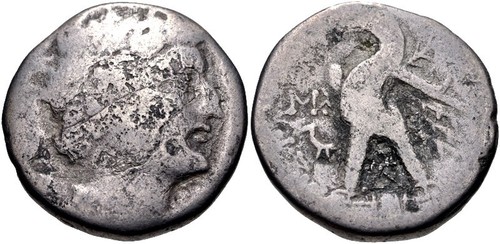
Tetradrachm of Ptolemy XII
80-51 BC
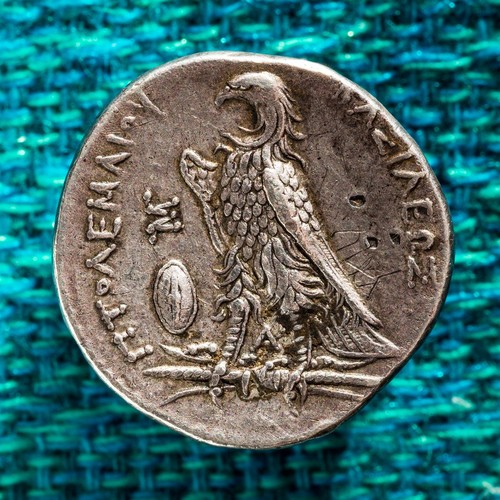
Tetradrachm of Ptolemy I
305-283 BC
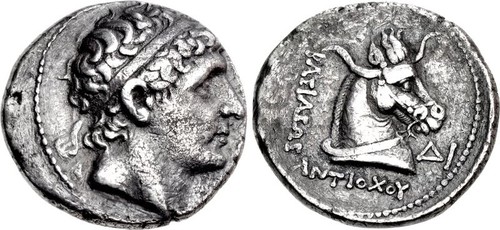
Tetradrachm of Antiochos I Soter
281-261 BC
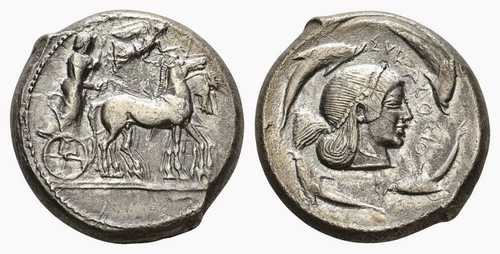
Syracuse Tetradrachm
c. 5th-4th century BC (Classical period)
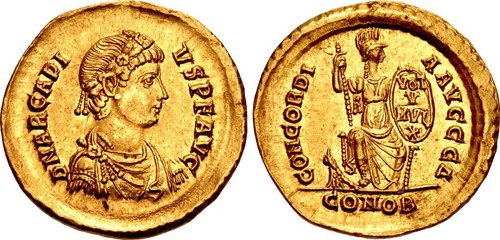
Solidus of Arcadius
AD 395-402
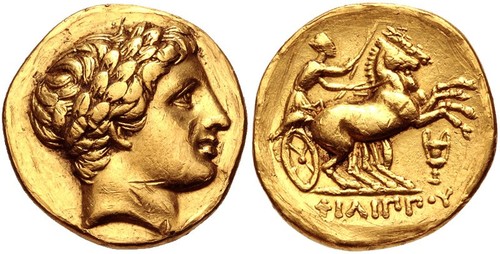
Philip III Gold Stater
323-317 BC
Siliqua of Gratian
AD 367-383
Sestertius of Maximinus Thrax
235-238 AD
Solidus of Valentinian III
AD 425-455
Seleucus I Nicator Tetradrachm
Late 4th-3rd century BC
Nummus of Magnentius
AD 350-353
Follis of Galerius
AD 308-310