
Coin Encyclopedia
Search and identify coins from around the world — with country, denomination, metal, mint, history, and how to tell them apart.
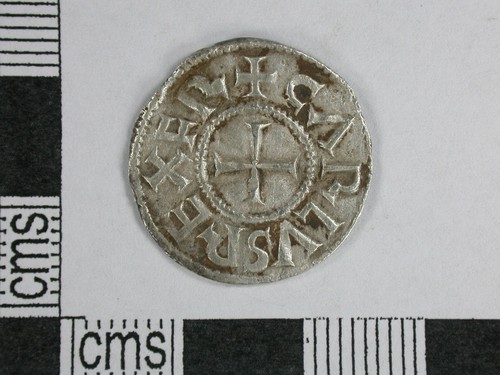
Denier of Charlemagne
A hand-struck silver denier of Charlemagne, king of the Franks: a central cross ringed by the CARLVS REX FR legend, with a royal monogram design on the reverse.
Medieval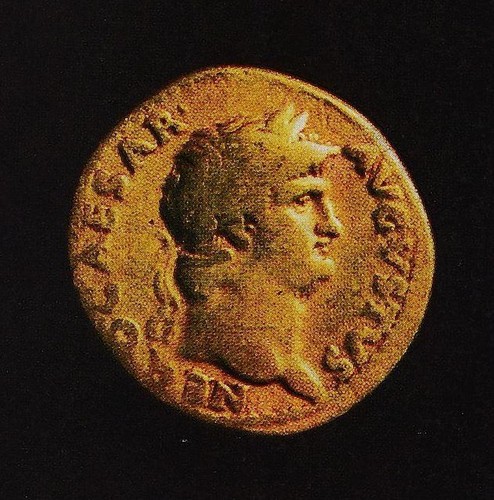
Aureus of Nero
Roman imperial gold aureus of Emperor Nero (54-68 AD), showing his curly-haired portrait facing right with a Latin imperial legend.
Ancient Coins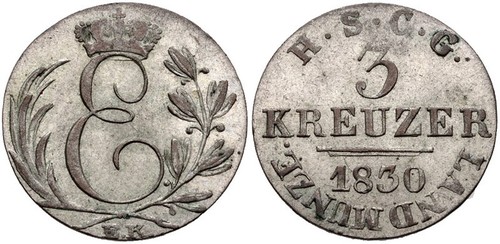
Gotha 3 Kreuzer
A small silver 3 Kreuzer of the German state of Gotha, dated 1830, with an ornate armorial obverse and a laurel-wreath value reverse.
German States
8 Reales (Portrait/Bust Type)
Large silver Spanish Empire dollar showing the bust of King Carlos III and a crowned coat of arms with lions and castles.
World Coins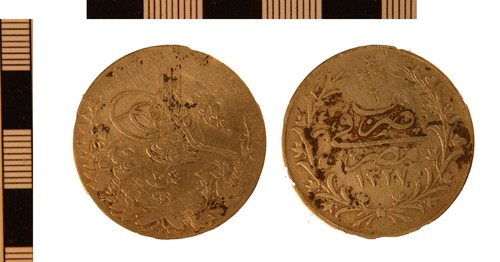
Ottoman Silver Coin
A silver coin of the Ottoman Empire bearing the sultan's tughra monogram amid floral ornament, with Arabic-script inscriptions on the reverse.
World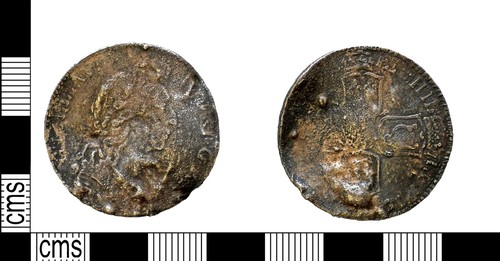
Ancient Roman Coin
An unattributed ancient bronze coin of the Roman Empire, showing a right-facing portrait head on the obverse and a figure or heraldic design on the reverse.
Ancient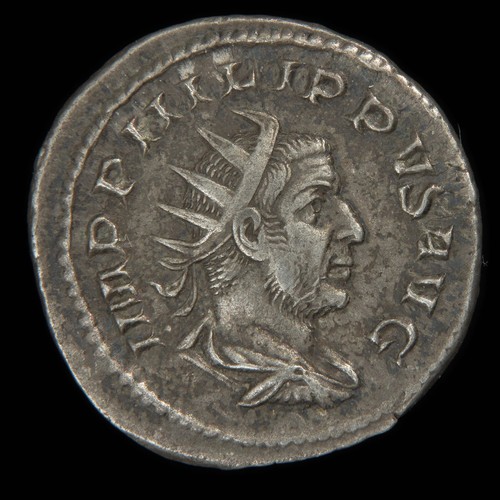
Antoninianus
Roman imperial coin of the crisis era, marked by a radiate (spiked) crown on the emperor's head; struck in debased silver-and-copper billon, c. 250-270 AD.
Ancient Coins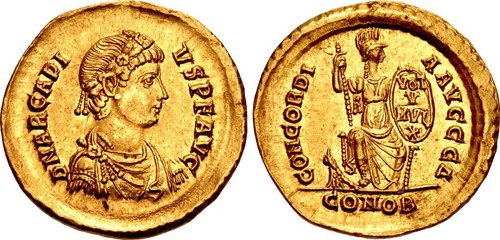
Solidus of Arcadius
A late Roman gold solidus struck for Arcadius, first emperor of the East after AD 395, showing his diademed profile facing right.
Ancient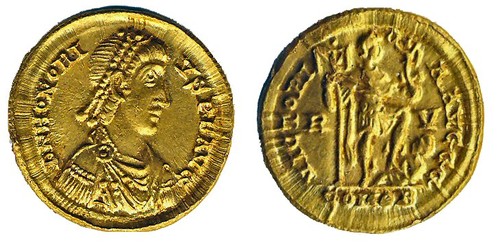
Solidus of Honorius
A late Roman gold solidus of Emperor Honorius (r. 393-423 CE), with his diademed bust and an armored standing figure holding a spear and shield.
Ancient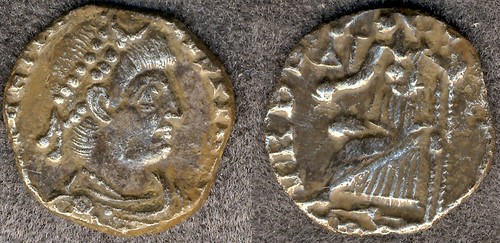
Siliqua of Gratian
A small late Roman silver siliqua of the emperor Gratian (AD 367-383), with his diademed bust on the obverse and a standing figure or personification on the reverse.
Ancient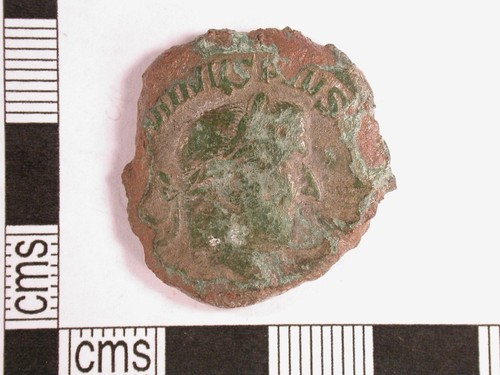
Sestertius of Maximinus Thrax
Large Roman bronze sestertius of Maximinus Thrax (235-238 AD), the first soldier-emperor, with a laureate bust facing right.
Ancient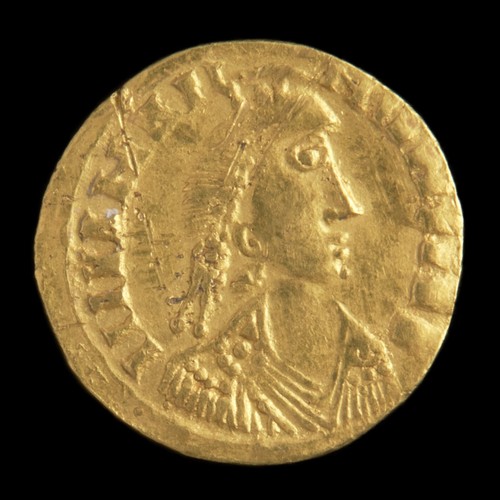
Solidus of Valentinian III
A gold solidus of the Western Roman emperor Valentinian III (AD 425-455), with his diademed profile and an imperial or military reverse.
Ancient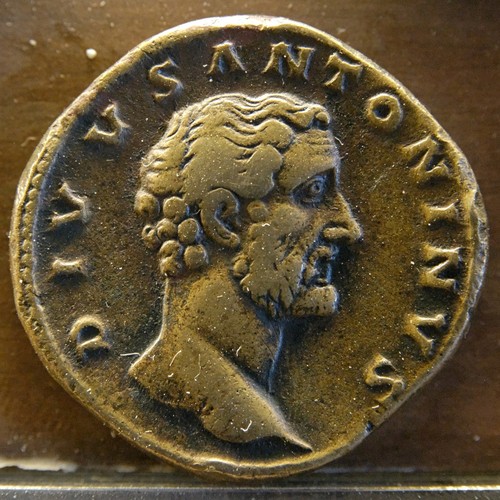
Sestertius of Antoninus Pius
Large Roman bronze coin of Emperor Antoninus Pius, with his bearded profile head and a standing deity or figure on the reverse.
Ancient Coins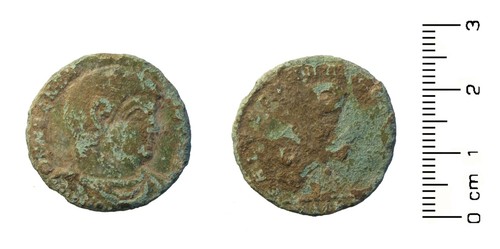
Nummus of Magnentius
A late Roman bronze struck for the usurper Magnentius (AD 350-353), noted for its bold bare-headed portrait and large Chi-Rho reverses.
Ancient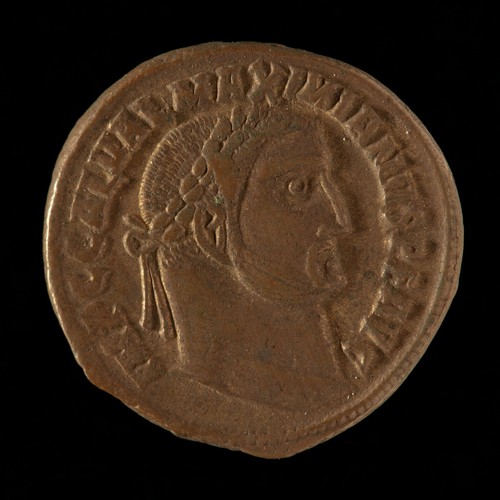
Follis of Galerius
A large silvered bronze follis of the emperor Galerius (Augustus AD 305-311), struck across the Tetrarchic mints with a laureate portrait and a standing deity reverse.
Ancient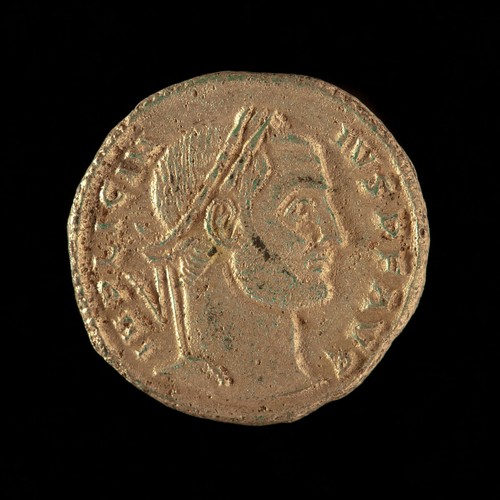
Follis of Licinius I
A small bronze follis of the emperor Licinius I (AD 308-324), showing his portrait and a standing deity reverse, struck around AD 320-321.
Ancient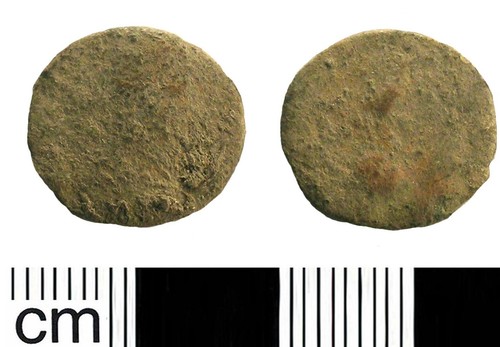
Half Centenionalis of Constans or Constantius II
A small mid-4th-century Roman bronze attributed to Constans or Constantius II, sons of Constantine the Great, worn but identifiable by its imperial portrait and era.
Ancient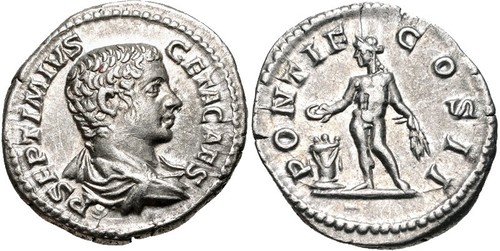
Denarius of Geta
Silver denarius of the Severan prince Geta, showing his youthful bust with a standing deity or personification on the reverse.
Ancient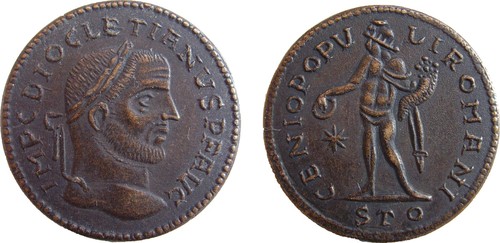
Follis of Diocletian
A large silver-washed bronze coin of the Tetrarchy, introduced by Diocletian's currency reform around AD 294 with a stern laureate portrait.
Ancient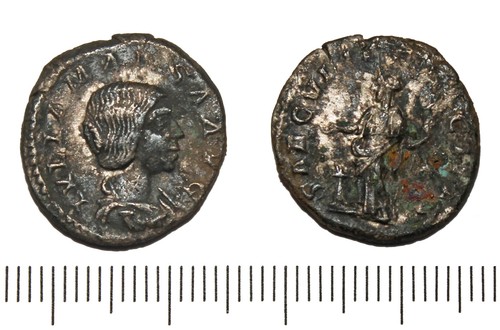
Denarius of Julia Maesa
Roman silver denarius struck for Julia Maesa (c. 218–222 CE), showing her draped bust with wavy hair and a standing deity on the reverse.
Ancient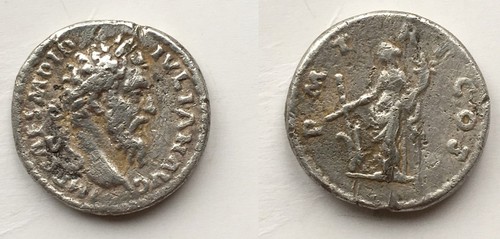
Denarius of Didius Julianus
A silver denarius of Didius Julianus, the short-lived emperor of 193 AD, bearing his laureate portrait and an imperial standing reverse.
Ancient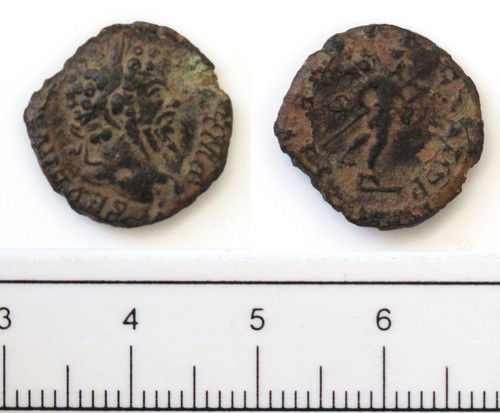
Denarius of Septimius Severus
Silver denarius of the Roman emperor Septimius Severus (193–211 AD), showing his laureate head and a standing reverse figure.
Ancient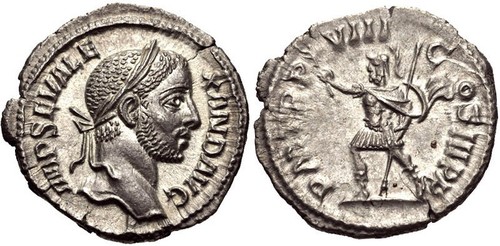
Denarius of Severus Alexander
Silver denarius of the emperor Severus Alexander (AD 222–235), with his laureate portrait and a Mars reverse dated to about AD 229.
Ancient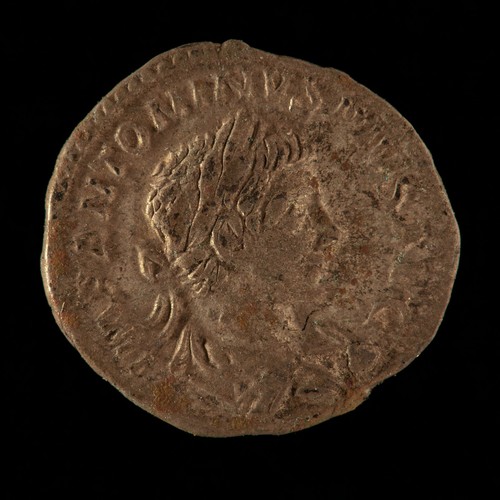
Denarius of Elagabalus
Silver denarius of the young Severan emperor Elagabalus (218–222 AD), with his laureate bust and a standing personified deity on the reverse.
Ancient