
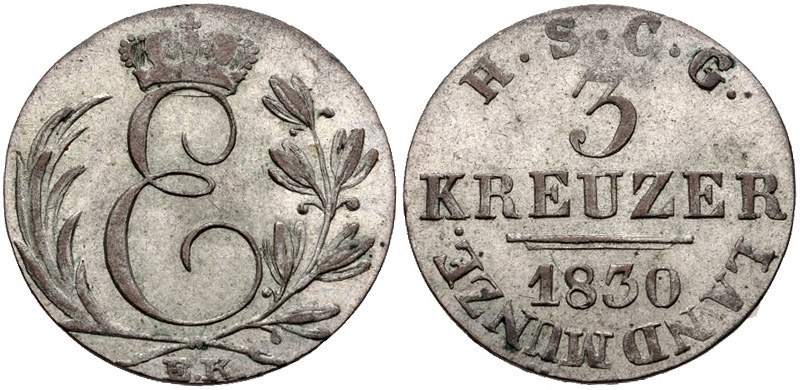
Gotha 3 Kreuzer
A small silver 3 Kreuzer of the German state of Gotha, dated 1830, with an ornate armorial obverse and a laurel-wreath value reverse.
- Country
- Gotha
- Denomination
- 3 Kreuzer
- Metal
- Silver
Got a coin like this?
Identify any coin from a photo, free.
Overview
The Gotha 3 Kreuzer is a small silver coin of the German state associated with Gotha, dated 1830. It belongs to the Kreuzer-based small-change coinage used across much of central and southern Germany before unification, where the Kreuzer served as a fractional unit within the Gulden system.
The piece shown pairs an elaborate coat of arms — a shield surrounded by decorative scrollwork — on the obverse with a plain, legible value-and-date reverse reading 3 KREUZER and 1830 inside a laurel wreath. This layout, heraldry on one face and the denomination framed by a wreath on the other, is typical of the minor silver issues of the German ducal states in the early 19th century.
History & Background
In 1830 the town and territory of Gotha lay within the Ernestine Saxon lands ruled by the House of Saxe-Coburg and Gotha, which had been reorganized in the mid-1820s. These small duchies of the German Confederation each retained the right to strike their own coinage, producing modest quantities of silver and billon small change alongside larger talers and gulden.
The 3 Kreuzer was a workaday denomination for everyday transactions. Because the German states had not yet adopted a single currency, coins like this circulated regionally under the Kreuzer/Gulden convention common to the south and center, and were valued partly by their silver content.
Dated issues such as the 1830 shown here were struck in limited runs by the ducal mint and later gave way to the standardized coinages that followed the mid-century monetary conventions and, ultimately, German unification and the mark in the 1870s.
How to Identify
Obverse: an ornate coat of arms — a heraldic shield set within decorative scrollwork and flourishes. The arms identify the ruling house; look for surrounding legend text naming the duke or duchy, which helps confirm the specific state.
Reverse: the denomination 3 KREUZER with the date 1830, enclosed by a laurel wreath. The wreath-framed value is the quickest way to read the coin's denomination and year.
Physical clues: this is a small silver (or low-grade silver/billon) coin, considerably smaller and lighter than a taler or gulden. Expect a modest diameter appropriate to a 3-Kreuzer piece, a thin flan, and the pale tone of a low-silver alloy. The combination of armorial obverse, wreathed 3 KREUZER reverse, and the 1830 date is the defining fingerprint of the type.
Value & Collectibility
As a minor silver denomination, the Gotha 3 Kreuzer carries only a small intrinsic silver value, so its worth comes mainly from condition and collector demand for German States small change. Well-worn examples are inexpensive, while sharp, problem-free coins with clear heraldic detail command a premium.
Values vary with the exact state attribution, strike quality, eye appeal, and whether the piece has been cleaned or damaged. Because prices for 19th-century German ducal minors are modest but variable, check recent auction and dealer listings for the matching state and date, and let condition drive the estimate rather than any single quoted figure.
Frequently asked questions
What is a Gotha 3 Kreuzer?
It is a small silver coin of the German state of Gotha, here dated 1830, showing an ornate coat of arms on one side and the denomination 3 KREUZER within a laurel wreath on the other.
What was a Kreuzer worth?
The Kreuzer was a small fractional unit in the Gulden currency system used across central and southern Germany. Three Kreuzer was a low, everyday denomination for small purchases.
Is it made of real silver?
Minor denominations like the 3 Kreuzer were struck in silver or a low-grade silver alloy (billon). The intrinsic silver content is small, so most of a specimen's value comes from condition and collector interest.
Why does it show a coat of arms?
The armorial shield and scrollwork identify the ruling ducal house of the state that issued the coin, a standard design choice for German ducal coinage of the early 19th century.
Is a Gotha 3 Kreuzer valuable?
It is generally an affordable German States minor. Common worn pieces are inexpensive, while sharply struck, undamaged examples with crisp detail are worth more to collectors.
Gotha 3 Kreuzer guides
In-depth guides for identifying, valuing, and collecting Gotha 3 Kreuzer.
Other coins you may enjoy
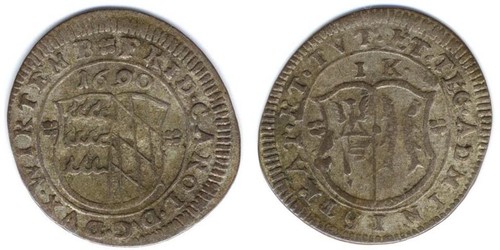
Württemberg Kreuzer
17th century (example dated 1690)
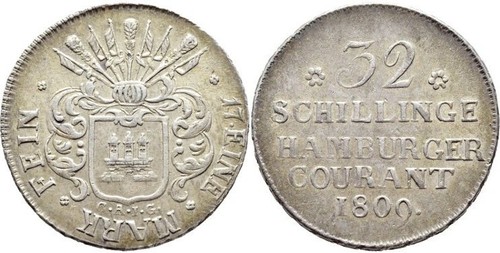
Hamburg 32 Schilling
1800
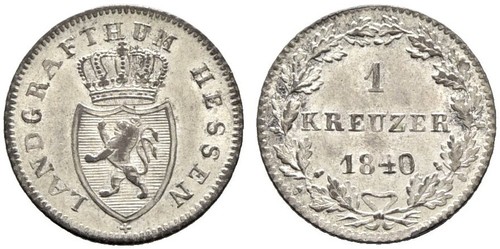
Hessen-Homburg Kreuzer
1840
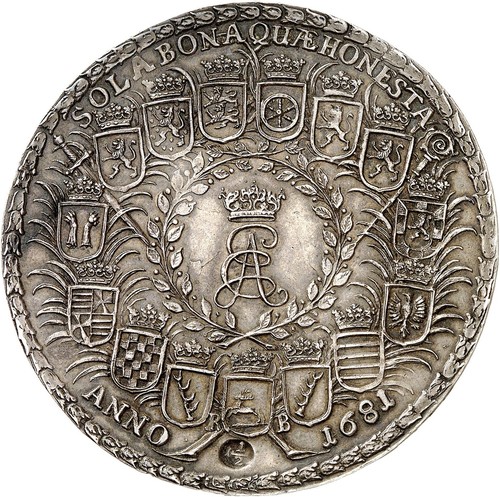
Hanover-Luneburg 1.5 Thaler
1681 (dated example)
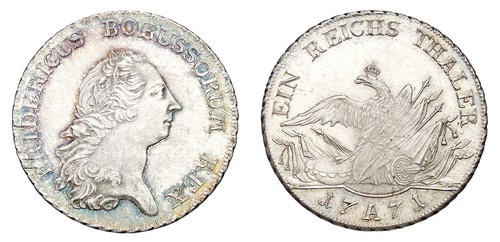
Prussian Taler
1750s–1786 (reign of Frederick II)
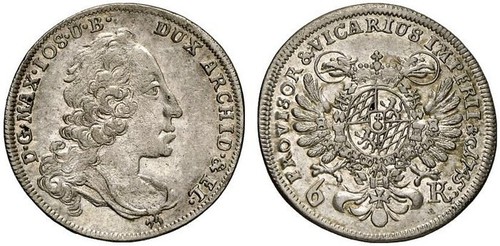
Bavaria 6 Kreuzer
1745 (issue shown)
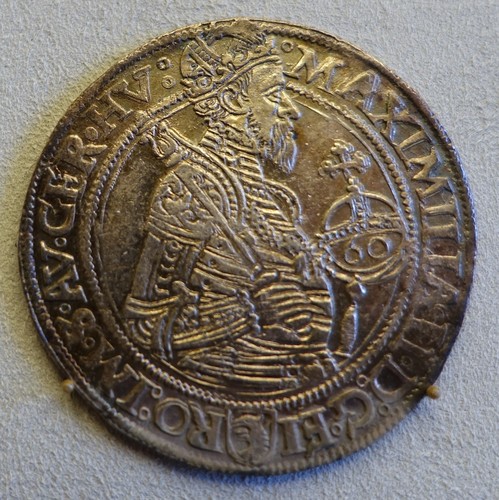
60 Kreuzer Guldiner
1568
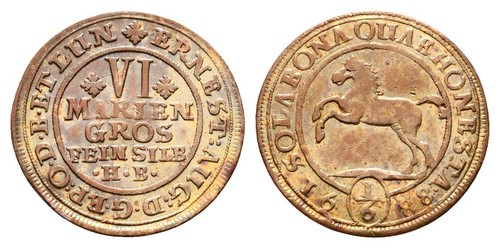
Hanover 1/6 Thaler
1688
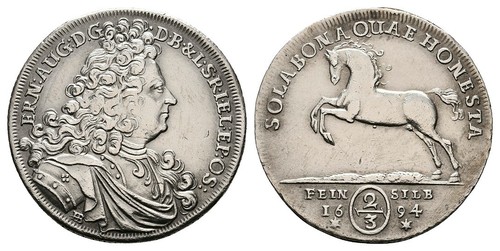
Hanover 2/3 Thaler
1694
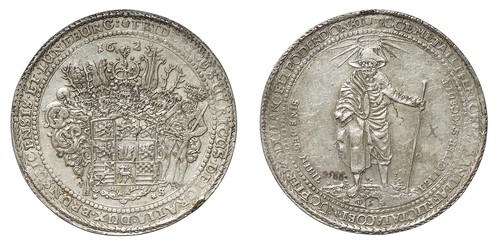
Braunschweig-Lüneburg Thaler
17th–18th century
Braunschweig-Lüneburg 3 Thaler
1685 (late 17th century)
Frankfurt am Main Taler
1772