
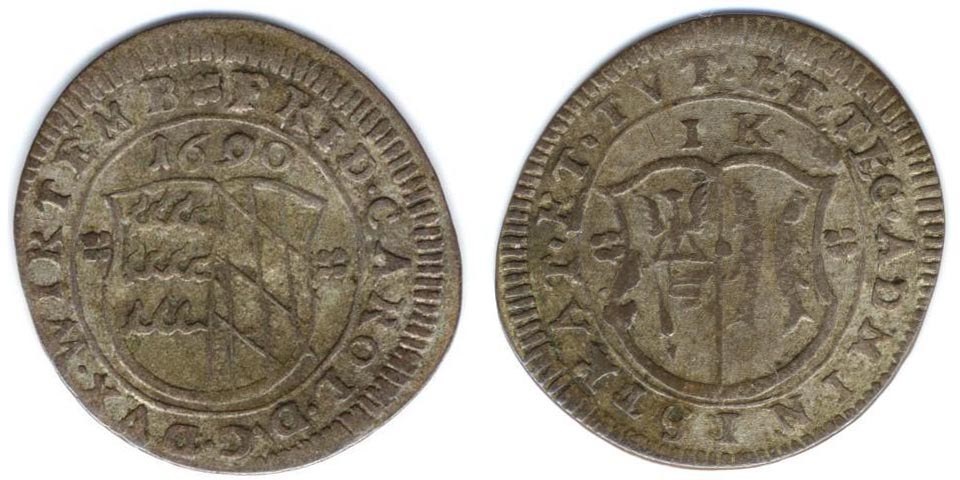
Württemberg Kreuzer
A small silver 1 Kreuzer of the Duchy of Württemberg, dated 1690, with a heraldic coat of arms and a crowned shield over scrollwork.
- Country
- Württemberg
- Denomination
- 1 Kreuzer
- Metal
- Silver
Got a coin like this?
Identify any coin from a photo, free.
Overview
The Württemberg Kreuzer is a small silver coin issued by the Duchy of Württemberg, a German state in the southwest of the Holy Roman Empire. The example shown is dated 1690 and carries the denomination of 1 Kreuzer, one of the low-value everyday coins of the region.
The obverse displays a coat of arms with a heraldic shield and supporting elements, with the date 1690, while the reverse shows a heraldic shield beneath a crown, set above decorative scrollwork. This pairing of dynastic heraldry with a crowned shield is typical of the small silver coinage struck by the German territorial states in the late 17th century.
History & Background
The Kreuzer was a widely used unit of small change across southern Germany, Austria, and neighboring lands from the late Middle Ages into the 19th century. Its name derives from the cross (Kreuz) that appeared on early examples. Within the Holy Roman Empire the many territorial rulers each struck their own coinage, so a Württemberg Kreuzer circulated alongside similar pieces from Bavaria, Baden, the imperial cities, and dozens of other states.
The Duchy of Württemberg, centered on Stuttgart, was one of the larger and more prosperous principalities of the German southwest. A coin dated 1690 falls within the reign of the House of Württemberg during a turbulent period marked by the wars of the late 17th century. Small denominations like the Kreuzer were essential for daily commerce, and were produced in large numbers to meet the needs of local trade.
Because coinage of this era followed the shifting standards of the empire and the ambitions of individual rulers, the design, fineness, and exact weight of Kreuzer issues varied from year to year and from mint to mint.
How to Identify
Obverse: a heraldic coat of arms built around a shield with supporting elements, together with the date 1690. The arms identify the issuing authority — the Duchy of Württemberg — and are the primary clue to attribution alongside any surrounding legend.
Reverse: a heraldic shield surmounted by a crown, set above decorative scrollwork. The denomination is typically indicated on the coin as a numeral or mark of value; a 1 Kreuzer will show the value of one.
Physical clues: the coin is silver (often a low-grade billon-style alloy for such small change), small and thin, and struck rather than cast. Expect an irregular, hand-struck appearance with soft or off-center areas that is normal for 17th-century minor coinage. The legends are in Latin or German abbreviations naming the duke and territory.
Value & Collectibility
As a low-denomination silver coin, the Württemberg Kreuzer was made in quantity, so common dates in worn condition are modest in value and trade as affordable pieces of German States history. Condition is the main driver: a clear, well-centered example with sharp heraldry and a legible date is worth considerably more than a worn or corroded one.
Specific years, mint varieties, and any error or unusual die can command premiums with collectors of German territorial coinage. Because small silver of this era was thin and prone to wear, damage, and cleaning, eye appeal and originality matter. For any particular coin, compare recent sales of the same date and type and, for higher grades or scarcer varieties, seek a specialist opinion rather than relying on bullion value alone.
Frequently asked questions
What is a Württemberg Kreuzer?
It is a small silver coin of 1 Kreuzer struck by the Duchy of Württemberg, a German state in the southwest of the Holy Roman Empire. The example shown is dated 1690.
What is shown on the coin?
The obverse has a heraldic coat of arms with a shield and the date 1690, while the reverse shows a crowned heraldic shield above decorative scrollwork.
What is a Kreuzer?
The Kreuzer was a small unit of everyday money used across southern Germany and Austria for centuries. Its name comes from the cross (Kreuz) that appeared on early examples.
Is a Württemberg Kreuzer valuable?
Common worn examples are modest, everyday collector pieces. Value rises sharply with condition, and scarcer dates or varieties can command premiums, so grade and rarity matter most.
Is the coin really silver?
It is a silver coin, though small change of this era was often a low-grade silver alloy. Weigh and measure the piece and compare it to catalog data to confirm the metal and type.
Württemberg Kreuzer guides
In-depth guides for identifying, valuing, and collecting Württemberg Kreuzer.
Other coins you may enjoy
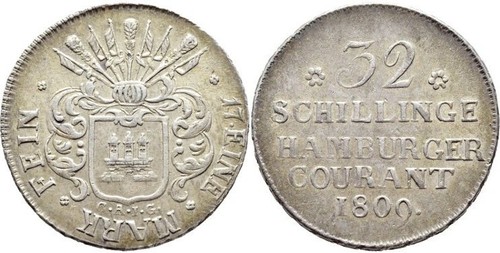
Hamburg 32 Schilling
1800
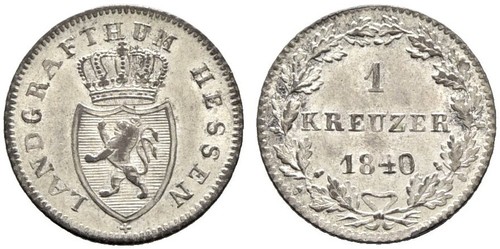
Hessen-Homburg Kreuzer
1840
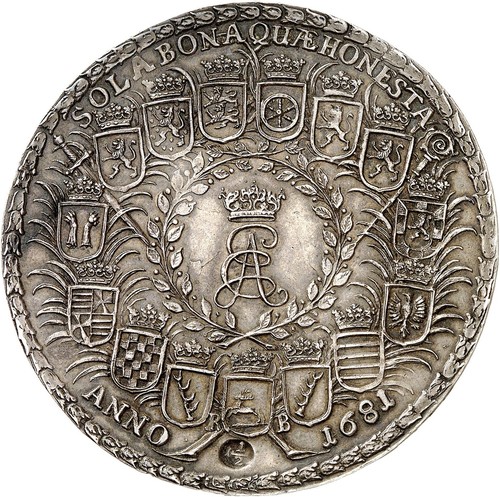
Hanover-Luneburg 1.5 Thaler
1681 (dated example)
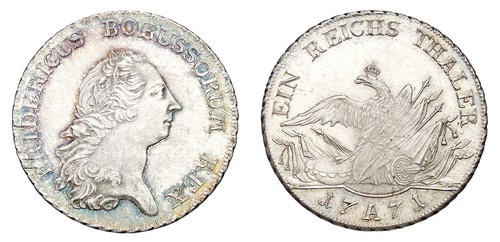
Prussian Taler
1750s–1786 (reign of Frederick II)
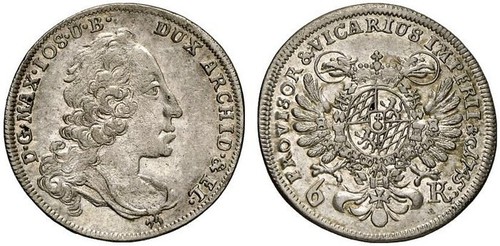
Bavaria 6 Kreuzer
1745 (issue shown)
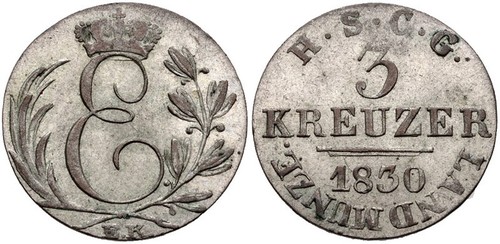
Gotha 3 Kreuzer
1830
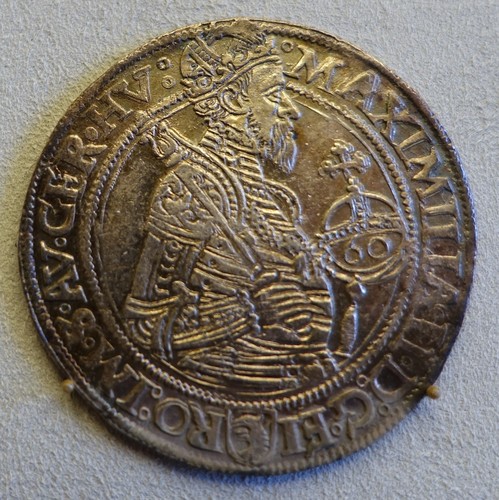
60 Kreuzer Guldiner
1568
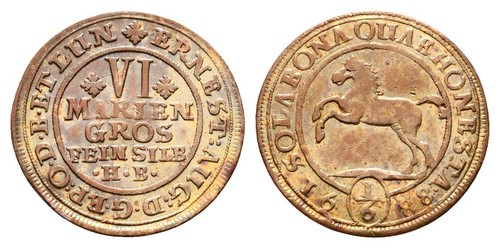
Hanover 1/6 Thaler
1688
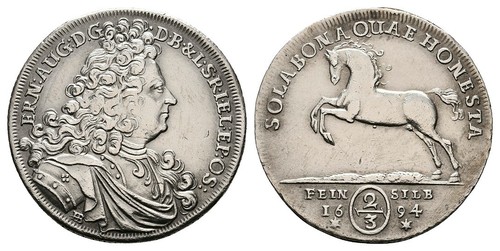
Hanover 2/3 Thaler
1694
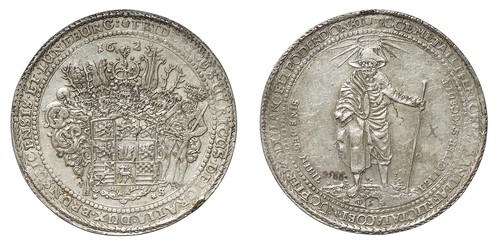
Braunschweig-Lüneburg Thaler
17th–18th century
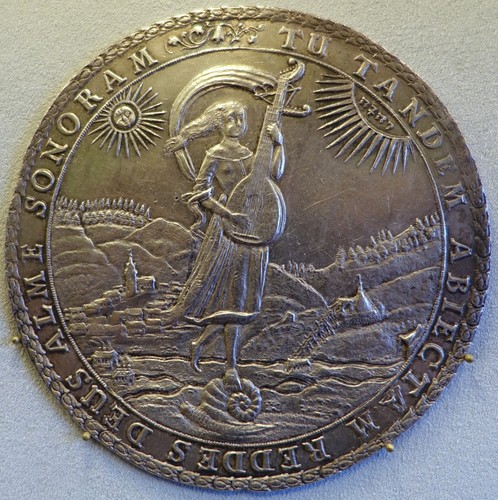
Braunschweig-Lüneburg 3 Thaler
1685 (late 17th century)
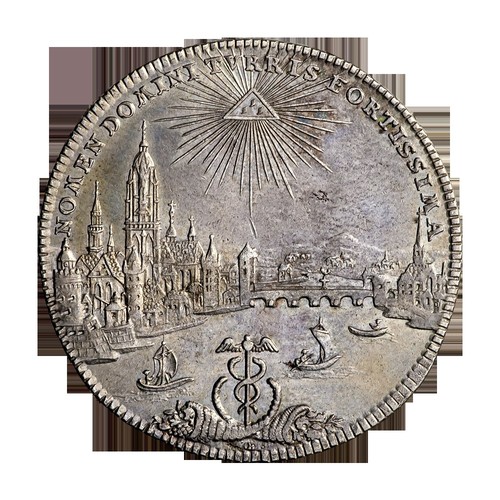
Frankfurt am Main Taler
1772