
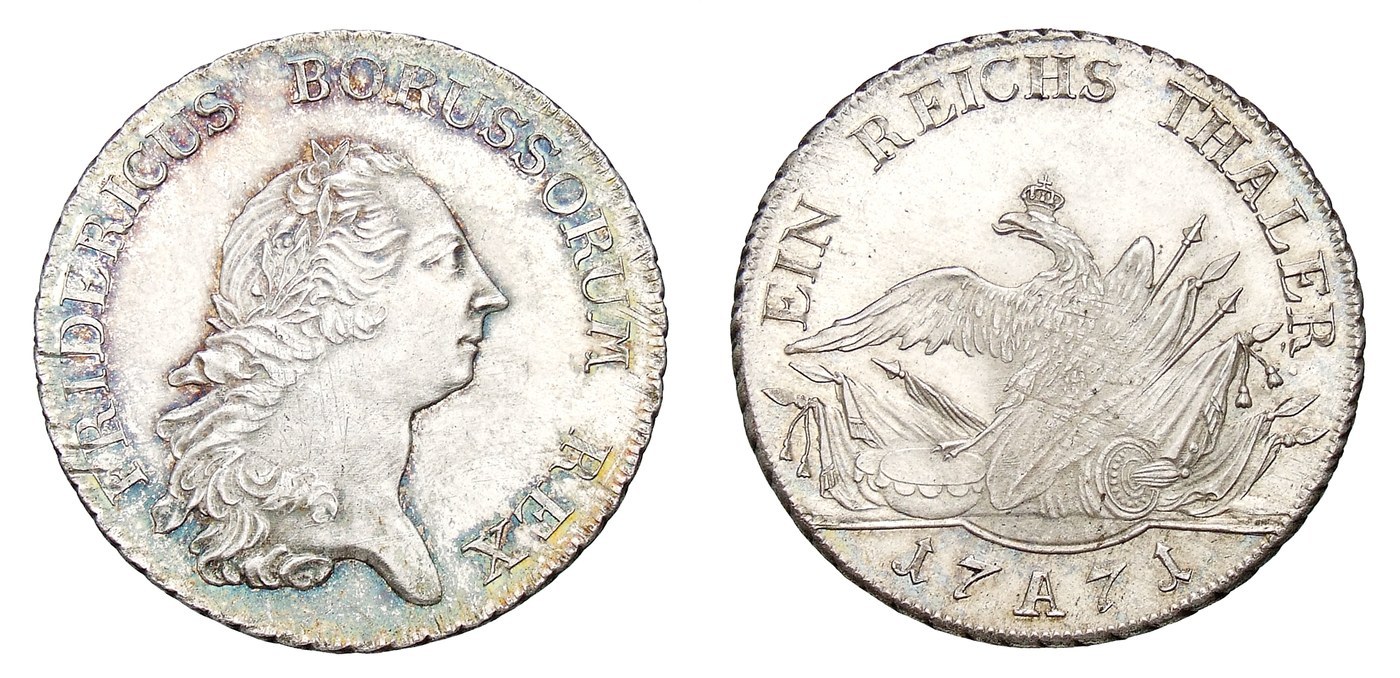
Prussian Taler
A large silver taler of the Kingdom of Prussia showing the crowned profile of Frederick II and a heraldic coat of arms, struck through the mid-to-late 1700s.
- Country
- Prussia
- Denomination
- Taler
- Metal
- Silver
Got a coin like this?
Identify any coin from a photo, free.
Overview
The Prussian Taler is a large silver coin of the Kingdom of Prussia, one of the leading German states of the eighteenth century. The example shown here bears the crowned profile bust of Frederick II (Friedrich II, "Frederick the Great") on the obverse, identified by the Latin legend FRIDERICUS BORUSSORUM REX — "Frederick, King of the Prussians" — with a heraldic coat of arms on the reverse.
The taler was the standard large silver trade and circulation coin across the German-speaking lands, and Prussia's issues under Frederick II are among the most familiar of the type. Struck in silver to a substantial size and weight, it functioned as a high-value everyday coin and a recognizable store of value.
As a widely produced eighteenth-century silver coin of a major reign, the Prussian Taler is a popular and historically resonant collectible today, valued both as a portrait coin of Frederick the Great and as a representative German States taler.
History & Background
Frederick II ruled Prussia from 1740 to 1786, a period in which the kingdom rose to major power status through the Silesian Wars and the Seven Years' War. His silver talers were struck over much of this reign, and the dates seen on surviving pieces generally fall across the 1750s through 1786, the year of his death.
During Frederick's reign Prussia reformed its coinage standard, and the taler was issued against the mid-eighteenth-century Prussian silver standard used for the kingdom's large denomination. Coins were produced at several Prussian mints, each identified by a small mint-master or mint letter within the design, so the same basic type appears with different mint marks and dates.
Because the taler circulated widely and was minted over many years, it survives in considerable numbers across a range of dates and mints. It sits within the broader family of German States talers that preceded the unified German coinage of the later nineteenth century.
How to Identify
Obverse (portrait side): the crowned or cuirassed profile bust of Frederick II facing right or left, surrounded by the Latin legend FRIDERICUS BORUSSORUM REX (Frederick, King of the Prussians). The wording and the individualized portrait are the key identifiers of the ruler and the type.
Reverse (arms side): a heraldic coat of arms — the crowned Prussian eagle arms, often within an ornate frame or decorative border — accompanied by the date and, on many pieces, small letters indicating the mint and mint-master. Size and metal: a large, heavy silver coin, considerably bigger and weightier than the minor silver denominations of the same reign.
The fastest confirmation is the FRIDERICUS BORUSSORUM REX legend paired with the crowned profile portrait on one side and the heraldic arms with a date on the other. The large module and bright-to-toned silver appearance separate the full taler from smaller Prussian silver such as the fractional groschen and lesser pieces.
Value & Collectibility
Prussian Talers of Frederick II are collectible but not uniformly rare; the value of any single coin depends heavily on its date, mint, variety and, above all, its state of preservation. Well-worn examples of common dates are the most affordable, while sharp, high-grade pieces with strong portrait detail command substantial premiums.
Scarcer dates, particular mints and die varieties can be worth considerably more than ordinary issues, and problem-free original surfaces are prized over cleaned or damaged coins. Because these are older hammered-to-milled silver pieces, wear, edge knocks, mount marks and old cleaning all weigh on price.
Values move with the collector market and with silver, so treat any single figure as a rough guide only. For a specific coin, compare recent auction results for the same date, mint and grade, and consider third-party authentication for higher-value examples.
Frequently asked questions
Whose portrait is on this Prussian Taler?
It shows Frederick II of Prussia, known as Frederick the Great, identified by the Latin legend FRIDERICUS BORUSSORUM REX meaning 'Frederick, King of the Prussians.'
What does FRIDERICUS BORUSSORUM REX mean?
It is Latin for 'Frederick, King of the Prussians,' naming the ruler Frederick II who reigned from 1740 to 1786.
What metal is the Prussian Taler made of?
It is a large silver coin, struck to the Prussian silver standard of the mid-eighteenth century, and is noticeably heavier than the smaller silver denominations of the reign.
Is the Prussian Taler valuable?
It is collectible, with value depending on date, mint and condition. Worn common dates are modest, while sharp high-grade or scarce-mint examples can be worth considerably more.
What is on the reverse of the coin?
The reverse shows a heraldic coat of arms, typically the crowned Prussian eagle within a decorative border, along with the date and small mint or mint-master letters.
Prussian Taler guides
In-depth guides for identifying, valuing, and collecting Prussian Taler.
Other coins you may enjoy
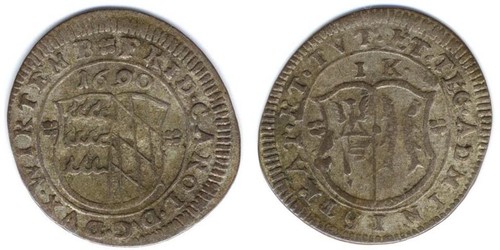
Württemberg Kreuzer
17th century (example dated 1690)
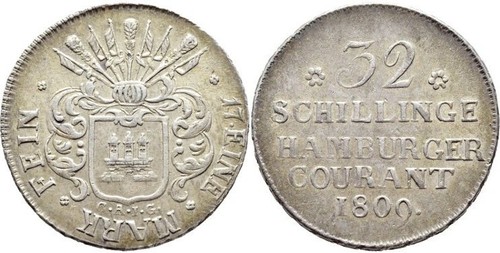
Hamburg 32 Schilling
1800
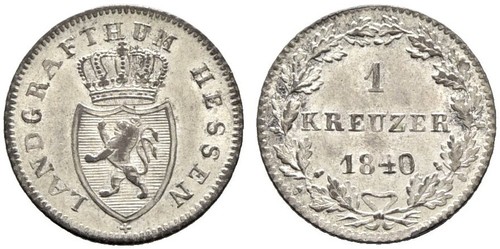
Hessen-Homburg Kreuzer
1840
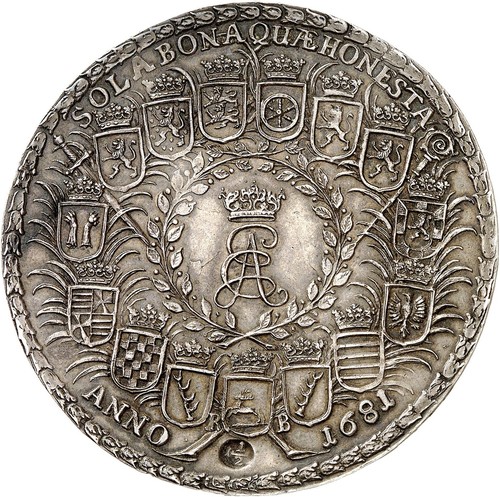
Hanover-Luneburg 1.5 Thaler
1681 (dated example)
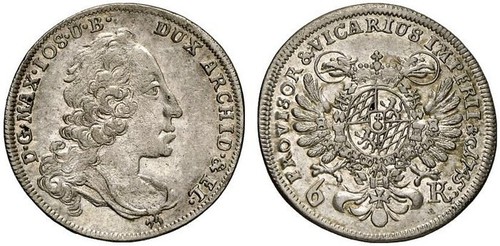
Bavaria 6 Kreuzer
1745 (issue shown)
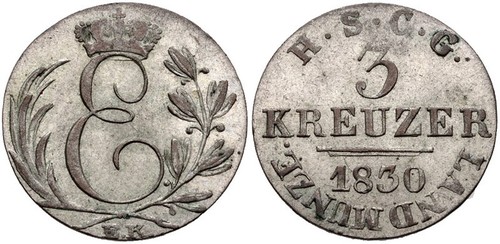
Gotha 3 Kreuzer
1830
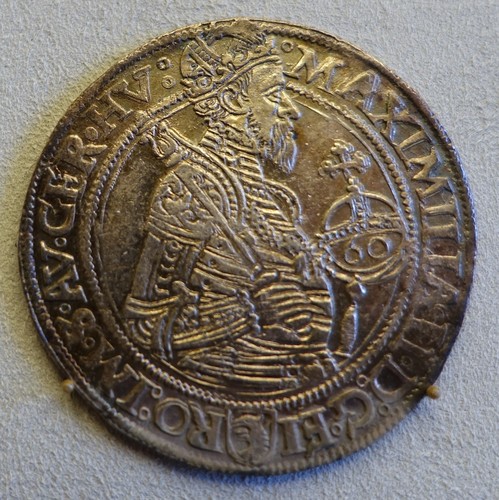
60 Kreuzer Guldiner
1568
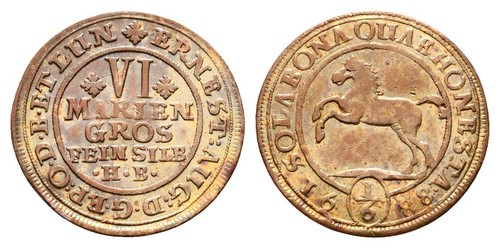
Hanover 1/6 Thaler
1688
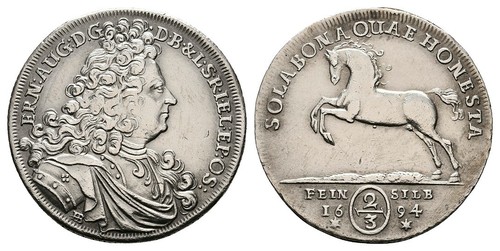
Hanover 2/3 Thaler
1694
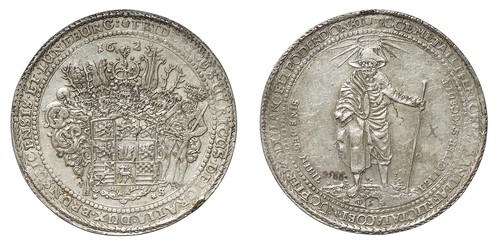
Braunschweig-Lüneburg Thaler
17th–18th century
Braunschweig-Lüneburg 3 Thaler
1685 (late 17th century)
Frankfurt am Main Taler
1772