
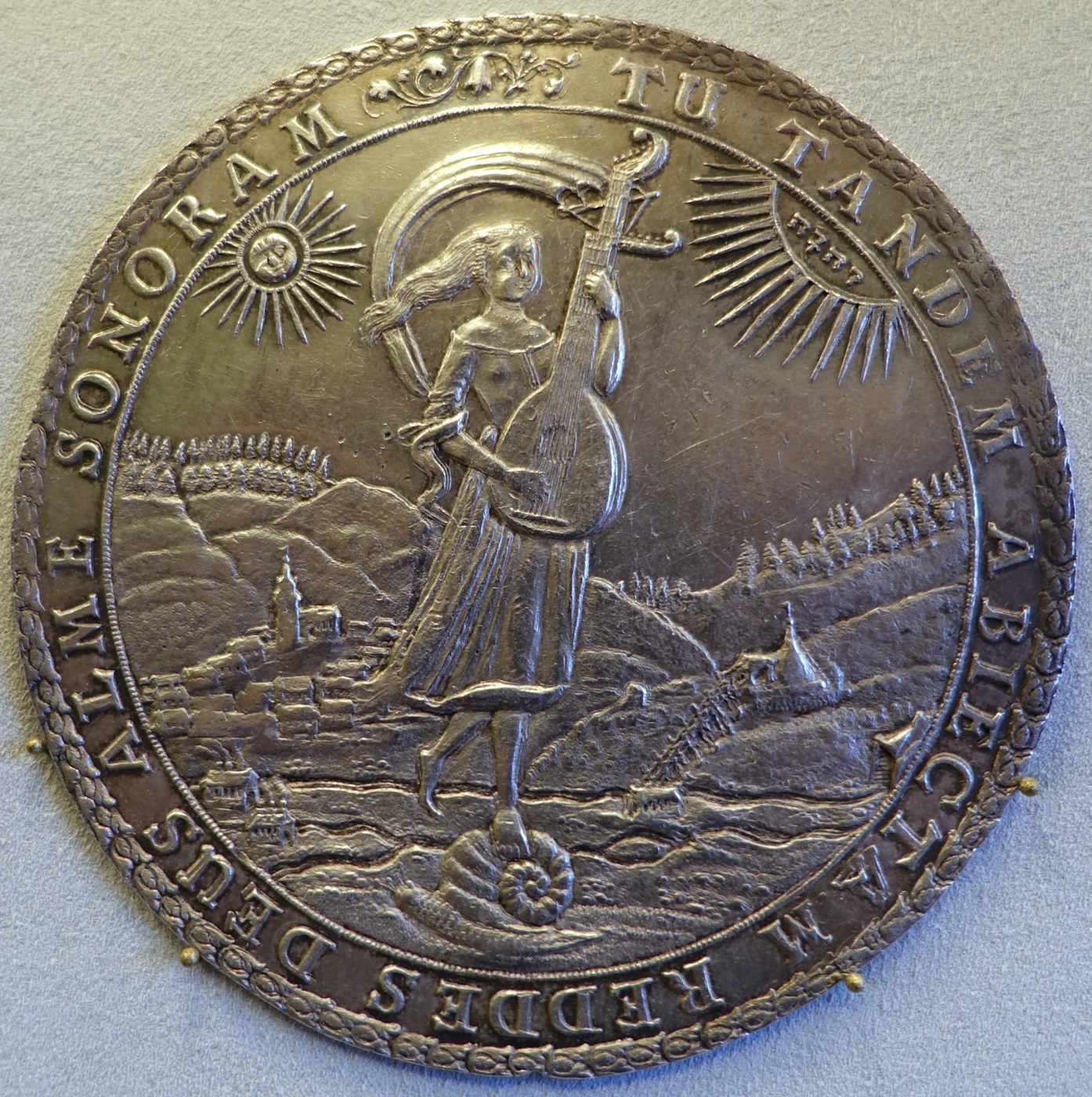
Braunschweig-Lüneburg 3 Thaler
A large silver 3 Thaler of Braunschweig-Lüneburg dated 1685, its obverse showing an allegorical Libertas figure in classical dress against a landscape.
- Country
- Braunschweig-Lüneburg
- Denomination
- 3 Thaler
- Metal
- Silver
Got a coin like this?
Identify any coin from a photo, free.
Overview
The Braunschweig-Lüneburg 3 Thaler is a large, heavy silver coin struck by one of the Welf (Guelph) ducal lines of Brunswick-Lüneburg in northern Germany. A multiple-thaler denomination like this represented three times the value of a standard silver thaler and belongs to a German tradition of oversized presentation and prestige coinage.
The example shown is dated 1685 and carries on its obverse an allegorical female figure — Libertas (Liberty) — in classical dress, set against a landscape background. Large silver pieces of this kind were often broad, weighty coins meant to display the wealth and standing of the issuing house as much as to circulate as ordinary money. The reverse is not visible in this image, but on coins of this series it would typically carry heraldic and inscriptional content identifying the ducal issuer.
History & Background
Braunschweig-Lüneburg (Brunswick-Lüneburg) was a duchy of the Holy Roman Empire ruled by branches of the House of Welf. Over the 16th and 17th centuries the territory was repeatedly divided among family lines — including Wolfenbüttel, Calenberg (later Hannover), and Lüneburg-Celle — each of which struck its own coinage while sharing the common Braunschweig-Lüneburg name and the famous Welf horse in its heraldry.
The region was rich in silver from the Harz mountains, and this abundant supply of metal made it a center for large silver coinage. The dukes became especially known for the Löser, an outsized multiple thaler produced from the later 16th century onward. Multiple-thaler denominations such as the 3 Thaler were struck as prestige and presentation pieces, showcasing dynastic imagery, mining wealth, and elaborate engraving rather than serving purely as small-change currency.
A coin dated 1685 places this piece in the later 17th century, during the era when the several Brunswick-Lüneburg lines were consolidating and the Calenberg-Hannover branch was rising toward its eventual electoral and, later, British royal connections.
How to Identify
Obverse (as seen): an allegorical standing female figure, Libertas, in flowing classical dress, set against a landscape with a natural or scenic background. Allegorical Liberty imagery of this sort is a distinctive obverse choice and, combined with a German legend, points toward a Brunswick-Lüneburg multiple-thaler issue.
Reverse (not visible here): on coins of this series the reverse commonly carries heraldry and Latin or German inscriptions — typically the arms of the issuing ducal line, the Welf leaping horse, ducal titles, and the denomination or a value expression. Confirming the reverse legend is essential to attribute the piece to a specific line and mint.
Physical clues: this is a large, thick silver coin, substantially heavier and broader than an ordinary single thaler because it is a triple-thaler denomination. Expect a wide flan, deep relief, and edge and weight consistent with roughly three thaler weights of silver. The date 1685 should appear in the design or legend. Because size, weight, and precise imagery vary by ducal line and by whether the piece is a struck multiple or a Löser-style presentation coin, use the full legend to pin down the exact issue.
Value & Collectibility
Multiple-thaler coins of Braunschweig-Lüneburg are prestige silver pieces and generally command far more than a common single thaler. Value is driven by the specific ducal line and mint, the weight and size of the piece, the artistry of the dies, condition and originality of surfaces, and how few comparable examples survive. A large, well-preserved 17th-century triple thaler is a significant collector item, not a bullion coin.
Because exact issues, weights, and survival rates differ so widely across the Brunswick-Lüneburg lines, prices range broadly — from substantial sums for worn or lesser examples up to very high figures for choice, well-documented pieces. These desirable and valuable coins are also targets for casts and forgeries, so any potential purchase should be checked against recent auction results for the exact type and, ideally, authenticated or slabbed by a recognized grading service.
Frequently asked questions
What is a Braunschweig-Lüneburg 3 Thaler?
It is a large silver multiple-thaler coin — worth three standard thalers — struck by a ducal line of Brunswick-Lüneburg in northern Germany. The example shown is dated 1685.
Who is the figure on the obverse?
The obverse shows an allegorical female figure representing Libertas (Liberty) in classical dress, set against a landscape background.
Why is it so large and heavy?
As a triple-thaler denomination it contains roughly three thalers' worth of silver, making it a broad, thick prestige piece. The Harz mountains supplied the abundant silver that made such large coins possible.
Is it the same as a Löser?
It is closely related. The Löser was the Brunswick-Lüneburg tradition of outsized multiple thalers, and a 3 Thaler falls within that family of large presentation coinage, though exact size and form vary by issue.
Is a 3 Thaler valuable?
Yes — multiple thalers are prestige coins worth well above a single thaler, though exact value depends on the ducal line, weight, condition, and rarity. Have any example authenticated, as these coins are widely faked.
Braunschweig-Lüneburg 3 Thaler guides
In-depth guides for identifying, valuing, and collecting Braunschweig-Lüneburg 3 Thaler.
Other coins you may enjoy
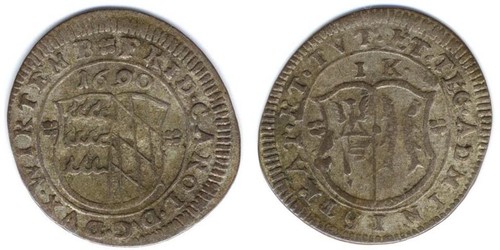
Württemberg Kreuzer
17th century (example dated 1690)
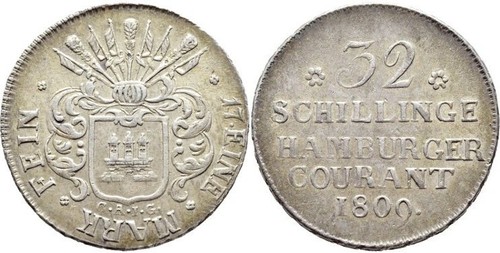
Hamburg 32 Schilling
1800
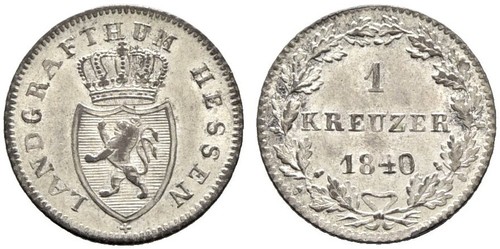
Hessen-Homburg Kreuzer
1840
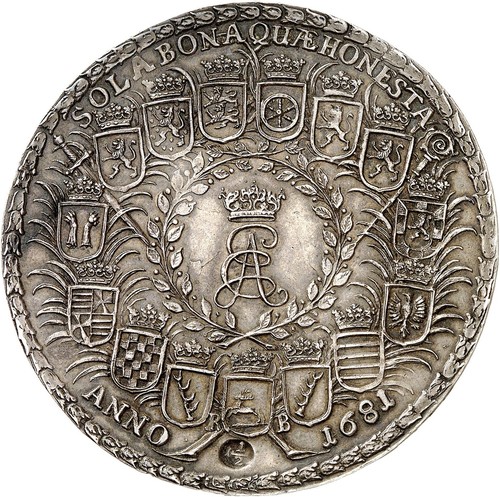
Hanover-Luneburg 1.5 Thaler
1681 (dated example)
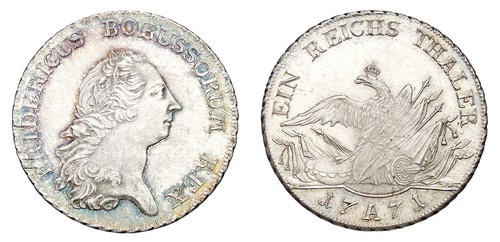
Prussian Taler
1750s–1786 (reign of Frederick II)
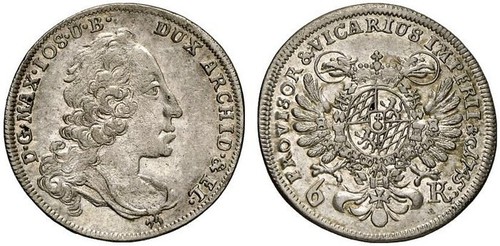
Bavaria 6 Kreuzer
1745 (issue shown)
Gotha 3 Kreuzer
1830
60 Kreuzer Guldiner
1568
Hanover 1/6 Thaler
1688
Hanover 2/3 Thaler
1694
Braunschweig-Lüneburg Thaler
17th–18th century
Frankfurt am Main Taler
1772