
How to Identify the Braunschweig-Lüneburg 3 Thaler
Identify a Brunswick-Lüneburg 3 Thaler by its huge silver flan, Libertas-and-landscape obverse, Welf heraldry, the 1685 date, and its triple-thaler weight.
Read the full Braunschweig-Lüneburg 3 Thaler encyclopedia entry →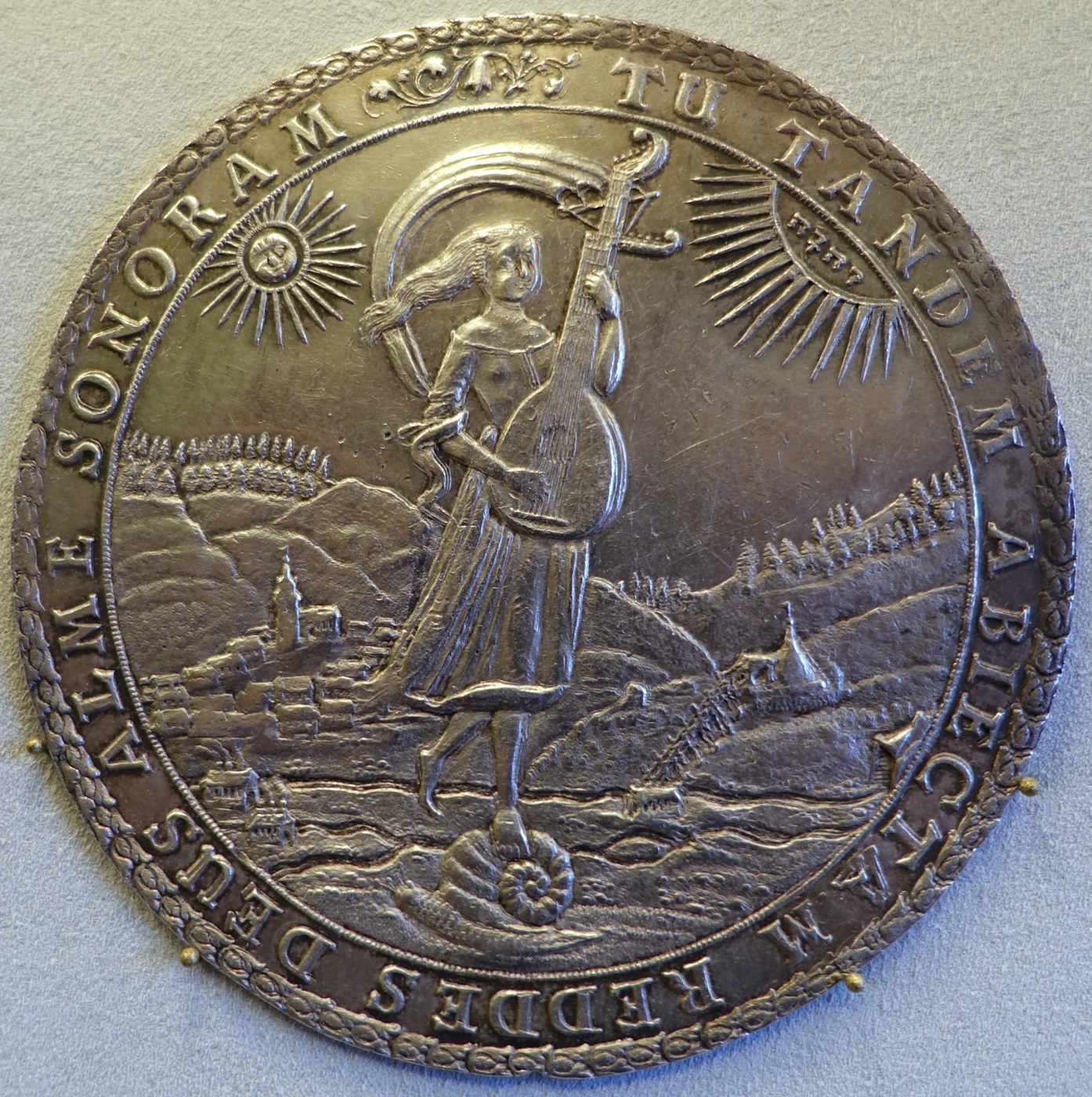
Start with the sheer size and weight. A 3 Thaler is a triple-thaler — a broad, thick silver disc carrying roughly three times the metal of a normal thaler. Before reading any detail, confirm you are holding an unusually large, heavy silver coin; ordinary single thalers of the same era are much smaller and lighter. Weighing and measuring the piece is the first and most decisive check.
Read the obverse imagery. On the example shown, the obverse bears an allegorical Libertas figure in classical dress against a landscape — a standing female personification rather than a portrait bust. Allegorical Liberty scenery is a distinctive design choice; note the figure's pose, drapery, and any Latin legend or motto around the rim, which help tie the coin to a specific Brunswick-Lüneburg issue.
Turn the coin to confirm the issuer. The reverse (not shown in this photo) should carry Welf heraldry — most notably the leaping horse — together with ducal arms, titles, and inscriptions, plus a value or denomination indicator. Brunswick-Lüneburg was split among several lines (Wolfenbüttel, Calenberg-Hannover, Lüneburg-Celle), so the reverse legend is what pins the piece to the correct branch and mint. Locate the 1685 date in the design or legend to match the observed example.
Check the metal, edge, and relief. Genuine pieces are struck in good silver with deep, crisp relief and a wide, often slightly irregular hand-struck flan. Inspect the edge for casting seams and the fields for the soft, granular texture that betrays a cast copy. Weight noticeably below expectation, a magnetic response, or blurry, mushy detail are all warning signs.
Watch for look-alikes and fakes. Multiple thalers and Löser of Brunswick-Lüneburg are prized and valuable, which makes them frequent targets for casts, tooled coins, and later reproductions. Do not confuse a 3 Thaler with a single thaler, a larger Löser, or a modern replica. Compare your coin's exact legends, weight, and dies against documented specimens and recent auction records, and have any high-value example authenticated by a reputable grading service before buying or selling.
Frequently asked questions
How do I tell a 3 Thaler from an ordinary thaler?
By weight and diameter. A 3 Thaler holds roughly three times the silver of a single thaler, so it is markedly broader, thicker, and heavier. Weighing and measuring the coin is the clearest test.
Which Brunswick-Lüneburg line struck it?
The reverse legend and arms determine that. Brunswick-Lüneburg was divided among lines such as Wolfenbüttel, Calenberg-Hannover, and Lüneburg-Celle, so read the ducal titles and Welf heraldry to attribute the exact issuer and mint.
What confirms the date and type?
Look for the 1685 date within the legend or design, the allegorical Libertas obverse against a landscape, and the Welf leaping horse and ducal arms on the reverse. All should agree before you settle on an attribution.
How can I spot a fake?
Check that the metal is good silver and non-magnetic, weigh and measure against known examples, and inspect the edge for casting seams and the fields for soft, grainy detail. These valuable coins are widely copied, so authenticate any significant piece professionally.