
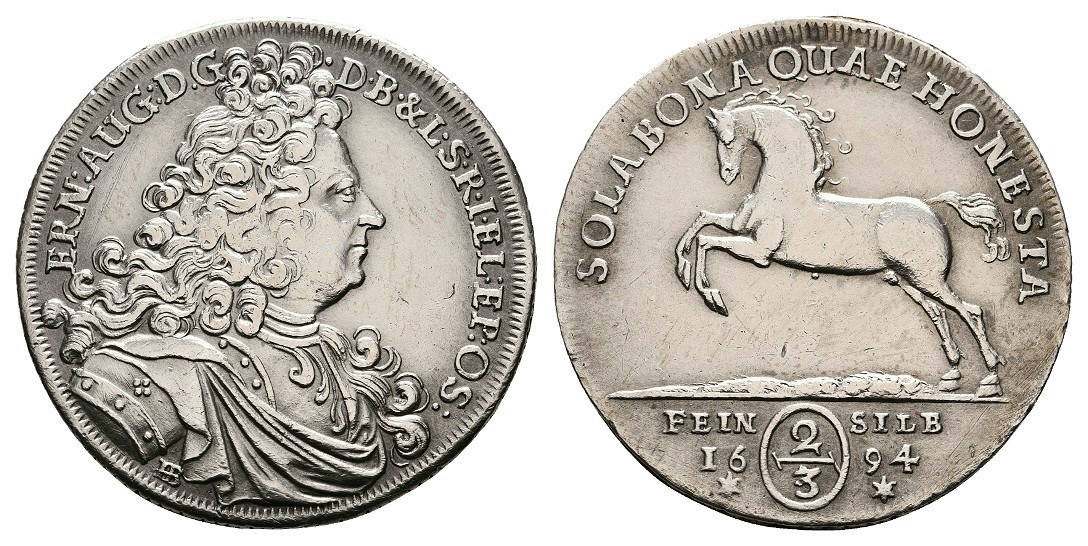
Hanover 2/3 Thaler
A large German States silver 2/3 Thaler of Brunswick-Luneburg (Hanover) dated 1694, with an ornate coat of arms and the leaping Saxon horse reverse.
- Country
- Germany (Hanover)
- Denomination
- 2/3 Thaler
- Metal
- Silver
Got a coin like this?
Identify any coin from a photo, free.
Overview
The Hanover 2/3 Thaler is a large silver coin of the Electorate of Brunswick-Luneburg, the German state centered on Hanover. The example shown is dated 1694 and carries an elaborate heraldic coat of arms on the obverse and the famous rearing (leaping) horse of Lower Saxony on the reverse, alongside a denomination mark.
The 2/3 Thaler was a major everyday silver piece in the northern German states, equal to two-thirds of a full Reichsthaler and often reckoned as a Gulden or as 24 Mariengroschen in local accounting. Its broad flan and full armorial display make it one of the more visually striking German States coins of the late 17th century.
History & Background
Hanover (Brunswick-Luneburg) was raised to an Electorate in 1692 under Ernst August, and coins of the 1690s belong to this early electoral period. A piece dated 1694 falls within his reign, at a time when the House of Brunswick-Luneburg was consolidating its status shortly before its dynastic link to the British crown in 1714.
The 2/3 Thaler denomination spread widely across northern Germany after the Leipzig standard (Leipziger Fuss) was adopted around 1690, which made the two-thirds Thaler a convenient large silver trade and circulation coin. Many German States, free cities, and princely mints struck their own 2/3 Thaler to this standard, so the type is closely tied to the monetary reforms of the era.
The leaping horse on the reverse is the Saxon Steed (Sachsenross), the ancient heraldic emblem of the Welf dynasty and of Lower Saxony, which remains associated with Hanover to this day.
How to Identify
Obverse: an ornate coat of arms with a full heraldic display, the multi-quartered arms of Brunswick-Luneburg, typically surrounded by a Latin legend naming the ruler and titles, with the date 1694.
Reverse: the rearing/leaping horse of Lower Saxony shown in profile, usually over ground, accompanied by a denomination mark (the fraction indicating two-thirds Thaler) and often a motto or legend.
Physical clues: this is a substantial silver coin, broad and fairly thick, on the order of roughly 30-40 mm across and near 17 grams, consistent with the 2/3 Thaler of the Leipzig standard. Genuine pieces show crisp heraldic detail, period lettering, and toned silver surfaces.
Value & Collectibility
Value depends heavily on grade, strike quality, eye appeal, and the specific mint and variety. Well-worn or damaged examples are modest, while sharp, well-toned coins with full armorial detail command a strong premium among German States collectors.
As a large late-17th-century silver crown-sized fraction, a genuine 1694 Hanover 2/3 Thaler generally sits in the mid-to-higher collectible range rather than bullion-only territory, with scarcer varieties worth considerably more. For a specific figure, compare recent auction results for the same date, mint, and grade, and have high-value pieces evaluated by a specialist before buying or selling.
Frequently asked questions
What is a 2/3 Thaler?
It is a silver coin worth two-thirds of a full Reichsthaler. In the northern German states it was a major circulating denomination, often reckoned as a Gulden or as 24 Mariengroschen.
What is the horse on the reverse?
It is the Saxon Steed (Sachsenross), the leaping horse emblem of the Welf dynasty and of Lower Saxony, long associated with Brunswick-Luneburg and Hanover.
Is this coin real silver?
Yes. The 2/3 Thaler was struck in silver to the Leipzig standard, which is why it is a broad, fairly heavy coin of around 17 grams.
Who ruled Hanover in 1694?
Ernst August, the first Elector of Brunswick-Luneburg (created Elector in 1692), whose reign covers the 1694 date on this coin.
Is this the same Hanover linked to British kings?
Yes. The House of Brunswick-Luneburg (Hanover) provided Britain's Georgian kings from 1714, though this 1694 coin predates that union and is purely a German States issue.
Hanover 2/3 Thaler guides
In-depth guides for identifying, valuing, and collecting Hanover 2/3 Thaler.
Other coins you may enjoy
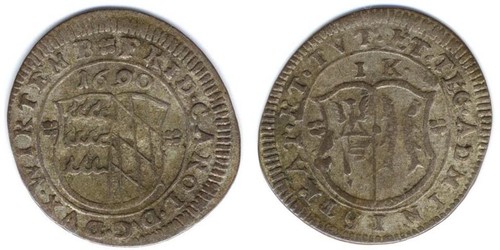
Württemberg Kreuzer
17th century (example dated 1690)
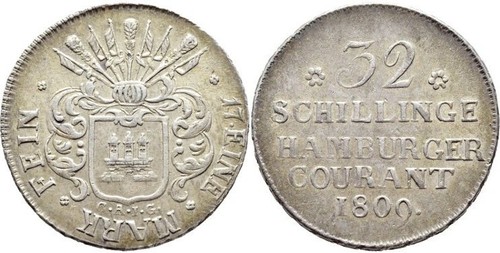
Hamburg 32 Schilling
1800
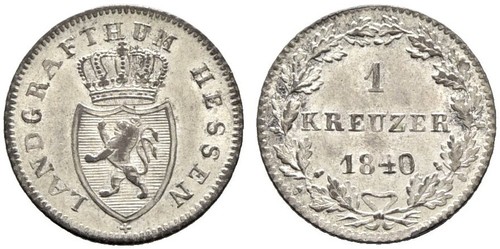
Hessen-Homburg Kreuzer
1840
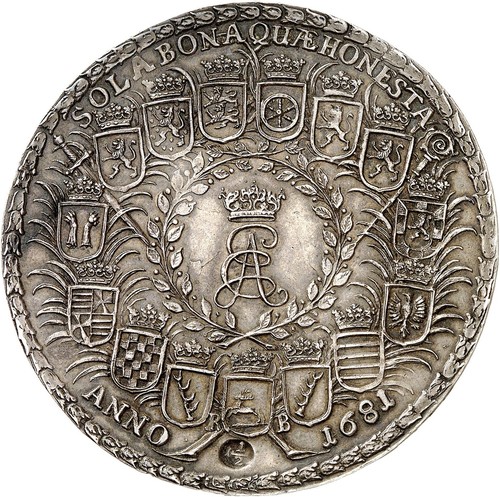
Hanover-Luneburg 1.5 Thaler
1681 (dated example)
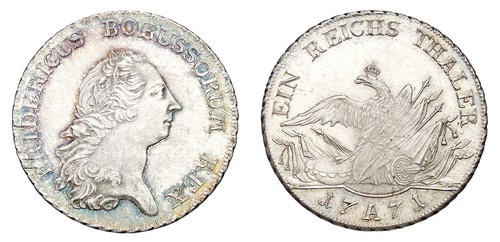
Prussian Taler
1750s–1786 (reign of Frederick II)
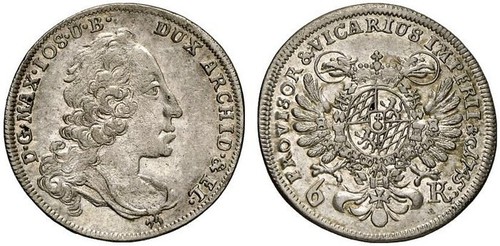
Bavaria 6 Kreuzer
1745 (issue shown)
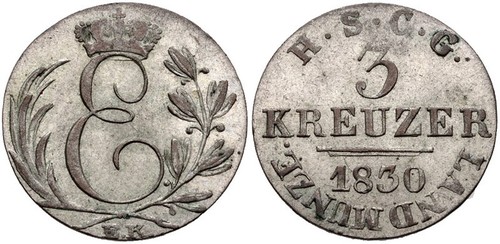
Gotha 3 Kreuzer
1830
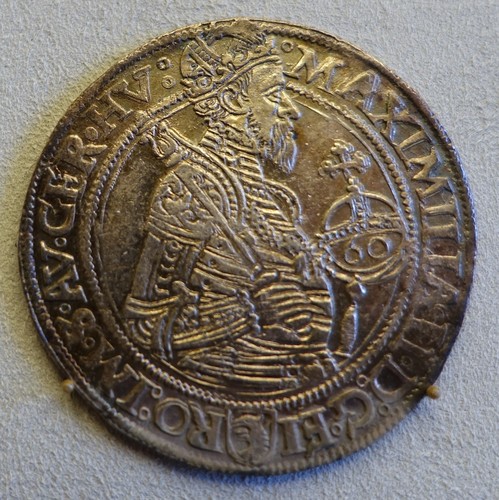
60 Kreuzer Guldiner
1568
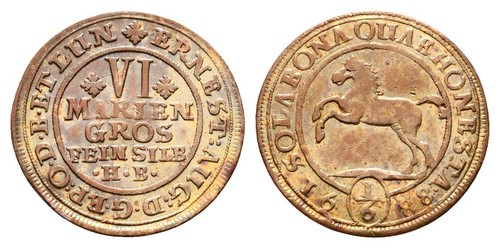
Hanover 1/6 Thaler
1688
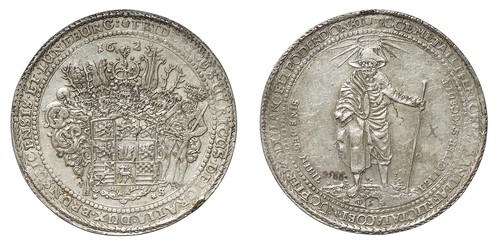
Braunschweig-Lüneburg Thaler
17th–18th century
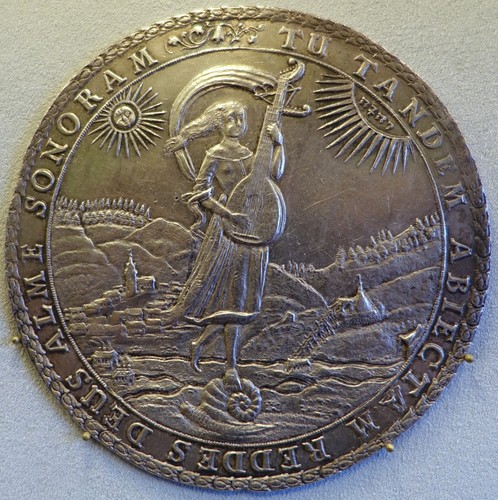
Braunschweig-Lüneburg 3 Thaler
1685 (late 17th century)
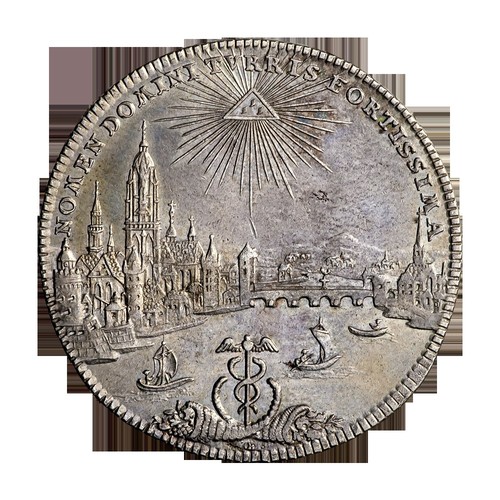
Frankfurt am Main Taler
1772