
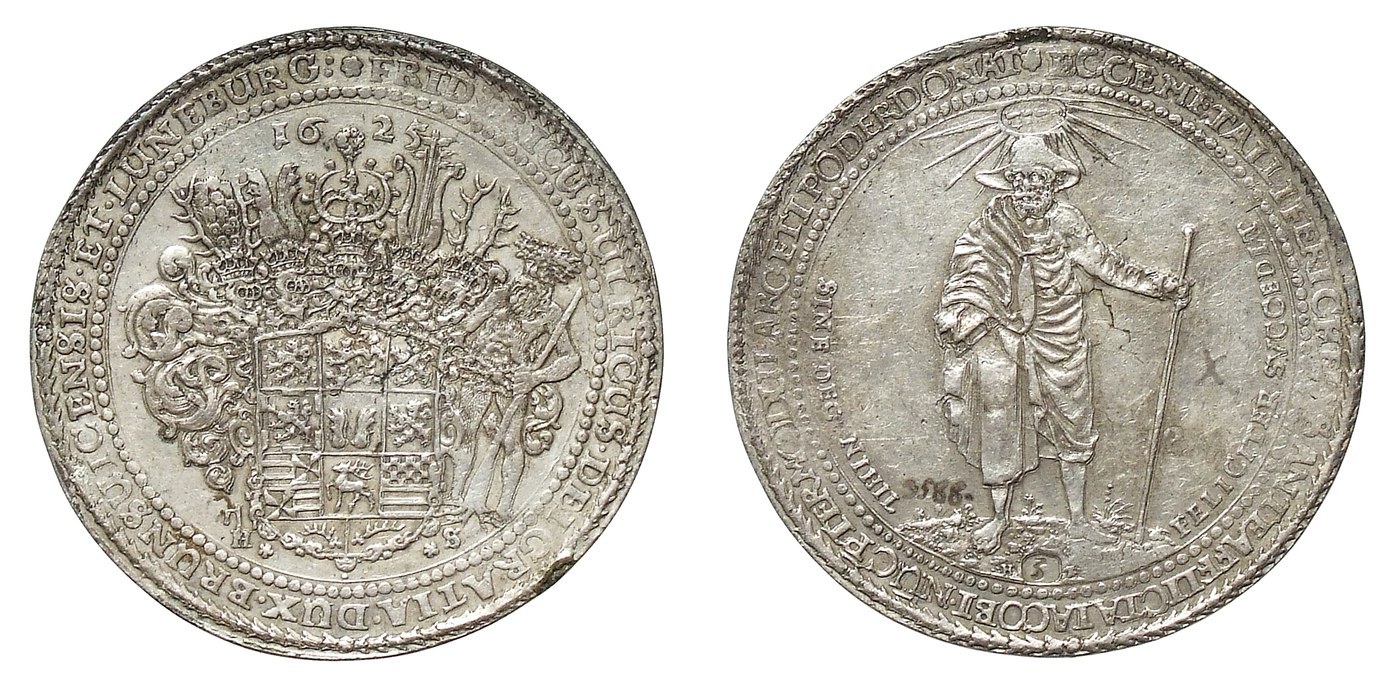
Braunschweig-Lüneburg Thaler
A large silver thaler of the German duchy of Braunschweig-Lüneburg, with a many-quartered coat of arms on the obverse and a standing armored figure on the reverse.
- Country
- Braunschweig-Lüneburg
- Denomination
- Thaler
- Metal
- Silver
Got a coin like this?
Identify any coin from a photo, free.
Overview
The Braunschweig-Lüneburg Thaler is a large silver crown-sized coin struck by the Welf (Guelph) dukes of Braunschweig-Lüneburg within the Holy Roman Empire during the 17th and 18th centuries. The thaler was the standard large silver trade coin of the German lands, and Braunschweig-Lüneburg was one of its most prolific issuers thanks to the rich silver mines of the Harz mountains.
The example shown carries a complex heraldic coat of arms on the obverse — a shield of multiple quarterings and smaller shields surrounded by ornamental scrollwork — and a standing figure in armor holding a staff or weapon on the reverse, framed by an elaborate Latin inscription around the rim. The many-fielded arms reflect the numerous territories claimed by the house, while the standing figure is a common device on the duchy's thaler coinage.
History & Background
Braunschweig-Lüneburg was a principality of the House of Welf (Guelph), one of the oldest German dynasties, and over the centuries it split repeatedly into branch lines such as Wolfenbüttel, Calenberg (later Hanover), and Celle. These branches minted independently, which is why the duchy's thalers appear in many closely related but distinct varieties.
A major reason for the sheer volume of these coins was the Harz silver mining district, which gave the dukes a steady supply of bullion. This is also the origin of the famous "wild man" (Wildermann) thalers of the region, on which a standing figure holds an uprooted tree; other issues show the duke himself in armor or heraldic and religious devices. Silver flowed into thalers that circulated widely across the Empire and beyond.
Struck across the 17th and 18th centuries, these thalers span the era in which the Calenberg line rose to become the Electorate of Hanover and, in 1714, provided the kings of Great Britain. Surviving pieces are prized today as tangible records of Welf heraldry and of the Harz mining economy that funded them.
How to Identify
Obverse: a complex coat of arms built from multiple shields and quarterings — the combined arms of the many Braunschweig-Lüneburg territories — enclosed in ornamental scrolls, mantling, or supporters. A Latin legend around the rim gives the duke's name and titles. Reading that legend is the surest way to pin down the exact ruler and branch.
Reverse: a standing figure in armor holding a staff or weapon, ringed by an elaborate Latin inscription. On many issues this is a heraldic "wild man" holding a tree or club, or the armored duke; the date usually appears within or near the legend.
Physical clues: the coin is a large silver thaler, broad and heavy in the hand, with abbreviated Latin legends in period lettering. Because so many branch lines and dates exist, confirm the titles in the legend, the date, and the exact heraldic devices together rather than relying on any single feature.
Value & Collectibility
Value depends heavily on the exact branch line, ruler, date, and variety, along with the coin's silver content and its state of preservation. Common later 18th-century thalers in worn condition trade close to their silver value, while scarcer early issues, sharp strikes, and sought-after types such as the wild-man thalers can command substantial premiums.
Because the series is large and varieties differ greatly in rarity, treat any single price with caution and compare recent auction results for the specific ruler, date, and type. Popular German-states thalers are also frequently reproduced, so obtain a specialist opinion or third-party authentication before buying or selling a valuable example.
Frequently asked questions
What is a Braunschweig-Lüneburg Thaler?
It is a large silver thaler struck by the Welf dukes of Braunschweig-Lüneburg in the German lands during the 17th and 18th centuries. The example shown has a many-quartered coat of arms on one side and a standing armored figure on the other.
Why does the coat of arms have so many shields?
The arms combine the many territories claimed by the House of Welf. As the duchy split into branch lines and gained lands, the quarterings multiplied, producing the crowded heraldic shield seen on the obverse.
Who is the standing figure on the reverse?
It is typically a heraldic figure of the duchy — often a "wild man" holding a tree or club, or the armored duke holding a staff or weapon. The exact identity varies by issue, so read the surrounding legend.
What metal is it and how big is it?
It is a large silver coin, broad and heavy, struck to the thaler standard used across the German states. Diameter and weight vary somewhat by branch and date.
Is it valuable?
It depends on the ruler, date, type, and condition. Worn common issues trade near silver value, while scarce early or specialty types can bring strong premiums. Have valuable examples authenticated, as the series is often reproduced.
Braunschweig-Lüneburg Thaler guides
In-depth guides for identifying, valuing, and collecting Braunschweig-Lüneburg Thaler.
Other coins you may enjoy
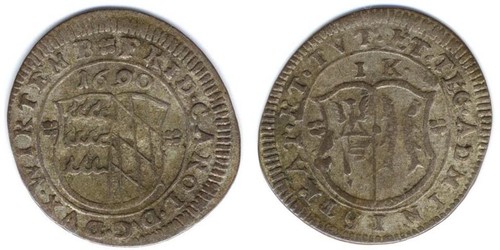
Württemberg Kreuzer
17th century (example dated 1690)
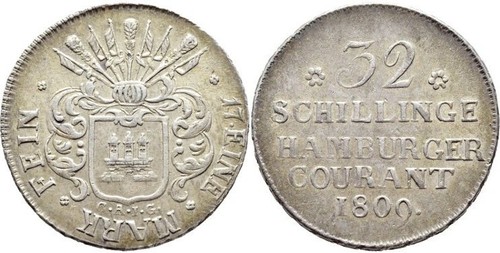
Hamburg 32 Schilling
1800
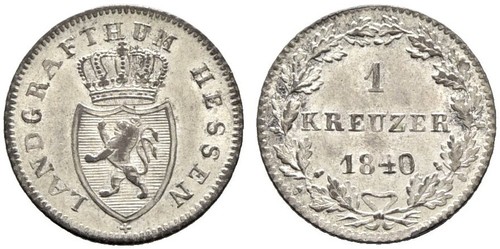
Hessen-Homburg Kreuzer
1840
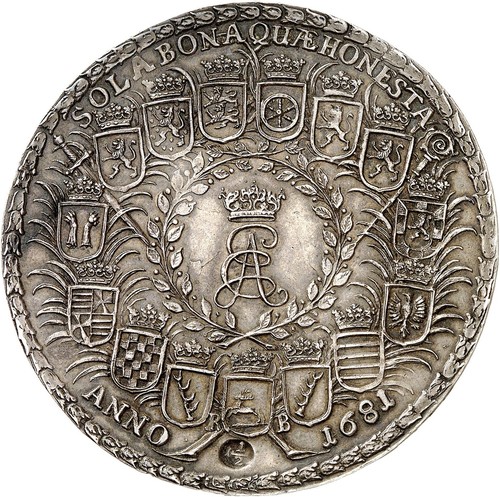
Hanover-Luneburg 1.5 Thaler
1681 (dated example)
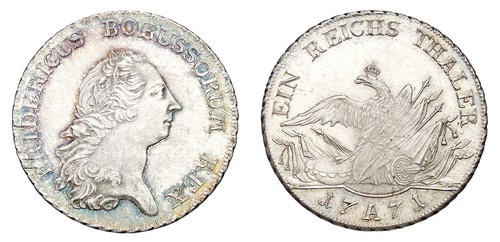
Prussian Taler
1750s–1786 (reign of Frederick II)
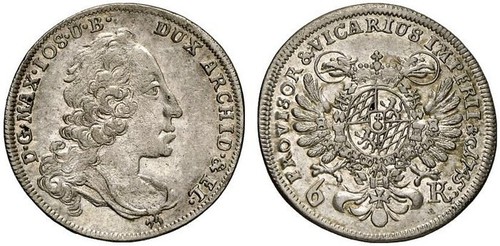
Bavaria 6 Kreuzer
1745 (issue shown)
Gotha 3 Kreuzer
1830
60 Kreuzer Guldiner
1568
Hanover 1/6 Thaler
1688
Hanover 2/3 Thaler
1694
Braunschweig-Lüneburg 3 Thaler
1685 (late 17th century)
Frankfurt am Main Taler
1772