
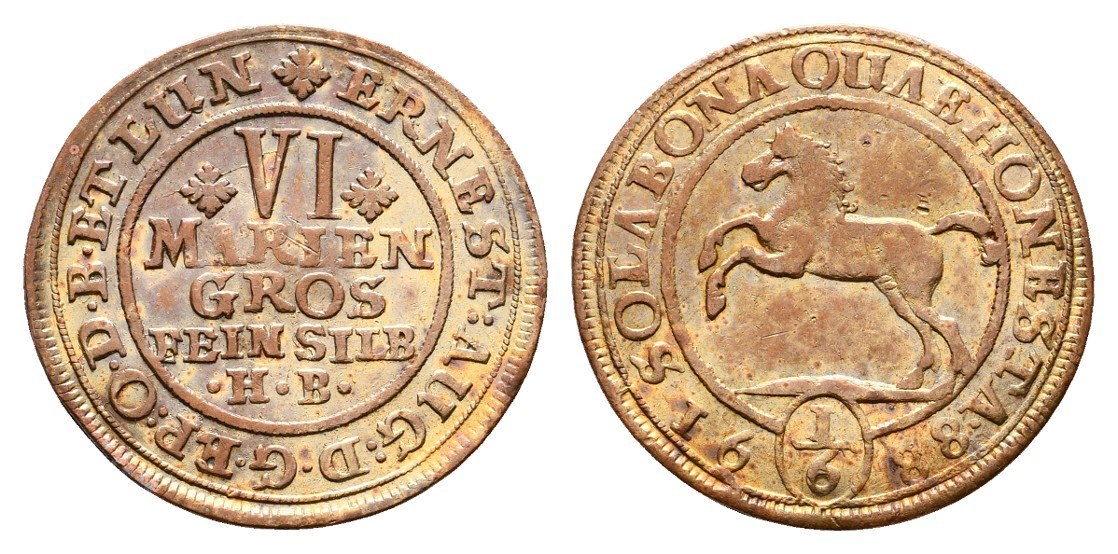
Hanover 1/6 Thaler
A German States silver 1/6 Thaler of Hanover (Brunswick-Luneburg) dated 1688, showing the leaping Saxon Steed and a fractional-denomination reverse.
- Country
- Germany (Hanover)
- Denomination
- 1/6 Thaler
- Metal
- Silver
Got a coin like this?
Identify any coin from a photo, free.
Overview
The Hanover 1/6 Thaler is a small silver coin of the Duchy of Brunswick-Luneburg, the German state centered on Hanover. The example shown is dated 1688 and carries the state's famous emblem, a rearing (leaping) horse known as the Saxon Steed, on the obverse, with the fractional denomination and legend on the reverse.
As its name states, the coin was worth one-sixth of a Thaler, making it a mid-tier silver piece in the everyday coinage of the region. Its combination of a bold heraldic horse and a clearly marked fraction makes it one of the more recognizable small silver types of the late-17th-century German States.
History & Background
In the 1680s the Duchy of Brunswick-Luneburg (the Calenberg-Hanover line) was ruled by Duke Ernst August, whose house would rise rapidly in prestige, gaining the electoral dignity in 1692 and, through the Act of Settlement, the British throne in 1714. A coin dated 1688 belongs to this ascendant period, before the personal union with Great Britain.
The fractional Thaler system (halves, quarters, sixths, twelfths and so on) let the many German states issue silver in convenient values built around the large Thaler standard. The 1/6 Thaler filled the gap between the smallest silver and the full Thaler, and was struck across numerous German mints during this era.
The leaping horse on the coin is the heraldic device of the House of Brunswick-Luneburg and of the Saxon lands, long associated with Hanover. It remained the emblem of the state and later of the Kingdom of Hanover, so it appears on coinage spanning many reigns.
How to Identify
Obverse: a rearing or leaping horse (the Saxon Steed) shown in profile, usually accompanied by heraldic elements and a surrounding Latin legend. This galloping horse is the single most diagnostic feature of Hanover / Brunswick-Luneburg coinage.
Reverse: the fractional denomination and text, with the value expressed as a sixth of a Thaler and the date 1688 worked into the design or legend. Late-17th-century German fractional silver typically states its value plainly as part of the field or inscription.
Physical clues: a modest silver coin, smaller and thinner than a full Thaler, with hand-struck relief, period lettering, and a plain or lightly worked edge. Genuine pieces show the slightly irregular strike and honest toning expected of 1680s milled or hammered silver.
Value & Collectibility
Value depends heavily on grade, strike quality, and eye appeal. Well-worn circulated examples are affordable entries into German States silver, while sharp, well-toned coins with a fully struck horse command a clear premium.
As a dated 17th-century silver type from a historically significant state, a genuine 1688 Hanover 1/6 Thaler generally sits in the collectible range rather than being valued for bullion alone. For a specific figure, compare recent auction results for the same ruler, date and grade, and have higher-value pieces authenticated by a specialist before buying or selling.
Frequently asked questions
What does the horse on this coin mean?
The rearing horse is the Saxon Steed, the heraldic emblem of the House of Brunswick-Luneburg and of Hanover. It is the signature device of the state's coinage.
How much is a 1/6 Thaler worth in old money?
The name means one-sixth of a Thaler. It was a mid-value silver piece, larger than the smallest coins but well below a full Thaler.
Is this coin real silver?
Yes. Fractional Thalers of this period, including the 1/6 Thaler, were struck in silver, which is why the type retains collector interest.
Who ruled Hanover in 1688?
In 1688 the Duchy of Brunswick-Luneburg (Hanover) was ruled by Duke Ernst August, whose house later gained the electoral title and, in 1714, the British crown.
Is this a German or a British coin?
It is a German States coin of Hanover (Brunswick-Luneburg), struck decades before Hanover's rulers also became kings of Great Britain in 1714.
Hanover 1/6 Thaler guides
In-depth guides for identifying, valuing, and collecting Hanover 1/6 Thaler.
Other coins you may enjoy
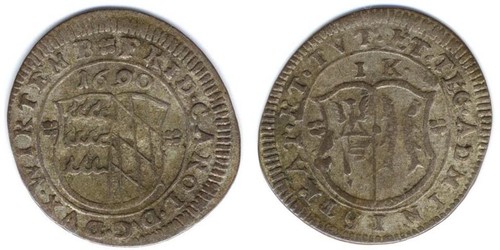
Württemberg Kreuzer
17th century (example dated 1690)
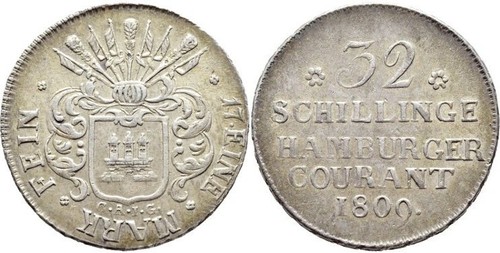
Hamburg 32 Schilling
1800
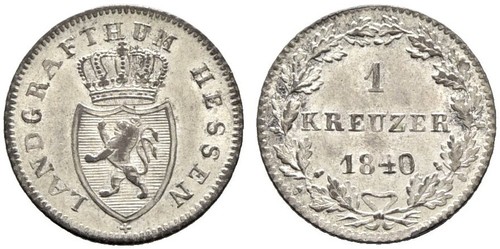
Hessen-Homburg Kreuzer
1840
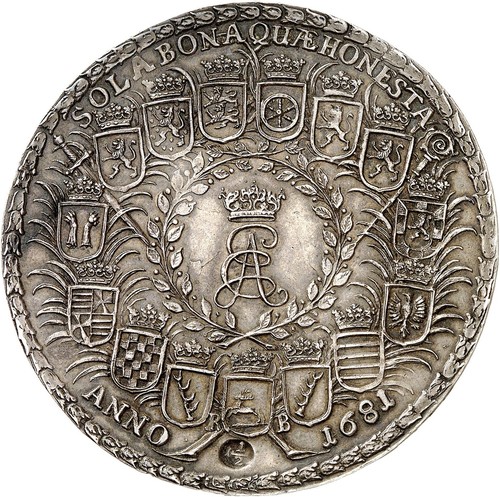
Hanover-Luneburg 1.5 Thaler
1681 (dated example)
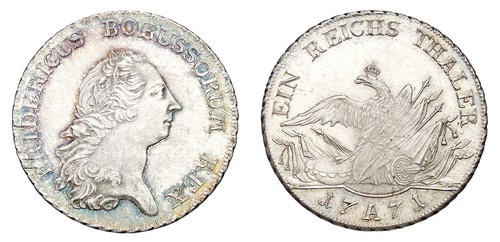
Prussian Taler
1750s–1786 (reign of Frederick II)
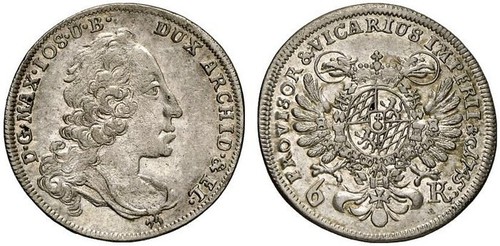
Bavaria 6 Kreuzer
1745 (issue shown)
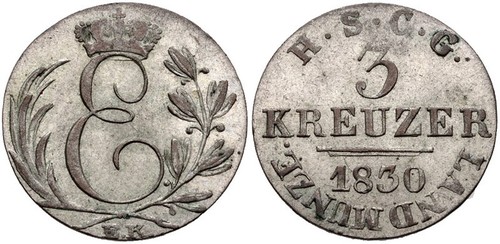
Gotha 3 Kreuzer
1830
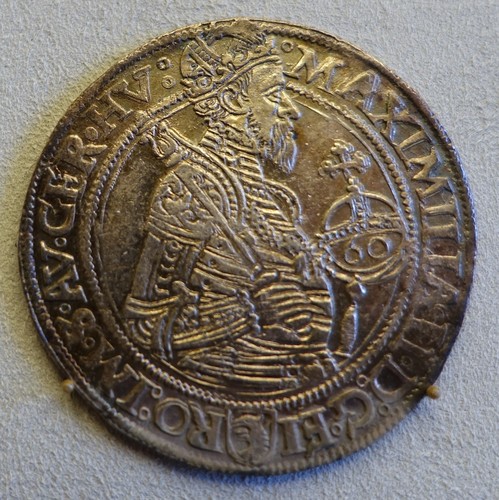
60 Kreuzer Guldiner
1568
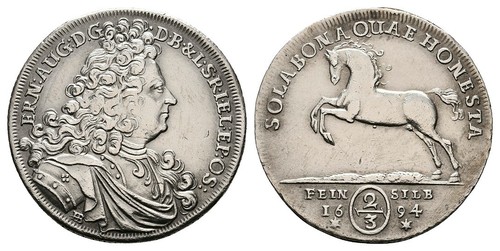
Hanover 2/3 Thaler
1694
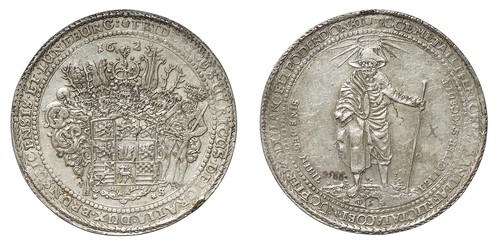
Braunschweig-Lüneburg Thaler
17th–18th century
Braunschweig-Lüneburg 3 Thaler
1685 (late 17th century)
Frankfurt am Main Taler
1772