
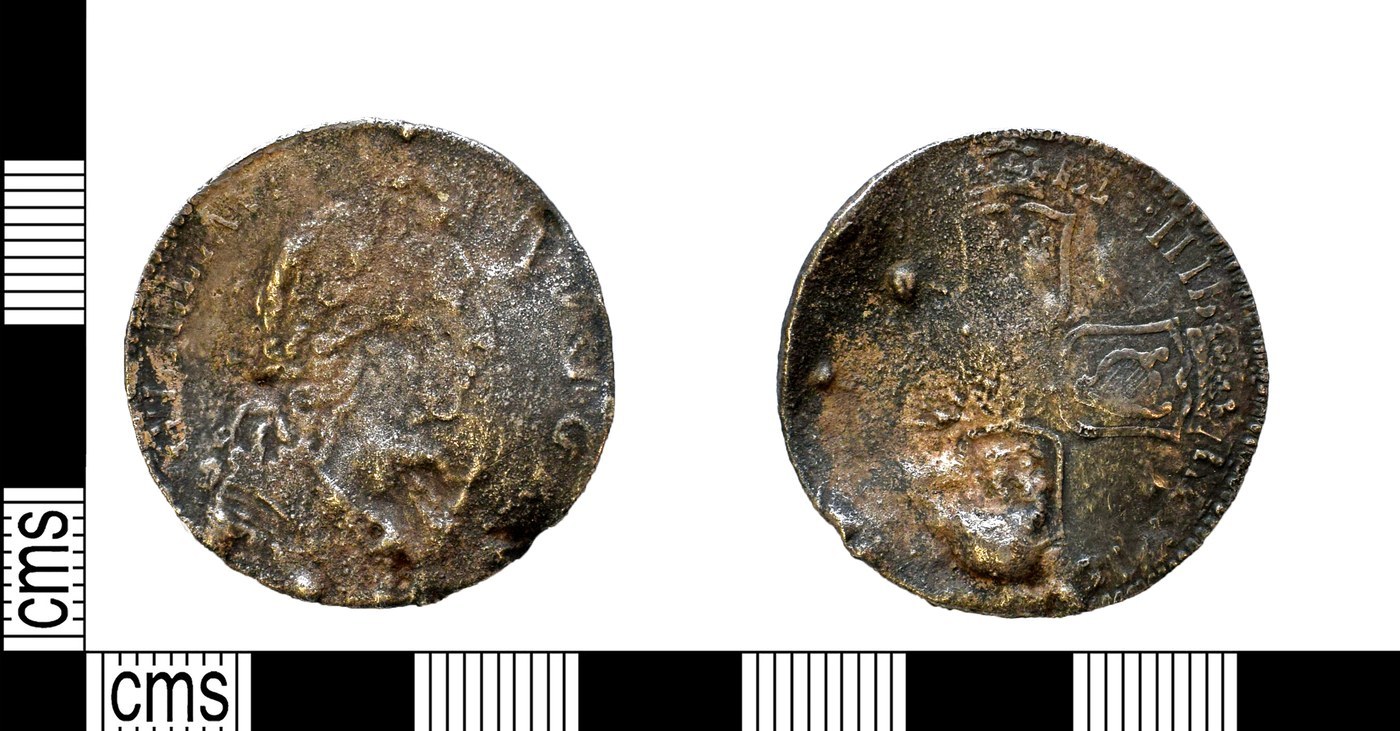
Ancient Roman Coin
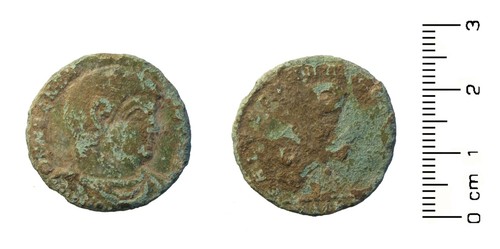
An unattributed ancient bronze coin of the Roman Empire, showing a right-facing portrait head on the obverse and a figure or heraldic design on the reverse.
- Country
- Roman Empire
- Denomination
- Unknown
- Metal
- Bronze
Got a coin like this?
Identify any coin from a photo, free.
Overview
This is an ancient bronze coin of the Roman Empire. The photographed piece shows a portrait head facing right on the obverse and a standing figure or emblematic design on the reverse, the standard layout of Roman imperial bronze coinage. Because the specific ruler, mint, and denomination cannot be confirmed from the image alone, it is best described broadly as a Roman bronze rather than assigned to a single emperor or issue.
Roman bronze coins were the everyday small change of the empire, produced in enormous quantity across many mints and over several centuries. They circulated widely and are among the most commonly encountered ancient coins today, which is why a worn or partially legible example like this is usually identified first by its general type and only later, if the legends and details allow, attributed to a particular reign.
The combination of a right-facing imperial portrait and a reverse figure or device is characteristic of the type, but the exact denomination — such as an as, sestertius, dupondius, or one of the later reduced bronzes — depends on size, weight, and the surviving inscriptions.
History & Background
Bronze was the base metal of Roman everyday commerce for centuries, from the Republic through the Empire. Imperial bronze coinage typically carried the reigning emperor's portrait on the obverse, usually facing right, together with an abbreviated Latin legend giving his name and titles. The reverse displayed a deity, personification, standing figure, military or architectural motif, often with a legend and mint marks that identified the issue.
These coins were struck at mints across the Roman world and were used for ordinary transactions, wages, and small purchases. Over time the denominations, sizes, and metal content of Roman bronze changed considerably, so pieces from different periods can look quite different in module and fabric even while sharing the basic portrait-and-reverse formula.
Because they were produced and circulated in vast numbers, Roman bronzes survive today in great quantity and in every state of preservation. An individual example can only be placed accurately in this long history once its legends, portrait style, and reverse type are read, which is often difficult on worn or corroded coins.
How to Identify
The obverse of this coin shows a head facing right, following the standard Roman convention of an imperial or official portrait in profile. On a well-preserved coin the surrounding Latin legend would name the ruler and give his titles; where this lettering is worn or off the flan, precise attribution is not possible from the portrait alone.
The reverse shows a figure or heraldic-style design, which on Roman bronzes is typically a standing deity or personification, a seated figure, an animal, or a symbolic device, usually accompanied by a legend and sometimes mint marks in the exergue beneath the main image. Reading this reverse type and its inscription is the key step in narrowing down the emperor and date.
As a bronze coin it will be brown, green, or earthy in tone, often with patina and surface wear typical of buried and circulated ancient metal. Size and weight are important diagnostics, since Roman bronze denominations differ mainly in module and mass; measuring the coin and comparing it against reference charts is more reliable than judging by appearance alone.
Value & Collectibility
Ancient Roman bronze coins are among the most affordable ancient coins because they were produced and survive in enormous numbers. Common, worn, or unattributed bronzes typically trade for modest sums, while well-preserved examples with clear portraits, legible legends, sharp reverse detail, or a desirable ruler or type can be worth considerably more.
Value depends heavily on identification, condition, and eye appeal. Until the specific emperor, mint, and denomination are established, a piece can only be valued as a generic Roman bronze; a confident attribution to a particular reign and issue, together with good preservation, is what raises a coin above the common range.
Because popular Roman types are widely reproduced and forged, and because provenance and legal export matter for ancient coins, any example of real significance should be examined by a specialist in ancient numismatics. Treat any single figure as broad context and rely on recent sales of comparable coins for a realistic estimate.
Frequently asked questions
What is this coin?
It is an ancient bronze coin of the Roman Empire, showing a right-facing portrait head and a figure or emblematic reverse. Without clear legends the exact emperor, mint, and denomination cannot be confirmed, so it is described broadly as a Roman bronze.
Which emperor is on it?
That cannot be determined from the image alone. The ruler is identified by reading the Latin legend around the portrait and matching the portrait style and reverse type; on worn coins this is often not possible.
What denomination is it?
The denomination is unknown without measurement. Roman bronzes such as the as, sestertius, dupondius, and later reduced bronzes are distinguished mainly by size and weight, so the coin must be measured and compared to references.
Are ancient Roman bronze coins valuable?
Most common Roman bronzes are inexpensive because they survive in huge numbers. Value rises with clear identification, good condition, and a desirable ruler or reverse type; unattributed worn pieces are generally modest in value.
Are there fakes?
Yes. Popular Roman types are widely copied and forged. Any coin of real value should be checked by a specialist in ancient numismatics, who will also consider patina, style, weight, and provenance.
Ancient Roman Coin guides
In-depth guides for identifying, valuing, and collecting Ancient Roman Coin.
Other coins you may enjoy
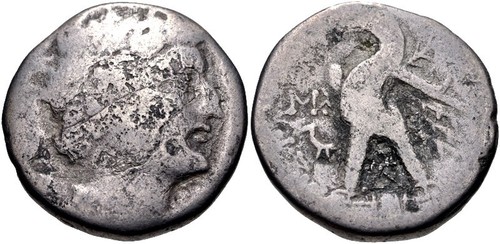
Tetradrachm of Ptolemy XII
80-51 BC
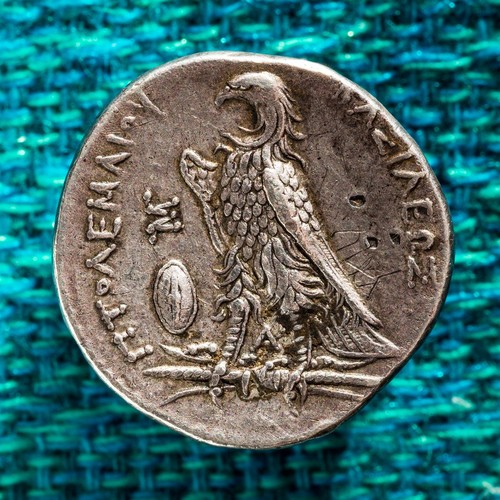
Tetradrachm of Ptolemy I
305-283 BC
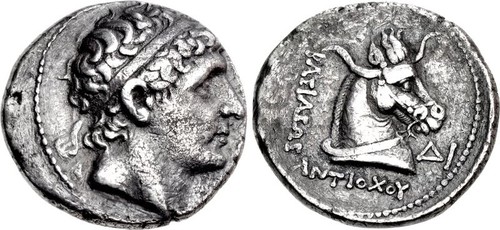
Tetradrachm of Antiochos I Soter
281-261 BC
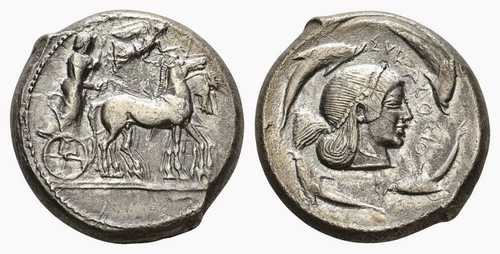
Syracuse Tetradrachm
c. 5th-4th century BC (Classical period)
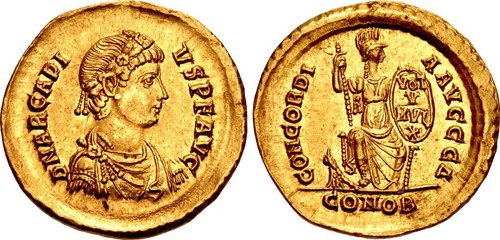
Solidus of Arcadius
AD 395-402
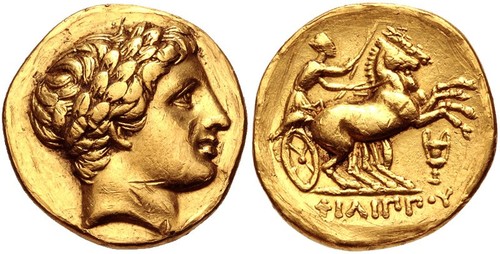
Philip III Gold Stater
323-317 BC
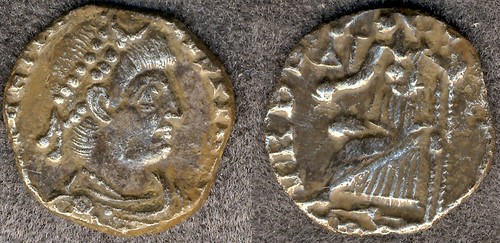
Siliqua of Gratian
AD 367-383
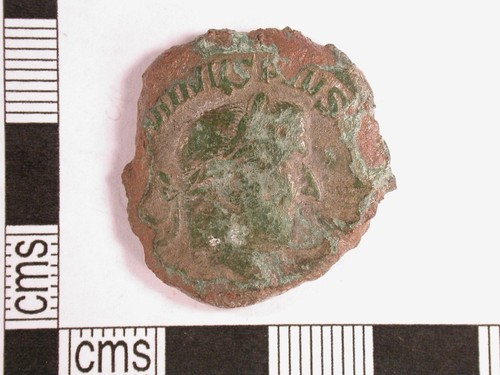
Sestertius of Maximinus Thrax
235-238 AD
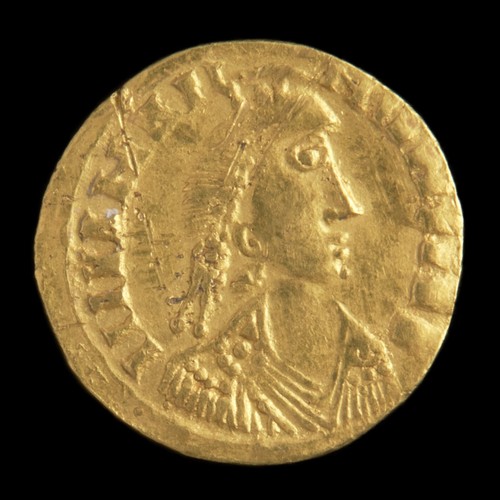
Solidus of Valentinian III
AD 425-455
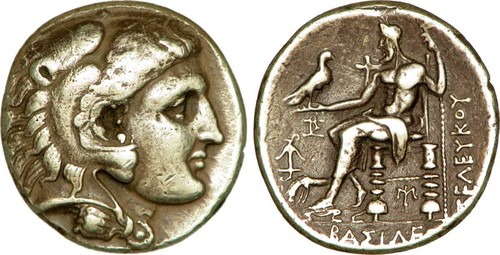
Seleucus I Nicator Tetradrachm
Late 4th-3rd century BC
Nummus of Magnentius
AD 350-353
Follis of Galerius
AD 308-310