
How to Identify the Ancient Roman Coin
A collector's guide to reading an ancient Roman bronze by its portrait, reverse type, size and weight, legends, and patina — and to spotting common look-alikes.
Read the full Ancient Roman Coin encyclopedia entry →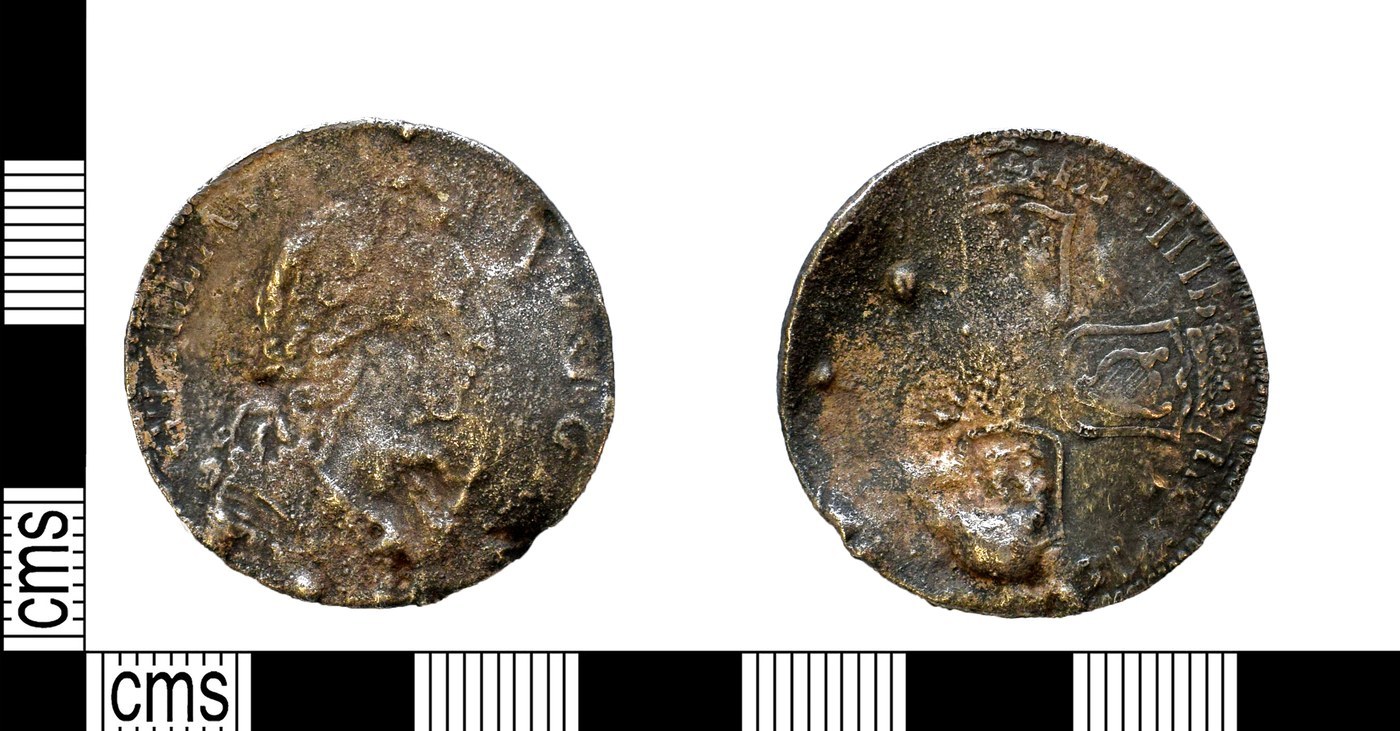
Begin with the obverse portrait. Roman imperial bronzes almost always show a head in profile, most often facing right, surrounded by an abbreviated Latin legend naming the ruler and his titles. Read as much of that legend as survives, letter by letter, since the name and titles are what ultimately attribute the coin to a specific reign. On this example the head faces right in the usual manner, but a firm attribution requires legible lettering, which worn coins frequently lack.
Turn to the reverse and identify the type. Roman bronze reverses typically show a standing or seated deity or personification, a figure, an animal, or a symbolic device, usually with its own legend and sometimes mint marks in the exergue below. Note what the figure holds and how it stands, and record any letters; the combination of reverse type and legend is often more diagnostic than the portrait for pinning down the issue and date.
Measure size, weight, and metal. Roman bronze denominations are separated mainly by module and mass rather than design, so use calipers and a scale and compare against published tables before naming a denomination. The metal should read as bronze — brown, green, or earthy — commonly with patina; genuine ancient surfaces show wear, corrosion products, and hard, stable patina rather than a fresh, uniform artificial finish.
Rule out look-alikes and later imitations. Provincial and later Roman bronzes, Byzantine coppers, contemporary ancient imitations, and modern tourist replicas can all resemble a classic imperial bronze. Compare the fabric, portrait style, and lettering against reference images; crude or blundered legends, wrong weight, or anachronistic style are warning signs.
Authenticate before assuming value. Cast forgeries show seams, bubbles, and soft detail; tooled or smoothed coins have unnatural fields. Because popular emperors and types are heavily faked, and because ancient coins carry provenance and export considerations, have any significant piece examined by a specialist in ancient numismatics and seek an attribution to a specific ruler, mint, and reverse type before relying on an identification or a price.
Frequently asked questions
Which side is the obverse?
The side with the profile portrait head — here facing right — and the surrounding Latin name-and-titles legend is the obverse. The figure or emblematic design is the reverse.
How do I figure out which emperor and date it is?
Read the obverse legend around the portrait and the reverse type and its legend, then match them and the portrait style to a reference catalogue. Mint marks in the reverse exergue can help. Worn or off-flan lettering may make this impossible.
How do I know the denomination?
Measure the diameter and weigh the coin, then compare to published specifications for Roman bronze denominations, which differ mainly in size and mass. Design alone does not fix the denomination.
How can I tell a genuine ancient coin from a fake?
Genuine bronzes show honest wear and stable patina; casts show seams and bubbles, and tourist copies look fresh and uniform. Check weight, style, and lettering, and for anything of value get a specialist opinion and consider provenance.