
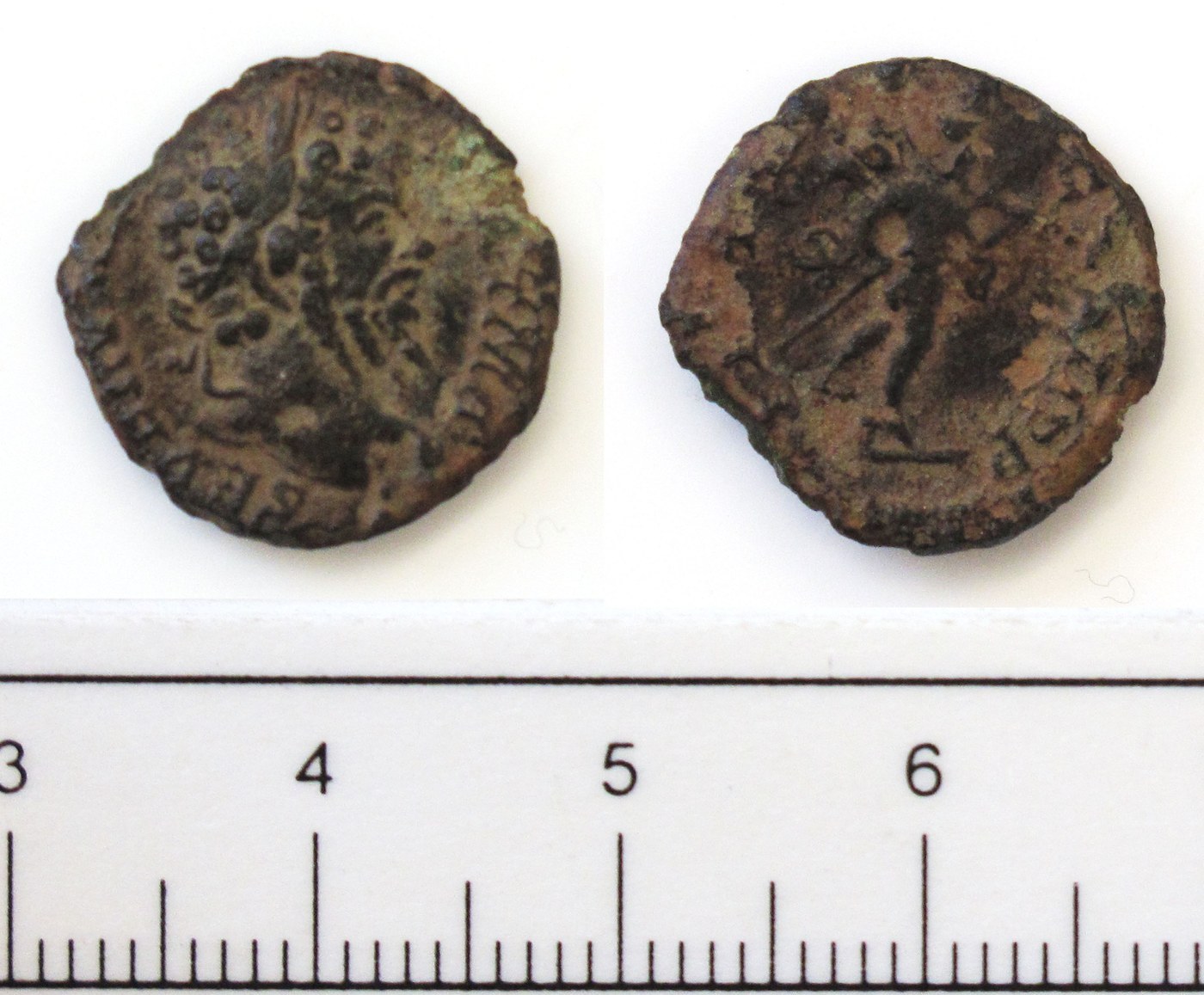
Denarius of Septimius Severus
Silver denarius of the Roman emperor Septimius Severus (193–211 AD), showing his laureate head and a standing reverse figure.
- Country
- Roman Empire
- Denomination
- Denarius
- Metal
- Silver
Got a coin like this?
Identify any coin from a photo, free.
Overview
The denarius was the standard silver coin of the Roman Empire, and this type was struck during the reign of Septimius Severus, who ruled from 193 to 211 AD. The obverse carries his laureate head facing right, encircled by an abbreviated Latin legend giving his imperial name and titles. The reverse shows a standing figure — typically a deity, personification, or military or imperial motif — with its own legend naming a virtue, event, or god.
Severus, the founder of the Severan dynasty, issued denarii in enormous quantities to pay his armies and fund his campaigns. As a result his coins are among the most frequently encountered silver pieces from the imperial period, and countless obverse and reverse combinations survive today. The example shown here is a small, thin silver disc struck by hand rather than machine, so its shape and centering are slightly irregular, as is normal for ancient coinage.
History & Background
Septimius Severus came to power in 193 AD, the tumultuous "Year of the Five Emperors," and secured the throne through civil war before founding a dynasty that lasted into the 230s. To reward and retain the loyalty of the legions, he expanded military pay and struck vast amounts of silver coinage, making the denarius the workhorse of his regime.
By the time of his reign the denarius had been debased from its earlier near-pure silver, and Severan issues generally contain a reduced silver content mixed with base metal. Coins were produced at Rome and at eastern mints that operated during his campaigns, which accounts for stylistic variation between examples. Reverse designs advertised imperial themes such as military victory, the loyalty of the army, the emperor's providence, and various protective deities.
Severus died at Eboracum (modern York) in Britain in 211 AD while on campaign, leaving the empire to his sons Caracalla and Geta. His coinage continued to circulate long afterward and is abundant in hoards found across the former Roman world.
How to Identify
Identify the type first by the portrait: a laureate (wreathed) male head facing right, rendered with the short curled beard and hair characteristic of Severus. The surrounding legend is abbreviated Latin beginning with elements such as SEVERVS, PIVS, AVG, IMP, or L SEPT SEV, though wear often leaves only fragments legible. Reading these letters distinguishes him from other bearded Severan-era emperors.
The reverse shows a standing figure — a personification like Victory, Fortuna, or Providentia, a deity, or a military scene — accompanied by a legend naming the theme. Because Severus struck so many varieties, the exact reverse identifies the specific issue rather than the emperor. The coin itself is a small silver piece roughly 17–20 mm across and light in weight, hand-struck so the flan is often slightly oval, off-center, or with parts of the legend running off the edge.
Value & Collectibility
Denarii of Septimius Severus are among the more affordable ancient Roman silver coins because they were produced in such large numbers and survive in quantity. Worn but identifiable examples with common reverse types are widely available, and typical retail prices run from roughly the low tens of dollars up to around a hundred dollars depending on condition and eye appeal.
Value rises with sharpness of the portrait, completeness of the legends, attractive toning, and scarcer or more artistic reverse designs. Well-centered, high-grade pieces and rare mint or legend varieties can bring several times the price of an ordinary coin, while pieces from eastern mints of cruder style are often less costly.
Because ancient coins are frequently faked and because grade and reverse type drive price so strongly, values are best confirmed against recent auction records for the specific variety rather than estimated from the emperor's name alone.
Frequently asked questions
How old is a denarius of Septimius Severus?
It was struck during his reign from 193 to 211 AD, making it roughly 1,800 years old. Individual coins can sometimes be dated more precisely by the titles in the obverse legend or the reverse type.
Is the coin made of real silver?
Yes, the denarius is a silver coin, though by Severus's reign the alloy had been debased and contains a reduced amount of silver mixed with base metal rather than being nearly pure.
Why do so many of these coins exist?
Severus struck denarii in huge quantities to pay his armies, so his coinage is among the most common imperial silver and turns up frequently in hoards across the former Roman world.
What is shown on the reverse?
Reverses vary widely and typically show a standing deity, personification, or military or imperial scene with a Latin legend naming the theme. The exact reverse identifies the specific issue.
Are these coins valuable?
Most are affordable because they are so common, with ordinary examples ranging from the low tens of dollars to around a hundred. High-grade coins, attractive toning, and scarce reverse types command higher prices.
Denarius of Septimius Severus guides
In-depth guides for identifying, valuing, and collecting Denarius of Septimius Severus.
Other coins you may enjoy
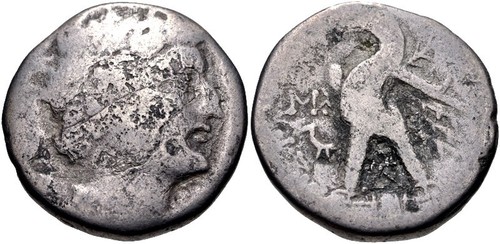
Tetradrachm of Ptolemy XII
80-51 BC
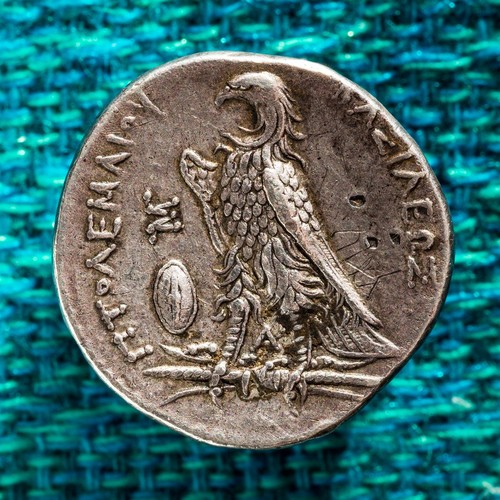
Tetradrachm of Ptolemy I
305-283 BC
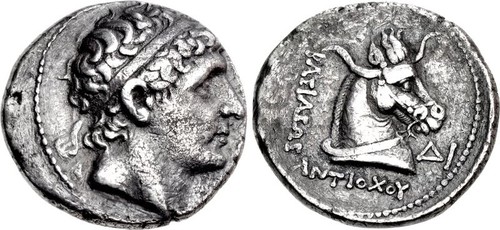
Tetradrachm of Antiochos I Soter
281-261 BC
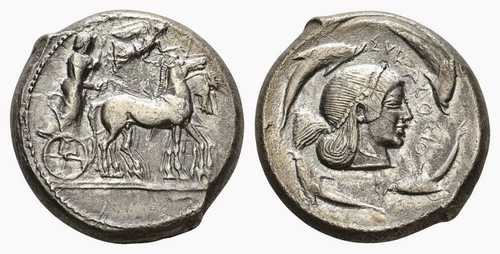
Syracuse Tetradrachm
c. 5th-4th century BC (Classical period)
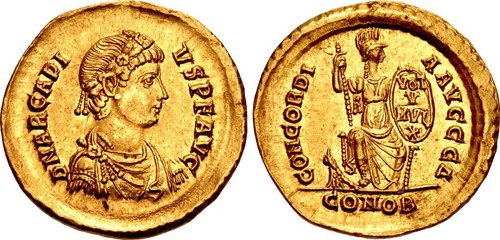
Solidus of Arcadius
AD 395-402
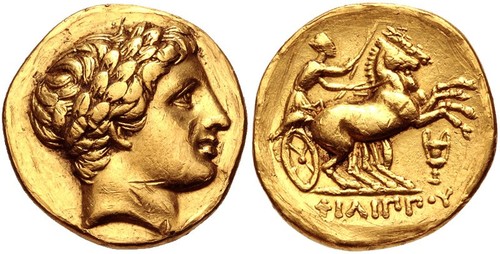
Philip III Gold Stater
323-317 BC
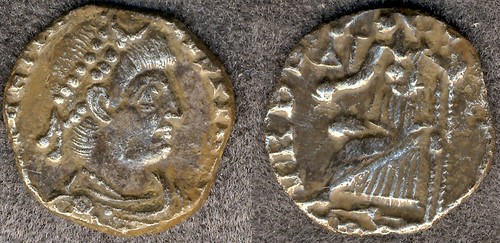
Siliqua of Gratian
AD 367-383
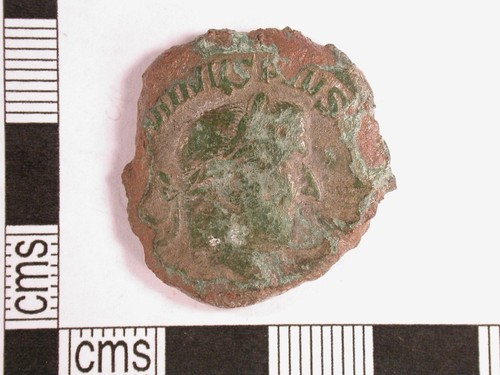
Sestertius of Maximinus Thrax
235-238 AD
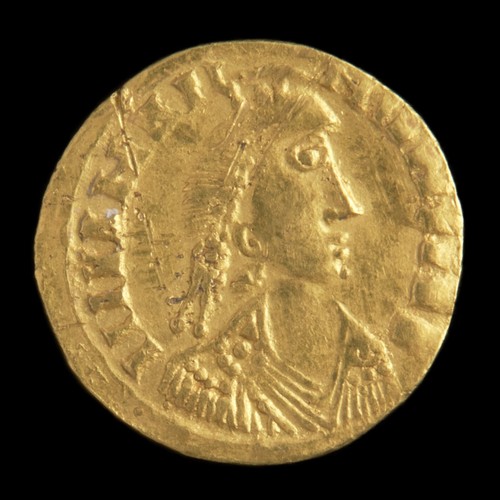
Solidus of Valentinian III
AD 425-455
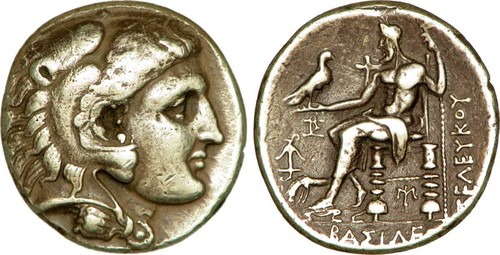
Seleucus I Nicator Tetradrachm
Late 4th-3rd century BC
Nummus of Magnentius
AD 350-353
Follis of Galerius
AD 308-310