
How to Identify the Denarius of Septimius Severus
A collector's guide to recognizing a silver denarius of Septimius Severus by its portrait, legends, reverse type, size, and strike.
Read the full Denarius of Septimius Severus encyclopedia entry →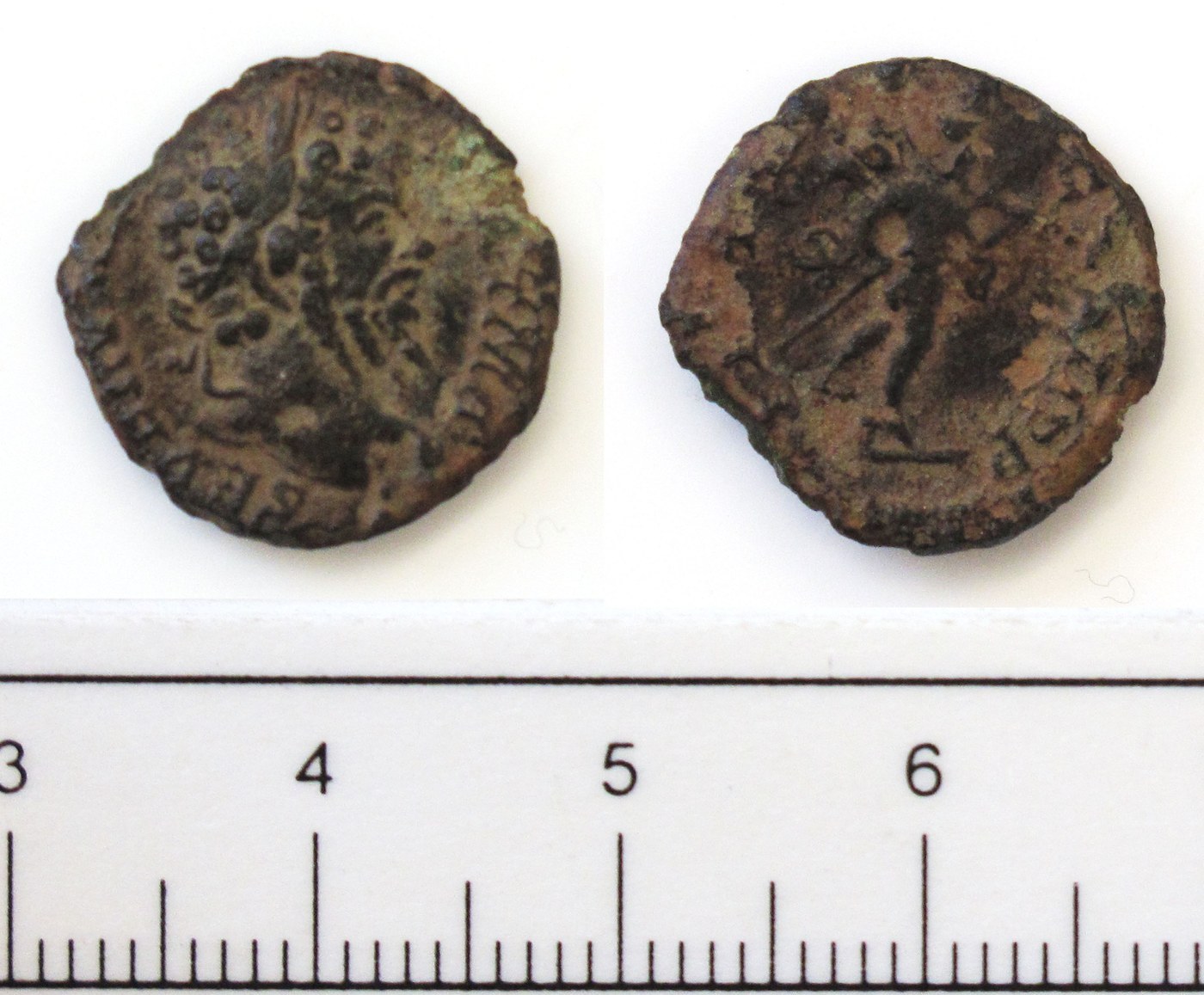
Begin with the obverse portrait. Genuine denarii of Septimius Severus show a laureate male head facing right with a distinctive short, tightly curled beard and forked or curled locks. The obverse legend is abbreviated Latin; look for fragments such as SEVERVS, PIVS, AVG, IMP, or the fuller L SEPT SEV. Matching these letters is essential because several Severan-era rulers, including Caracalla, Geta, and Clodius Albinus, wear beards and can look superficially similar.
Read the reverse as the second key. Severus's reverses show a single standing figure or a group — a personification like Victory, Fortuna, Providentia, or Annona, a deity, or a legionary/military scene — each with its own legend. The reverse determines the exact issue and mint, so record it carefully. Note the style: coins from mints in the eastern provinces are often cruder in engraving than the more refined products of the mint at Rome.
Check the physical coin. A denarius of this period is a small silver piece about 17–20 mm in diameter, thin, and light, weighing on the order of only a few grams. It was struck by hand, so expect a slightly irregular or oval flan, occasional off-center strikes, and legends that run partly off the edge. A perfectly round, uniform, machine-like disc is a warning sign of a cast copy or modern fantasy piece.
Be cautious about authenticity. Septimius Severus is one of the most forged Roman emperors precisely because his coins are popular and common. Watch for casting seams on the edge, a soft or "sandy" surface texture, unnatural weight, or a portrait and lettering that look mushy rather than crisply struck. Because the reverse type and grade drive value, and because convincing fakes exist, significant purchases should be checked against published references and, ideally, backed by a reputable dealer or third-party authentication.
Frequently asked questions
How do I tell Septimius Severus from his son Caracalla on a denarius?
Both are bearded, but the obverse legend is decisive: Severus's names include SEVERVS and L SEPT SEV, while Caracalla's read ANTONINVS. Caracalla's youthful portraits are also beardless or lightly bearded compared with Severus's fuller beard.
What size and weight should a genuine coin be?
Expect a small silver disc roughly 17–20 mm across and only a few grams in weight. Coins that are noticeably heavier, larger, or perfectly uniform in shape should be examined closely for signs of being cast copies.
Does an irregular, off-center shape mean the coin is fake?
No. Ancient denarii were struck by hand, so slightly oval flans, off-center strikes, and legends running off the edge are normal and even reassuring. It is the unnaturally perfect, seamed, or soft-surfaced coins that warrant suspicion.
How can I identify the specific reverse type?
Read the reverse legend and note the standing figure's attributes — a wreath and palm suggest Victory, a cornucopia suggests Fortuna or Annona, standards suggest a military type. Matching legend and figure to a reference catalog pins down the exact issue.