
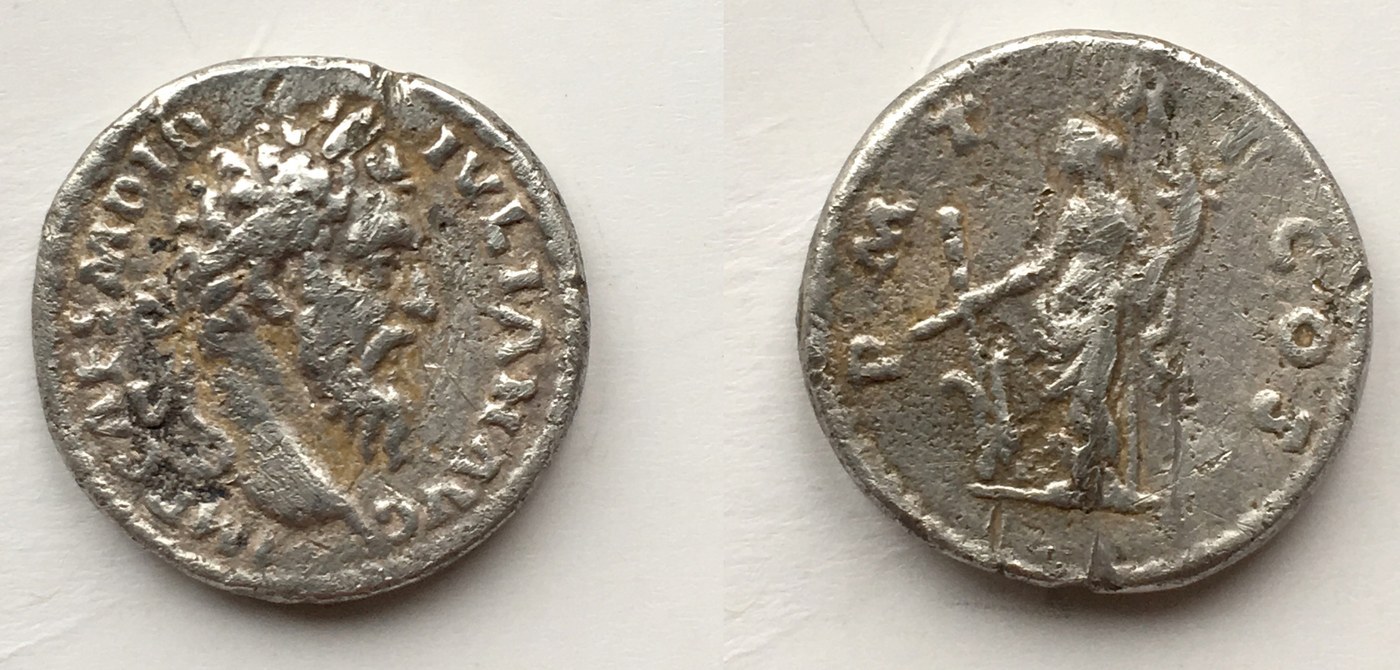
Denarius of Didius Julianus
A silver denarius of Didius Julianus, the short-lived emperor of 193 AD, bearing his laureate portrait and an imperial standing reverse.
- Country
- Roman Empire
- Denomination
- Denarius
- Metal
- Silver
Got a coin like this?
Identify any coin from a photo, free.
Overview
This is a Roman Imperial silver denarius struck for Marcus Didius Julianus, who reigned for only about two months in the year 193 AD. The obverse carries his laureate right-facing portrait surrounded by a Latin legend naming him as emperor, while the reverse shows a standing figure in the imperial reverse style typical of the period. The example photographed here is dated to his brief 193 AD reign.
Because Didius Julianus held power for such a short time, coins issued in his name are scarce and highly sought after by collectors of Roman Imperial coinage. The denarius was the standard silver coin of Rome, and pieces bearing this emperor's name are prized less for their artistic distinction than for their association with one of the most notorious and fleeting reigns in Roman history.
History & Background
Didius Julianus came to power in 193 AD, the chaotic "Year of the Five Emperors" that followed the assassination of Commodus. After the Praetorian Guard murdered the emperor Pertinax, they famously auctioned the throne, and Didius Julianus secured it by promising the guard a large donative. His purchase of imperial power made him deeply unpopular with the Roman people and Senate.
His reign lasted roughly nine weeks. As provincial armies rose against him, Septimius Severus marched on Rome, and the Senate condemned Julianus to death; he was killed in the imperial palace before Severus arrived. Coins were struck in his name only during this short window in 193 AD, which is why surviving issues are so limited.
The silver denarius had by this era experienced gradual debasement over the second century, though it remained the backbone of Roman coinage. Julianus's coins were produced at the mint of Rome using the same standards and reverse repertoire as those of his immediate predecessors and rivals.
How to Identify
Look first at the obverse legend, which names the emperor. Issues of Didius Julianus typically read variations of IMP CAES M DID IVLIAN AVG or IMP CAES M DID SEVER IVLIAN AVG around a laureate, right-facing bust. The name element DID IVLIAN (or IVLIANVS) is the decisive diagnostic that separates this coin from the many other Roman denarii of the late second century.
The reverse shows a standing figure with an accompanying Latin legend, in keeping with the personified deities and virtues common on denarii of the 190s. Reverse types recorded for Julianus include figures such as Concordia, Fortuna, and personifications of the emperor's rule, each identified by its own legend and attributes rather than by the portrait.
Physically, the coin is a small silver piece, generally around 17 to 19 millimeters in diameter and only a few grams in weight, consistent with the denarius standard of the era. The metal shows the somewhat pale, debased silver tone typical of late second-century issues rather than the brighter silver of earlier Roman coinage.
Value & Collectibility
Genuine denarii of Didius Julianus are scarce and command strong prices because of the emperor's extremely short reign. Even well-worn authentic examples typically sell for figures well into the hundreds of dollars, and attractive pieces with clear portraits and legends can reach into the thousands, depending on condition, style, and reverse type.
Condition, centering, and the completeness of the legends are the main value drivers. A sharp, fully legible portrait and an unambiguous obverse naming the emperor add considerable premium, while corrosion, cleaning damage, or off-center strikes reduce value. Because this is a high-demand rarity, professional attribution and, ideally, certification by a recognized grading service materially affect price.
Collectors should treat any inexpensive "Didius Julianus denarius" with caution, as the rarity and value of the type make it a frequent target for modern forgeries and tooled or altered coins. Provenance and expert authentication are especially important here.
Frequently asked questions
Why are coins of Didius Julianus so rare?
Didius Julianus reigned for only about nine weeks in 193 AD, so coins were struck in his name for a very short time. The limited production, combined with high collector demand, makes genuine examples scarce and valuable.
How do I know the coin names Didius Julianus?
Read the obverse legend around the laureate portrait. It should include the name element DID IVLIAN or IVLIANVS, in forms such as IMP CAES M DID IVLIAN AVG. That name is the decisive identifier.
What is a denarius?
The denarius was the standard silver coin of the Roman world for centuries. It was the everyday high-value coin of the Roman Empire, and by Julianus's time it had been somewhat debased but remained the backbone of the currency.
Are there many fakes of this coin?
Yes. Because authentic examples are rare and expensive, the type is frequently forged or altered. Buy only from reputable dealers and favor coins with solid provenance or certification from a recognized grading service.
Denarius of Didius Julianus guides
In-depth guides for identifying, valuing, and collecting Denarius of Didius Julianus.
Other coins you may enjoy
Tetradrachm of Ptolemy XII
80-51 BC
Tetradrachm of Ptolemy I
305-283 BC
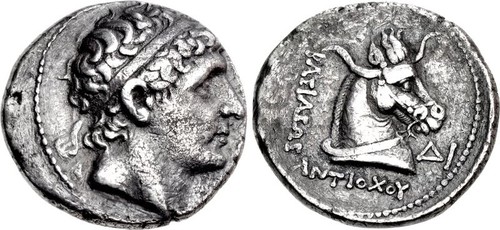
Tetradrachm of Antiochos I Soter
281-261 BC
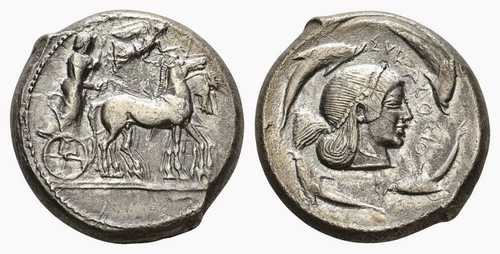
Syracuse Tetradrachm
c. 5th-4th century BC (Classical period)
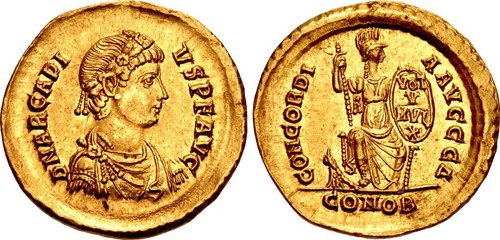
Solidus of Arcadius
AD 395-402
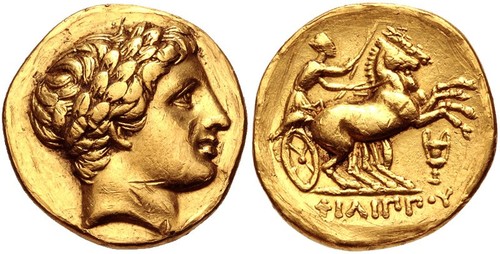
Philip III Gold Stater
323-317 BC
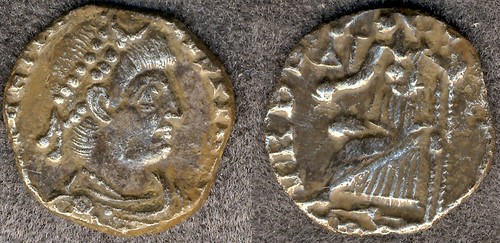
Siliqua of Gratian
AD 367-383
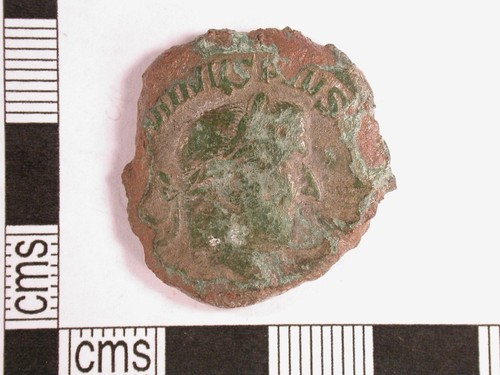
Sestertius of Maximinus Thrax
235-238 AD
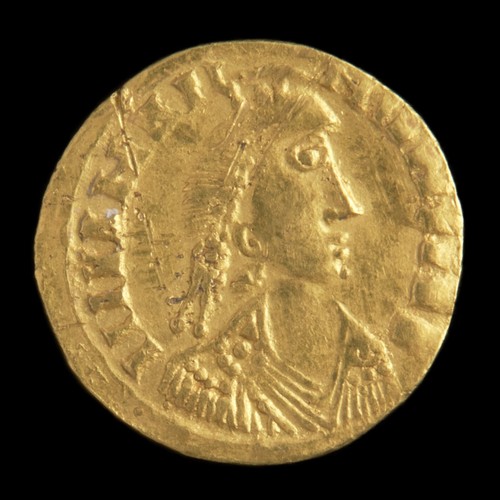
Solidus of Valentinian III
AD 425-455
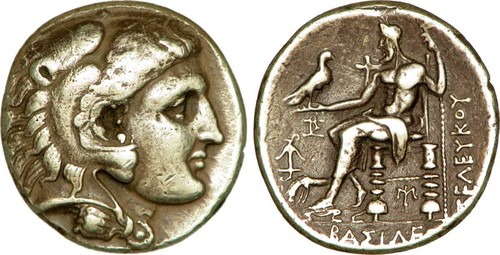
Seleucus I Nicator Tetradrachm
Late 4th-3rd century BC
Nummus of Magnentius
AD 350-353
Follis of Galerius
AD 308-310