
Coin Encyclopedia
Search and identify coins from around the world — with country, denomination, metal, mint, history, and how to tell them apart.
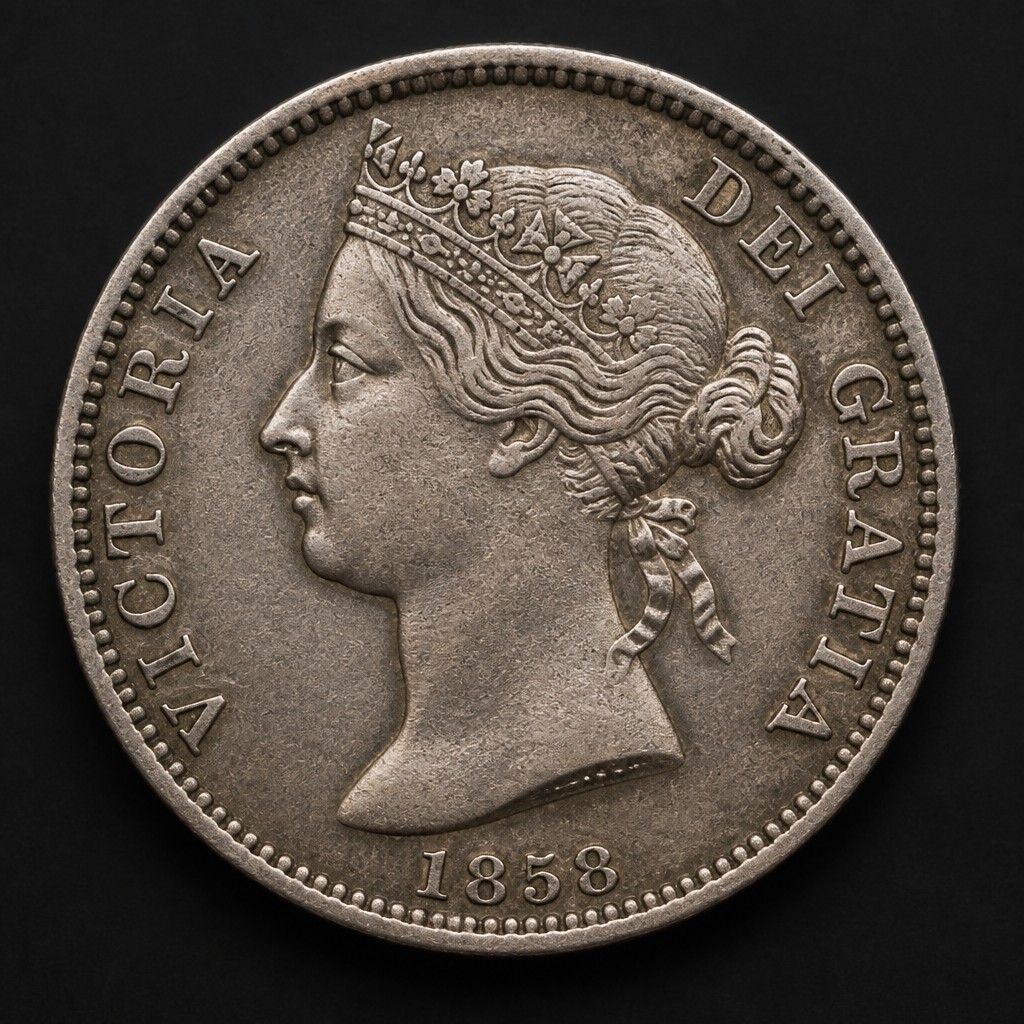
1858 Victoria Five Cents (silver)
The first Canadian five-cent coin, a tiny sterling silver piece struck for the Province of Canada in 1858 when decimal currency was introduced to replace older colonial money.
Canadian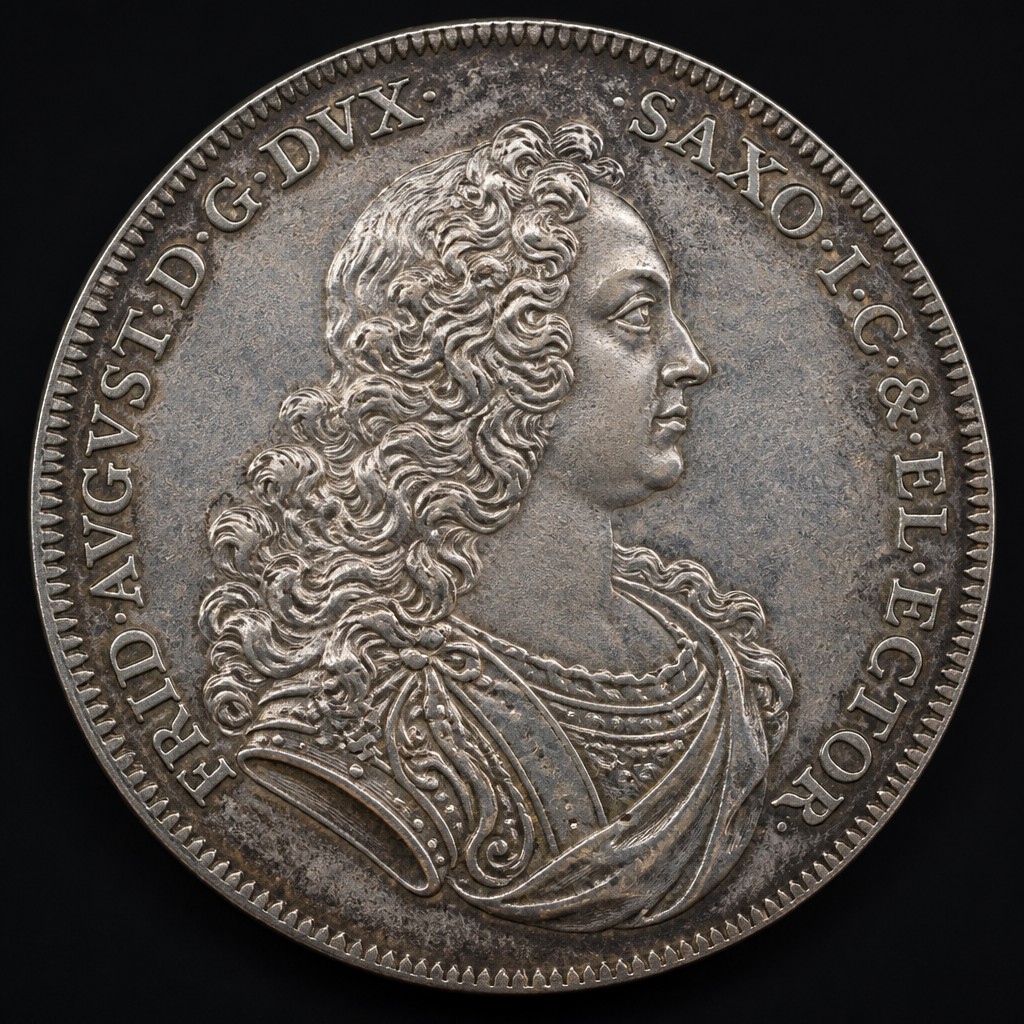
Saxon Speciestaler
Full-weight silver taler issued by the Electors and later Kings of Saxony, distinguished from lesser-value "current" talers used for everyday commerce.
European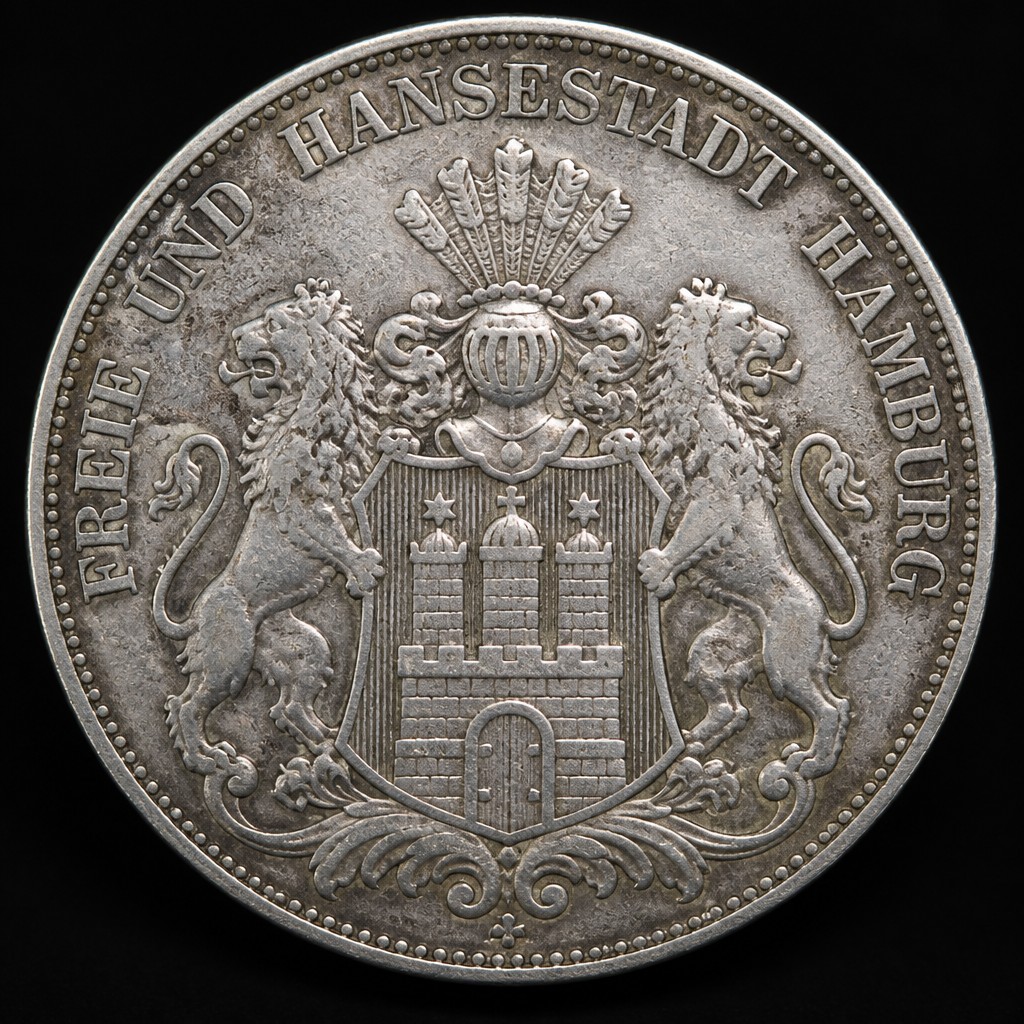
Hamburg Thaler
A silver thaler struck by the free city-state of Hamburg, bearing the city's iconic castle-and-towers coat of arms, reflecting Hamburg's status as a leading Hanseatic trading center.
European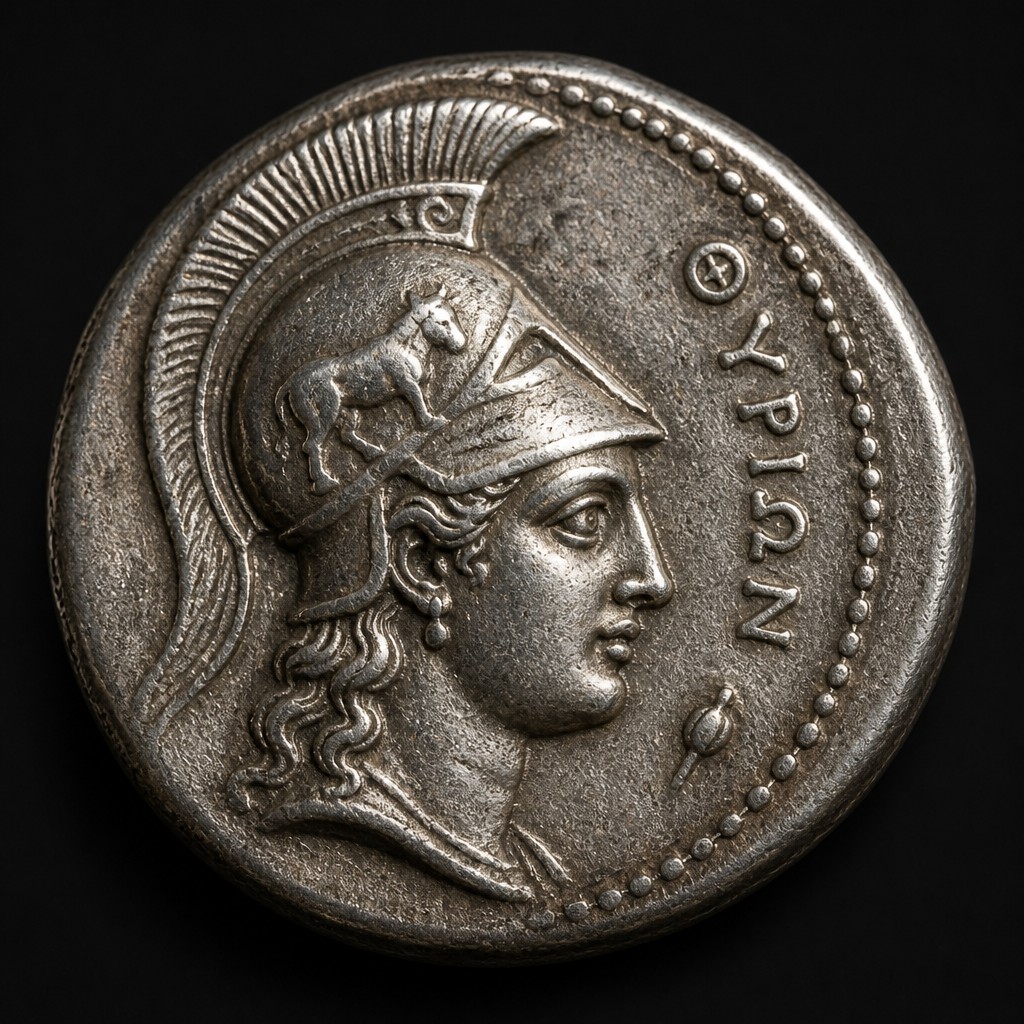
Thurium (Thurii) Athena and Bull Nomos
Silver nomos of the Greek colony of Thurii in southern Italy, showing a helmeted Athena obverse and a butting bull reverse, a classic Magna Graecia type.
Ancient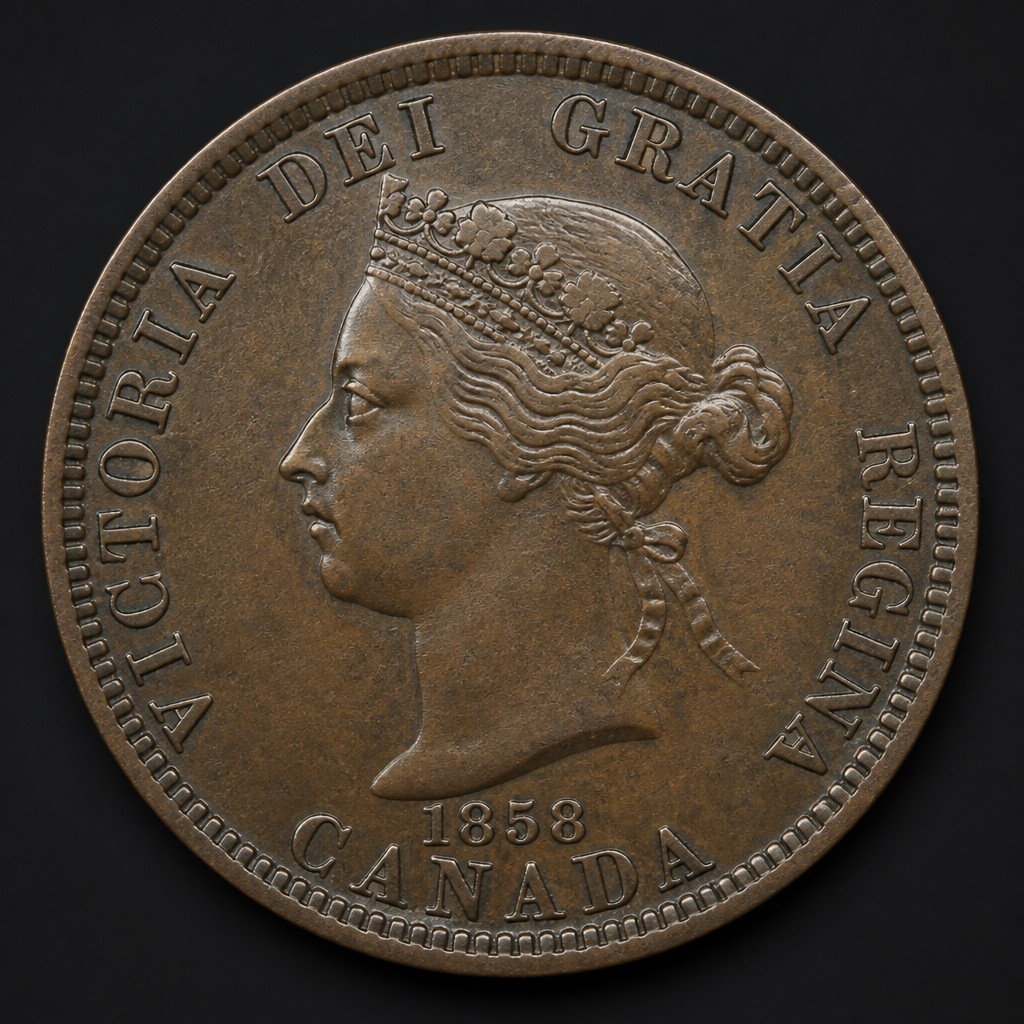
Victoria Large Cent
Canada's first bronze large cent, struck 1858-1901 under Queen Victoria, larger and heavier than the modern Canadian cent.
Canadian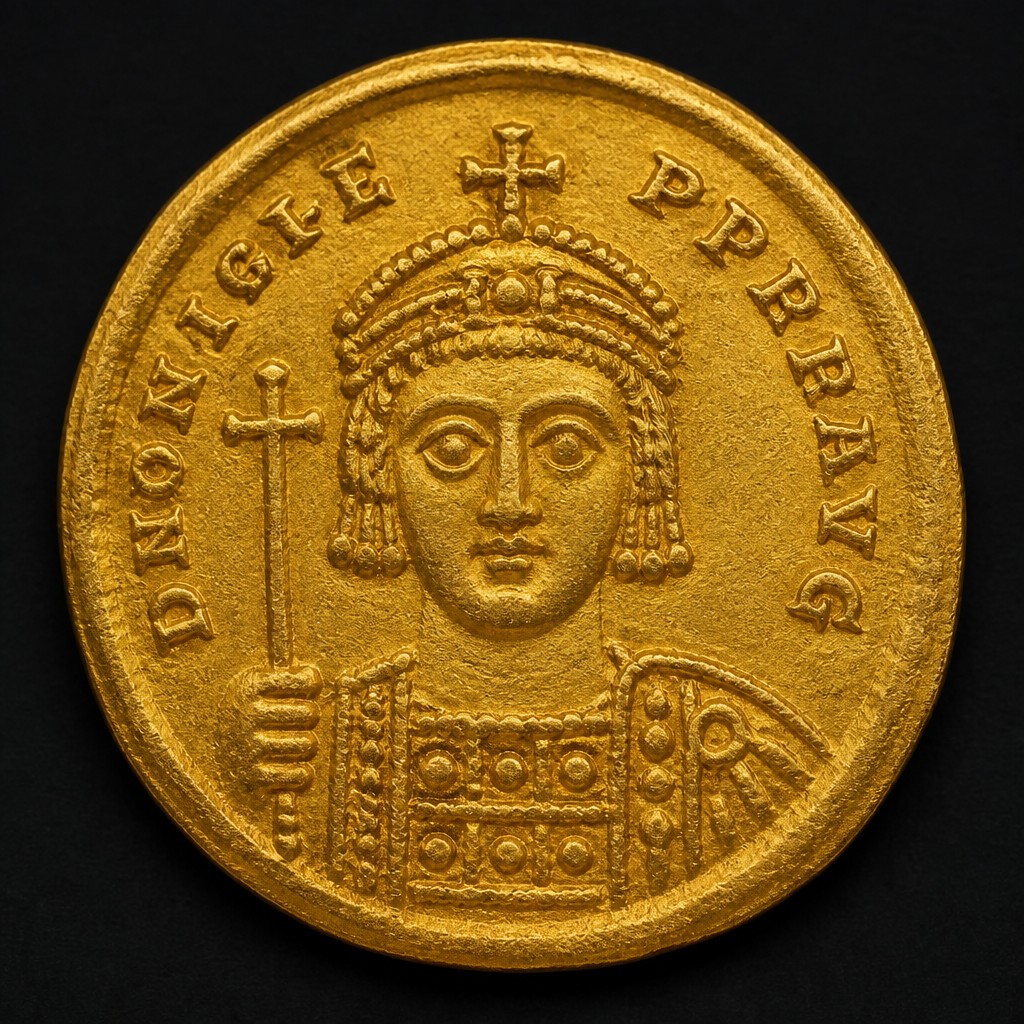
Byzantine Solidus
The gold standard coin of the Byzantine Empire for over 700 years, the solidus funded an empire, financed trade across three continents, and remained one of history's most stable currencies.
Ancient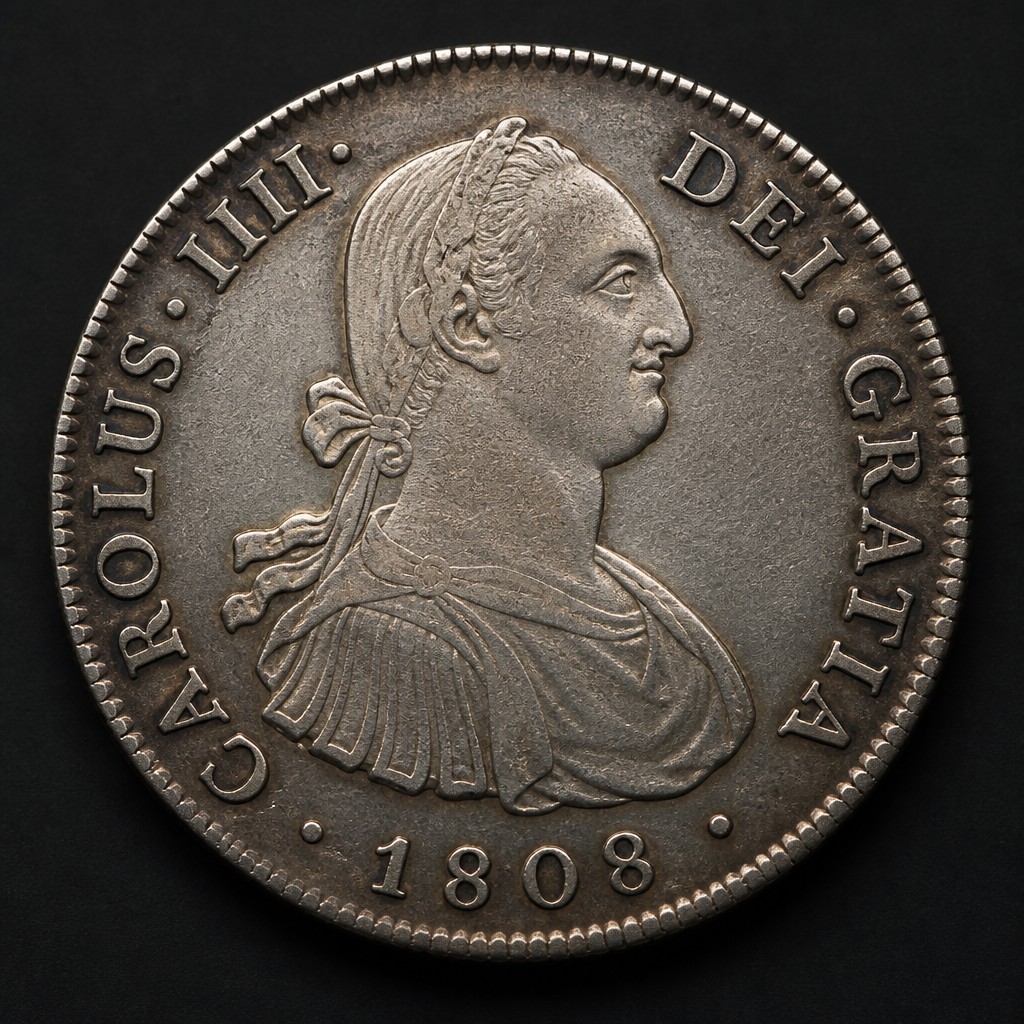
Spanish 8 Reales Portrait Dollar
The globally trusted "Spanish dollar" bearing a king's portrait, minted across Spain's vast colonial empire and so widely circulated it directly inspired the U.S. dollar sign and denomination.
European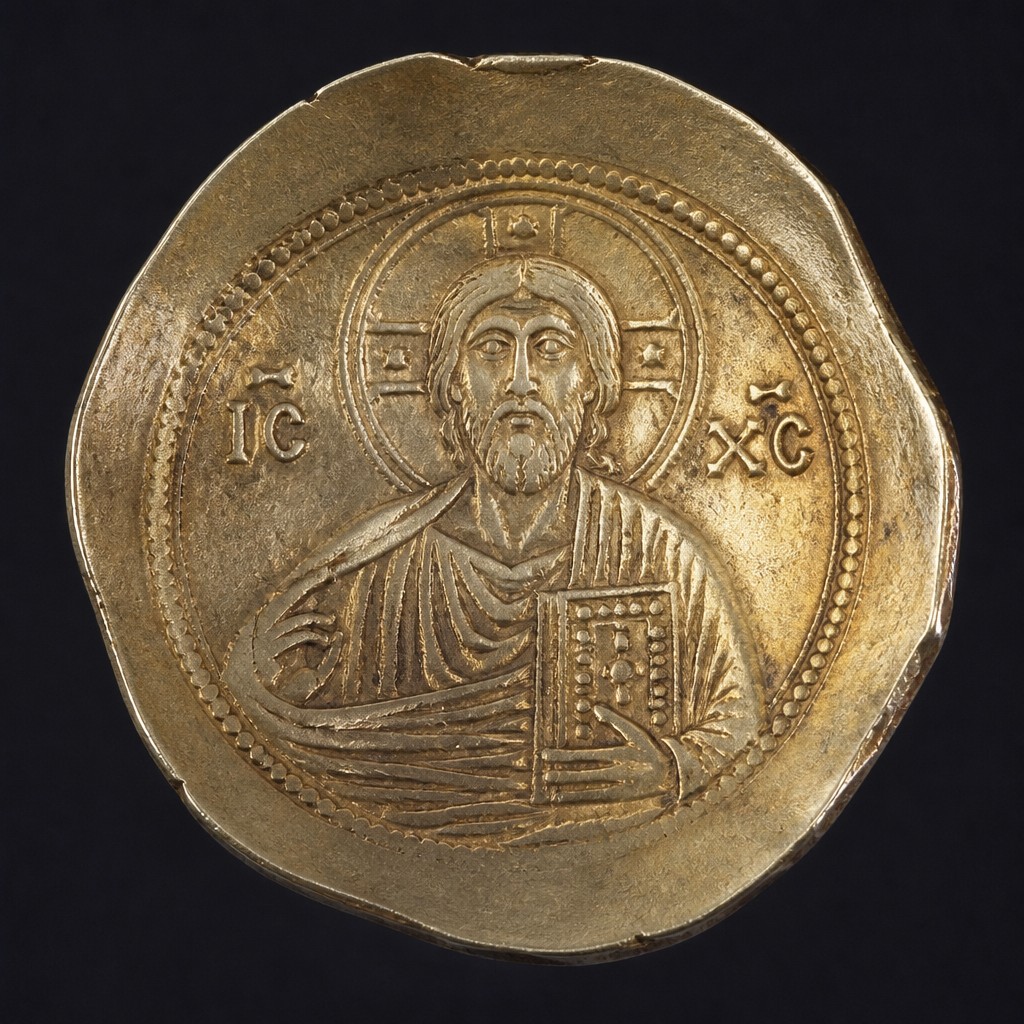
Byzantine Electrum Aspron Trachy (Scyphate)
A distinctive cup-shaped Byzantine coin struck in electrum after Alexios I Komnenos's currency reform, featuring religious imagery and a concave scyphate flan.
Ancient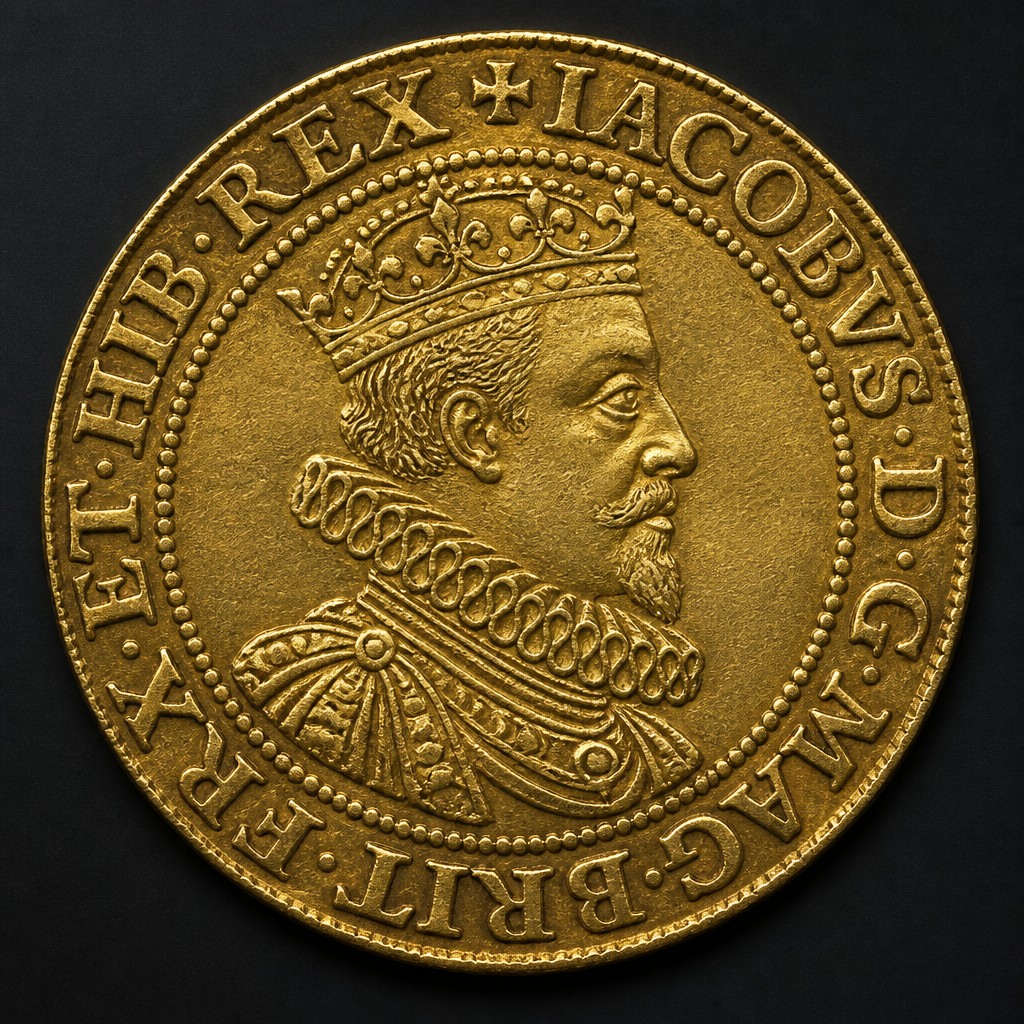
Unite
A gold twenty-shilling coin introduced by James I in 1604 to celebrate the union of the English and Scottish crowns, its name literally symbolizing the joining of the two kingdoms.
British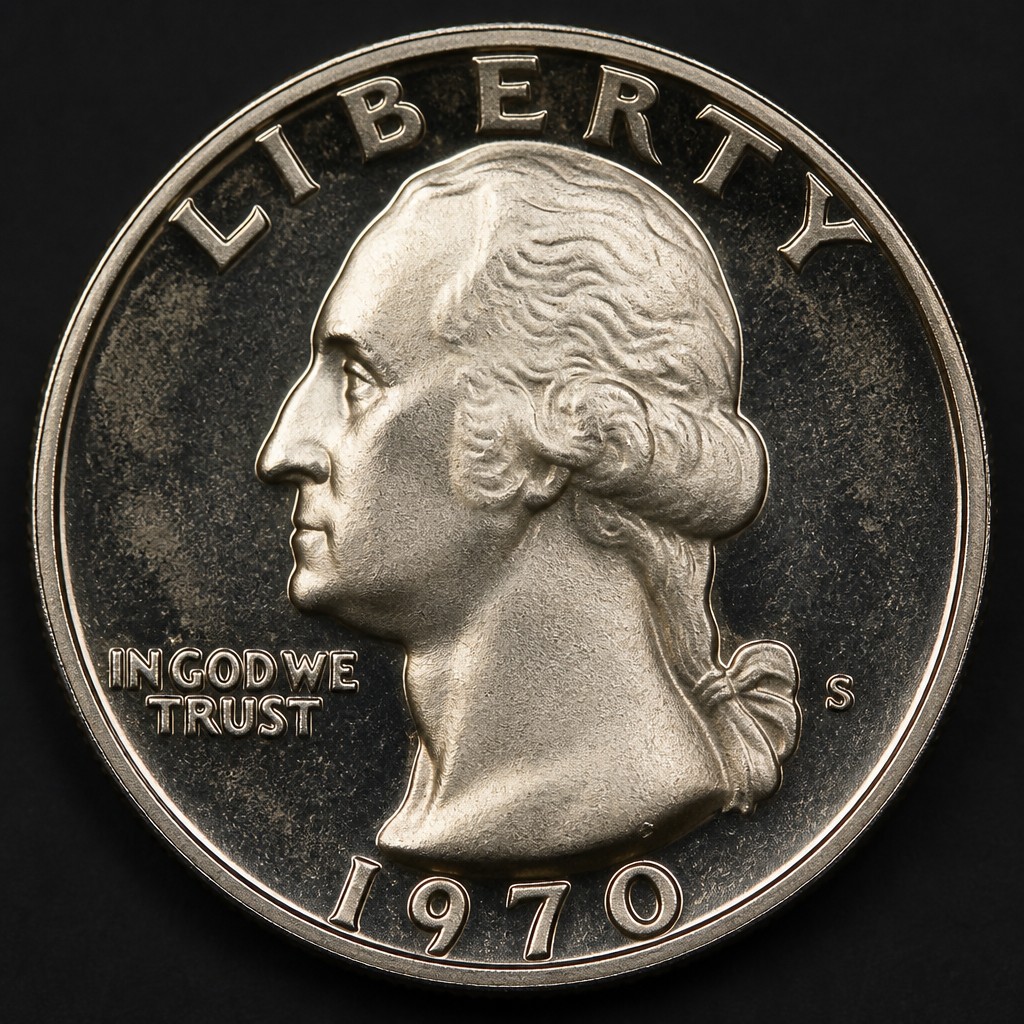
1970-S Washington Quarter Proof on 1941 Canadian Quarter
One of the most famous US mint errors: a 1970-S proof Washington quarter accidentally struck over a leftover silver 1941 Canadian quarter planchet at the San Francisco Mint.
Errors & Varieties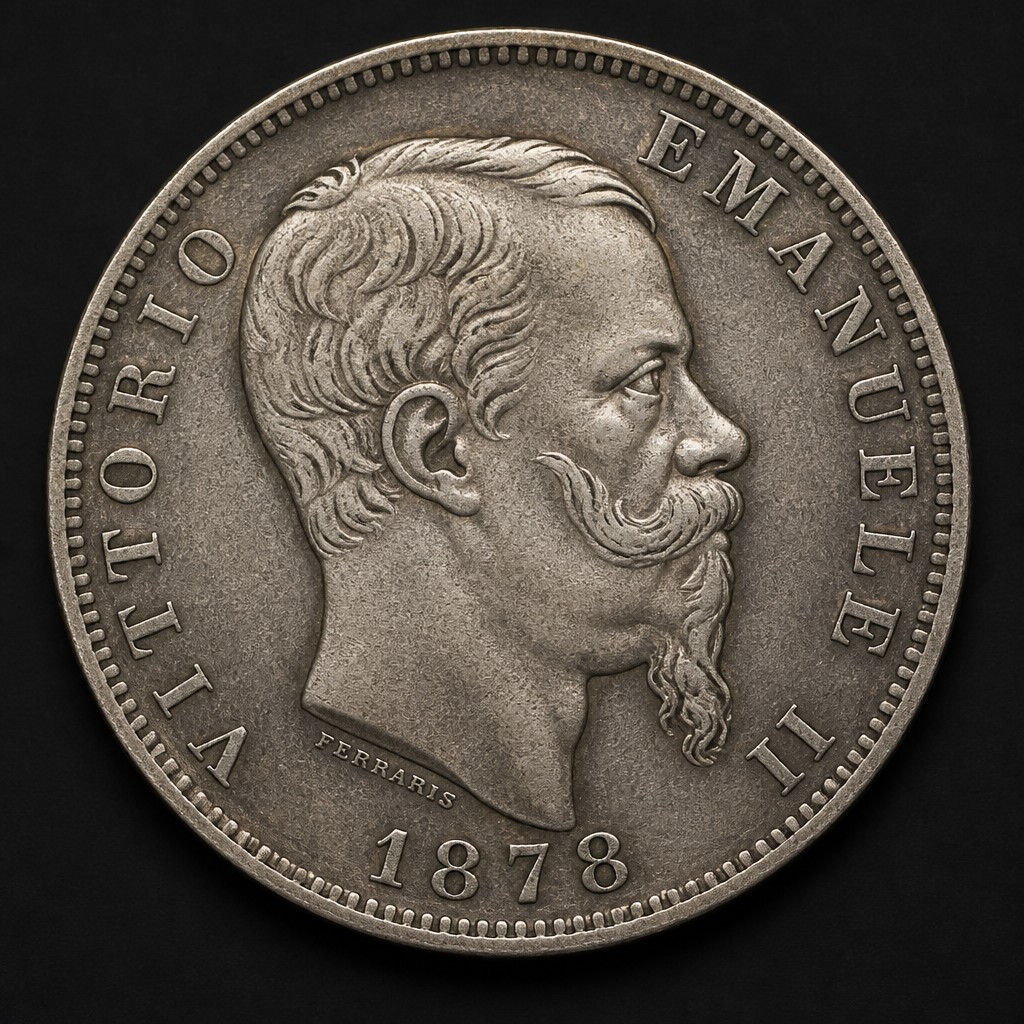
Italian 5 Lire
A large silver crown of the newly unified Kingdom of Italy, bearing the portrait of the reigning king and marking Italy's emergence as a single national currency after centuries of regional coinages.
European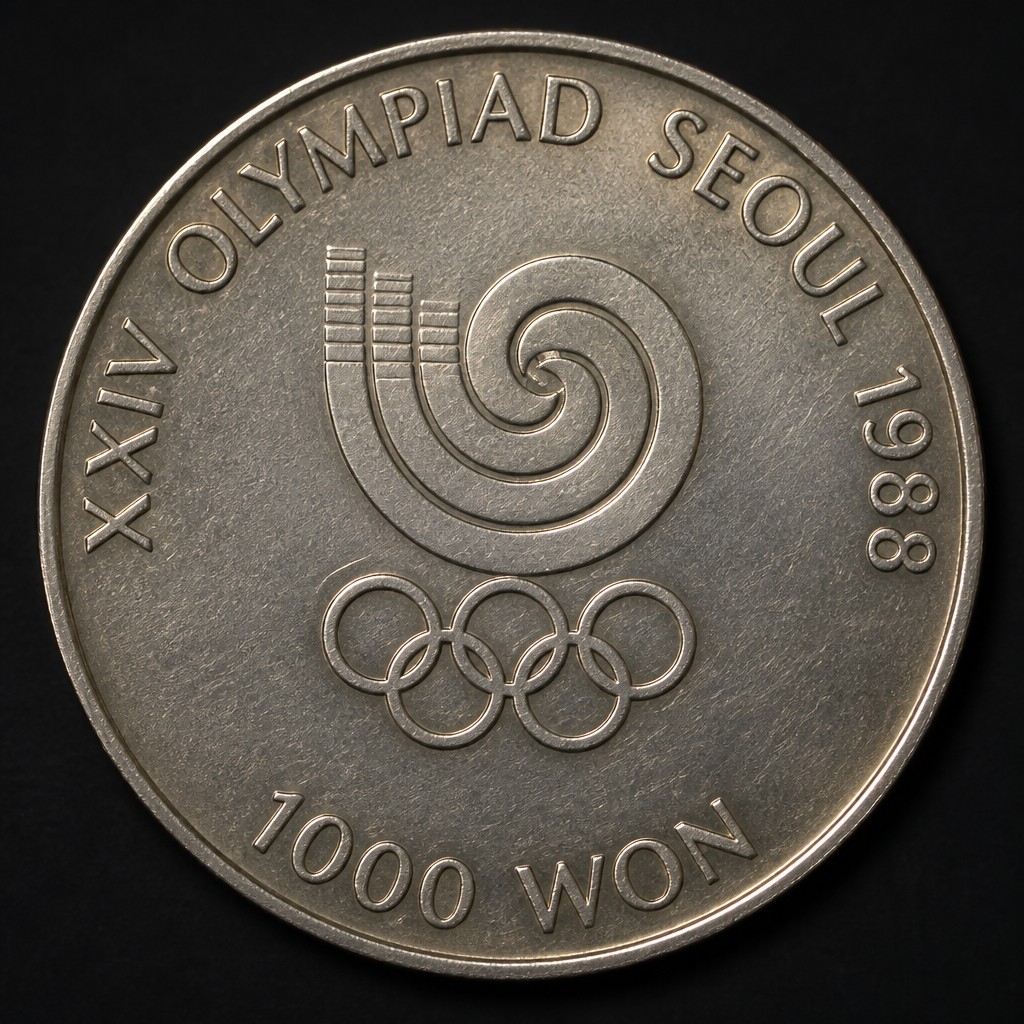
1988 Seoul Olympics Coins
South Korea issued a multi-metal coin program for the 1988 Seoul Summer Olympics, ranging from circulating cupronickel coins to gold and silver collector pieces featuring mascots and sporting themes.
Commemorative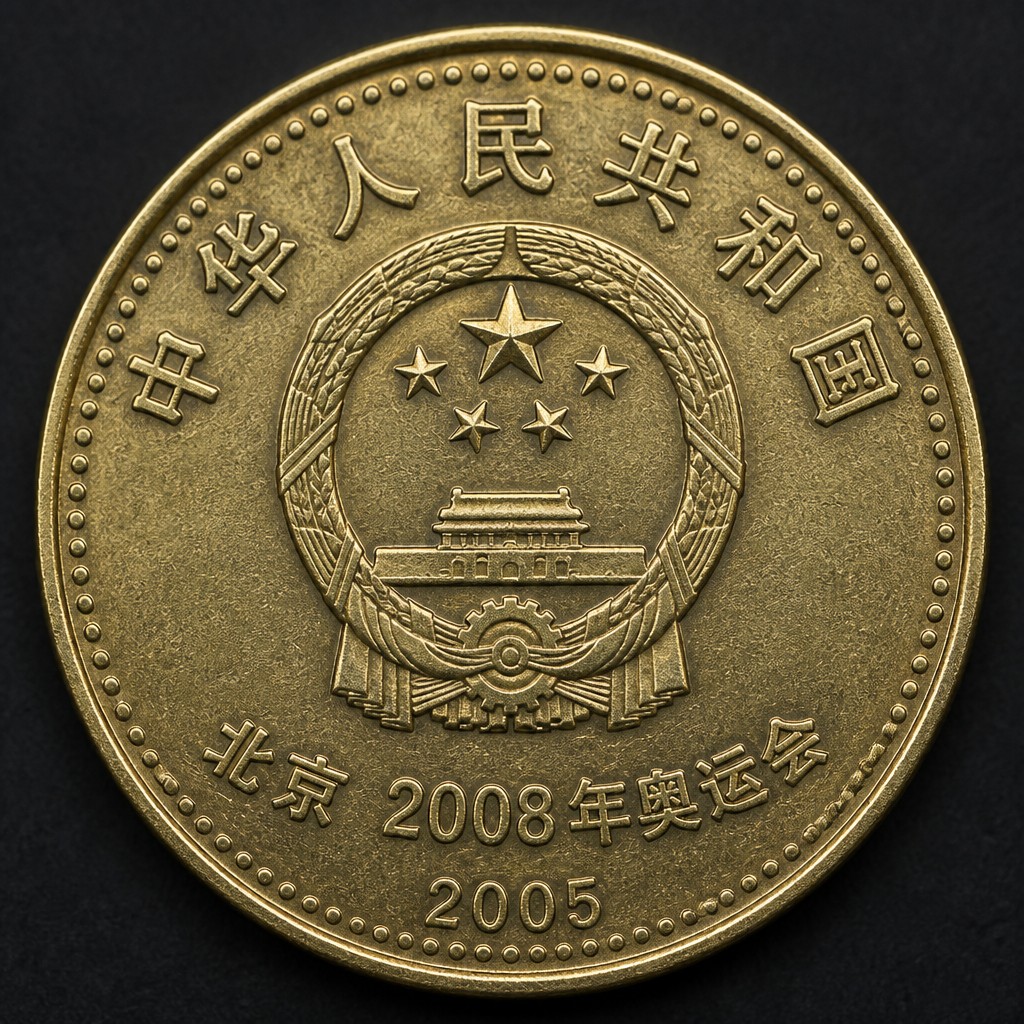
2008 Beijing Olympics Commemorative Coins
China issued a large multi-year coin program ahead of the 2008 Beijing Olympics, spanning circulating 1 Yuan pieces and extensive gold and silver proof series depicting Olympic sports and Beijing landmarks.
Commemorative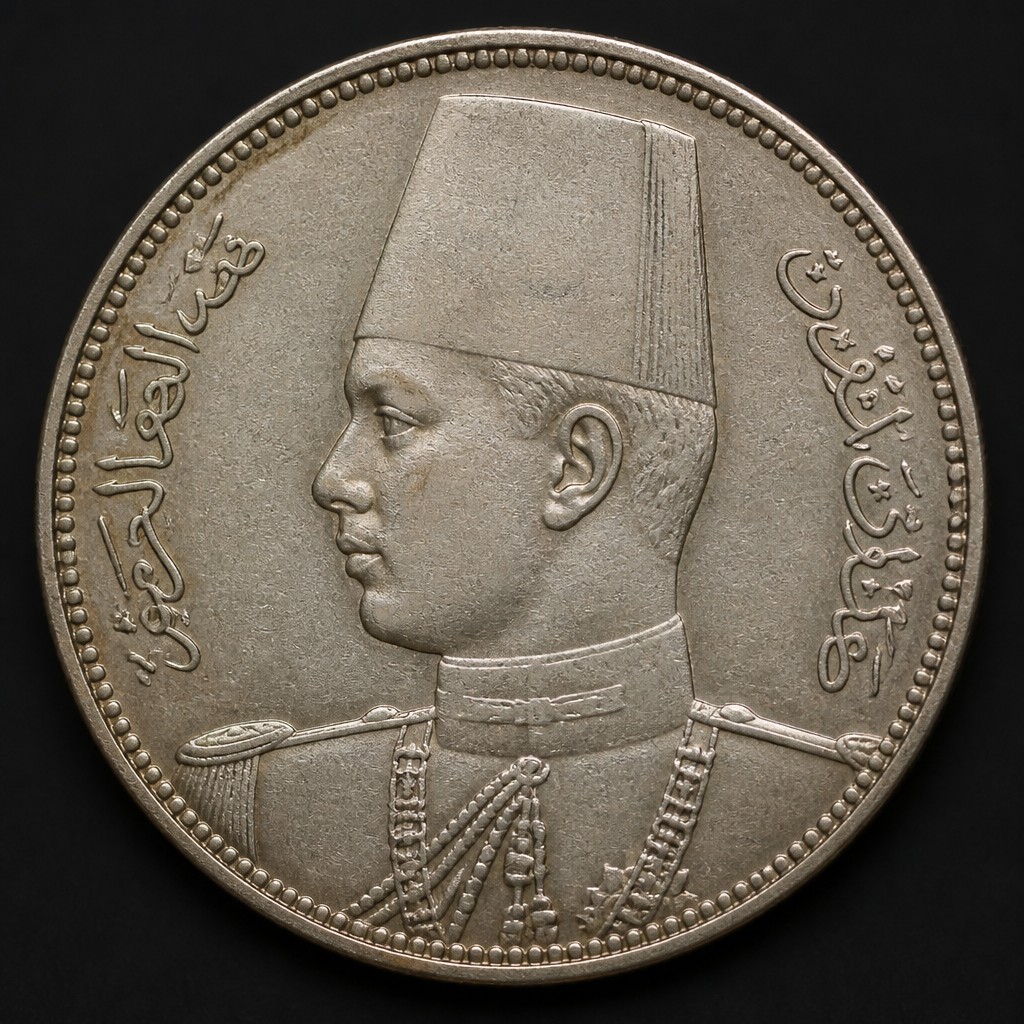
Egyptian Farouk 5 Piastres
Silver five-piastre coin of the Kingdom of Egypt struck during the reign of King Farouk, featuring his portrait or cipher alongside Arabic denomination legends.
Africa & Oceania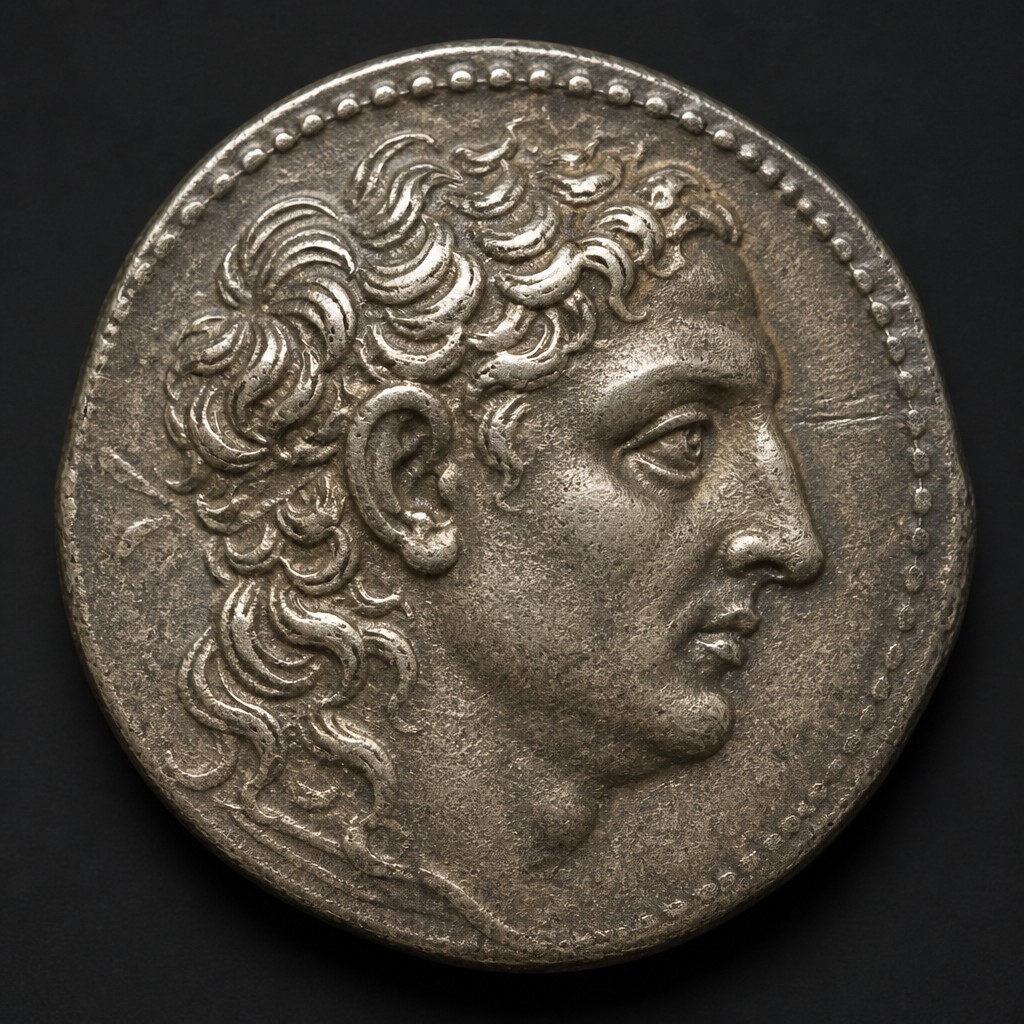
Mithradates VI Pontos Tetradrachm
A Hellenistic silver tetradrachm portraying Mithradates VI Eupator of Pontos, Rome's fiercest eastern rival, with his distinctive wind-swept diademed portrait and a grazing stag reverse.
Ancient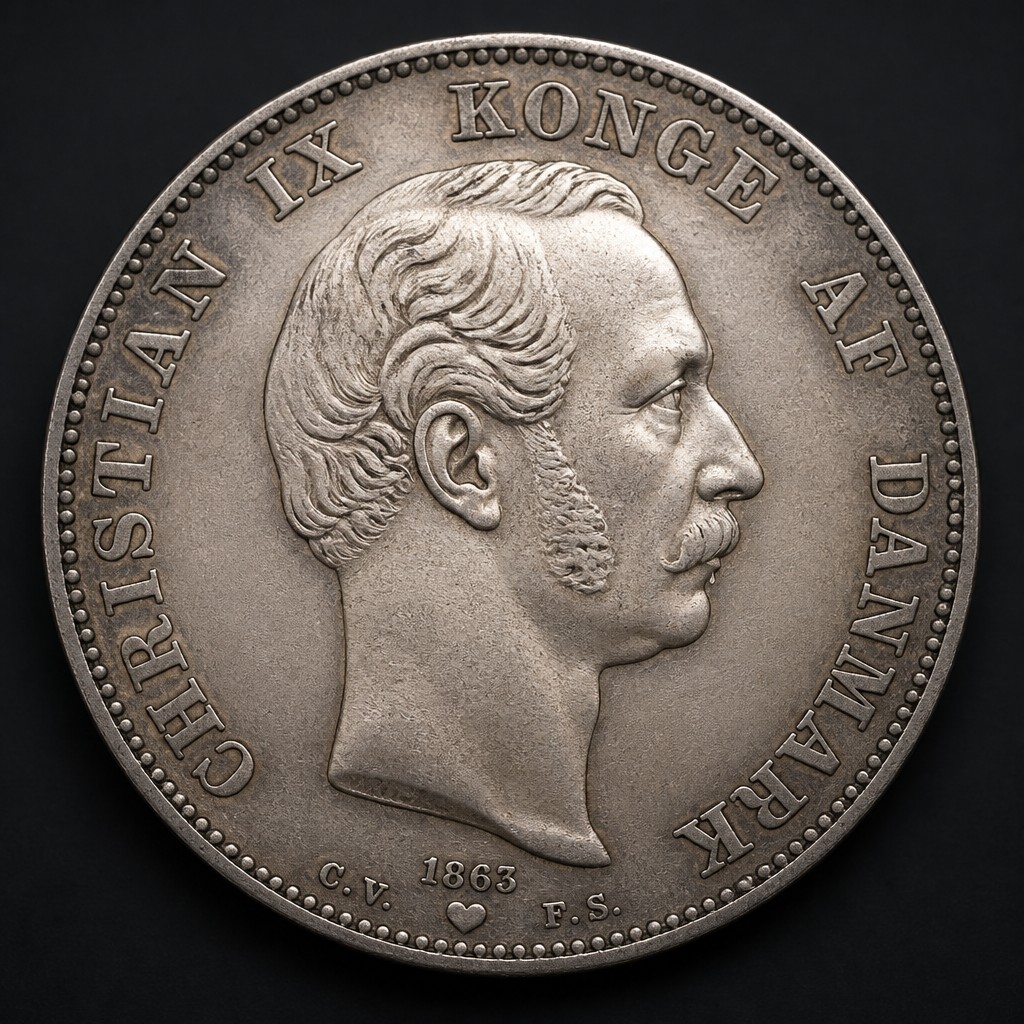
Danish 2 Rigsdaler
A large silver crown of the Kingdom of Denmark, double the standard rigsdaler denomination, often struck to commemorate specific royal events before Denmark adopted the krone in 1873.
European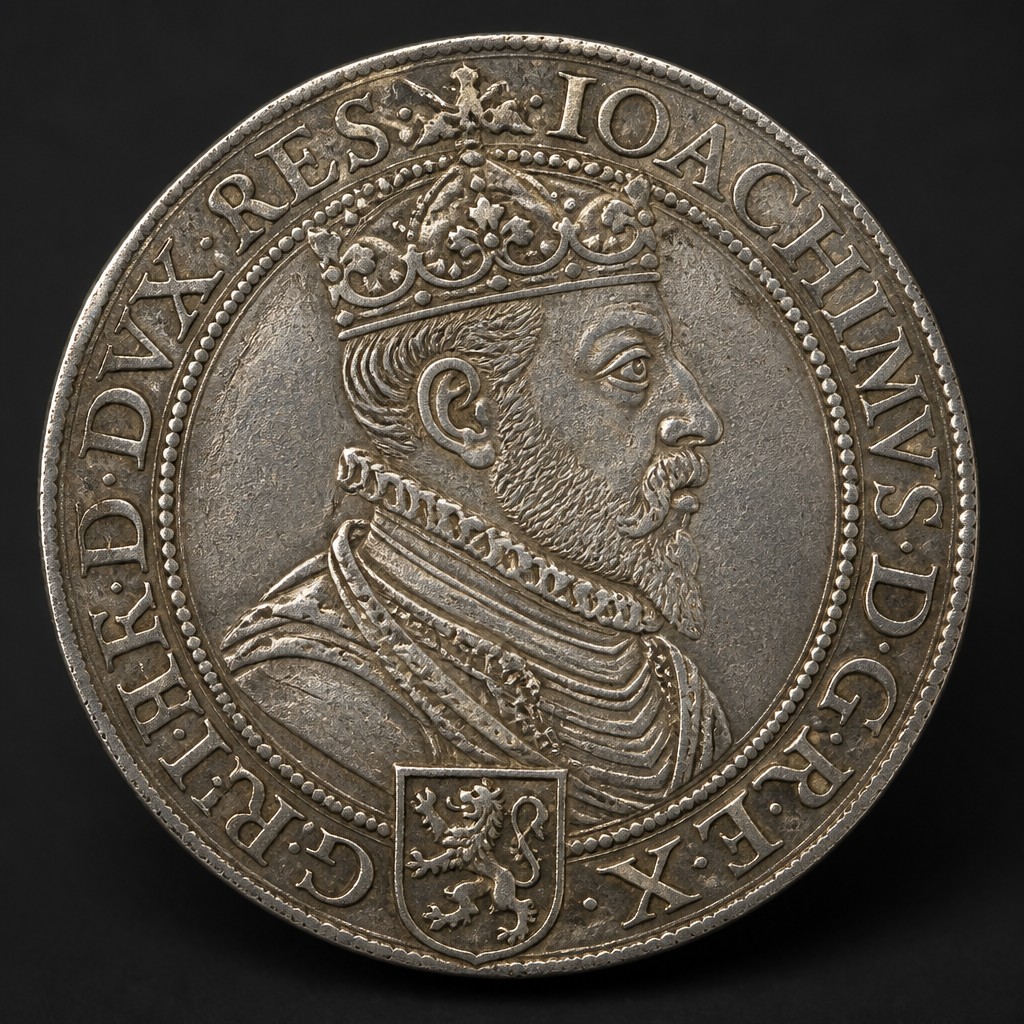
Joachimsthaler
Struck beginning in 1520 in the Bohemian silver-mining town of Joachimsthal, this large silver coin gave its name, shortened to 'thaler' and later 'dollar,' to countless currencies around the world.
European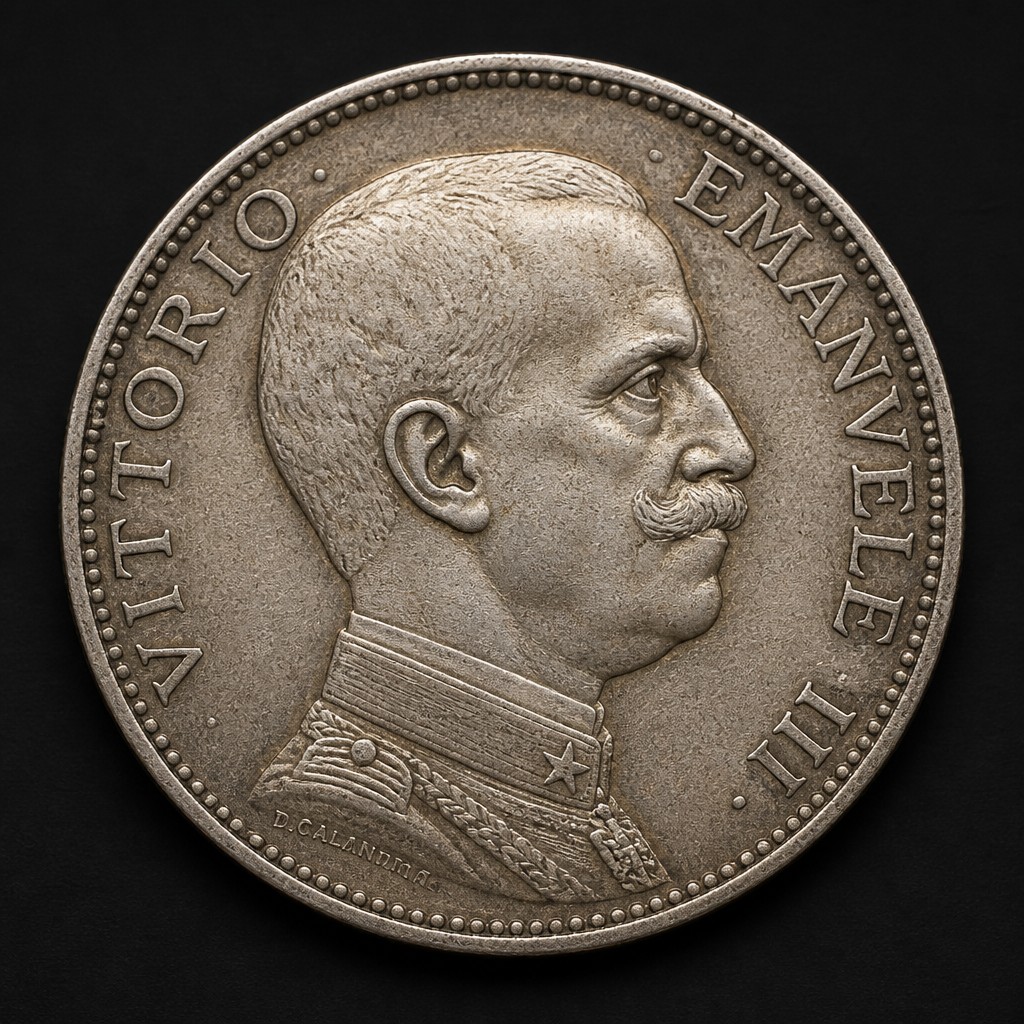
Italian 10 Lire (Silver)
Kingdom of Italy silver 10 Lire coin, best known for the 1926–1930 'Biga' type showing a two-horse chariot, struck under Vittorio Emanuele III.
European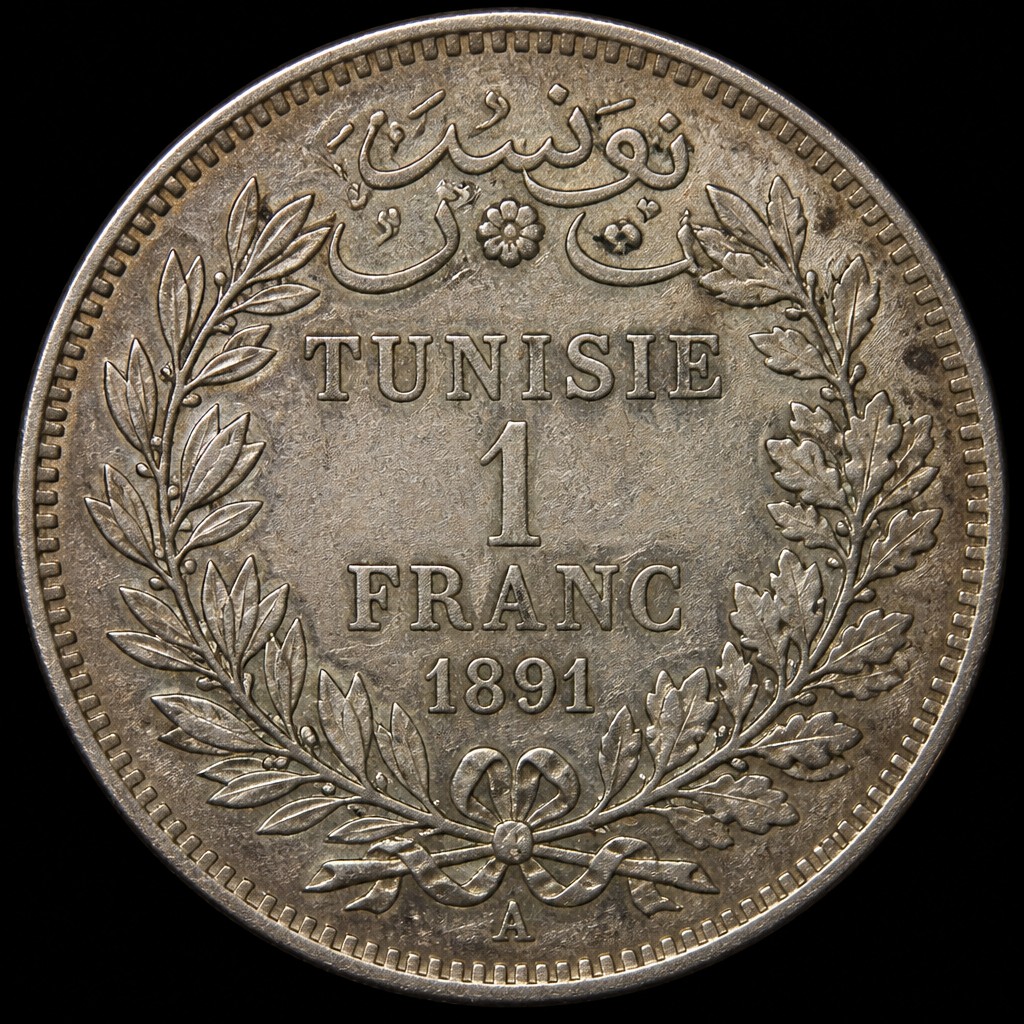
Tunisian Franc (Beylik Era)
French-franc-aligned coinage struck in the name of the Tunisian Bey during the era of French protectorate influence, blending Arabic and French inscriptions.
Africa & Oceania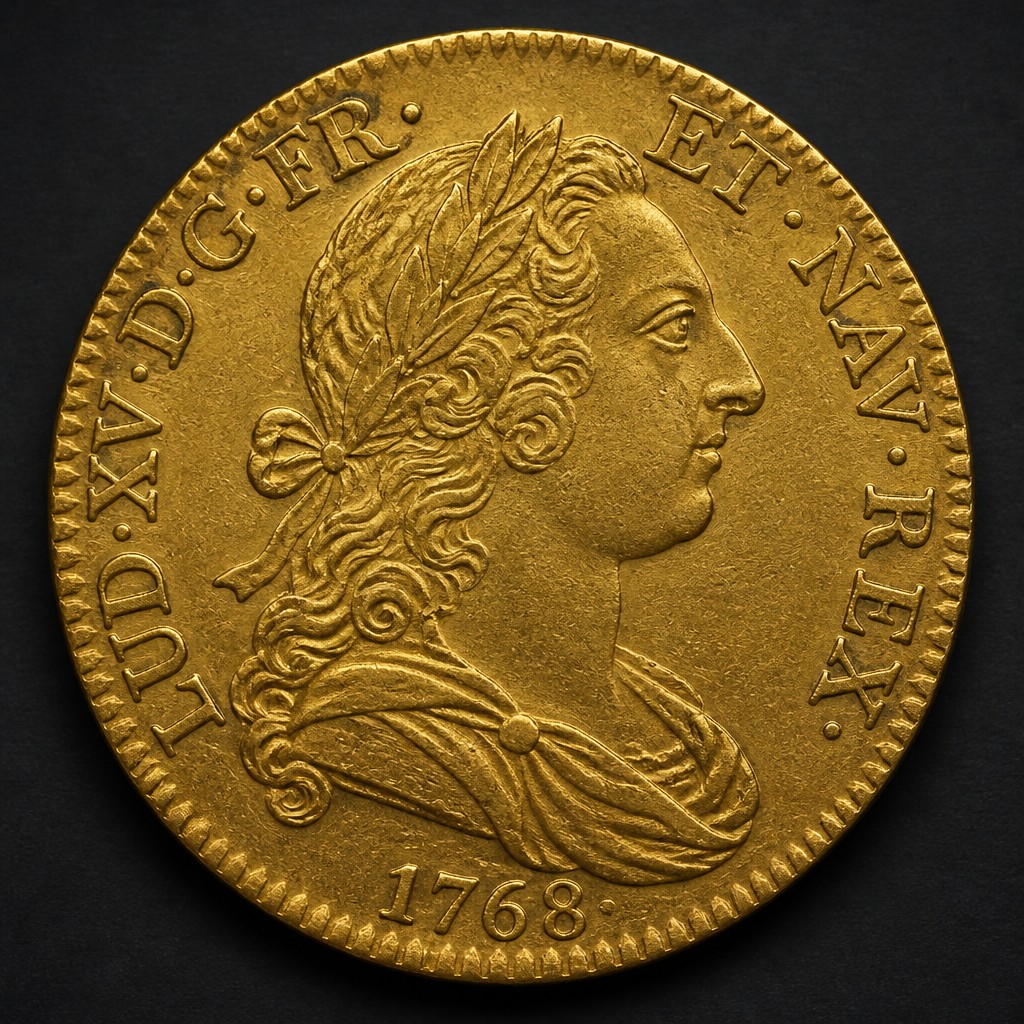
French Louis d'Or
The Louis d'Or was the principal gold coin of the French monarchy for over 150 years, named after the kings Louis who issued it, and struck until the eve of the Revolution.
European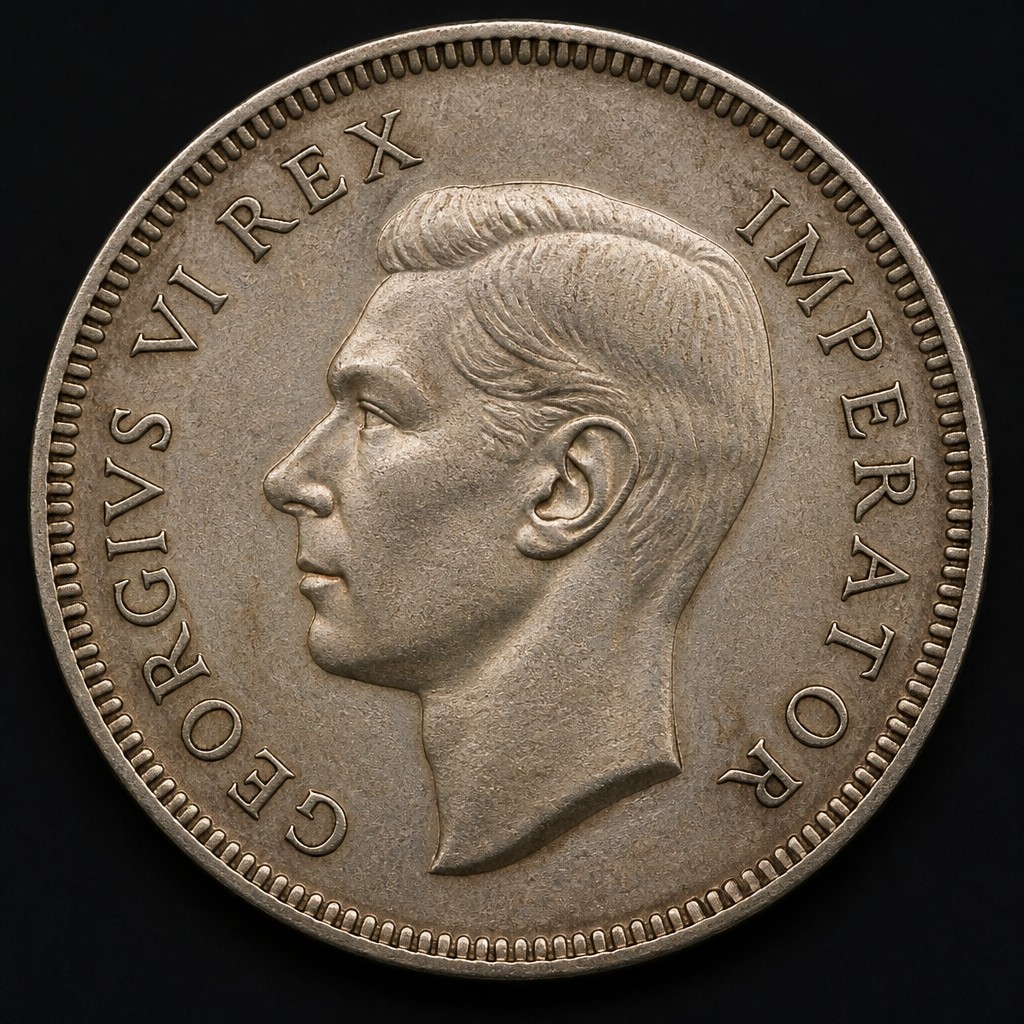
South African Sixpence (Union)
Small silver sixpence of the Union of South Africa, known for its protea flower reverse, circulated from the 1920s through the transition to decimal currency.
Africa & Oceania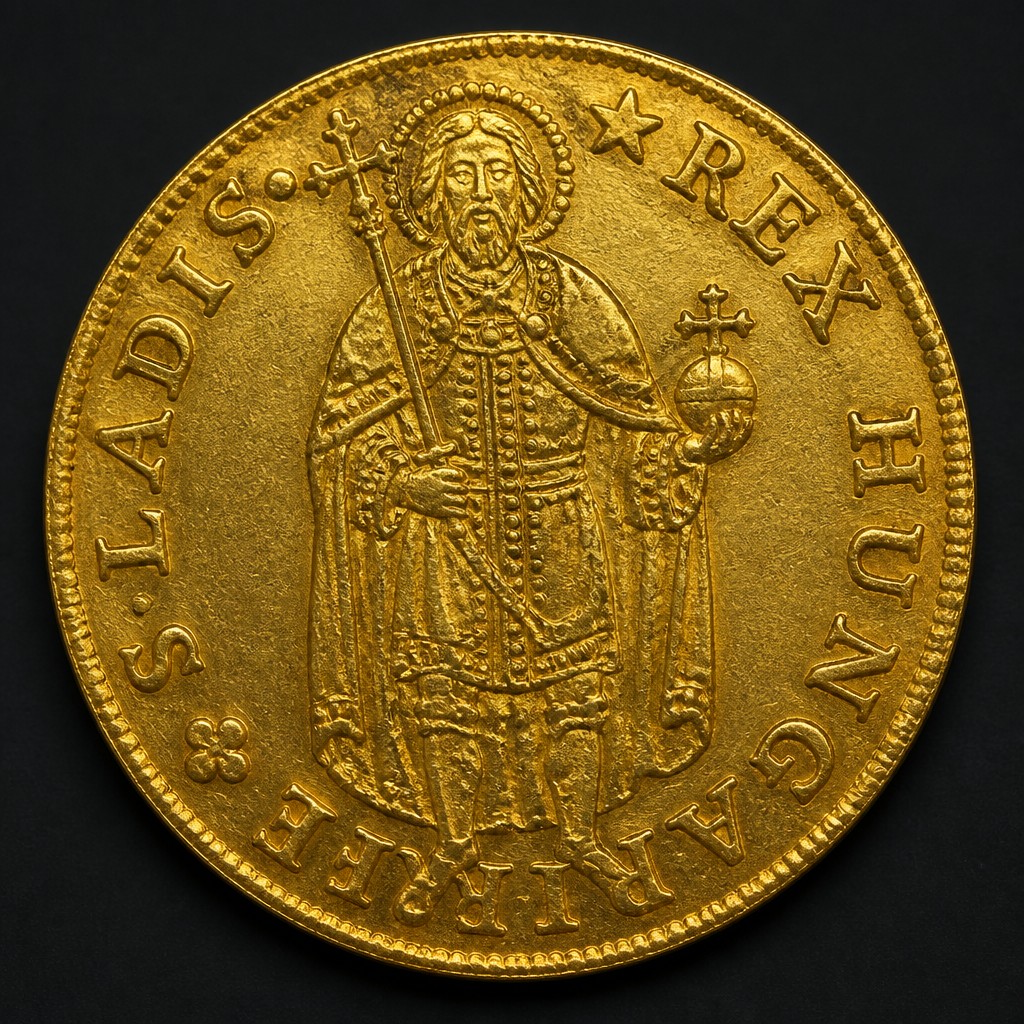
Hungarian Ducat
A remarkably long-lived gold coin of the Kingdom of Hungary, showing St. Ladislaus and the Madonna and Child, prized for centuries as one of Europe's most trusted trade coins.
European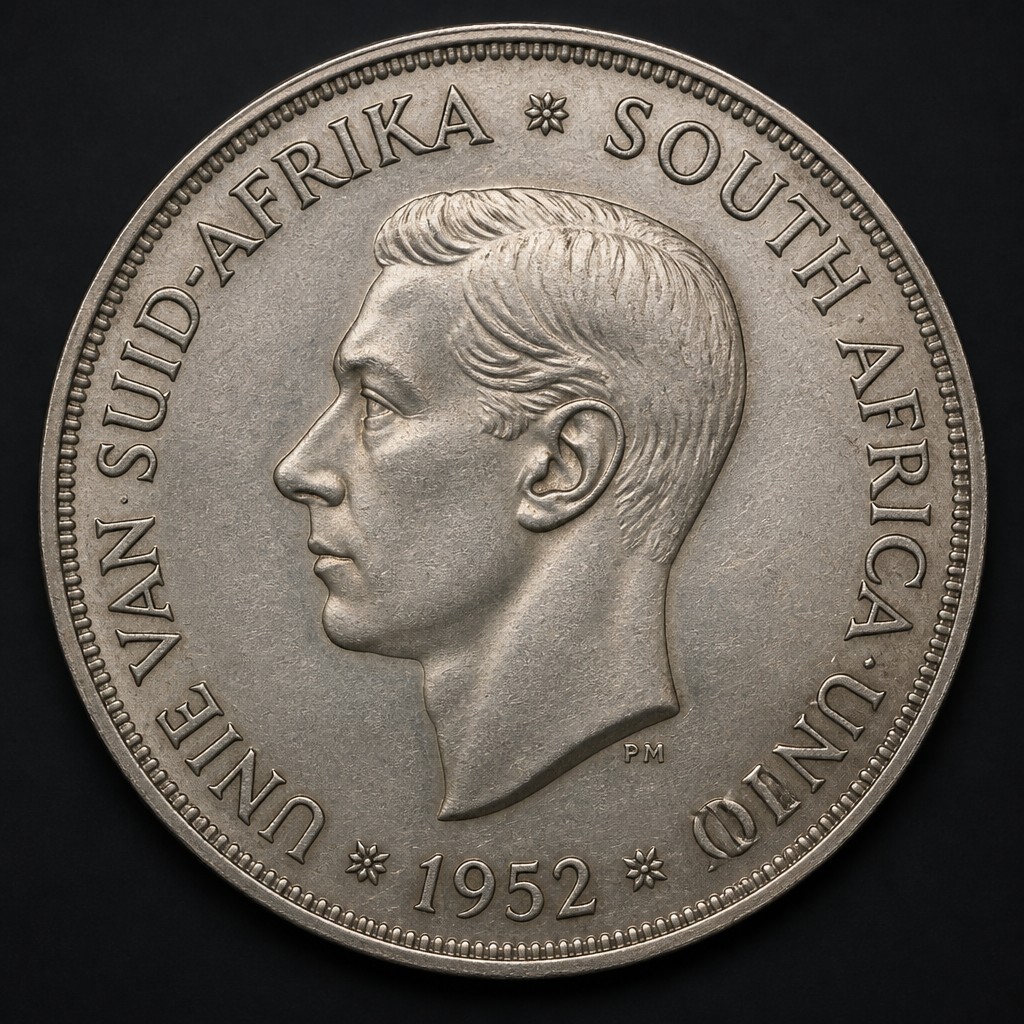
South African Union Silver Crown (5 Shillings)
Large silver crown of the Union of South Africa, struck periodically from the late 1940s, featuring a springbok reverse and occasional special commemorative designs.
Africa & Oceania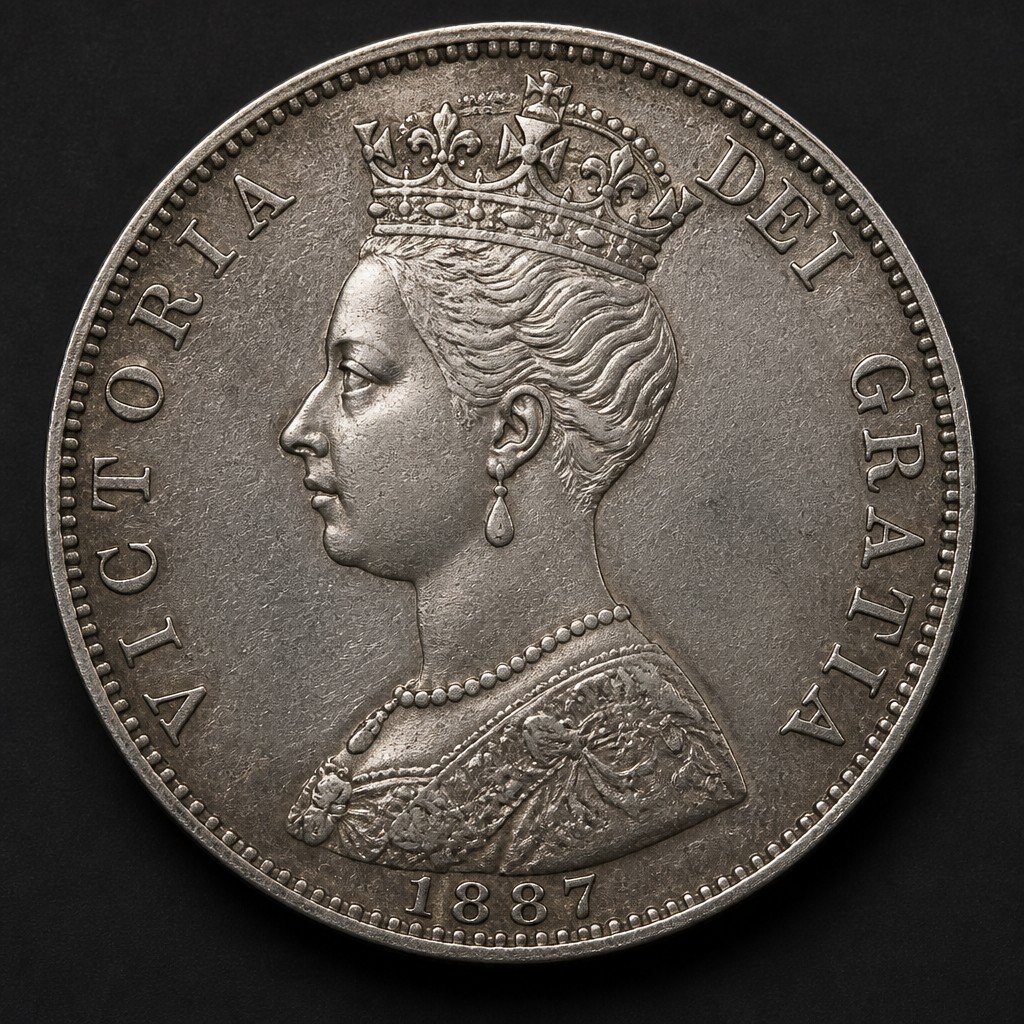
Crown
Large British coin traditionally worth five shillings, historically struck in silver and famed for elaborate designs, now issued mainly as a cupro-nickel commemorative.
British