
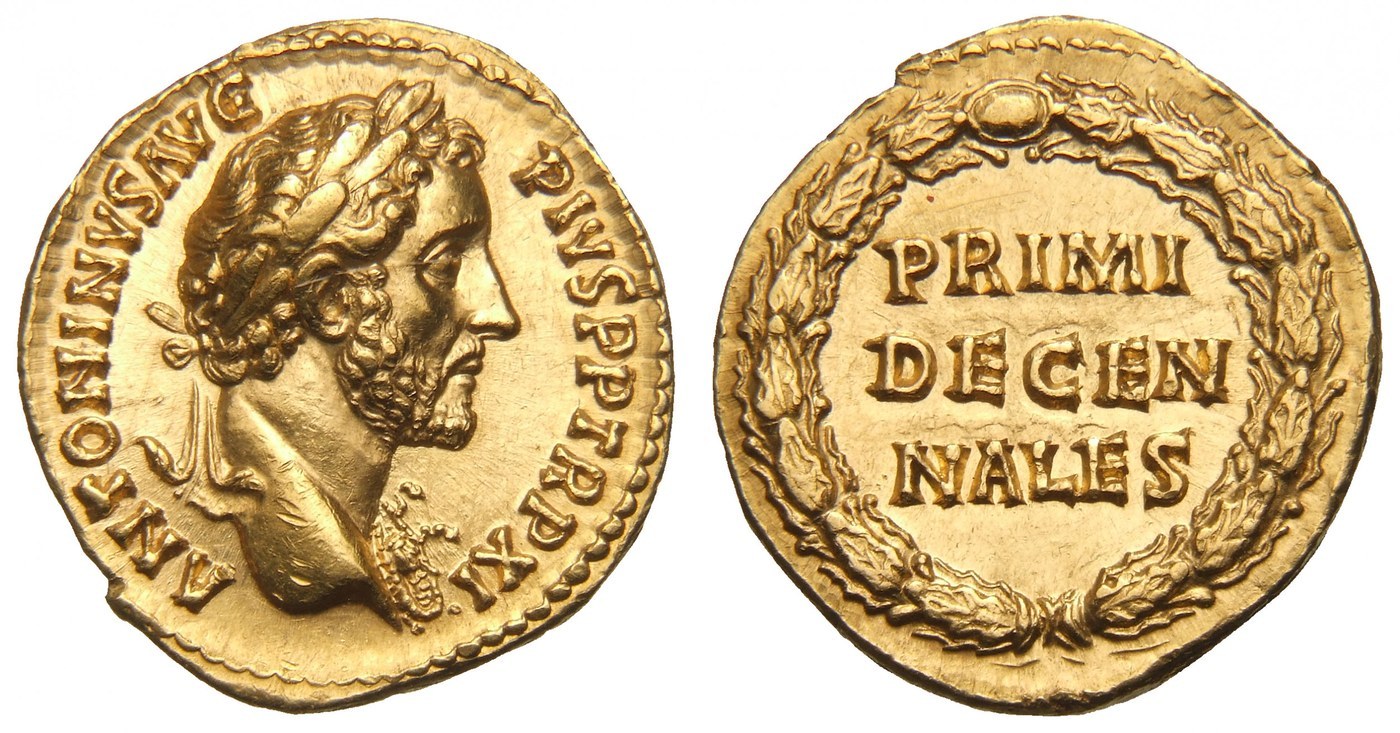
Denarius of Antoninus Pius
Silver denarius of the Roman emperor Antoninus Pius (138–161 AD), with his laureate portrait facing right and a legend-and-figure reverse.
- Country
- Roman Empire
- Denomination
- Denarius
- Metal
- Silver
Got a coin like this?
Identify any coin from a photo, free.
Overview
The denarius was the standard silver coin of the Roman Empire, and this type was struck during the twenty-three-year reign of Antoninus Pius (138–161 AD). The obverse carries his laureate head facing right, encircled by an abbreviated Latin legend giving his imperial names and titles. The reverse pairs an inscription with a figure or personification, a format used across the many reverse designs issued under this emperor.
Antoninus Pius produced an unusually broad range of denarius reverses over his long reign, honoring deities, virtues, and members of the imperial family. As a result the coins are among the more frequently encountered silver denarii of the second-century "Five Good Emperors" period, and they remain a popular and accessible entry point into collecting Roman imperial silver.
History & Background
Antoninus Pius was adopted by the emperor Hadrian and succeeded him in 138 AD, ruling until his death in 161 AD. His reign is remembered as one of the most stable and peaceful of the Roman Empire, and he earned the title "Pius" for his dutiful conduct. Coinage was struck at Rome throughout his reign in gold, silver, and bronze, with the silver denarius serving as the everyday high-value coin for soldiers, officials, and commerce.
Denarii of this era were struck by hand from silver blanks between engraved dies, so each coin is slightly individual in centering, flan shape, and strike. Over his long reign the denarius still carried a high silver content compared with the debased issues of later decades, which makes Antonine silver relatively attractive to collectors today.
Because so many reverse types were produced across more than two decades, and because the coins circulated widely and were often preserved in hoards, denarii of Antoninus Pius survive in considerable numbers. Many were also struck posthumously in his memory under his successors.
How to Identify
The obverse shows a mature, laureate male portrait facing right, wrapped by a Latin legend that typically includes forms of ANTONINVS and AVG PIVS along with titles such as P P (father of the country) and TR P with COS numerals. Reading these abbreviations helps confirm the emperor and can narrow the date within his reign.
The coin is a small silver piece, generally around 17–19 mm in diameter and roughly 3 grams, struck on an irregular hand-made flan. The reverse combines a Latin inscription running around the rim with a standing or seated figure, often a personification of a virtue or a deity holding attributes. There is no date in the modern sense; the tribunician and consular numbers in the legend are what scholars use to place the issue.
Because the portrait style, silver color, and lettering are characteristic, these features together identify the coin as an imperial denarius rather than a provincial or later Roman issue. The specific reverse legend and figure determine the exact catalog type.
Value & Collectibility
Denarii of Antoninus Pius are relatively common, so most examples fall within an affordable range for ancient silver. Well-worn but clearly identifiable coins often trade in the low tens of dollars, while attractive pieces with good portraits, clear legends, and pleasant toning typically bring more, into the low hundreds depending on eye appeal and reverse type.
Value is driven by condition (grade), the quality of the strike and centering, surface preservation, and the desirability of the particular reverse design. Scarcer or especially artistic reverses, high-grade examples, and coins with a documented provenance command the strongest premiums.
As with all ancient coins, authenticity and honest grading matter far more than any headline figure. Prices quoted here are general context rather than a valuation of any specific coin, and a genuine, correctly attributed example should be assessed individually.
Frequently asked questions
Is a denarius of Antoninus Pius real silver?
Yes. The denarius of this period was struck in a relatively high-grade silver, before the heavier debasements of later Roman coinage. Genuine examples are true silver coins, though centuries of circulation and burial affect their surfaces.
How old is a coin like this?
It dates to the reign of Antoninus Pius, 138 to 161 AD, making it roughly 1,900 years old. Coins were struck by hand at the mint of Rome throughout his reign.
Why are there so many different reverse designs?
Antoninus Pius ruled for more than two decades and issued a wide variety of reverse types honoring deities, personified virtues, and family members. The obverse portrait stays consistent while the reverse changes from issue to issue.
Are these coins rare?
No. Because of the long reign and large output, denarii of Antoninus Pius are among the more common second-century Roman silver coins and are widely available to collectors at modest prices.
Denarius of Antoninus Pius guides
In-depth guides for identifying, valuing, and collecting Denarius of Antoninus Pius.
Other coins you may enjoy
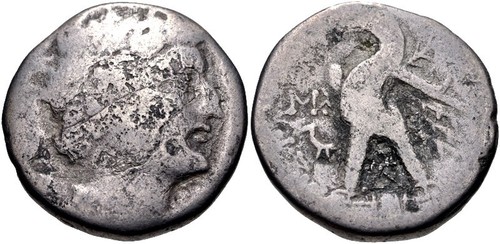
Tetradrachm of Ptolemy XII
80-51 BC
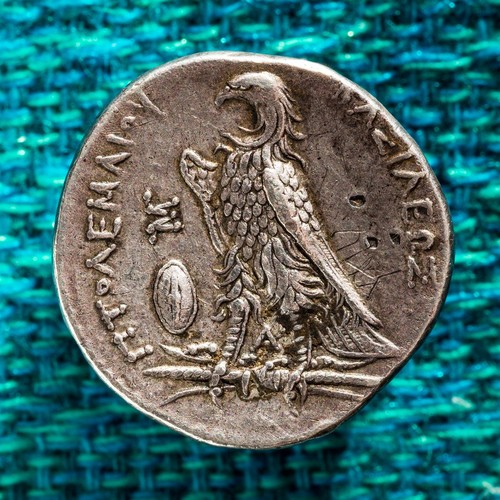
Tetradrachm of Ptolemy I
305-283 BC
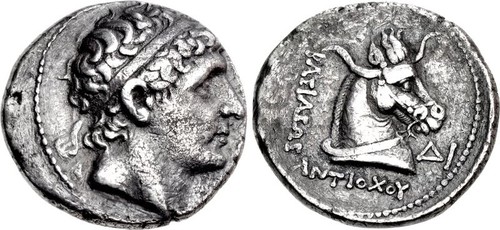
Tetradrachm of Antiochos I Soter
281-261 BC
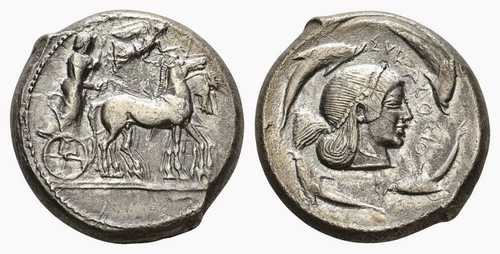
Syracuse Tetradrachm
c. 5th-4th century BC (Classical period)
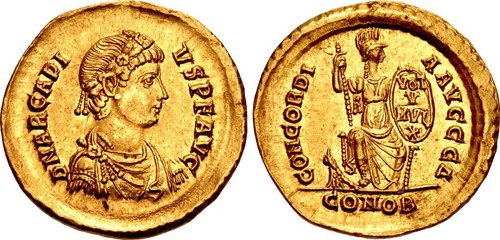
Solidus of Arcadius
AD 395-402
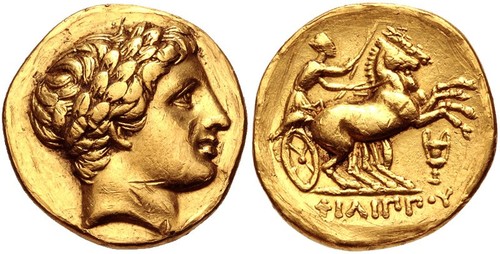
Philip III Gold Stater
323-317 BC
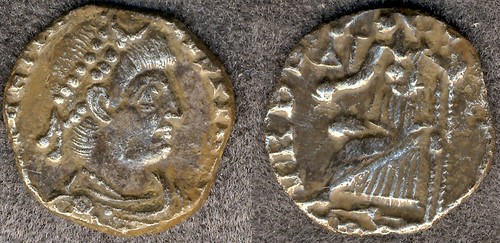
Siliqua of Gratian
AD 367-383
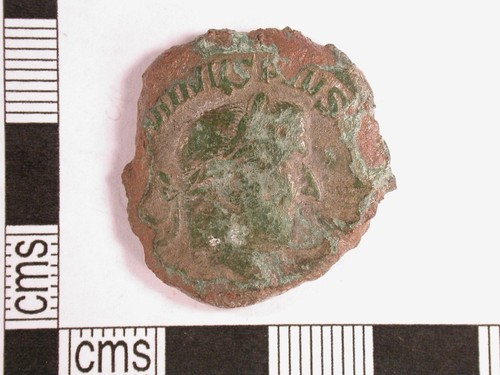
Sestertius of Maximinus Thrax
235-238 AD
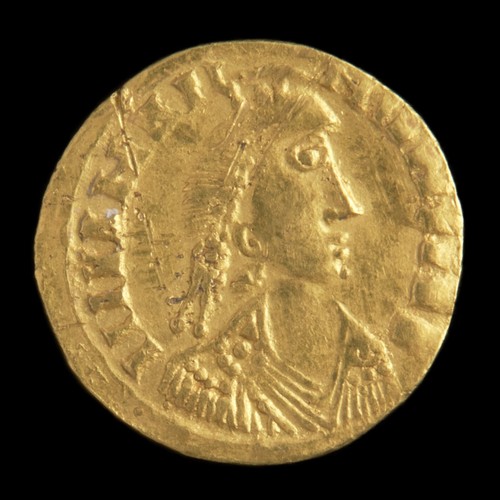
Solidus of Valentinian III
AD 425-455
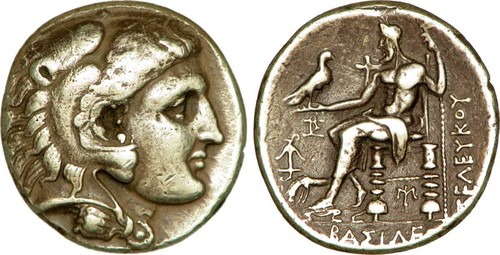
Seleucus I Nicator Tetradrachm
Late 4th-3rd century BC
Nummus of Magnentius
AD 350-353
Follis of Galerius
AD 308-310