
Coin Encyclopedia
Search and identify coins from around the world — with country, denomination, metal, mint, history, and how to tell them apart.
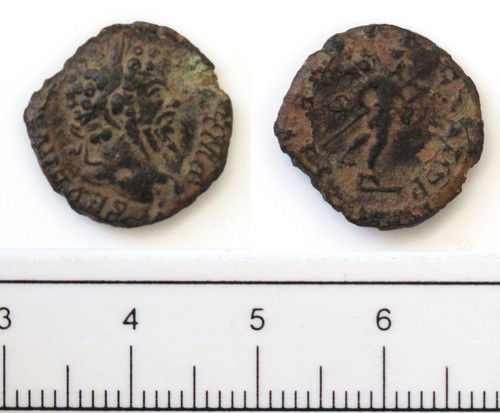
Denarius of Septimius Severus
Silver denarius of the Roman emperor Septimius Severus (193–211 AD), showing his laureate head and a standing reverse figure.
Ancient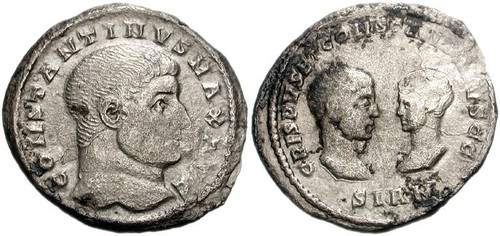
Follis of Constantine I and Crispus
A late-Roman bronze follis linking Constantine the Great to his son Crispus, with the emperor's right-facing portrait and a paired father-and-son bust reverse.
Ancient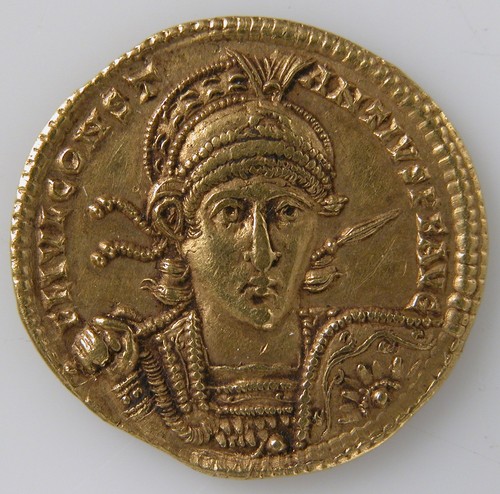
Solidus of Constantius II
Late Roman gold solidus of Emperor Constantius II (337-361 AD), showing his diademed bust facing right paired with a seated-figure reverse.
Ancient Coins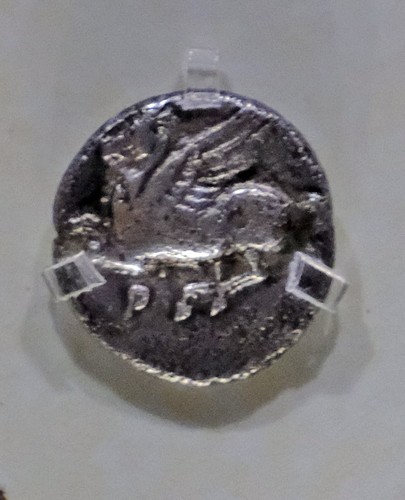
Corinthian Drachm
A silver drachm of ancient Corinth pairing a helmeted head of Athena with the city's emblem, the winged horse Pegasus, struck in the mid-4th century BC.
Ancient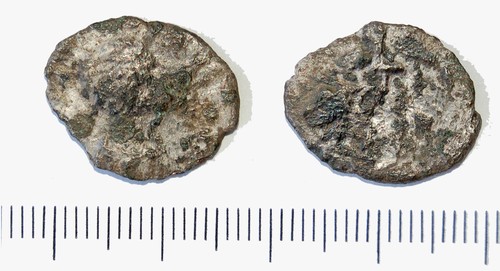
Denarius of Faustina the Elder
A silver Roman denarius honoring Faustina the Elder, wife of Antoninus Pius, with her draped bust and a seated Fortuna reverse, struck c. 141–161 AD.
Ancient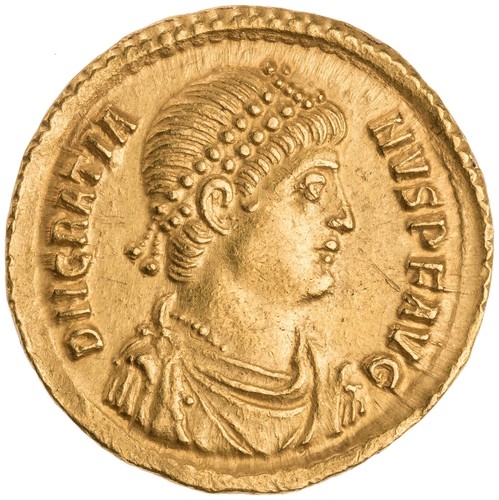
Solidus of Gratian
Late Roman gold solidus of Emperor Gratian (r. 367–383 CE), showing his curly-haired, diademed, draped and cuirassed portrait.
Ancient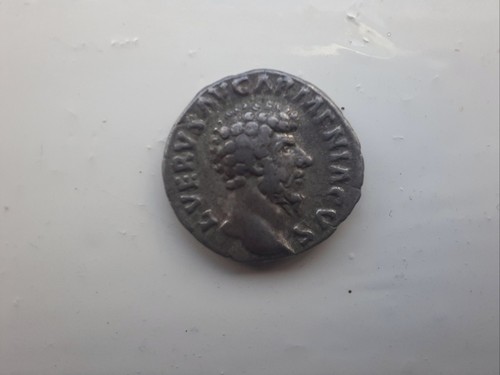
Denarius of Lucius Verus
A silver Roman denarius of the emperor Lucius Verus (161–169 AD), showing his curly-haired, bearded portrait facing right with a Latin legend.
Ancient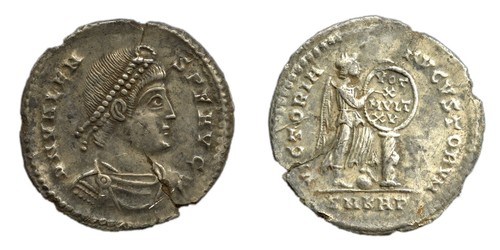
Arles Miliarensis
A late Roman silver miliarensis of the 4th century AD, with a diademed imperial portrait and an armed standing figure holding spear and shield.
Ancient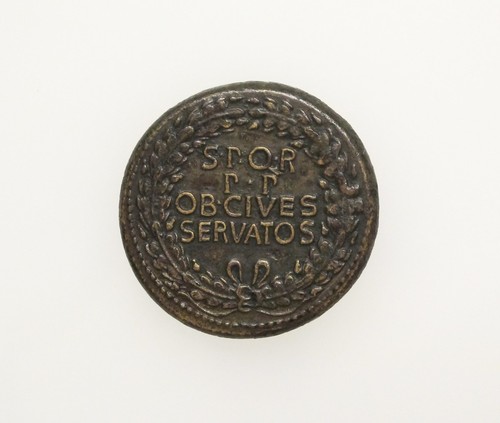
Sestertius of Caligula
Large Roman imperial bronze sestertius bearing the head of Gaius, better known as Caligula, struck during his short reign from 37 to 41 AD.
Ancient Coins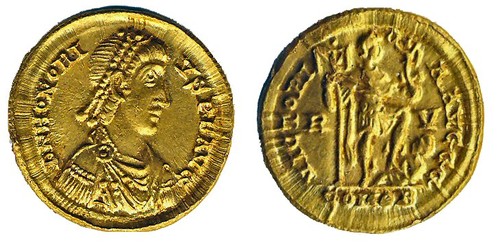
Solidus of Honorius
A late Roman gold solidus of Emperor Honorius (r. 393-423 CE), with his diademed bust and an armored standing figure holding a spear and shield.
Ancient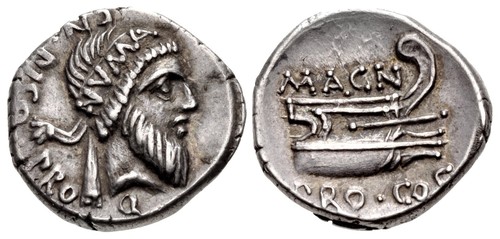
Numapis Denarius
A silver denarius of the Roman Republic (1st century BC) pairing a male portrait facing right with a ship or galley and lettering on the reverse.
Ancient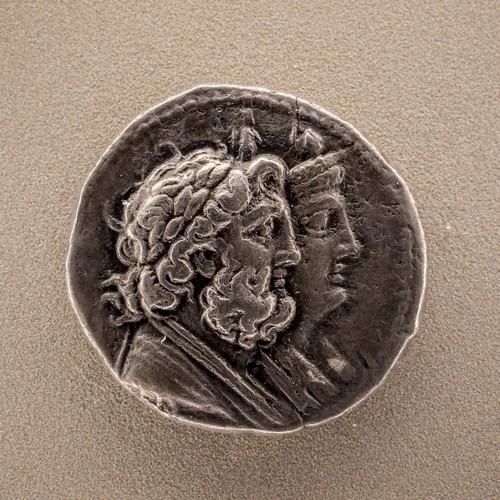
Gold Tetradrachm of Ptolemy II and Arsinoe II
Ptolemaic gold of Egypt, c. 260-240 BC, with paired busts of Ptolemy II and Arsinoe II on one side and Ptolemy I and Berenike I on the other.
Ancient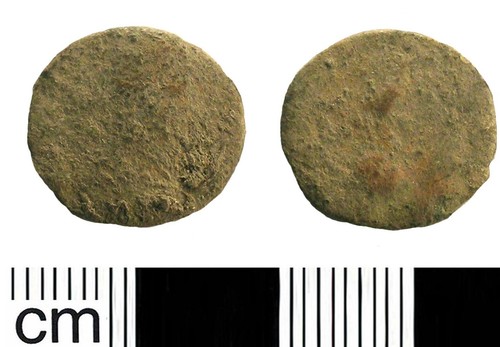
Half Centenionalis of Constans or Constantius II
A small mid-4th-century Roman bronze attributed to Constans or Constantius II, sons of Constantine the Great, worn but identifiable by its imperial portrait and era.
Ancient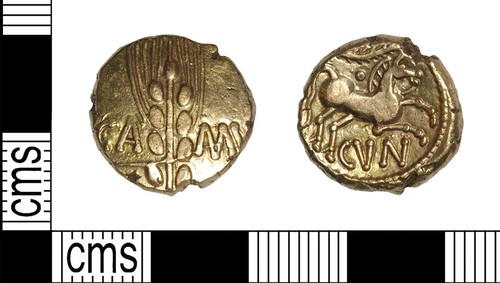
Gold Stater of the Catuvellauni and Trinovantes
An Iron Age British gold stater of the Catuvellauni and Trinovantes, showing stylized wheat/barley ears on one face and a dynamic horse on the other.
Ancient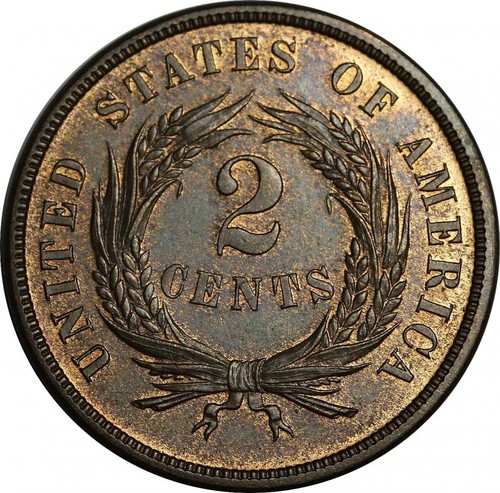
Two Cent Piece
America's only two-cent coin, struck in bronze from 1864 to 1873, and the first U.S. coin to carry the motto "IN GOD WE TRUST."
Two Cent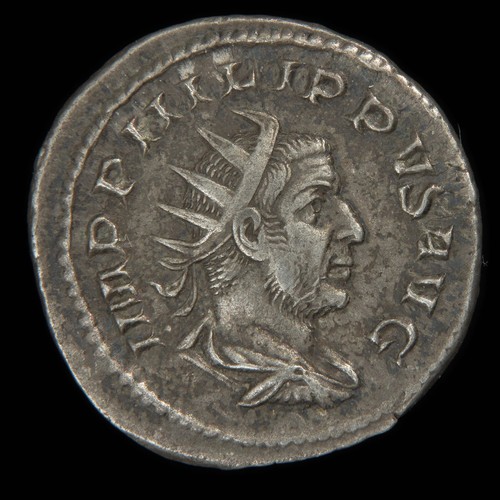
Antoninianus
Roman imperial coin of the crisis era, marked by a radiate (spiked) crown on the emperor's head; struck in debased silver-and-copper billon, c. 250-270 AD.
Ancient Coins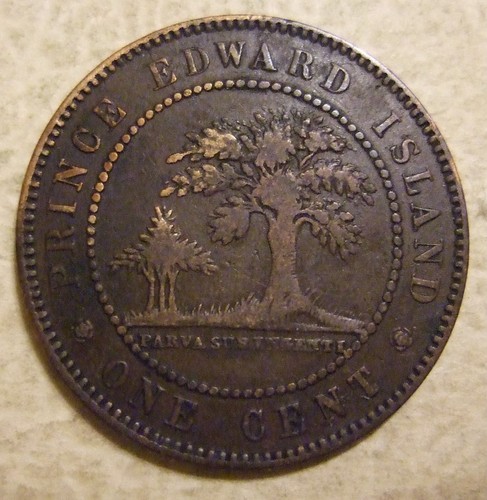
Prince Edward Island One Cent
Bronze one-cent coin struck in 1871 for the colony of Prince Edward Island, with Queen Victoria on the obverse and the island's name and date on the reverse.
Canadian & Provincial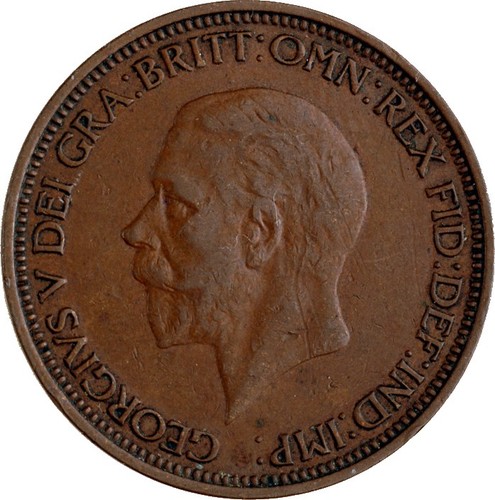
British Pre-Decimal Halfpenny
Bronze British halfpenny worth 1/480 of a pound. The George V type shows the king's profile and a seated Britannia with trident.
British Isles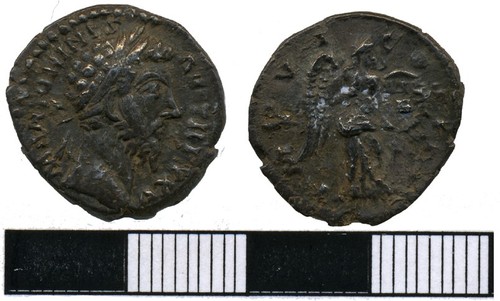
Denarius of Marcus Aurelius
Roman silver denarius of Marcus Aurelius (c. 170-171 AD): laureate bearded emperor on the obverse, a standing personification on the reverse.
Ancient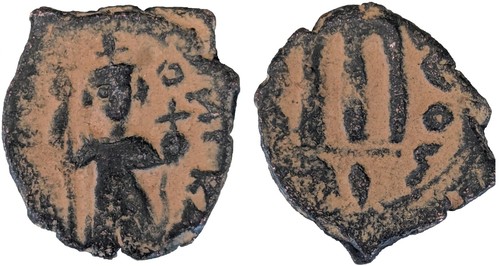
Byzantine Follis
Large bronze follis of the Byzantine Empire, this example under Constans II (from 641 AD), with an imperial portrait and a big M value mark topped by a cross.
Medieval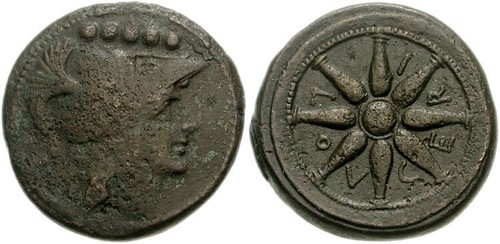
Quincunx of Luceria
A cast bronze quincunx of Luceria in Apulia (3rd century BC), showing a female head and a five-point floral or star device marking five unciae.
Ancient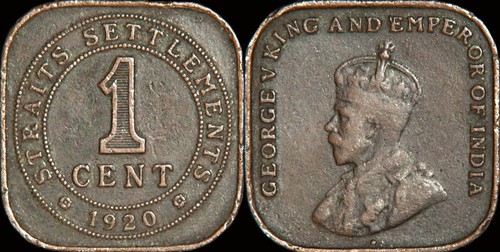
Straits Settlements One Cent
A round bronze one-cent coin of the British Straits Settlements bearing the crowned profile of King George V, dated 1920.
Colonial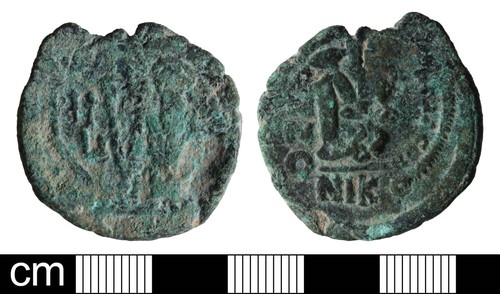
Byzantine Nummus of Tiberius Constantine
A small bronze coin of Byzantine emperor Tiberius II Constantine (AD 578-582), with an imperial portrait or inscription and a mark of value or monogram.
Ancient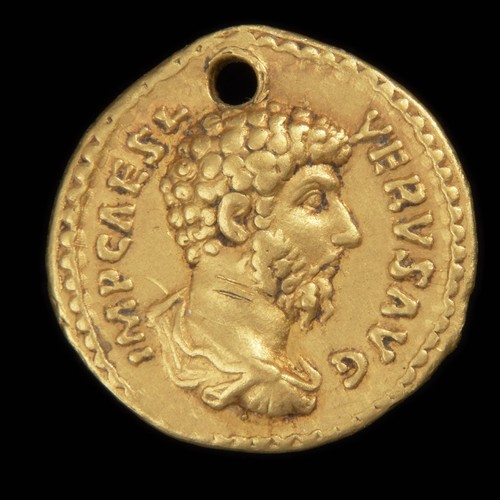
Aureus of Marcus Aurelius
Small Roman gold coin of the reign of Marcus Aurelius; this piece shows a diademed portrait and a standing deity or personification, dated to 163 AD.
Ancient Coins