
Arles Miliarensis
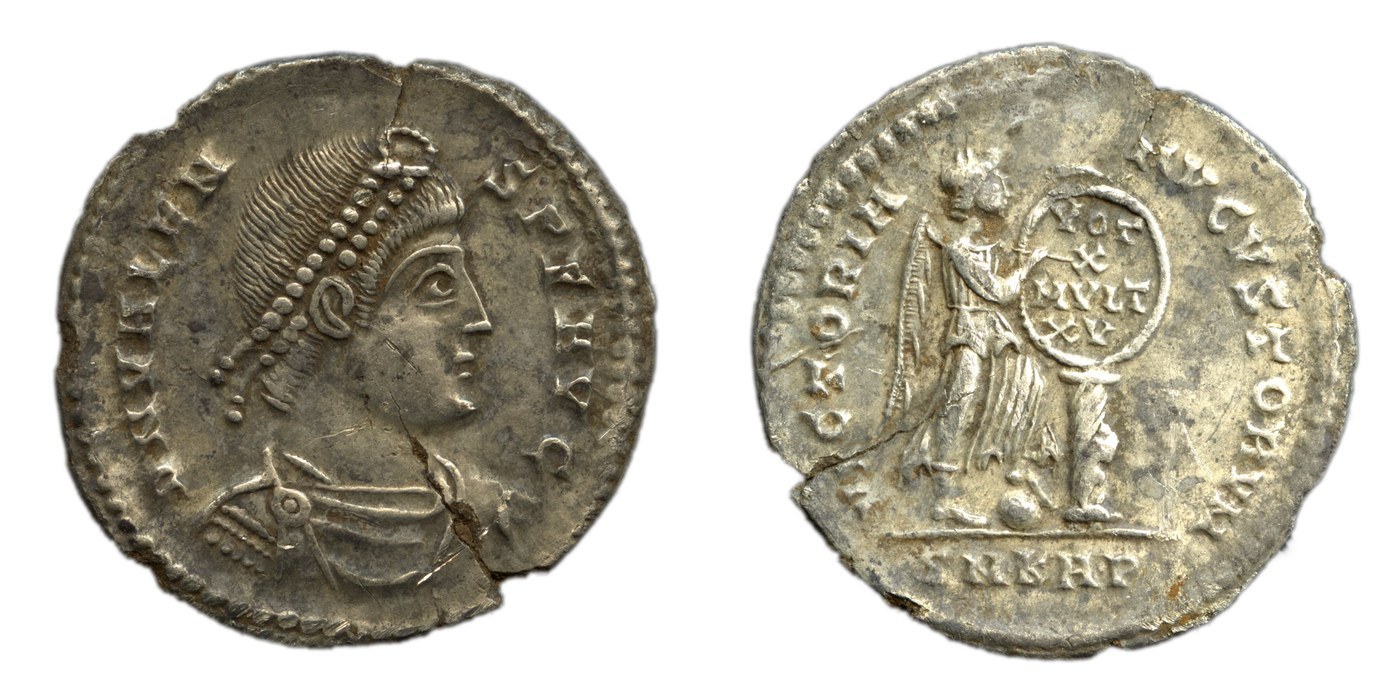
A late Roman silver miliarensis of the 4th century AD, with a diademed imperial portrait and an armed standing figure holding spear and shield.
- Country
- Roman Empire
- Denomination
- Miliarensis
- Metal
- Silver
Got a coin like this?
Identify any coin from a photo, free.
Overview
The miliarensis was a silver denomination of the late Roman Empire, larger and heavier than the small silver siliqua and struck as part of the reformed coinage introduced in the 4th century AD. The example shown here is attributed to the western mint at Arles (ancient Arelate) in southern Gaul, one of the empire's major late-Roman minting centers. It carries a pearl-diademed imperial bust of Constantine the Great or one of his successors and, on the reverse, a standing military figure holding a spear and shield.
As a silver piece of relatively high value, the miliarensis sat between the everyday bronze coinage and the gold solidus in the late Roman monetary system. Coins of this type were struck in modest numbers and are considerably scarcer today than the base-metal issues of the same emperors, making them a prized ancient silver type for collectors of the Constantinian and post-Constantinian era.
History & Background
The miliarensis appeared as part of the coinage reforms that followed Constantine the Great's introduction of the gold solidus in the early 4th century AD. It was a silver denomination struck alongside the smaller siliqua, and its name is generally understood to relate to its value in relation to the gold coinage rather than to any single fixed rate, which shifted over time.
Mint marks in the exergue tie individual coins to specific workshops, and the mint of Arelate (Arles) was among the western mints active through much of the 4th century; the city was renamed Constantina for a period in Constantine's honor. Miliarenses were issued under Constantine and continued under his sons and later 4th-century emperors, typically bearing military and dynastic reverse imagery that projected imperial strength.
Because they were silver and of comparatively high value, these coins circulated less heavily than bronze and were more often hoarded, which is one reason surviving examples exist but remain uncommon. Precise mintage figures for ancient coins are not recorded, so all quantities are estimated from surviving specimens and hoard evidence.
How to Identify
Identify this type first by metal and size: the miliarensis is a silver coin, broader and heavier than the thin siliqua but smaller than a gold solidus. The obverse of this example shows a right-facing imperial bust wearing a pearl diadem, the beaded headband that marks Constantinian-era and later emperors, surrounded by a Latin legend giving the ruler's name and titles.
The reverse depicts a standing figure in military dress holding a spear and a shield, a common late-Roman device emphasizing the emperor or the army. Read the exergue (the space below the ground line) for the mint mark; an Arles attribution rests on marks such as those beginning with the letters for Arelate or Constantina. The precise legends and mint letters, not just the general design, are what pin the coin to a specific emperor, mint, and issue.
Condition, centering, and full legibility of the legend and mint mark are important both for attribution and for value, since worn or clipped silver can obscure the very details needed to identify the piece.
Value & Collectibility
As a scarce late Roman silver denomination, the miliarensis is a higher-value ancient coin than the common bronze issues of the same period. Genuine examples generally trade from the low hundreds of dollars up into the low thousands, depending heavily on the emperor, mint, sharpness of strike, surface quality, and completeness of the legends and mint mark.
Well-centered coins with clear portraits, full inscriptions, and an unambiguous Arles mint mark command the strongest premiums, while worn, clipped, or corroded pieces sell for considerably less. Rarer emperors or unusual reverse types can push prices higher still.
Because these figures are broad ranges rather than fixed prices, any specific valuation depends on professional attribution and current market conditions. For a coin of this value it is worth obtaining an expert opinion or reputable dealer certification before buying or selling.
Frequently asked questions
What is a miliarensis?
It is a silver denomination of the late Roman Empire, introduced as part of the 4th-century coinage reforms. It was larger than the small siliqua and ranked between the bronze coinage and the gold solidus.
Which emperor is on this coin?
The pearl-diademed bust represents Constantine the Great or one of his 4th-century successors. The exact ruler is determined by reading the Latin obverse legend, which gives the emperor's name and titles.
Why is it called the Arles miliarensis?
Arles refers to the mint, ancient Arelate in southern Gaul, identified by the mint mark in the exergue beneath the reverse figure. Arles was a major western Roman mint during the 4th century.
Is a silver miliarensis valuable?
Yes, relatively. As a scarce late Roman silver type it is worth far more than common Roman bronze, typically ranging from the low hundreds into the low thousands of dollars depending on emperor, mint, and condition.
How is it different from a siliqua?
Both are late Roman silver coins, but the miliarensis is larger and heavier, while the siliqua is a thinner, smaller silver piece of lower value. Weight and diameter are the quickest way to tell them apart.
Arles Miliarensis guides
In-depth guides for identifying, valuing, and collecting Arles Miliarensis.
Other coins you may enjoy
Tetradrachm of Ptolemy XII
80-51 BC
Tetradrachm of Ptolemy I
305-283 BC
Tetradrachm of Antiochos I Soter
281-261 BC
Syracuse Tetradrachm
c. 5th-4th century BC (Classical period)
Solidus of Arcadius
AD 395-402
Philip III Gold Stater
323-317 BC
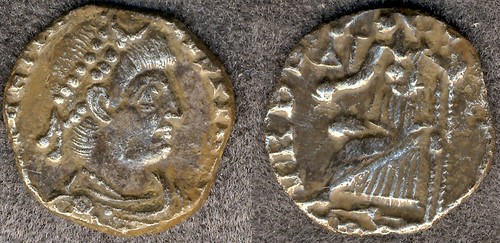
Siliqua of Gratian
AD 367-383
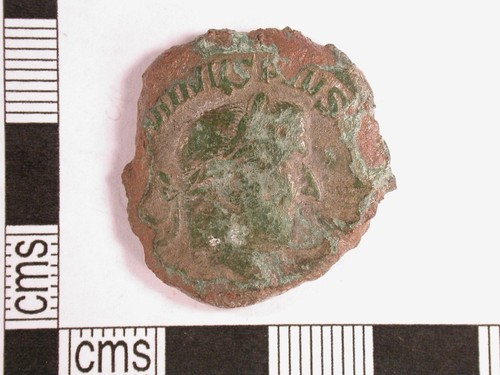
Sestertius of Maximinus Thrax
235-238 AD
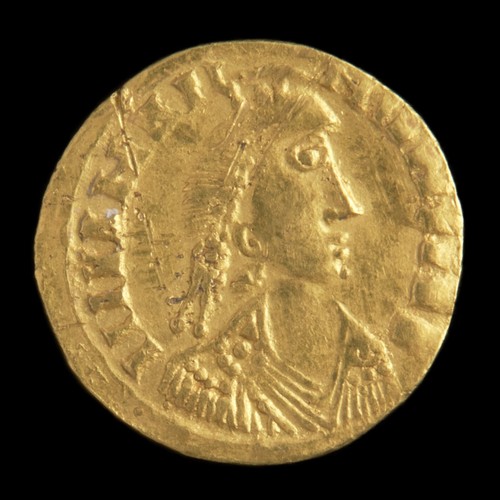
Solidus of Valentinian III
AD 425-455
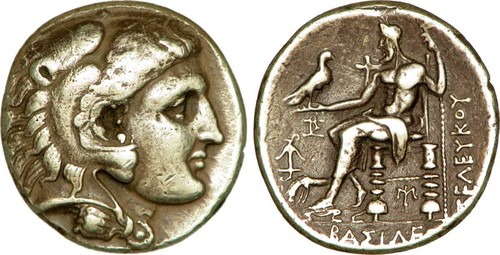
Seleucus I Nicator Tetradrachm
Late 4th-3rd century BC
Nummus of Magnentius
AD 350-353
Follis of Galerius
AD 308-310