
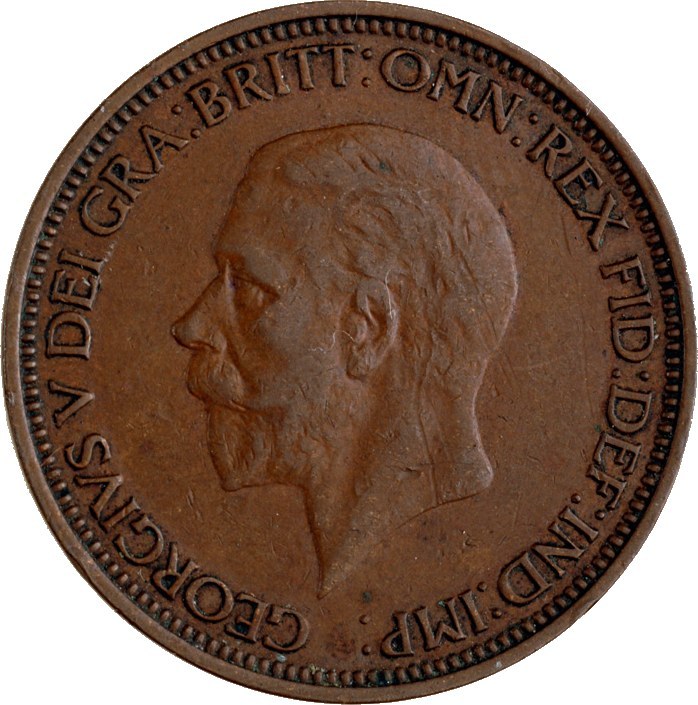
British Pre-Decimal Halfpenny
Bronze British halfpenny worth 1/480 of a pound. The George V type shows the king's profile and a seated Britannia with trident.
- Country
- United Kingdom
- Denomination
- Halfpenny
- Metal
- Bronze
Got a coin like this?
Identify any coin from a photo, free.
Overview
The British pre-decimal halfpenny is a bronze coin that circulated across the United Kingdom before decimalisation. Under the old system there were 240 pence to the pound, so the halfpenny ("ha'penny") was worth just one-480th of a pound, one of the smaller everyday coins in a purse.
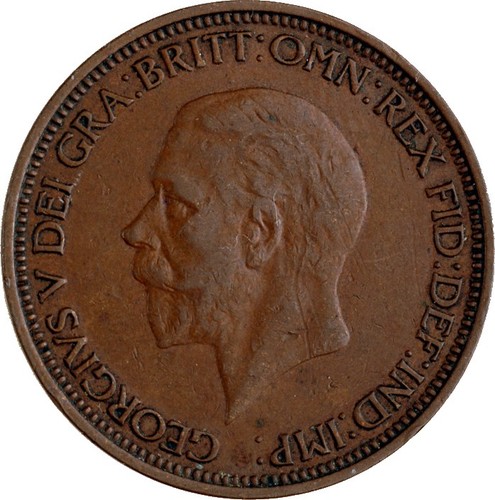
The example shown here is a George V halfpenny dated 1936, the final year of his reign. Its obverse carries the king's bare-headed profile facing left with the Latin legend beginning GEORGIVS V DEI GRA[TIA] BRITT[ANNIA], and its reverse shows the classic seated figure of Britannia holding a trident and shield.
Millions of halfpennies of this general design were struck year after year, so most surviving pieces are common. They are collected today as an affordable, tangible link to pre-decimal Britain rather than as rarities.
History & Background
Britain replaced its heavy copper coinage with lighter bronze in 1860, and the halfpenny was struck in bronze from that year until the denomination ended. The coin passed through the reigns of Victoria, Edward VII, George V, George VI and Elizabeth II, with the monarch's portrait updated for each.
The George V halfpenny was issued from 1911 to 1936. The 1936 coin here belongs to the very end of that run; George V died in January 1936, and later that year the throne passed briefly to Edward VIII before George VI. Some earlier George V halfpennies (roughly 1912-1919) were struck by outside contractors and carry a small mint-mark letter, but the standard London issues, including 1936, carry none.
The halfpenny continued under Elizabeth II until the last circulating pieces of 1967 (with a final proof dated 1970). It was demonetised in the run-up to decimal currency in 1971, after which the pound was divided into 100 new pence.
How to Identify
Look first at the obverse legend: GEORGIVS V DEI GRA BRITT... around a left-facing profile identifies this as a George V issue. The reverse shows Britannia seated facing right on the ocean, wearing a helmet and holding a trident in one hand with a shield resting beside her, above the word HALF PENNY and the date.
A genuine bronze halfpenny of this era is about 25.5 mm across and weighs roughly 5.7 grams, noticeably larger and heavier than the bronze penny's smaller sibling the farthing but smaller than the penny itself. The colour ranges from original reddish-brown to a dark chocolate patina with wear.
The date on this coin's reverse reads 1936. Reading the exact year is the key step in placing any halfpenny within the long bronze series.
Value & Collectibility
The George V bronze halfpenny was made in very large numbers, so worn circulated examples are common and modestly valued, typically trading for small sums in the pocket-change-to-a-few-pounds range depending on the market. Value comes mainly from condition rather than scarcity for most dates.
Coins that retain sharp detail and original mint-red colour, or that are certified in high grade, can be worth considerably more than well-worn pieces. Certain scarcer dates and the early mint-marked varieties also carry a premium among specialists.
Because figures vary with grade, date and demand, treat any single price as a guide only and check recent sales of comparable coins before buying or selling.
Frequently asked questions
How much was a halfpenny worth?
In the pre-decimal system there were 240 pence to the pound, so a halfpenny was worth one-480th of a pound, or half of one old penny.
Who is the king on this coin?
The profile and legend GEORGIVS V DEI GRA BRITT identify King George V, who reigned from 1910 to 1936. This example is dated 1936, his final year.
Is a 1936 halfpenny rare or valuable?
No, it is a common date. Millions were struck, so worn examples are inexpensive; only high-grade coins with original colour command a meaningful premium.
What metal is it made of?
It is bronze, an alloy that is mostly copper. British halfpennies were struck in bronze from 1860 until the denomination ended.
Who is the figure on the back?
The reverse shows Britannia, the seated female personification of Britain, wearing a helmet and holding a trident with a shield at her side.
British Pre-Decimal Halfpenny guides
In-depth guides for identifying, valuing, and collecting British Pre-Decimal Halfpenny.
Other coins you may enjoy
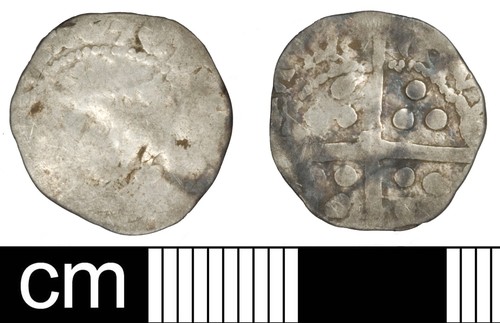
Medieval Penny of Edward III
1327–1377
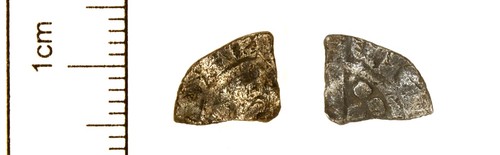
Medieval Silver Cut Farthing
1272-1509
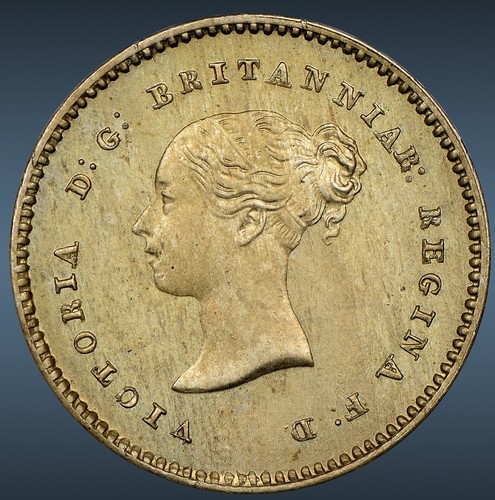
Quarter Farthing
1839-1868
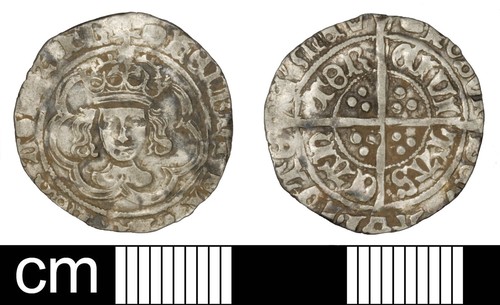
Medieval Halfgroat of Henry VII
1485-1509
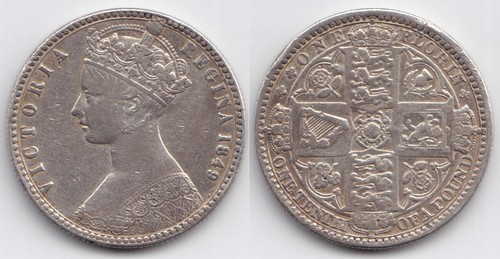
Godless Florin
1849
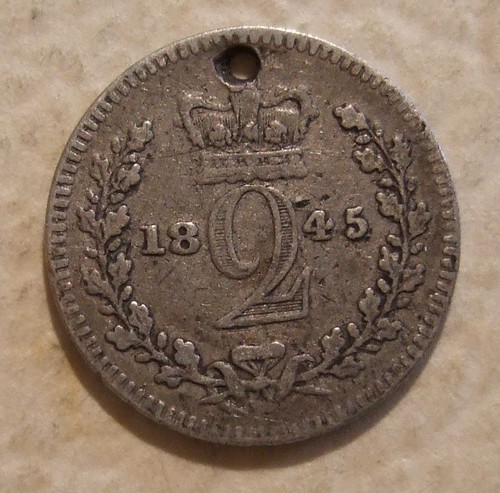
Victoria Maundy Twopence
1838–1901 (Young Head example shown: 1845)
British Silver Threepence
1838-1944
Victoria Maundy Fourpence
1838–1901 (Jubilee Head type shown: 1888–1892)
Imitation Guinea Gaming Piece
c. 1790-1900 (undated)
British Crown
1927–1936 (George V wreath crown; example dated 1934)
British Decimal Half Penny
1971–1984
British Brass Threepence
1937-1967