
Straits Settlements One Cent
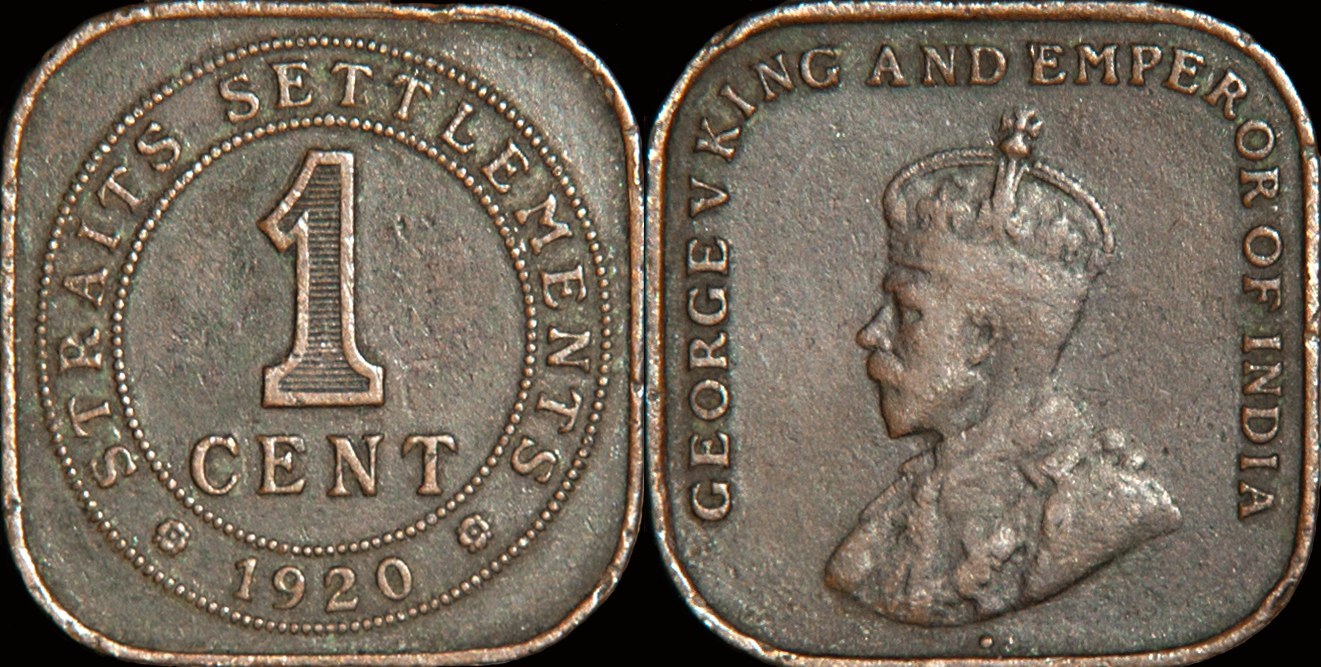
A round bronze one-cent coin of the British Straits Settlements bearing the crowned profile of King George V, dated 1920.
- Country
- Straits Settlements
- Denomination
- 1 Cent
- Metal
- Bronze
Got a coin like this?
Identify any coin from a photo, free.
Overview
The Straits Settlements one cent is a round bronze coin from the British crown colony that governed Singapore, Penang, and Malacca. The example shown is dated 1920 and belongs to the George V series, in which the king is titled "King and Emperor" in reference to his role as Emperor of India.
One side carries the denomination and colony name inside a circular border, while the other shows the bare, left-facing profile of George V. As a workhorse minor coin of the colony's decimal system (100 cents to the dollar), it circulated heavily and survives today in large numbers, making it an accessible entry point for collectors of British colonial and Southeast Asian coinage.
History & Background
The Straits Settlements were a group of British territories in the Malay region administered as a single crown colony from 1867 until the Second World War. The colony issued its own decimal coinage denominated in cents and dollars, distinct from the currencies of neighboring British Malaya, British North Borneo, and Sarawak.
The one cent under George V, who reigned from 1910 to 1936, was struck in bronze across the early 1920s, with 1920 among the dated years. These coins were produced at British Empire minting facilities and shipped to the colony for circulation. The obverse legend styling George V as "King and Emperor" reflects the period when the British monarch also held the title Emperor of India, a formula seen across much of the empire's coinage of the era.
Colonial cent coinage of this pattern continued to circulate for decades before later monetary reforms and the wartime disruption of the 1940s eventually superseded the Straits Settlements system.
How to Identify
Look first at the portrait side: a bare, left-facing bust of George V surrounded by a legend naming him as king and emperor. The opposite side shows the value and the colony name "STRAITS SETTLEMENTS" arranged around a central denomination inside a circular beaded or toothed border, with the date (here 1920) present in the design.
The coin is round, struck in bronze, and shows the warm brown-to-reddish tone typical of aged copper alloy; worn pieces may appear darker or spotted. It is a mid-sized minor coin roughly in the range of contemporary British-colonial one-cent pieces (on the order of a couple of centimeters across). Because the series lacks a bold mint mark, identification rests mainly on the monarch, the colony name, the denomination, and the date.
Confirm all three elements together — the George V portrait, the "Straits Settlements" legend, and the "One Cent" denomination — to separate it from the many visually similar bronze cents issued elsewhere in the British Empire.
Value & Collectibility
The George V Straits Settlements one cent is a common, widely available coin, so most circulated examples are modest in value and priced as affordable collector or world-coin material rather than as rarities. Condition is the main driver: heavily worn, cleaned, or corroded pieces sit at the low end, while coins retaining sharp detail and original surfaces bring more.
Uncirculated examples with full mint red or red-brown color and clean fields command a clear premium over average circulated coins, and certain dates or die varieties within the broader series can be scarcer than others. As with all copper coinage, cleaning and environmental damage sharply reduce desirability, so problem-free surfaces matter more than a high grade alone.
For a specific valuation, match your coin's exact date and grade against recent sales of comparable certified examples rather than relying on a single catalog figure.
Frequently asked questions
What country issued the Straits Settlements one cent?
It was issued by the Straits Settlements, a British crown colony in Southeast Asia that included Singapore, Penang, and Malacca, and used a decimal system of 100 cents to the dollar.
Why does the coin call George V 'King and Emperor'?
During George V's reign the British monarch also held the title Emperor of India, so imperial coinage often styled him as king and emperor. It does not mean the coin is Indian.
What is the coin made of?
It is bronze, a copper-based alloy, which gives circulated examples their brown to reddish tone and makes them prone to spotting or darkening with age.
Is the 1920 Straits Settlements one cent rare?
No. It is a common circulation coin that survives in large numbers. Value comes mainly from condition, with well-preserved, original-surface examples worth more than worn ones.
How is it different from other British colonial cents?
The combination of the George V portrait, the 'Straits Settlements' legend, and the 'One Cent' denomination distinguishes it from similar bronze cents of British India, Hong Kong, North Borneo, and Sarawak.
Straits Settlements One Cent guides
In-depth guides for identifying, valuing, and collecting Straits Settlements One Cent.
Other coins you may enjoy
Sarawak One Cent
1870
Jamaica Half Penny
1871
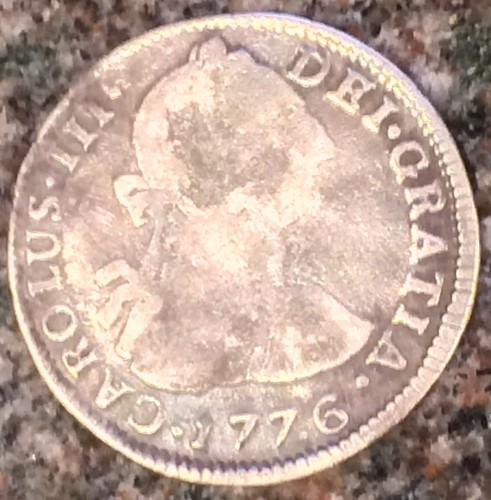
Spanish Colonial 2 Reales (Milled)
1732–1772 (pillar) and 1772–1825 (portrait); example dated 1776
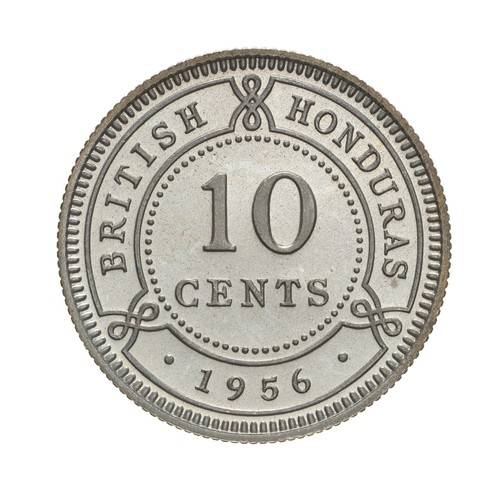
British Honduras 10 Cents
1956
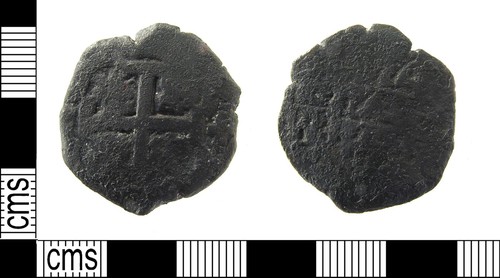
Spanish Colonial 1 Real (Bourbon)
1700-1746
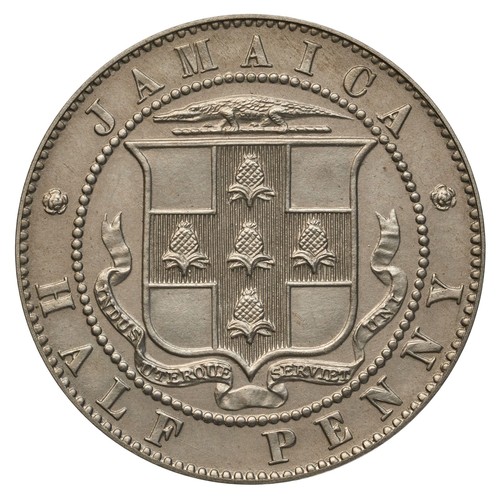
Bermuda Half Penny
1909
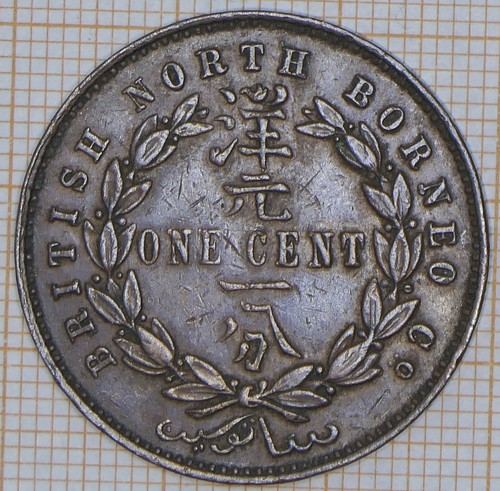
British North Borneo One Cent
1884–1886
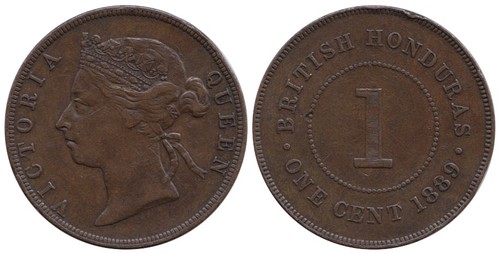
British Honduras One Cent
1885–1894 (Victoria); this example 1889
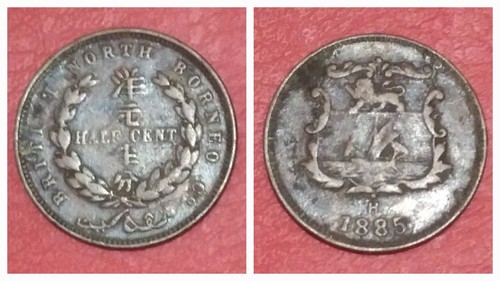
British North Borneo Half Cent
1885
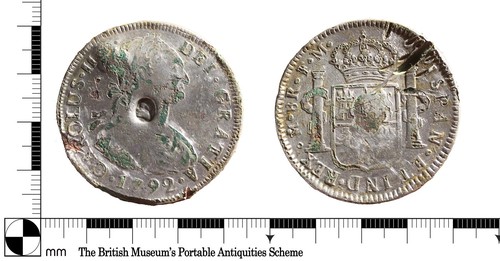
Counterstamped 8 Reales
Charles IV era (1788-1808), host coin; counterstamps and hole added later
Fugio Cent
1787
Massachusetts Shilling (1 Shilling 6 Pence)
1779