
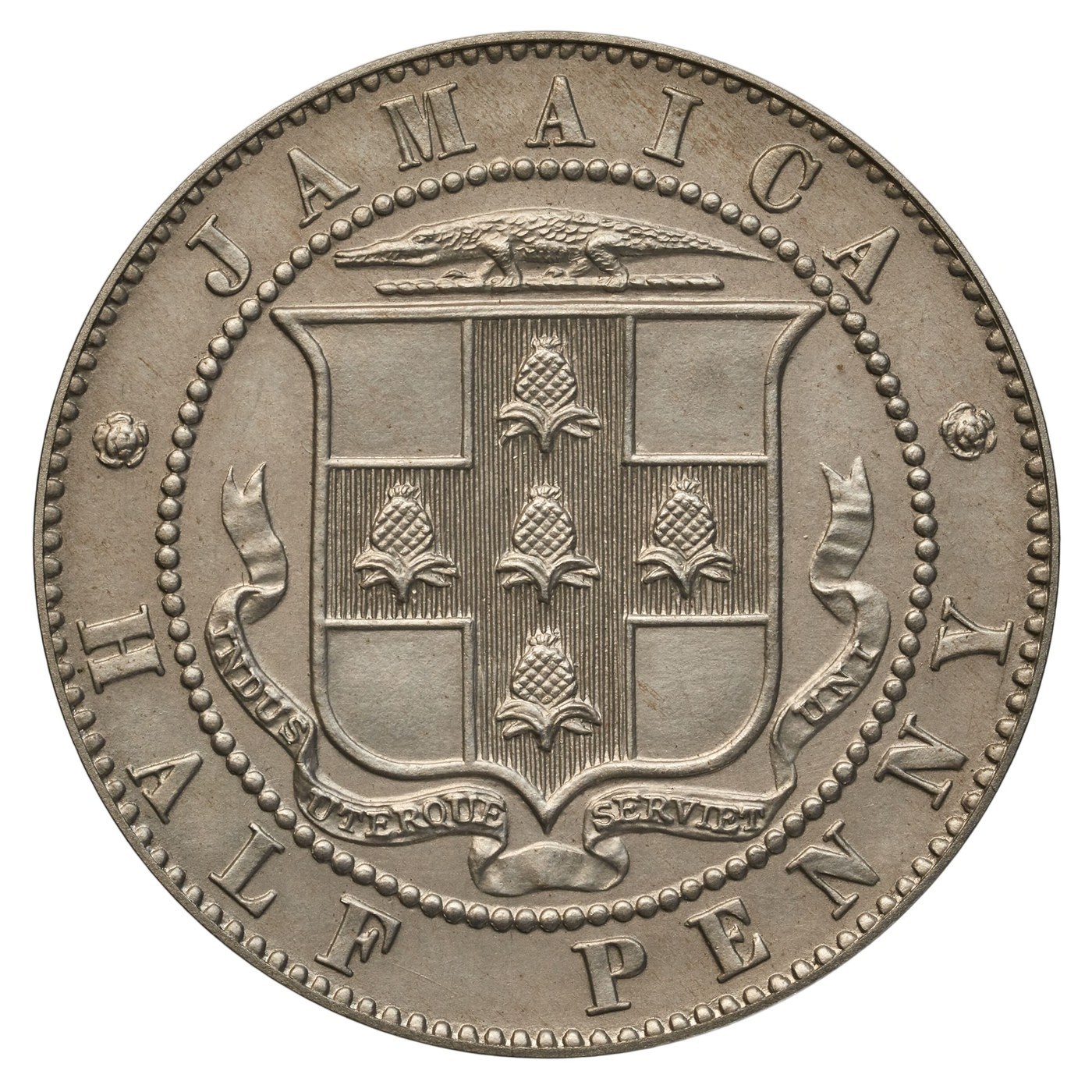
Bermuda Half Penny
A colonial-era copper-nickel half penny tied to Bermuda, showing a lion-crested coat of arms with pineapples and a Latin motto, dated 1909.
- Country
- Bermuda
- Denomination
- 1/2 Penny
- Metal
- Copper-nickel
Got a coin like this?
Identify any coin from a photo, free.
Overview
The Bermuda Half Penny is a small colonial-era copper-nickel coin denominated at one half of a penny. The example described here is dated 1909 and carries heraldic devices rather than a royal portrait: the obverse shows a coat of arms crowned by a lion crest and flanked by pineapples, with a Latin motto, while the reverse presents a shield of heraldic elements beneath a crown.
As a British colony, Bermuda operated on the sterling system of pounds, shillings and pence, in which twelve pence made a shilling and the half penny was one of the smallest everyday units. A piece of this size and denomination would have served minor, day-to-day transactions.
The pineapple and lion imagery, together with the Latin motto, reflect the colonial and British heraldic tradition of the period. The coin's copper-nickel composition gives it a pale, silvery-grey tone that distinguishes it from the reddish-brown bronze used for many contemporary small change coins.
History & Background
Bermuda was one of Britain's oldest overseas territories, and for most of its history it circulated British sterling coinage alongside locally significant pieces rather than maintaining a large independent coinage. Small denominations such as the half penny filled the role of everyday small change within that sterling framework.
The 1909 date places this half penny in the late reign of King Edward VII, a period when many British and colonial small coins carried heraldic and armorial designs. The lion crest, pineapples and Latin motto shown on the coin belong to the colonial heraldic style common across British possessions of the era.
Because Bermuda relied heavily on imported British coin and issued comparatively few of its own distinctive pieces before its later twentieth-century coinage, coins associated with the island from this period are of particular interest to collectors of British colonial and West Atlantic material. Detailed production records for small colonial issues of this kind are often limited, so surviving pieces are studied largely from the coins themselves.
How to Identify
Begin with the obverse. It shows a full coat of arms topped by a lion crest, with pineapples set beside or within the design and a Latin motto running along the arms. The presence of the crest, the pineapple motifs and Latin lettering together is the quickest way to recognise the type; there is no left- or right-facing royal bust as the main obverse device.
The reverse carries a heraldic shield with several charges beneath a crown. Read the arrangement of the shield and crown rather than looking for a large denomination numeral, since the design leans on heraldry to convey identity. The date 1909 should be legible in the legend.
On metal and size, this is a small copper-nickel half penny, so it has a pale silver-grey colour rather than the warm brown of bronze, and it is physically small in keeping with the low denomination. Weigh and measure any candidate coin against reliable references for the type, and note that copper-nickel is only weakly affected by a magnet at most, which helps separate it from plated-steel imitations.
Value & Collectibility
Value for a small colonial half penny of this kind is driven mainly by condition, eye appeal and whether the piece is a genuine, correctly attributed example. Well-worn coins with soft heraldic detail sit at the lower end, while pieces that retain crisp lion, pineapple and shield detail command more.
Because distinctive Bermuda-associated small coins are less common than mass-produced British bronze of the same era, collector demand rather than metal content sets the price; the copper-nickel itself carries little bullion value. Expect a broad spread depending on grade and market interest rather than a single fixed figure.
For an accurate estimate, compare recent dealer listings and auction results for the same type, date and grade, and treat third-party grading or expert attribution as worthwhile for any higher-value or uncertain example.
Frequently asked questions
What is the Bermuda Half Penny made of?
This example is struck in copper-nickel, which gives it a pale silver-grey colour rather than the reddish-brown tone of the bronze used for many contemporary small coins.
Why does it show pineapples and a lion?
The lion crest, pineapples and Latin motto are heraldic devices in the British colonial tradition. They identify the coat of arms shown on the coin instead of a royal portrait.
How much was a half penny worth?
Under the sterling system used in the colony, twelve pence made a shilling and twenty shillings a pound, so a half penny was one of the smallest everyday units of value.
Is the 1909 date significant?
The date places the coin in the late Edwardian period, an era when many British and colonial small coins used heraldic and armorial designs like the arms shown here.
Is it valuable?
Value depends on grade, eye appeal and correct attribution rather than metal content. Sharp, well-preserved examples are worth more; check recent sales for the same type and grade.
Bermuda Half Penny guides
In-depth guides for identifying, valuing, and collecting Bermuda Half Penny.
Other coins you may enjoy
Sarawak One Cent
1870
Jamaica Half Penny
1871
Spanish Colonial 2 Reales (Milled)
1732–1772 (pillar) and 1772–1825 (portrait); example dated 1776
Straits Settlements One Cent
1919–1926 (this type)
British Honduras 10 Cents
1956
Spanish Colonial 1 Real (Bourbon)
1700-1746
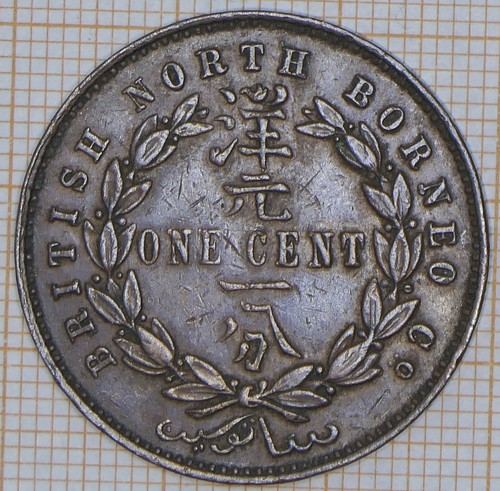
British North Borneo One Cent
1884–1886
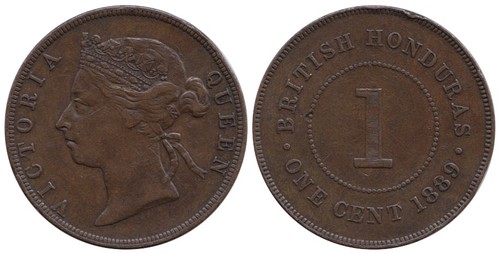
British Honduras One Cent
1885–1894 (Victoria); this example 1889
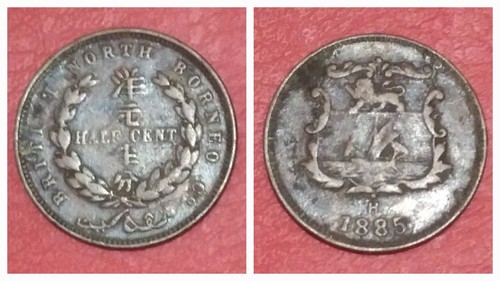
British North Borneo Half Cent
1885
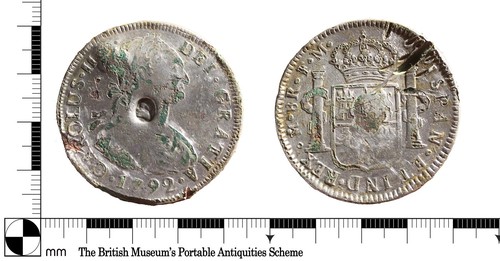
Counterstamped 8 Reales
Charles IV era (1788-1808), host coin; counterstamps and hole added later
Fugio Cent
1787
Massachusetts Shilling (1 Shilling 6 Pence)
1779