
Sarawak One Cent
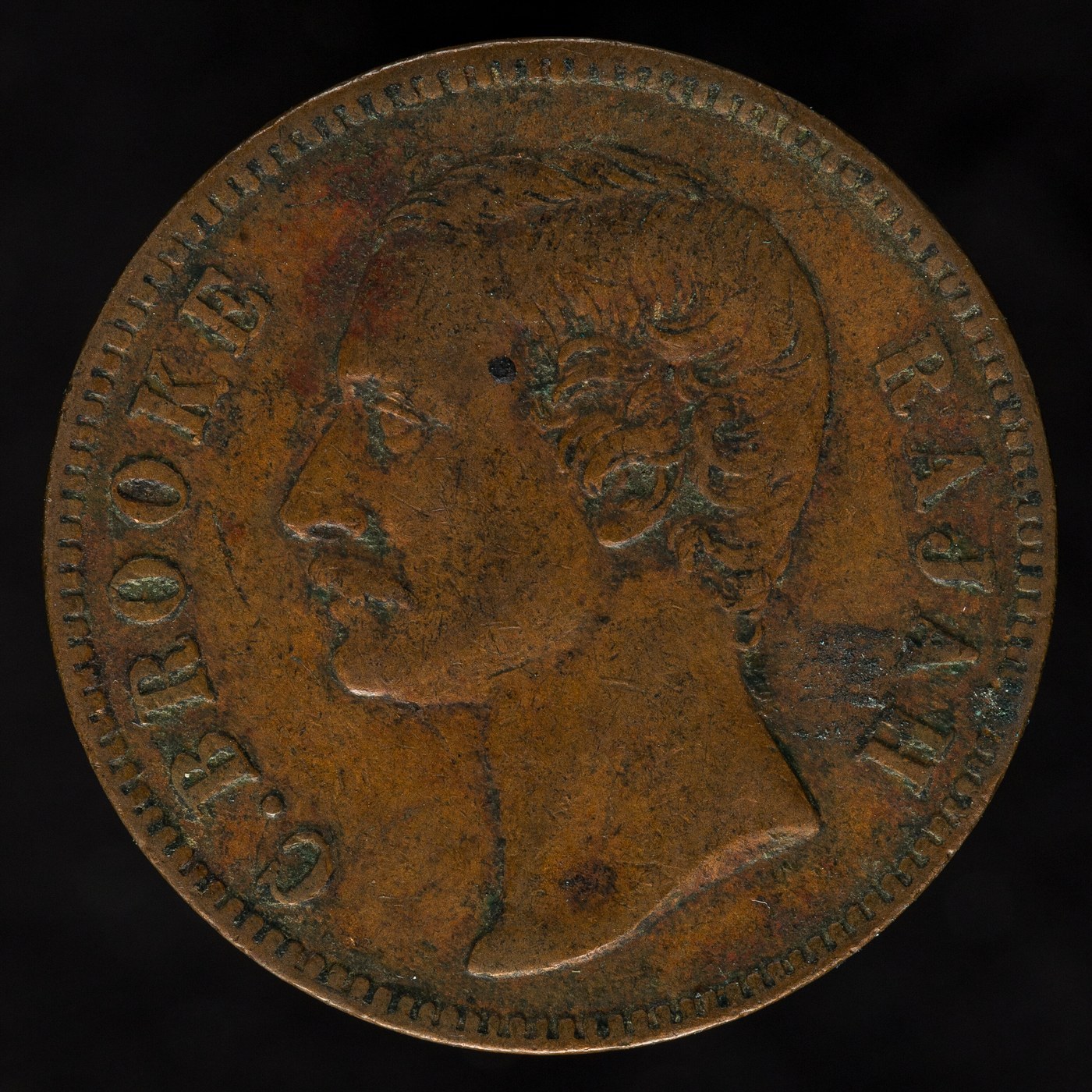
A large copper cent of the Brooke Rajahs of Sarawak, showing the Rajah's portrait on the obverse and SARAWAK ONE CENT with a wreath and the year 1870.
- Country
- Sarawak
- Denomination
- 1 Cent
- Metal
- Copper
Got a coin like this?
Identify any coin from a photo, free.
Overview
The Sarawak One Cent is a copper coin issued by the private kingdom of Sarawak on the island of Borneo, then governed by the British-born Brooke family known as the "White Rajahs." The obverse carries a left-facing portrait of the Rajah with the legend BROOKE RAJAH around the rim; the reverse reads SARAWAK ONE CENT with the value and the date 1870, framed by a laurel wreath.
The cent is a substantial copper piece meant for everyday trade in a territory that had little coinage of its own. Its plain, portrait-and-wreath design follows the pattern of British colonial and Straits Settlements copper coinage of the period, which would have been familiar to merchants and workers across the region.
As a coin of a small, semi-independent state rather than a large colonial power, the Sarawak cent is a distinctive collectible that ties directly to the unusual history of the Brooke dynasty.
History & Background
Sarawak became the personal realm of James Brooke, an Englishman granted the territory by the Sultan of Brunei in 1841, and passed to his nephew Charles Brooke, who ruled as the second Rajah from 1868. Under the Brookes, Sarawak issued its own coinage bearing the ruling Rajah's portrait and title, an unusual arrangement for a state of its size.
The one cent was struck in copper for general circulation, with issues in the 1860s and 1870; the 1870-dated coin described here belongs to the reign of Charles Brooke. Like much British-Empire-era coinage of the day, Sarawak's cents were produced in England, at Heaton's Mint (Ralph Heaton & Sons) in Birmingham, rather than locally.
Sarawak continued to issue its own coins into the 20th century under later Rajahs before the territory was ceded to Britain after the Second World War and eventually joined Malaysia. The 1870 cent stands near the beginning of that long series and reflects the early monetary needs of the Brooke state.
How to Identify
Begin with the obverse portrait: a bust of the Rajah facing left, encircled by the legend BROOKE RAJAH. This portrait-and-title design, naming a Brooke rather than a British monarch, is the coin's signature feature and separates it immediately from ordinary colonial coppers of the era.
The reverse states the country and denomination plainly as SARAWAK ONE CENT, with the value and the year 1870, surrounded by a laurel wreath. The clear English wording makes the coin easy to attribute once it is in hand.
The piece is a large copper cent, brown in color, round with a reeded or plain edge typical of the series. Original examples show honest wear and copper toning; genuine coppers of this age rarely look bright unless cleaned. Confirm the metal (copper, not bronze-plated modern stock) and the crisp lettering of both legends when attributing a coin.
Value & Collectibility
Value depends heavily on grade, surface quality, and eye appeal. Well-worn but problem-free examples are affordable and trade in the modest-collectible range, while sharp, lightly circulated or uncleaned coins with good original color command a clear premium.
Because the coin was made for circulation, most survivors show real wear; corrosion, cleaning, or environmental damage — common on old copper — reduces value significantly. Attractive, naturally toned pieces are worth notably more than dark or porous ones.
For a specific coin, check recent auction results and dealer listings for the same date and grade rather than relying on a single catalog figure, and consider third-party certification for higher-grade examples where authenticity and grade drive the price.
Frequently asked questions
Who is on the Sarawak One Cent?
The obverse shows one of the Brooke Rajahs, the British-born rulers of Sarawak, with the legend BROOKE RAJAH. The 1870 cent belongs to the reign of Charles Brooke, the second Rajah.
What is the coin made of?
It is struck in copper, giving it the brown color and heft typical of 19th-century large cents. Genuine old examples show natural copper toning rather than a bright finish.
Where was it minted?
Like much coinage of the British Empire era, Sarawak's cents were produced in England, at Heaton's Mint in Birmingham, rather than on Borneo.
Is Sarawak a country?
Sarawak was a semi-independent state on Borneo ruled by the Brooke family from 1841. It was later ceded to Britain and today is a state of Malaysia.
Is the Sarawak One Cent valuable?
Worn examples are affordable, but clean, sharply detailed coins with original copper color bring a real premium. Cleaning or corrosion lowers value, so condition matters most.
Sarawak One Cent guides
In-depth guides for identifying, valuing, and collecting Sarawak One Cent.
Other coins you may enjoy
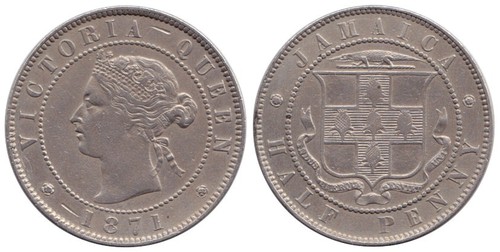
Jamaica Half Penny
1871
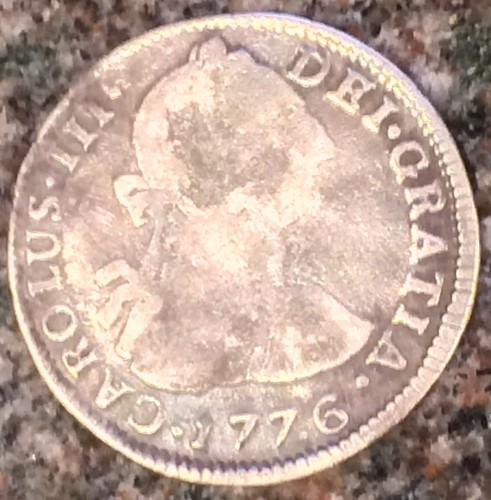
Spanish Colonial 2 Reales (Milled)
1732–1772 (pillar) and 1772–1825 (portrait); example dated 1776
Straits Settlements One Cent
1919–1926 (this type)
British Honduras 10 Cents
1956
Spanish Colonial 1 Real (Bourbon)
1700-1746
Bermuda Half Penny
1909
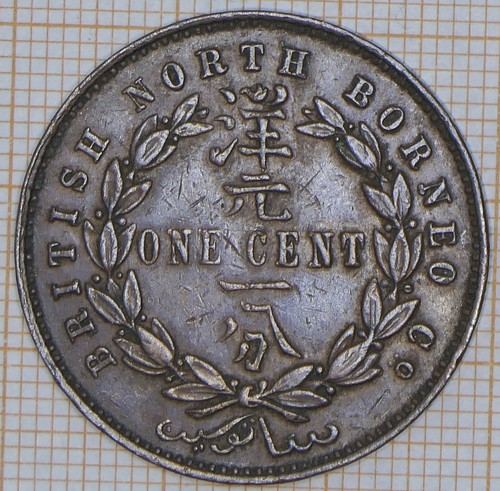
British North Borneo One Cent
1884–1886
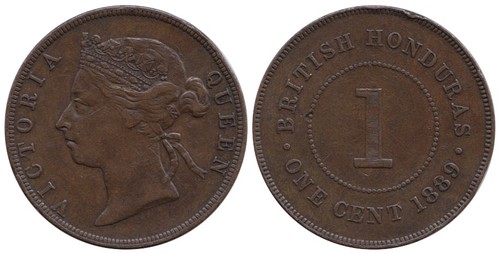
British Honduras One Cent
1885–1894 (Victoria); this example 1889
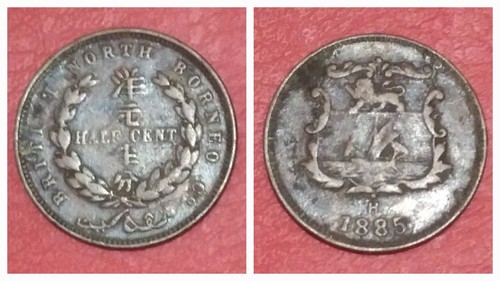
British North Borneo Half Cent
1885
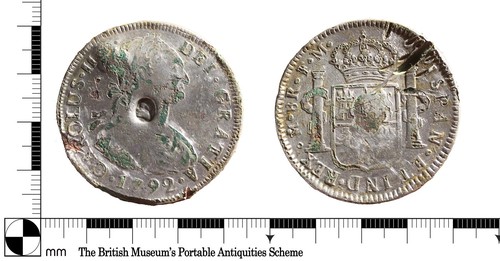
Counterstamped 8 Reales
Charles IV era (1788-1808), host coin; counterstamps and hole added later
Fugio Cent
1787
Massachusetts Shilling (1 Shilling 6 Pence)
1779