
Jamaica Half Penny
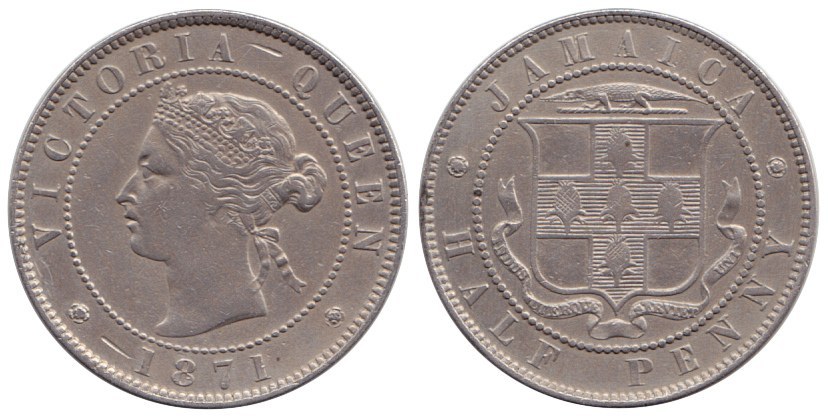
An 1871 colonial Jamaica halfpenny in copper-nickel: young Queen Victoria facing left on the obverse, the crowned Jamaican shield of arms on the reverse.
- Country
- Jamaica
- Denomination
- 1/2 Penny
- Metal
- Copper-nickel
Got a coin like this?
Identify any coin from a photo, free.
Overview
The Jamaica Half Penny is a small colonial coin struck for the British colony of Jamaica during the reign of Queen Victoria. This example is dated 1871 and is made of copper-nickel, giving it a pale, silvery-grey tone quite unlike the reddish-brown of ordinary British bronze pence of the era.
The obverse carries a left-facing portrait of the young Queen Victoria, encircled by a Latin royal legend. The reverse displays the crowned Jamaican coat of arms—a shield charged with a cross and pineapples—together with the colony's name, the denomination and the date. As a half-penny it is the smaller of Jamaica's two early copper-nickel denominations, the other being the penny.
History & Background
Jamaica adopted its own distinctive coinage in the late 1860s, and the penny and halfpenny introduced in 1869 were among the earliest copper-nickel coins issued anywhere in the world. The choice of a pale copper-nickel alloy, rather than the copper or bronze used across most of the British Empire, was partly practical: local prejudice against dark "copper" money meant a lighter-coloured coin was thought more acceptable in circulation.
These coins were produced at the Royal Mint in London for use in the colony. The 1871 halfpenny belongs to the first Victorian series, which ran under the young-head portrait before later reworkings of the queen's effigy. The denomination continued through Victoria's reign and into the twentieth century under successive monarchs, but the early copper-nickel Victorian pieces such as this one mark the beginning of Jamaica's separate coinage identity.
The crowned shield reverse reflects Jamaica's colonial arms of the period, a design closely tied to the island's British administration and used across its coinage of the era.
How to Identify
Confirm the obverse first: a left-facing bust of Queen Victoria wearing the young-head style, ringed by a Latin legend naming her as queen. The pale grey colour of the metal is an immediate clue that this is a copper-nickel Jamaican piece rather than a British bronze coin.
The reverse is the key to the country and denomination. It shows the crowned Jamaican shield of arms with the colony name, the words identifying it as a half penny, and the date 1871. The coin is small and light, smaller than its companion penny.
Because the Jamaican penny and halfpenny share the same portrait and the same crowned-shield reverse, always read the denomination wording on the reverse to distinguish the two rather than relying on the design alone. The presence of "Jamaica" in the legend separates these from other British colonial small change of similar style.
Value & Collectibility
As a colonial Victorian coin over 150 years old, the 1871 Jamaica halfpenny carries collector interest beyond its tiny face value. Copper-nickel does not tone the way bronze does, so surface preservation and strike sharpness are the main value drivers, along with the coin's historical appeal as one of the world's early copper-nickel issues.
Well-worn circulated examples are generally modest and affordable, while pieces with clear detail, original surfaces and no corrosion or cleaning command higher premiums. Copper-nickel of this era can show spotting or environmental damage, which reduces value.
For any specific coin, compare against recent dealer and auction results for the exact date and grade rather than relying on face value or a single price. Problem-free, higher-grade Victorian Jamaican halfpennies are the most sought after.
Frequently asked questions
What metal is the 1871 Jamaica halfpenny made of?
It is struck in copper-nickel, a pale silvery-grey alloy. Jamaica's early penny and halfpenny were among the first copper-nickel coins in the world, chosen partly because a lighter-coloured coin was more readily accepted than dark copper.
Who is on the front of the coin?
Queen Victoria, shown in a left-facing young-head portrait with a Latin royal legend. The reverse carries the crowned Jamaican coat of arms, the colony name and the date.
Why does Jamaica have its own halfpenny?
As a British colony, Jamaica received a distinctive coinage from the late 1860s, struck at the Royal Mint in London. The copper-nickel penny and halfpenny gave the island its own small change instead of relying solely on British coins.
How is the halfpenny different from the Jamaican penny?
The two share the same Victoria portrait and crowned-shield reverse, but the halfpenny is smaller and lighter and states its lower denomination on the reverse. Always read the wording to tell them apart.
Jamaica Half Penny guides
In-depth guides for identifying, valuing, and collecting Jamaica Half Penny.
Other coins you may enjoy
Sarawak One Cent
1870
Spanish Colonial 2 Reales (Milled)
1732–1772 (pillar) and 1772–1825 (portrait); example dated 1776
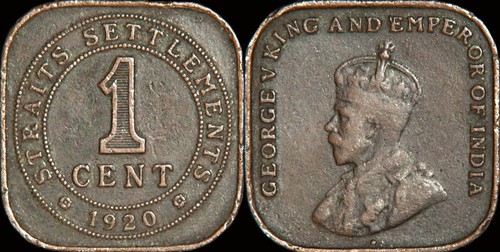
Straits Settlements One Cent
1919–1926 (this type)
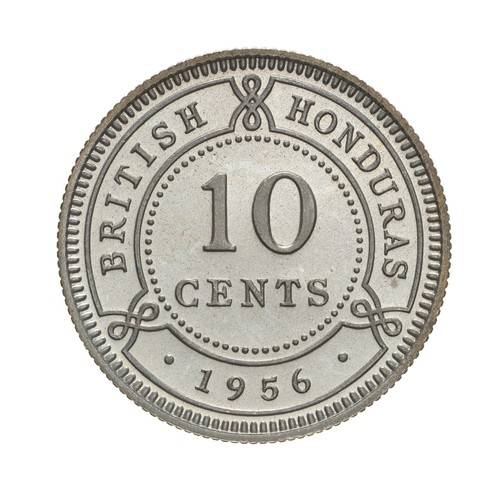
British Honduras 10 Cents
1956
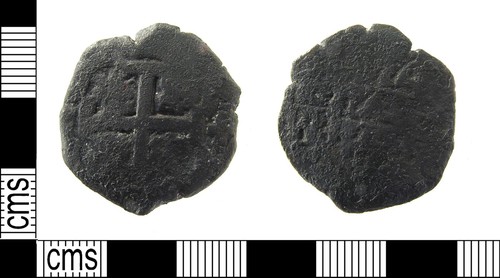
Spanish Colonial 1 Real (Bourbon)
1700-1746
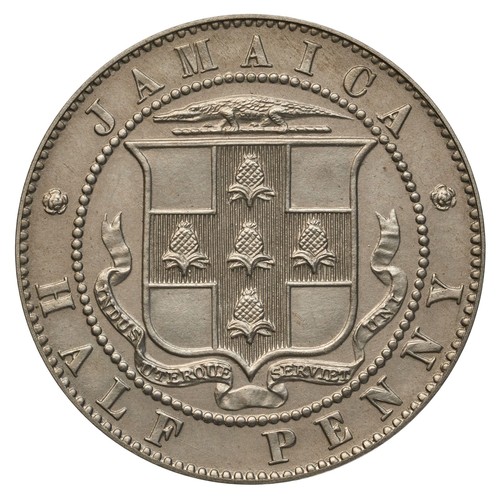
Bermuda Half Penny
1909
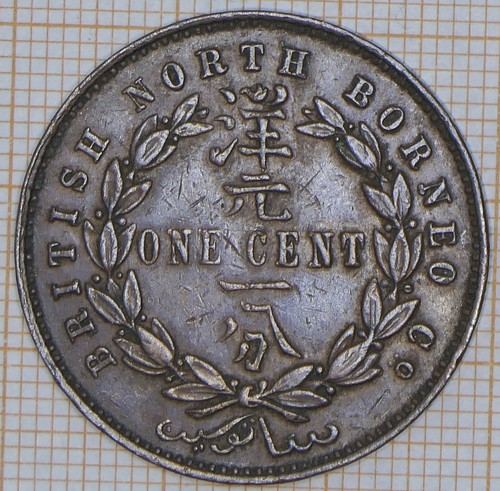
British North Borneo One Cent
1884–1886
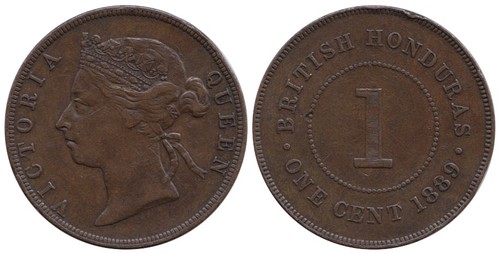
British Honduras One Cent
1885–1894 (Victoria); this example 1889
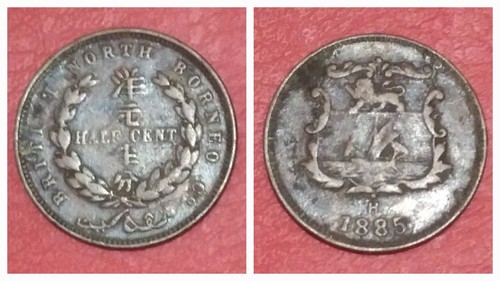
British North Borneo Half Cent
1885
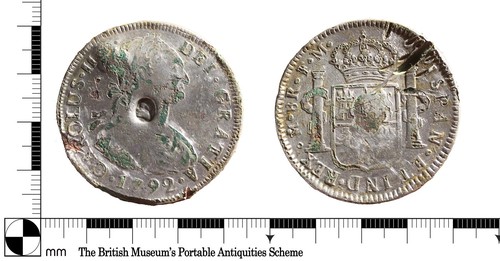
Counterstamped 8 Reales
Charles IV era (1788-1808), host coin; counterstamps and hole added later
Fugio Cent
1787
Massachusetts Shilling (1 Shilling 6 Pence)
1779