
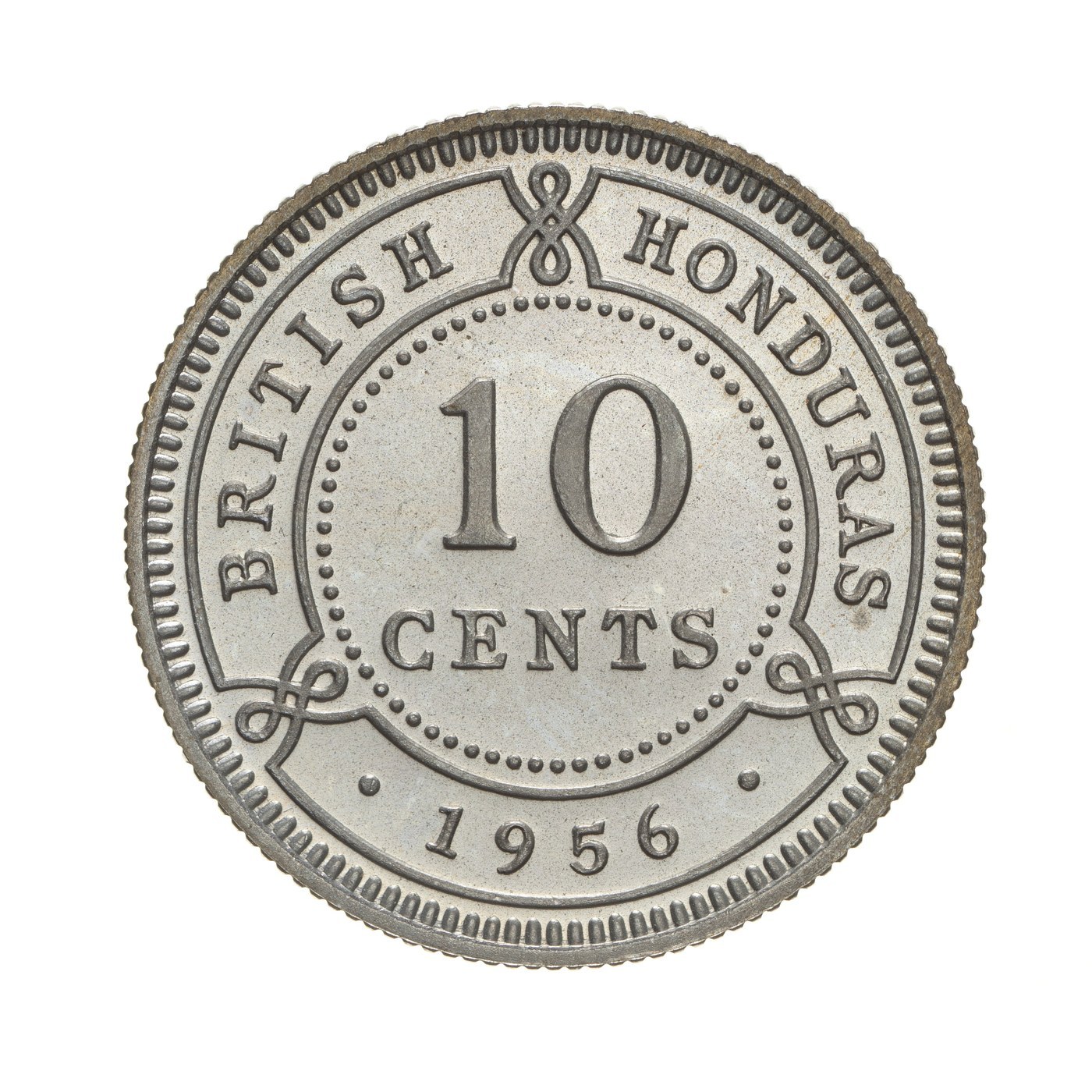
British Honduras 10 Cents
A silver-colored colonial 10 cents of British Honduras, with the Queen's portrait on the obverse and a plain 10 CENTS legend around BRITISH HONDURAS and the date.
- Country
- British Honduras
- Denomination
- 10 Cents
- Metal
- Nickel-silver
Got a coin like this?
Identify any coin from a photo, free.
Overview
The British Honduras 10 Cents is a small silver-colored colonial coin issued for British Honduras, the Central American territory that is today the nation of Belize. The photographed piece is dated 1956 and shows the classic plain, text-forward design of the series: the reverse carries the value 10 CENTS in the center, with BRITISH HONDURAS curving around the rim and the date at the bottom. The obverse bears the effigy of the reigning British monarch, Queen Elizabeth II.
Struck in a nickel-silver (cupro-nickel type) alloy rather than precious metal, the coin is silvery in appearance but contains no silver. It was part of the British Honduras dollar system of 100 cents and circulated as everyday small change. Its restrained, inscription-based reverse makes it easy to read and identify once the country name and denomination are seen.
History & Background
British Honduras was a British colony on the Caribbean coast of Central America. It issued its own cent-based coinage from the late 19th century, and the 10 cents was a long-running denomination that carried the portrait of successive monarchs—Victoria, Edward VII, George V, George VI and finally Queen Elizabeth II. The 1956 coin belongs to the Elizabeth II phase of this series.
The colony's coins were produced at the Royal Mint in London and shipped across the Atlantic for circulation. Earlier British Honduras 10 cents had been struck in silver, but by the mid-20th century the denomination had moved to base-metal (nickel-silver / cupro-nickel type) alloy, matching a broader shift away from silver in British and colonial small change.
British Honduras was renamed Belize in 1973 and became independent in 1981, after which coins were issued in the name of Belize. The British Honduras 10 cents therefore represents the colonial chapter of the country's money, and dated pieces such as the 1956 issue are collected as artifacts of that period.
How to Identify
The reverse is the clearest identifier. Look for the value written as 10 CENTS across the middle of the coin, the country name BRITISH HONDURAS following the rim, and the date—1956 on the photographed example—at the bottom. This plain, all-lettering reverse with no large emblem is characteristic of the type.
The obverse carries the portrait of the monarch. On a 1956 coin this is the laureate effigy of Queen Elizabeth II, surrounded by a royal legend. Together, the Queen's portrait on one side and the BRITISH HONDURAS / 10 CENTS text on the other confirm both the country and the denomination.
The coin is small and silvery-gray, struck in a base nickel-silver alloy rather than silver, so it lacks the warm tone of a precious-metal piece. Read the exact date and the monarch's portrait to place the coin within the long British Honduras series, since the same 10 CENTS reverse layout was used across several reigns and dates.
Value & Collectibility
British Honduras 10 cents are collected as British colonial coins, and value depends mainly on date, condition and eye appeal. As a base-metal circulation coin, a worn 1956 example is generally modest in value, while sharp, lightly circulated or uncirculated pieces with original surfaces bring stronger premiums from collectors of British Commonwealth and Central American coinage.
Demand comes from those building date runs of British Honduras / Belize coinage and from collectors of Elizabeth II colonial types. Scarcer dates and high grades are worth more than common, heavily worn pieces, and problem-free surfaces matter a great deal for a small silver-colored coin that shows handling easily.
Because prices shift with the market and the specific date and grade, treat any single figure with caution. Check recent dealer listings and auction results for the matching year and condition rather than assuming a fixed value, and be wary of paying extra for cleaned, corroded or damaged examples.
Frequently asked questions
What is the British Honduras 10 Cents?
It is a small colonial coin issued for British Honduras (modern Belize) worth ten cents of the local dollar. The reverse reads 10 CENTS with BRITISH HONDURAS around the rim, and the obverse shows the reigning British monarch—Queen Elizabeth II on the 1956 issue.
Is the coin made of silver?
The 1956 piece is struck in a nickel-silver / cupro-nickel type base alloy. It looks silvery but contains no precious silver, unlike some much earlier British Honduras 10 cents that were struck in silver.
Who is on the obverse?
The obverse carries the portrait of the reigning monarch. On a 1956 coin this is the laureate effigy of Queen Elizabeth II, with a royal legend around it.
What country is British Honduras today?
British Honduras was renamed Belize in 1973 and became independent in 1981. Coins reading BRITISH HONDURAS date from the earlier colonial period.
How much is a 1956 British Honduras 10 Cents worth?
Value depends on date and condition. Worn base-metal examples are modest, while sharp or uncirculated pieces bring more. Check recent sales for the exact year and grade rather than assuming a fixed price.
British Honduras 10 Cents guides
In-depth guides for identifying, valuing, and collecting British Honduras 10 Cents.
Other coins you may enjoy
Sarawak One Cent
1870
Jamaica Half Penny
1871
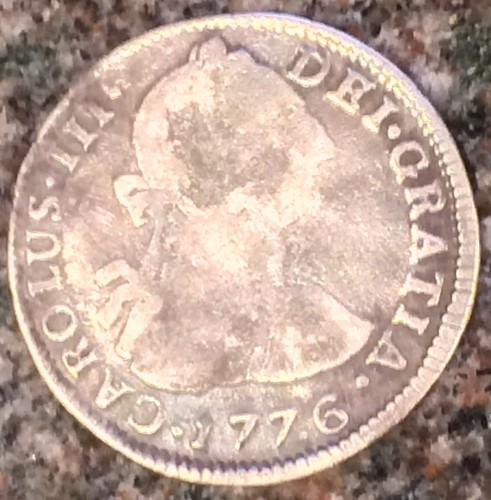
Spanish Colonial 2 Reales (Milled)
1732–1772 (pillar) and 1772–1825 (portrait); example dated 1776
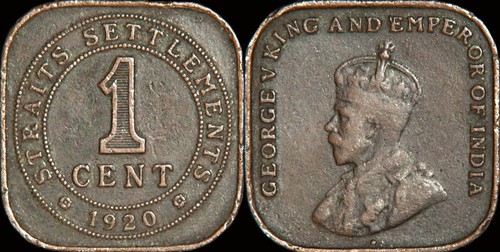
Straits Settlements One Cent
1919–1926 (this type)
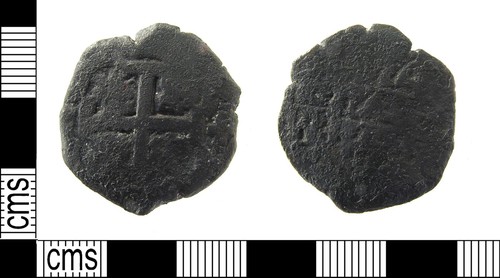
Spanish Colonial 1 Real (Bourbon)
1700-1746
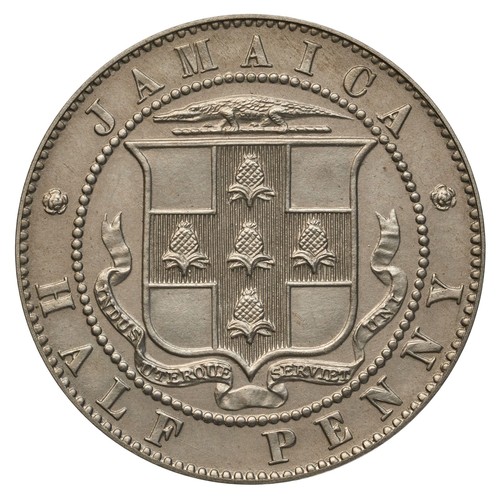
Bermuda Half Penny
1909
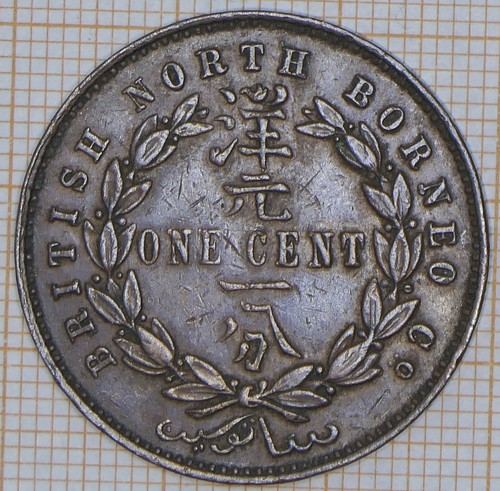
British North Borneo One Cent
1884–1886
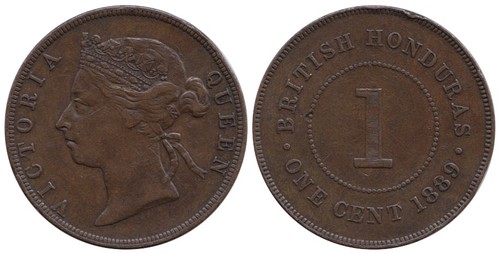
British Honduras One Cent
1885–1894 (Victoria); this example 1889
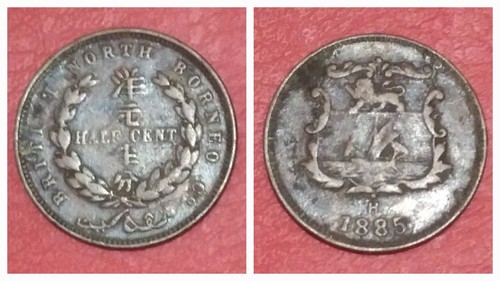
British North Borneo Half Cent
1885
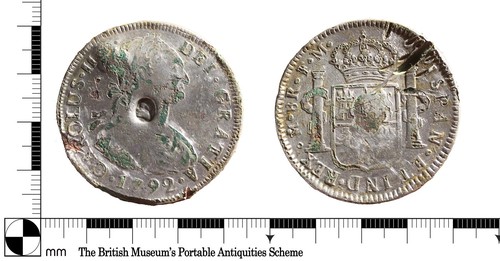
Counterstamped 8 Reales
Charles IV era (1788-1808), host coin; counterstamps and hole added later
Fugio Cent
1787
Massachusetts Shilling (1 Shilling 6 Pence)
1779