
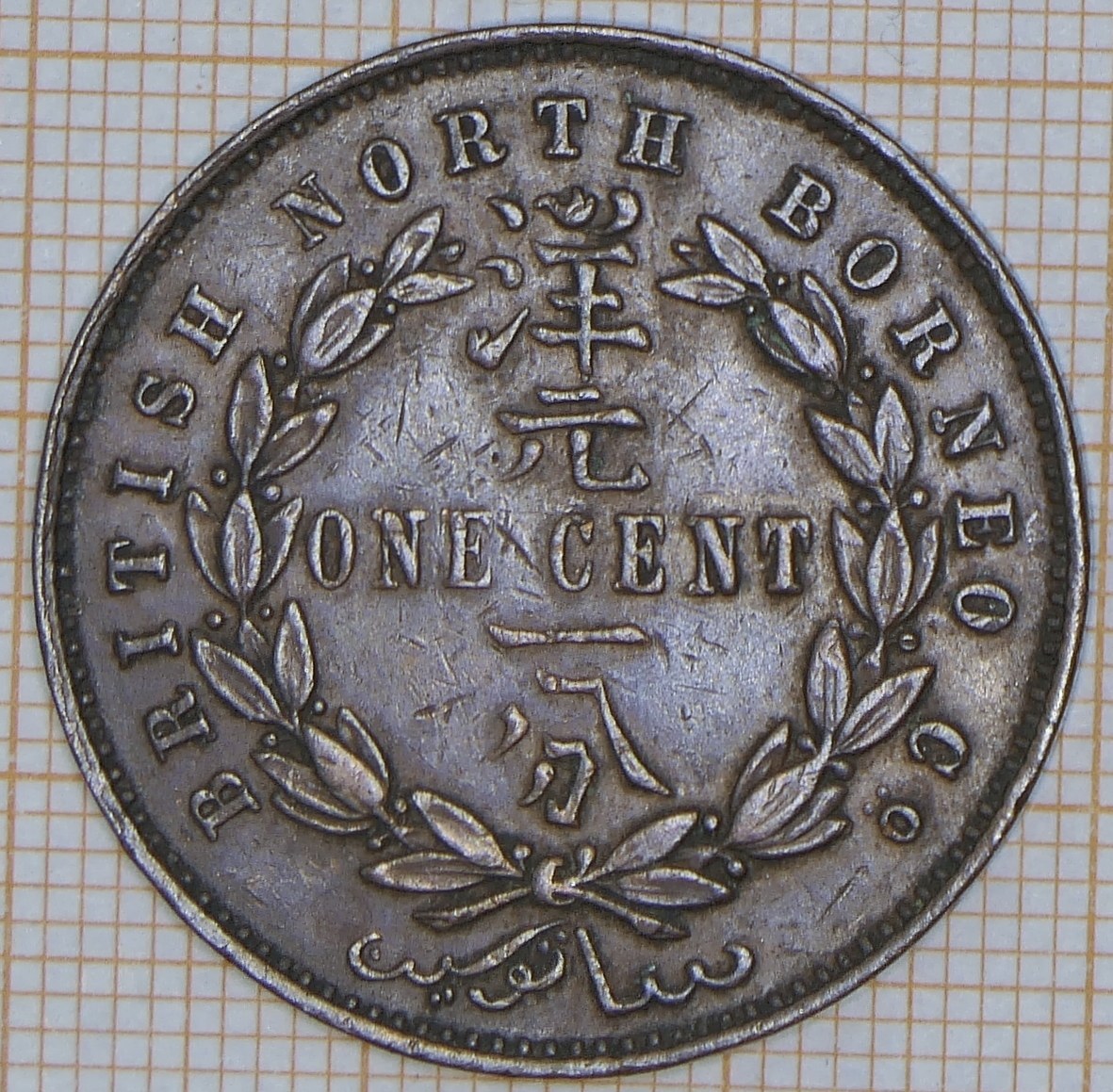
British North Borneo One Cent
A colonial copper cent of the British North Borneo Company: company arms with Dyak supporters and a sailing ship on one side, ONE CENT in a wreath on the other.
- Country
- British North Borneo
- Denomination
- 1 Cent
- Metal
- Copper
Got a coin like this?
Identify any coin from a photo, free.
Overview
The British North Borneo One Cent is a copper colonial coin issued for the territory administered by the chartered British North Borneo Company on the north tip of the island of Borneo. The obverse shows the Company's coat of arms—a central shield bearing a sailing ship, flanked by two standing native (Dyak) supporters—while the reverse reads ONE CENT within a laurel wreath, flanked by two more standing figures. The photographed piece is dated 1884.
As a large, coppery low-denomination coin of a small British-chartered administration, the cent is a distinctive and popular type among collectors of Straits, Malayan and world colonial coinage. Its bold heraldic design and early date make it one of the more recognizable pieces struck for North Borneo.
History & Background
The British North Borneo Company received its royal charter in 1881 and governed the territory (roughly modern Sabah, Malaysia) until the Second World War. Rather than rely wholly on neighboring currencies, the Company issued its own coinage denominated in cents, and the One Cent of 1884 was among the first copper pieces produced for the territory.
The early cents were struck in England—Company coinage of this era was produced by Birmingham mints, with pieces from Ralph Heaton & Sons (the Heaton Mint) carrying an H mint mark. The 1884 One Cent belongs to this first phase of Company copper, a small series issued in the mid-1880s before the design and denominations were revised in later decades.
The coin's imagery reflects the Company's self-presentation: the armorial shield with a ship recalls maritime trade and the Company's charter, while the standing Dyak supporters reference the indigenous peoples of Borneo. These pieces circulated locally alongside other regional silver and copper before the Company's coinage evolved into the later bronze and cupro-nickel issues of the 20th century.
How to Identify
The obverse is the surest identifier: a full coat of arms with a central shield showing a sailing ship, supported on either side by a standing native (Dyak) figure, with the Company's name and motto in the surrounding legend. The date—1884 on the photographed coin—appears at the bottom.
The reverse reads ONE CENT within a laurel or leafy wreath, with two more standing figures flanking the design. The piece is a broad, thick copper coin, brown-toned when circulated and reddish when better preserved. Early Heaton-struck examples may show a small H mint mark; look for it near the base of the reverse design.
Because the Company issued cents across several dates and later in different metals, read the date and note the wreath-and-figures reverse to place the coin. The armorial obverse with a ship and two supporters is diagnostic of British North Borneo and separates it from Straits Settlements and other Malayan cents of similar size.
Value & Collectibility
British North Borneo cents are collected as colonial types, and value depends heavily on date, mint mark and condition. Well-worn examples of common dates are affordable and widely traded, while sharp, problem-free pieces and any scarcer date or mint-mark varieties command higher premiums.
The early 1884 issue is desirable as one of the first-year copper cents of the series, and demand comes from collectors of British colonial, Straits/Malayan and one-year-type coins. Grade matters a great deal: original surfaces, clear detail on the arms and figures, and pleasing color raise value substantially over cleaned, corroded or heavily worn coins.
Because exact prices move with the market and the specific date/variety, treat any single figure with caution. Consult recent auction and dealer sales for the matching year, mint mark and grade rather than assuming a fixed value, and be wary of paying a premium for pieces with environmental damage common to older copper.
Frequently asked questions
What is the British North Borneo One Cent?
It is a copper colonial coin issued by the chartered British North Borneo Company for its territory on the island of Borneo. It shows the Company arms with a ship and Dyak supporters on the obverse and ONE CENT in a wreath on the reverse.
Who are the two figures on the coin?
They are standing native (Dyak) figures used as heraldic supporters and as decorative flanking figures, referencing the indigenous peoples of Borneo. They appear beside the shield on the obverse and the wreath on the reverse.
Where was the coin minted?
Early Company copper cents were struck in Birmingham, England; pieces from Ralph Heaton & Sons (the Heaton Mint) carry a small H mint mark. Look for it near the base of the reverse design.
How much is an 1884 British North Borneo One Cent worth?
Value depends on date, mint mark and condition. Worn common pieces are modest, while sharp, original or scarcer examples bring more. Check recent sales for the exact year and grade rather than assuming a fixed price.
What country issued this coin?
It was issued for British North Borneo, the territory administered by the British North Borneo Company, which corresponds roughly to the modern Malaysian state of Sabah.
British North Borneo One Cent guides
In-depth guides for identifying, valuing, and collecting British North Borneo One Cent.
Other coins you may enjoy
Sarawak One Cent
1870
Jamaica Half Penny
1871
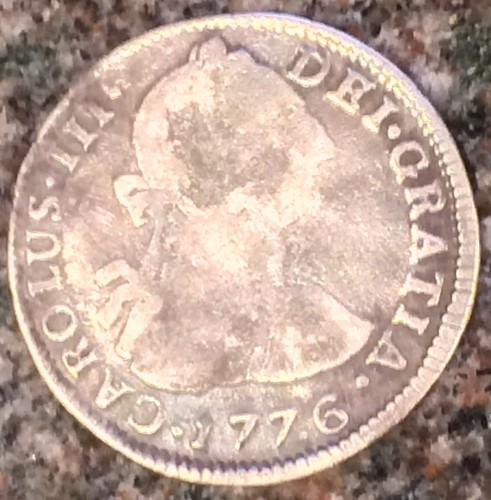
Spanish Colonial 2 Reales (Milled)
1732–1772 (pillar) and 1772–1825 (portrait); example dated 1776
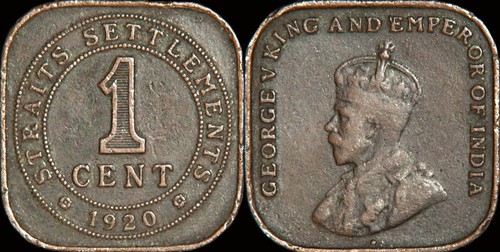
Straits Settlements One Cent
1919–1926 (this type)
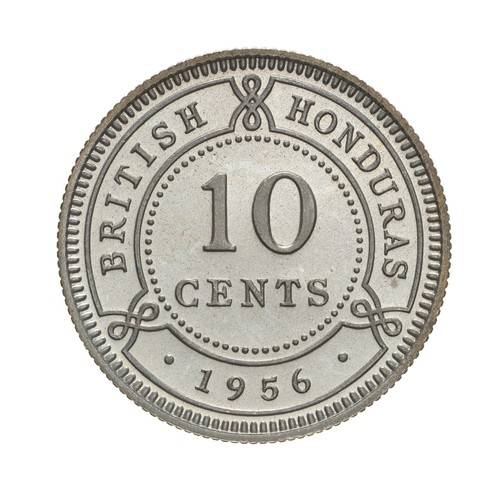
British Honduras 10 Cents
1956
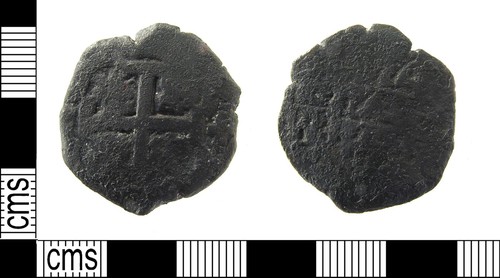
Spanish Colonial 1 Real (Bourbon)
1700-1746
Bermuda Half Penny
1909
British Honduras One Cent
1885–1894 (Victoria); this example 1889
British North Borneo Half Cent
1885
Counterstamped 8 Reales
Charles IV era (1788-1808), host coin; counterstamps and hole added later
Fugio Cent
1787
Massachusetts Shilling (1 Shilling 6 Pence)
1779