
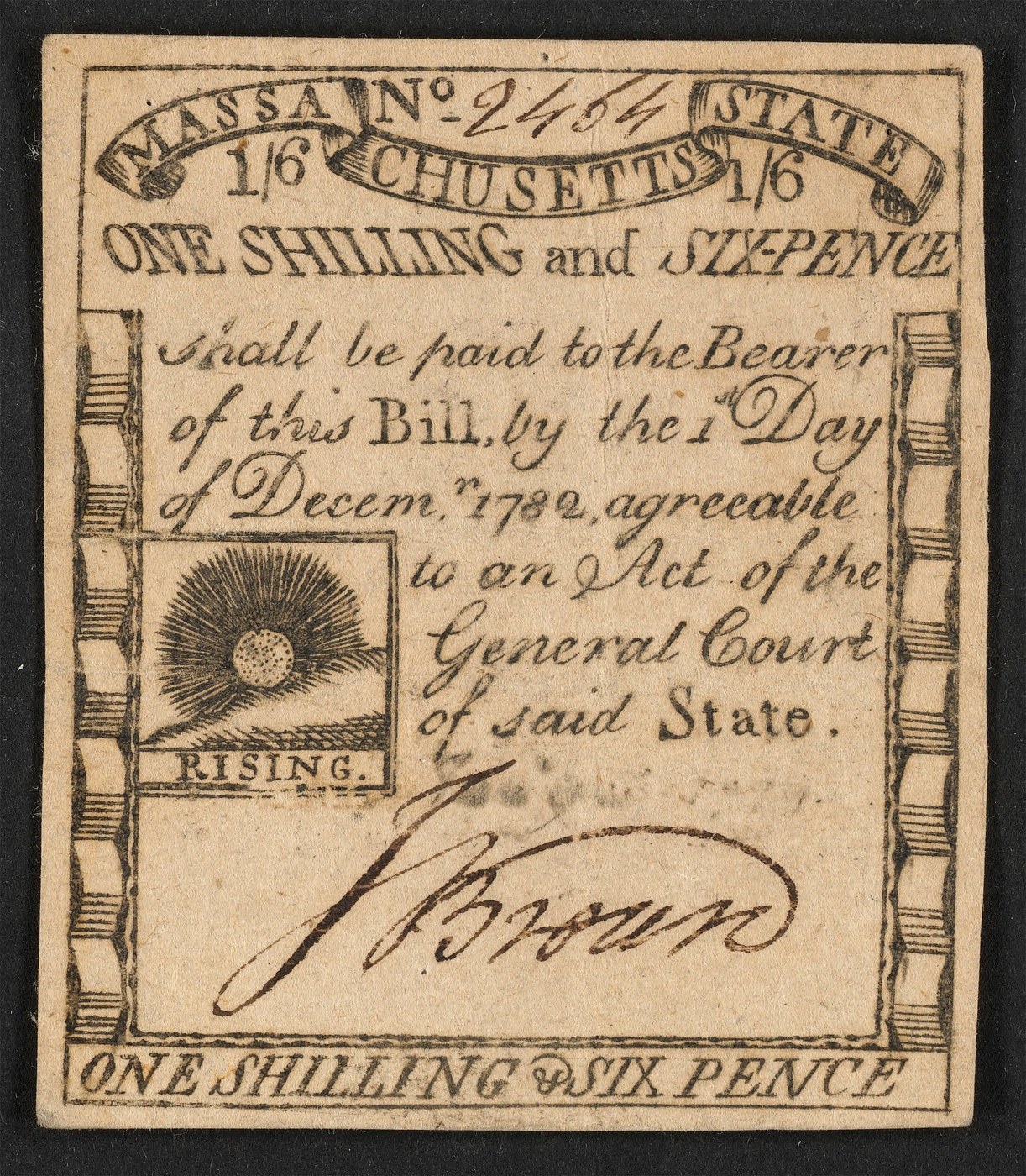
Massachusetts Shilling (1 Shilling 6 Pence)
A colonial-era Massachusetts silver piece valued at one shilling and sixpence, joining a pine-tree obverse with a rising-sun reverse and the date 1779.
- Country
- United States (Massachusetts)
- Denomination
- 1 Shilling 6 Pence
- Metal
- Silver
Got a coin like this?
Identify any coin from a photo, free.
Overview
The Massachusetts Shilling shown here is a colonial-era silver piece from Massachusetts denominated at one shilling and sixpence (1s 6d), a value carried over from the British pounds-shillings-pence system still in daily use across the colonies. The obverse bears a pine tree, a long-standing emblem of New England, while the reverse carries the denomination together with a rising-sun device. The example is dated 1779, placing it squarely within the Revolutionary War years.
The pine tree links the piece to the older Massachusetts silver tradition, in which a tree design famously stood for the colony's independent-minded coinage. The rising sun was a widely used symbol of a new nation's dawn during the Revolutionary period. Struck in silver and hand-made in small numbers, this is a scarce and specialized item collected for its history and symbolism rather than for any bullion value.
Because colonial and Revolutionary-era Massachusetts silver was produced by hand in limited quantities, surviving pieces vary in strike, centering, and wear. Each is best treated as an individual artifact rather than a uniform mass-produced coin.
History & Background
Massachusetts held a special place in early American coinage. In the seventeenth century the colony operated its own mint and issued silver shillings and smaller denominations bearing tree designs, defying the usual rule that only the Crown struck coin. That tree imagery — most famously the pine tree — became a lasting symbol of Massachusetts self-reliance, and it was revived and echoed in later colonial and state pieces.
The 1779 date on this shilling falls during the American Revolution, when the former colonies were fielding their own money in the absence of a stable royal coinage. Values were still reckoned in shillings and pence, so a denomination such as one shilling sixpence fit naturally into everyday accounts. The rising sun of the reverse belongs to the visual language of the era, expressing the hope of a new and independent country.
Surviving Massachusetts silver of this character was made in small quantities by hand methods, and exact production figures are not reliably documented. As a result the type is studied piece by piece, and its story is bound up with the wider history of Revolutionary-period American money rather than with any large, centrally organized mint output.
How to Identify
Start with the obverse: it shows a pine tree, the classic New England emblem, standing as the central device. The reverse carries the coin's denomination — one shilling and sixpence — alongside a rising-sun device, with the date 1779 tying the piece to the Revolutionary period. Look for these two paired motifs together; the tree-and-sun combination is the defining feature of this issue.
The piece is silver, which typically shows a soft gray tone and, on genuine old surfaces, natural toning rather than bright modern brilliance. As a hand-made colonial-style item, expect some irregularity in the flan, centering, and lettering rather than the machine-perfect look of a modern coin. There is no federal mint mark of the kind found on later United States coinage.
The single most useful confirmation is the denomination itself: it reads as a shilling-and-sixpence value, not as cents or dollars, which places it firmly in the pre-decimal colonial framework. Combined with the pine tree, the rising sun, and the 1779 date, that denomination distinguishes this piece from later United States silver and from the seventeenth-century Massachusetts shillings that share the tree motif.
Value & Collectibility
Value for a piece like this rests almost entirely on authenticity, condition, and collector demand rather than on silver content. Genuine colonial and Revolutionary-era Massachusetts silver is scarce and specialized, and confirmed examples can carry meaningful premiums; worn, damaged, or unverified pieces are worth far less. Because documented production is limited and inconsistent, there is no simple catalog price, and values are best judged case by case.
Colonial-style silver of this kind has also been widely reproduced and imitated over the centuries, from period-adjacent copies to modern replicas and souvenirs. That makes provenance and expert verification central to any valuation: an unattributed piece should be treated cautiously until examined by a specialist.
Collectors pay most for original surfaces, clear tree and sun detail, a legible date and denomination, and freedom from cleaning, tooling, or corrosion. For any piece thought to be genuine, authentication and grading by an established third-party service or a recognized colonial specialist is the most reliable path to a sound value.
Frequently asked questions
What is the denomination on this Massachusetts Shilling?
It is valued at one shilling and sixpence (written 1s 6d), a pre-decimal value from the British pounds-shillings-pence system that was still used across the American colonies at the time.
Why does it show a pine tree?
The pine tree is a long-standing emblem of New England and of Massachusetts coinage in particular, dating back to the colony's seventeenth-century silver. It came to stand for Massachusetts self-reliance and independence.
What does the rising sun on the reverse mean?
The rising sun was a common Revolutionary-era symbol representing the dawn of a new and independent nation. Here it appears alongside the denomination on the reverse, paired with the 1779 date.
Is this the same as the famous 1652 Pine Tree Shilling?
No. The seventeenth-century Massachusetts Pine Tree Shillings share the tree emblem but are a different, earlier issue. This piece is dated 1779, carries a one-shilling-sixpence value, and includes a rising-sun device on the reverse.
Is the coin made of precious metal?
It is struck in silver, but its worth to collectors comes from its history, rarity, and condition rather than from bullion. Authenticity is the biggest factor in any valuation.
Massachusetts Shilling (1 Shilling 6 Pence) guides
In-depth guides for identifying, valuing, and collecting Massachusetts Shilling (1 Shilling 6 Pence).
Other coins you may enjoy
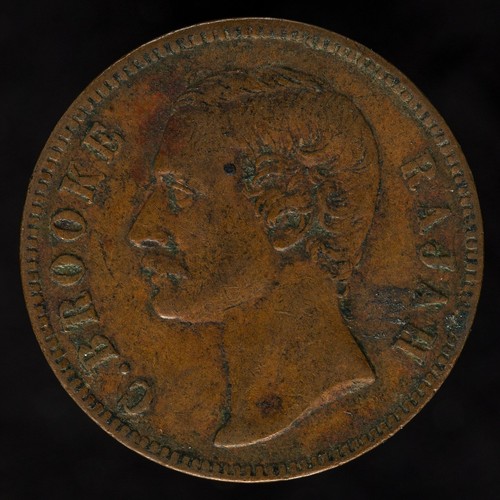
Sarawak One Cent
1870
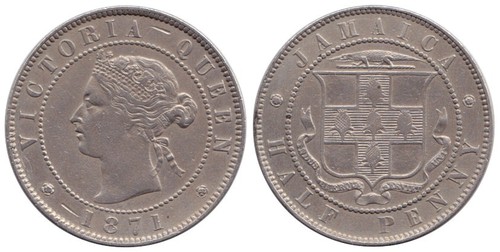
Jamaica Half Penny
1871
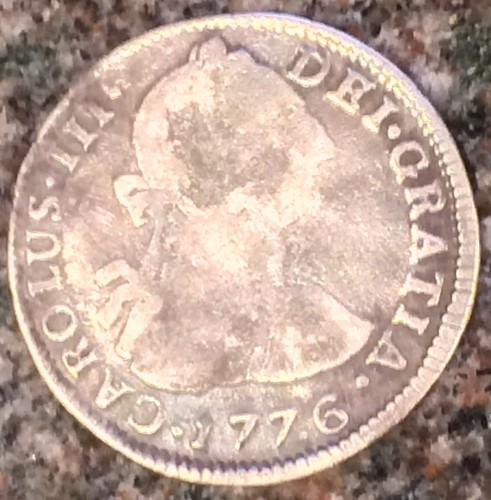
Spanish Colonial 2 Reales (Milled)
1732–1772 (pillar) and 1772–1825 (portrait); example dated 1776
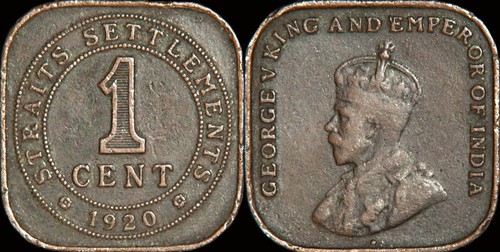
Straits Settlements One Cent
1919–1926 (this type)
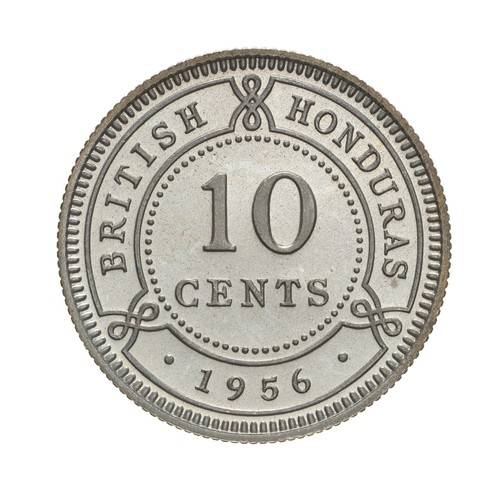
British Honduras 10 Cents
1956
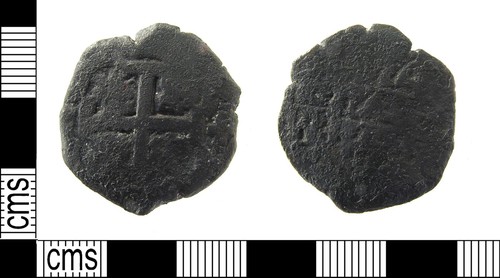
Spanish Colonial 1 Real (Bourbon)
1700-1746
Bermuda Half Penny
1909
British North Borneo One Cent
1884–1886
British Honduras One Cent
1885–1894 (Victoria); this example 1889
British North Borneo Half Cent
1885
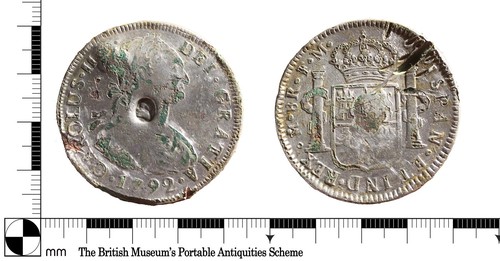
Counterstamped 8 Reales
Charles IV era (1788-1808), host coin; counterstamps and hole added later
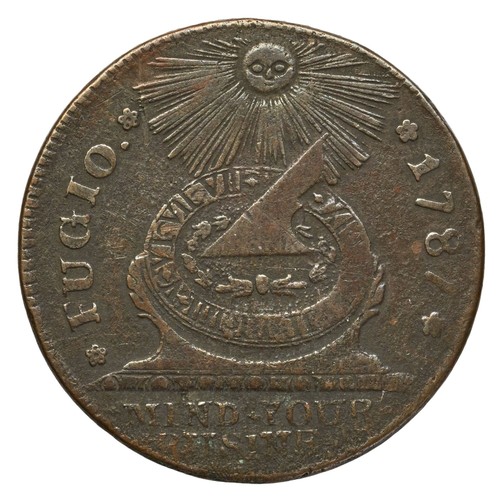
Fugio Cent
1787