
How to Identify the Massachusetts Shilling (1 Shilling 6 Pence)
A collector's walkthrough of the pine-tree obverse, rising-sun reverse, shilling-and-sixpence value, silver look, and the authentication cautions this type demands.
Read the full Massachusetts Shilling (1 Shilling 6 Pence) encyclopedia entry →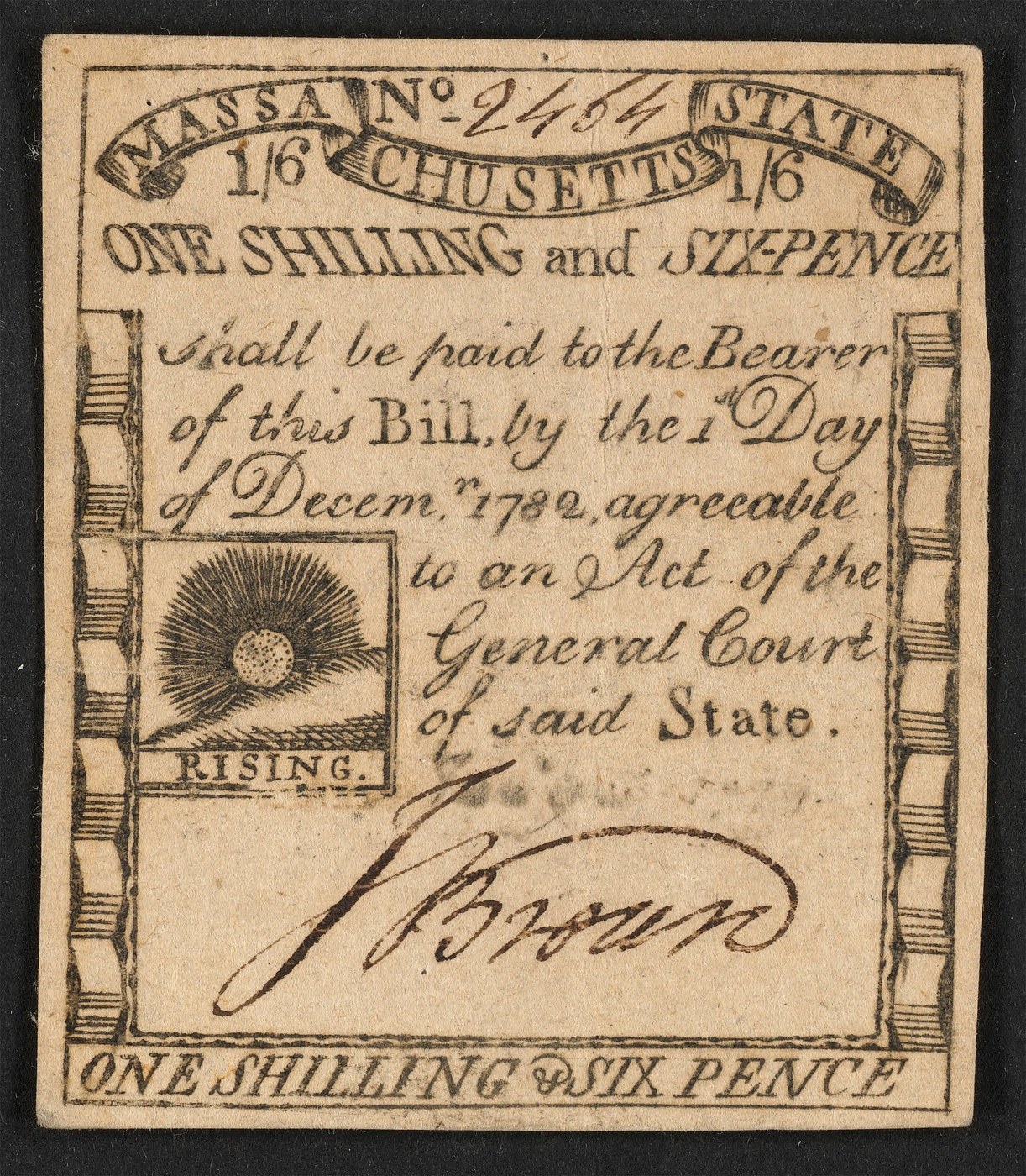
Read the Denomination First
The surest starting point is the value itself. This piece is denominated at one shilling and sixpence — a pre-decimal amount expressed in shillings and pence, not cents or dollars. If the stated value is a shilling-and-sixpence figure rather than a decimal United States denomination, you are looking at a colonial-framework piece and can rule out later federal coinage immediately.
Confirm the Pine-Tree Obverse
The obverse should display a pine tree as its central device. This tree is the historic emblem of Massachusetts silver and of New England more broadly. Check that the tree is the dominant image and note its style and placement; on hand-made colonial-style pieces the tree may be slightly off-center or unevenly struck, which is normal for the period rather than a defect.
Check the Rising-Sun Reverse and the Date
Turn the piece over and look for a rising-sun device shown together with the denomination, and confirm the date reads 1779. The tree-and-sun pairing, combined with a Revolutionary-era date, is the diagnostic signature of this issue. The rising sun especially separates it from the seventeenth-century Massachusetts shillings, which share the tree but not this reverse.
Assess Metal, Size, and Surfaces
The piece is silver and should show a soft gray tone with natural, settled toning rather than bright modern shine. Expect the irregular flan, hand-cut lettering, and slight strike variations typical of early hand-produced silver; a perfectly uniform, machine-crisp look is a warning sign of a modern reproduction. There is no federal mint mark of the type used on later United States coins.
Rule Out Look-Alikes and Verify Authenticity
Colonial-style silver has been copied extensively — from early imitations to modern replicas and souvenir strikes — so treat any unattributed example with caution. Compare weight, diameter, edge, and detail against documented specimens, and be wary of casting bubbles, seams, or unnaturally sharp, glossy surfaces. Do not clean the piece, as that destroys original surfaces and value. For anything believed genuine, seek authentication from an established third-party grading service or a recognized colonial-coin specialist before assigning a value.
Frequently asked questions
How can I tell this from the 1652 Massachusetts Pine Tree Shilling?
Both share the pine-tree emblem, but this piece is dated 1779, is valued at one shilling and sixpence, and shows a rising-sun device on the reverse. The seventeenth-century shillings lack that rising sun and carry different dating and denomination details.
Does it have a mint mark?
No. It predates the federal mint-mark system used on later United States coins. Identification relies on the pine tree, the rising sun, the shilling-and-sixpence value, and the 1779 date rather than on a mint letter.
Why do the strike and shape look uneven?
Colonial and Revolutionary-era silver was produced by hand in small numbers, so irregular flans, off-center devices, and hand-cut lettering are expected. A flawless, machine-perfect appearance is more consistent with a modern reproduction.
Should I have it authenticated before buying or selling?
Yes. This type has been widely reproduced, and value depends heavily on genuineness and condition. Have any promising piece verified by an established grading service or a colonial-coin specialist before relying on it.